

Antique Hanging Unit
An antique hanging unit brings wall storage to life through centuries of timber craftsmanship, offering period character for compact spaces.
Antique Hanging Unit
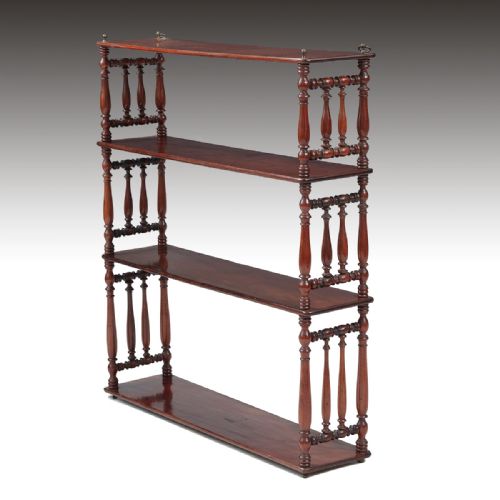
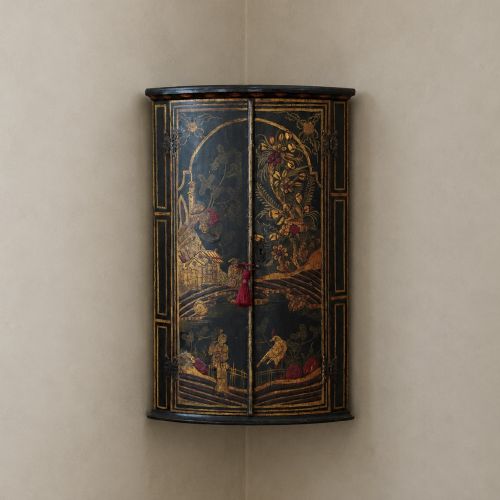
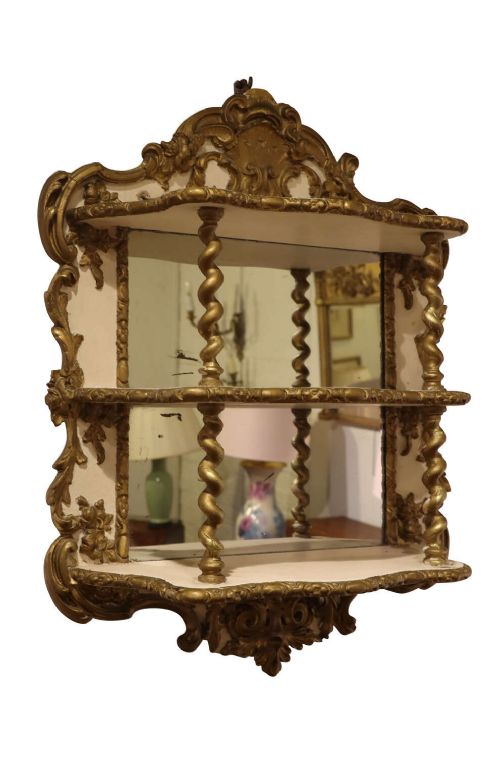
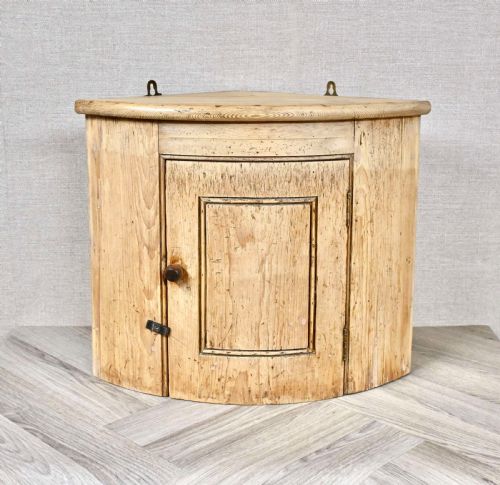
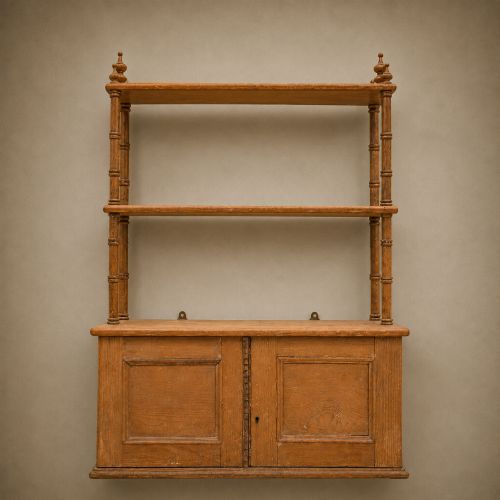
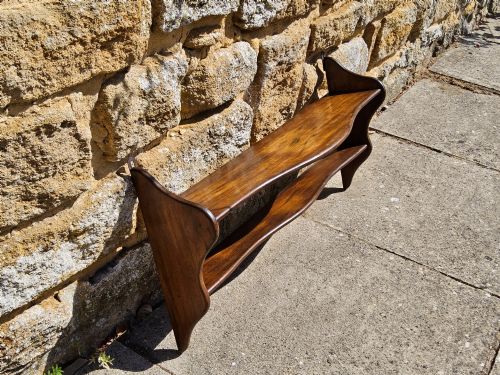
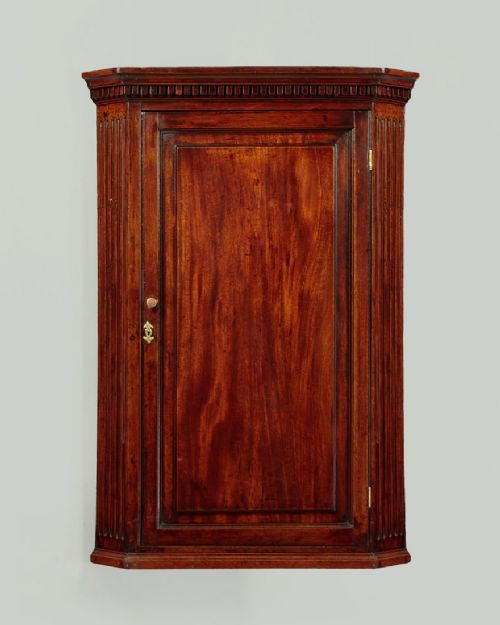
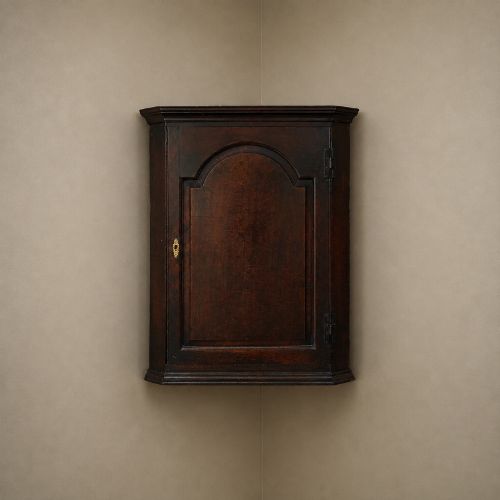
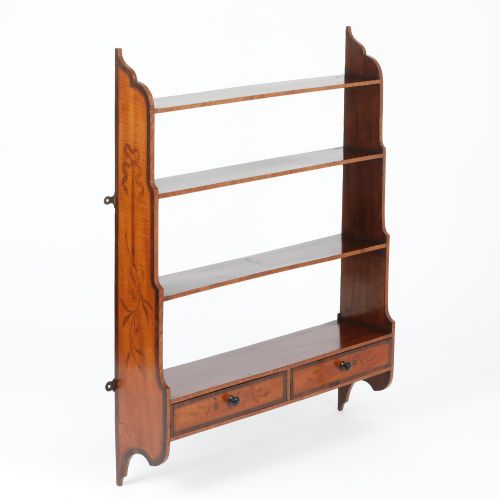
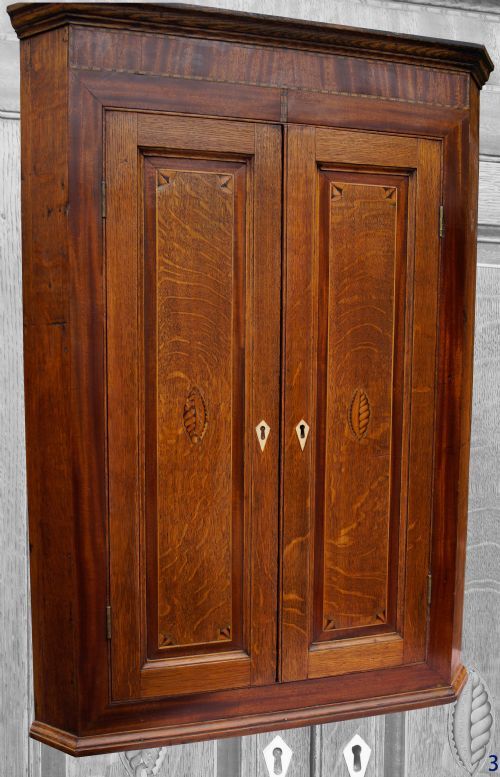
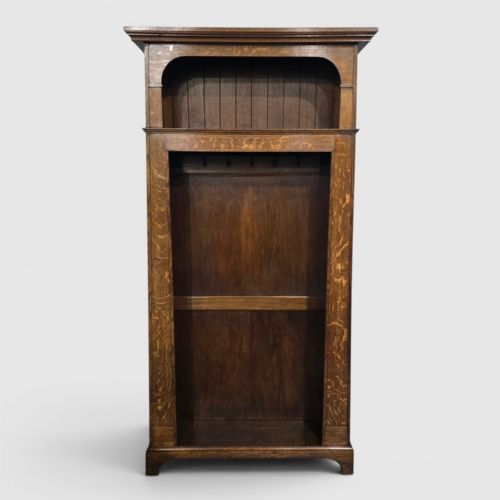
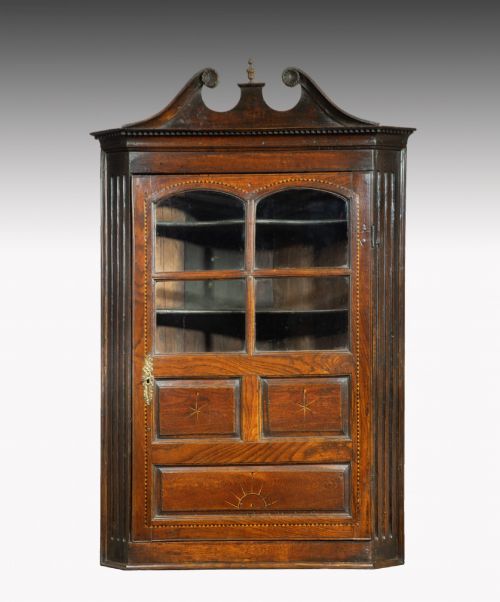
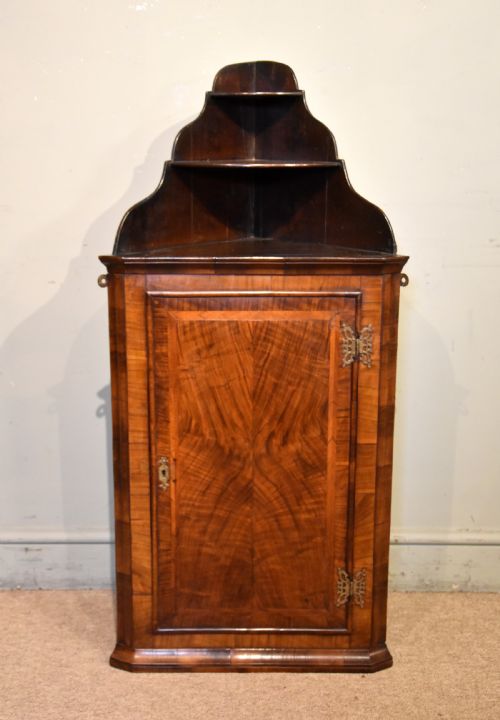
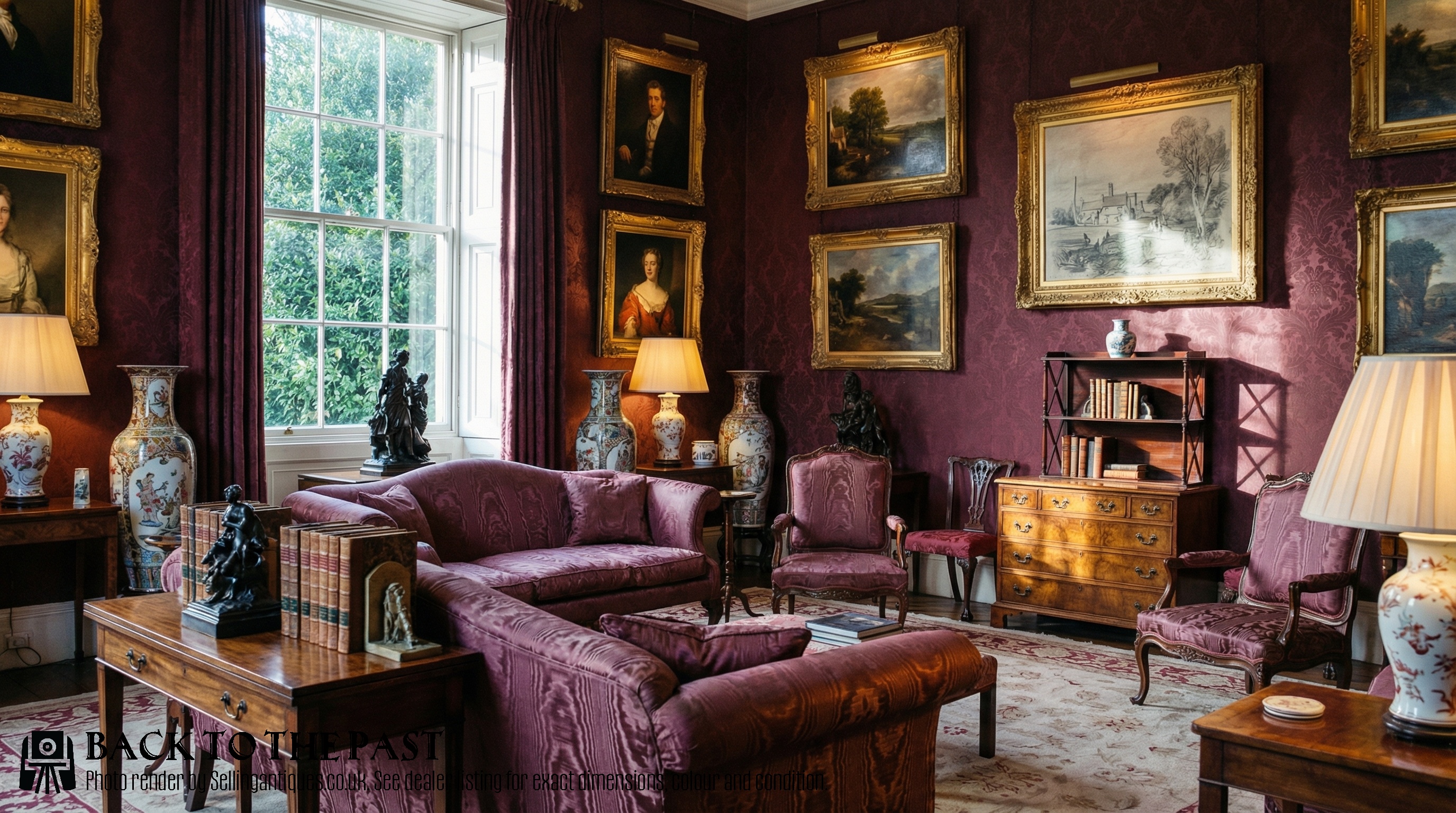
When you search for an antique hanging unit, you encounter wall-mounted furniture designed to save floor space while displaying or concealing possessions. These pieces range from open display shelves to enclosed corner cupboards with panelled doors.
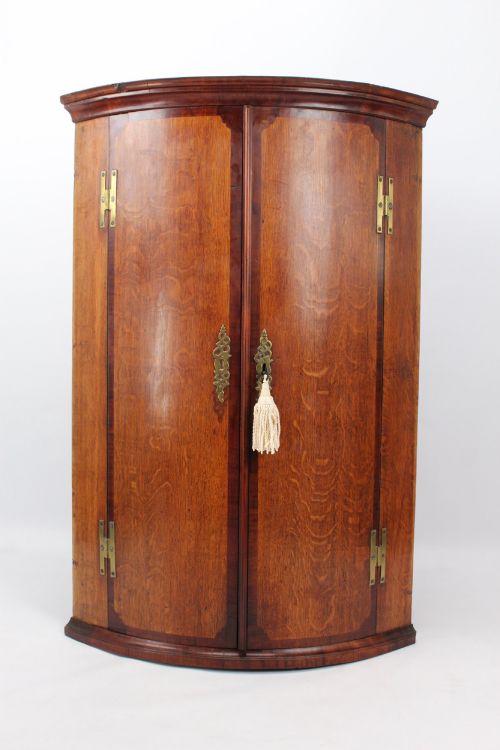
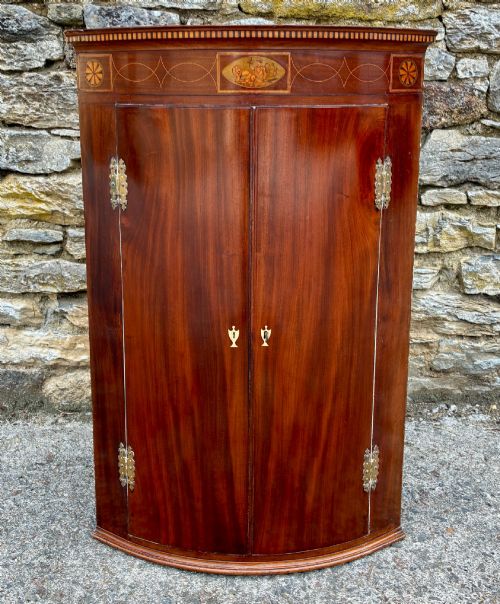
The selections span several distinct eras, with Georgian, Victorian, and Edwardian examples appearing frequently alongside earlier 18th-century designs. Walnut, mahogany, and oak dominate the construction, often shaped with bow fronts to fit neatly into room corners.
Materials and Construction Techniques
Cabinetmakers utilised solid hardwoods such as mahogany, oak, and walnut, frequently pairing them with secondary softwoods like pine. Surfaces display rich grain patterns, sometimes enhanced by painted finishes, Japanned chinoiserie, or delicate inlaid details.
Joinery techniques relied on traditional hand-cut joints to support the weight of books, ceramics, and ornaments mounted directly to walls. Brass hardware, including hinges and escutcheons, secures doors and provides functional contrast against the timber.
Distinctions in Build and Finish
Quality rests in the selection of timber figures and the crispness of mouldings, where superior examples exhibit finely figured mahogany or dense, well-grained oak. Finer pieces often feature sophisticated decorative elements like crossbanding, intricate inlay, or hand-painted Chinoiserie scenes.
Structural integrity depends on original backboards, secure hanging points, and well-fitted doors that maintain proper alignment over centuries. Lesser pieces show utilitarian construction with simpler timber choices and minimal decorative embellishment.
The Antique Hanging Unit Glossary
- Bow front
- A convex curved cabinet front that projects outward, commonly seen on corner cupboards from the Georgian period onward.
- Chinoiserie
- European decorative motifs inspired by Chinese art, often rendered in painted or lacquered finishes on 19th-century furniture.
- Corner cupboard
- A triangular cabinet specifically constructed to fit into the internal angle of a room, saving valuable floor space.
- Inlay
- A technique where contrasting pieces of wood or other materials are inserted into recessed portions of a timber base to create patterns.
- Waterfall shelves
- Graduated tiered shelving where each shelf steps back from the one below it, designed for displaying books or small objects.
Antique Hanging Unit: Frequently Asked Questions
How do I hang a heavy antique wall cabinet safely?
Wall-mounted cabinets require secure attachment directly into structural wall studs or masonry using appropriate weight-rated fixings. Distributing the load evenly prevents strain on historical joints and original hanging brackets.
Professional installation is advisable for larger mahogany or oak cupboards, ensuring the antique structure remains stable and secure against the wall.
What is the difference between wall shelves and a corner cupboard?
Wall shelves feature open tiers designed for displaying books or decorative objects without enclosed storage. Corner cupboards incorporate doors, often glazed or panelled, to keep contents dust-free and out of sight.
Both forms utilise vertical wall space efficiently, but they serve different aesthetic and practical purposes within a room.
How can I tell a Georgian hanging unit from a Victorian one?
Georgian pieces often display restrained classical proportions, premium mahogany or oak timbers, and subtle string inlay. Victorian examples frequently incorporate heavier mouldings, darker walnut finishes, or Arts and Crafts influences.
Examining the secondary woods at the back of the cabinet provides further clues regarding the period of manufacture.
Can these antique units be used in a modern bathroom?
Smaller wall cabinets and mirrored shelves adapt well to bathrooms, provided they are kept away from direct moisture and excessive humidity. Solid wood construction responds to environmental changes, so stable humidity preserves the antique finish.
Placing a compact pine or mahogany hanging shelf in a bathroom introduces functional vintage character.