


Antique Hanging Light Fixture
An antique hanging light fixture illuminates a room from above, bringing period character and warm illumination through brass, bronze, crystal, and glass.
Antique Hanging Light Fixture
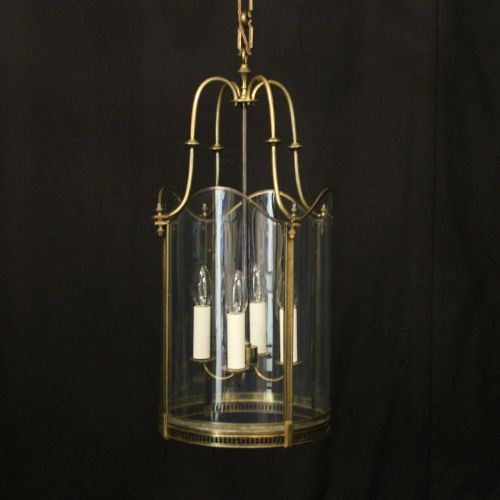
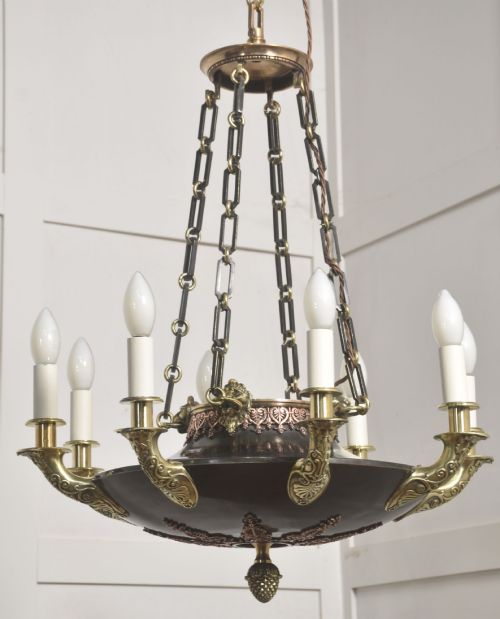
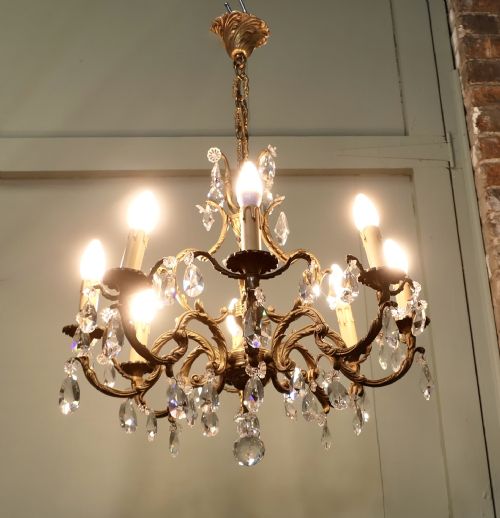
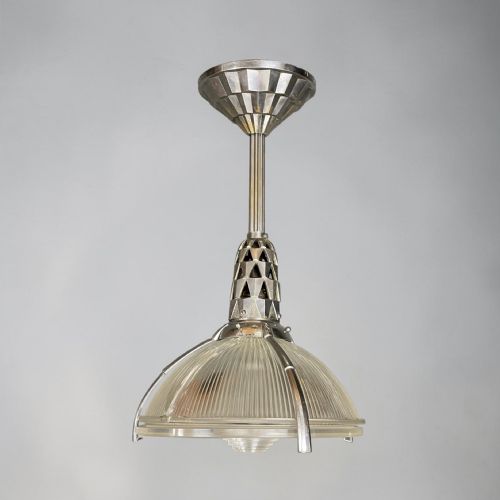
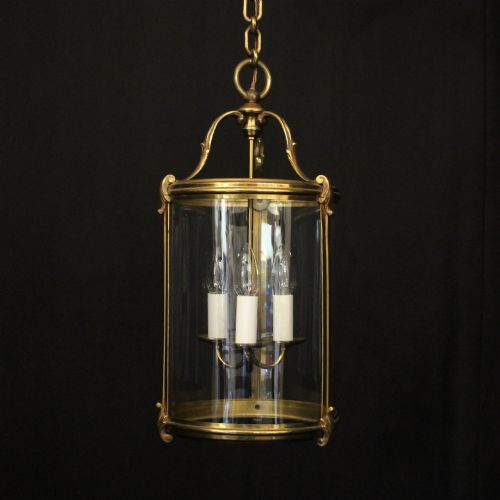
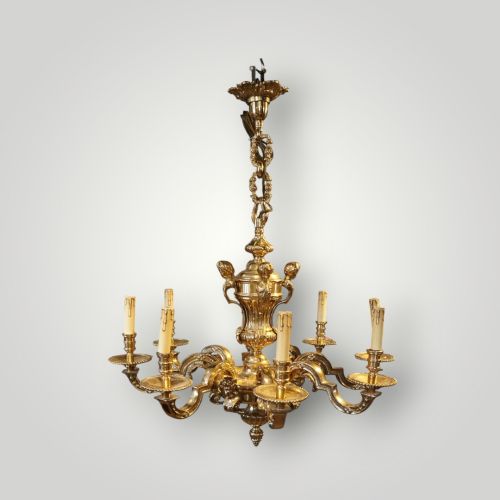
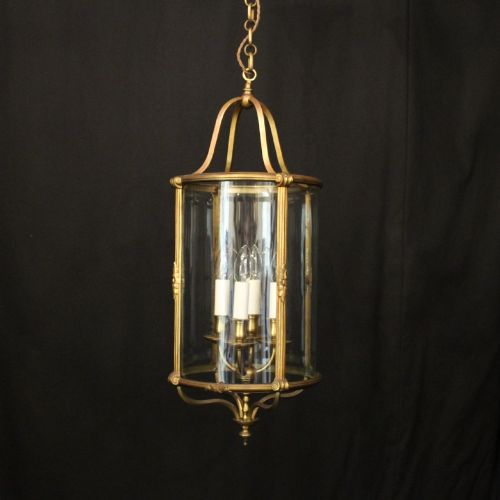
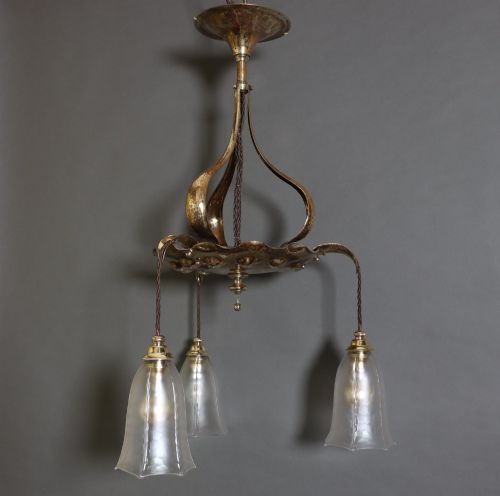
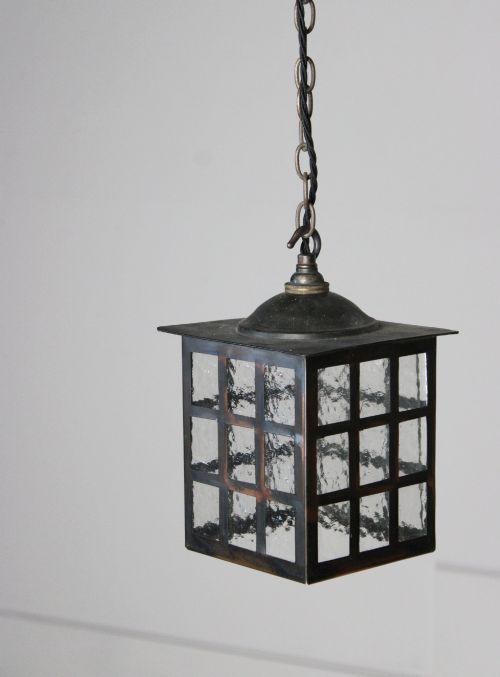
When you search for an antique hanging light fixture, you encounter a diverse array of ceiling-mounted illumination spanning the Victorian, Edwardian, and Art Deco eras, alongside early twentieth-century designs. These pieces range from substantial multi-arm chandeliers and multi-light pendant lights to enclosed hall lanterns and leaded glass porch lights.
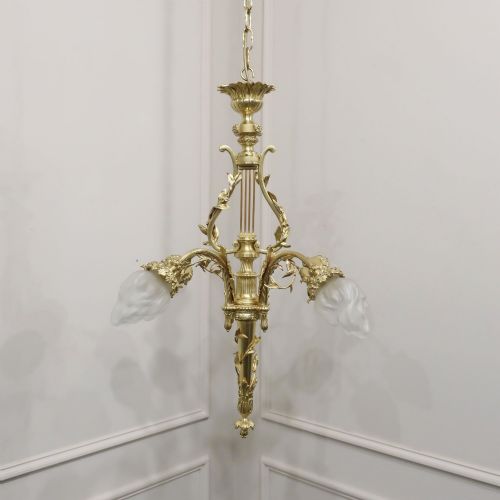
The version you are most likely to meet on this page is a French or English creation dating from the late nineteenth century through to the 1930s. Brass and gilt bronze frames dominate the selection, frequently dressed with crystal lustres, cut glass, or bevelled glass panels in styles that include French Neoclassical, Arts and Crafts, and early twentieth-century industrial forms.
Materials and construction
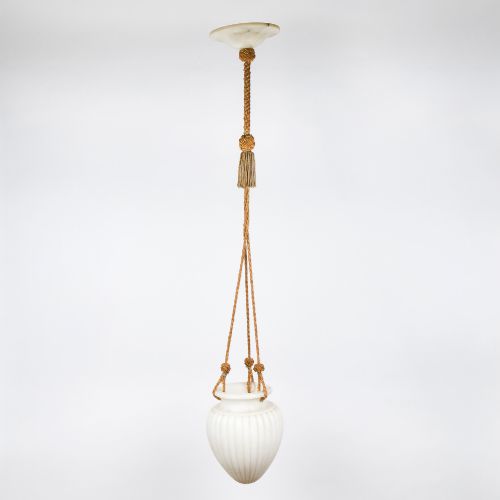
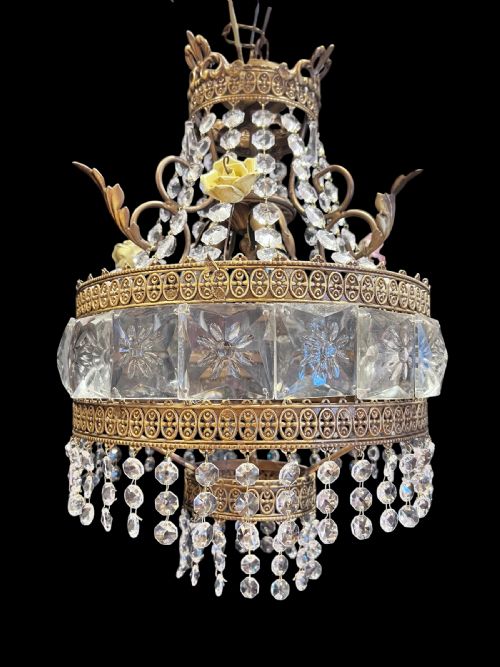
Makers constructed these fixtures using cast and spun brass, gilt bronze, copper, and gilt metal to form sturdy structural frames. Many examples incorporate intricate gesso and giltwood, painted tolewear, or ceramic floral elements alongside specialised metalwork.
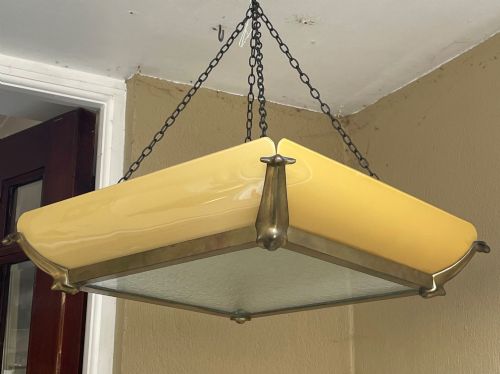
Lighting components rely heavily on glass manipulation, utilising hand-blown moonstone glass, moulded art deco shades, leaded stained glass, and heavy cut crystal or drop lustres. Frames are assembled with pins, screws, and soldered joints designed to support the weight of heavy glass and metal branches safely from the ceiling.
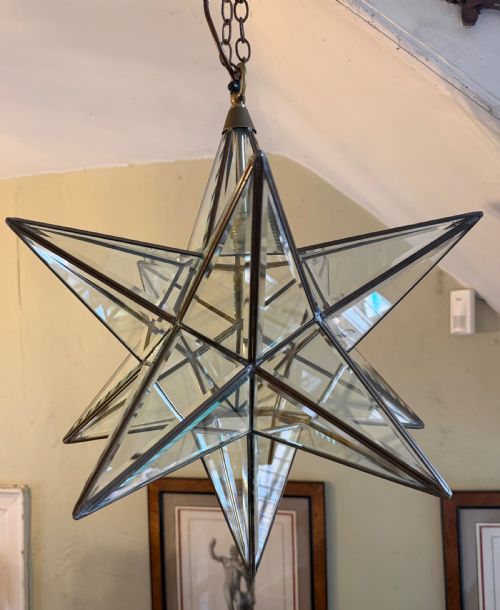
Several fixtures take the celestial form of a bevelled glass Moravian star, bringing literal starlight indoors.
Assessing quality and execution
Quality reveals itself in the crispness of the casting work and the depth of the gilding or patination on the metal frames. Superior examples display refined hand-chiselling on bronze components and robust structural engineering that securely distributes the weight of multi-arm chandeliers.
Glass elements further distinguish the tier of a piece, separating standard press-moulded shades from hand-cut crystal lustres and heavy bevelled glass panes fitted precisely into lantern frames. The integration of decorative details such as porcelain flowers or leaded came work indicates the level of artisan labour invested in the original commission.
Émile-Jacques Ruhlmann
The Antique Hanging Light Fixture Glossary
- Chandelier
- A branched, ceiling-mounted lighting fixture designed to hold multiple bulbs or candles. They often incorporate glass or crystal pendants to reflect and amplify the illumination.
- Plafonnier
- A ceiling-mounted bowl light or flush-fitting dome light that sits close to the ceiling surface. These often utilise frosted or moonstone glass to diffuse light evenly across a room.
- Hall lantern
- An enclosed hanging light fixture designed primarily for entranceways and corridors. They frequently feature glazed sides housed within a brass, copper, or gilt bronze framework.
- Lustre
- A cut glass or crystal pendant suspended from a chandelier or light fixture. These ornaments catch and refract light from the bulbs.
- Tolewear
- Painted or lacquered sheet metal utilised for decorative effect on light fixtures. It often mimics organic forms such as leaves and ceramic flowers.
Antique Hanging Light Fixture: Frequently Asked Questions
What is an antique hanging light fixture?
An antique hanging light fixture is a ceiling-suspended source of illumination dating from past centuries, encompassing chandeliers, pendants, and lanterns.
These pieces utilise materials like brass, bronze, crystal, and glass to combine functional illumination with distinct period decorative styles.
How were these fixtures originally used?
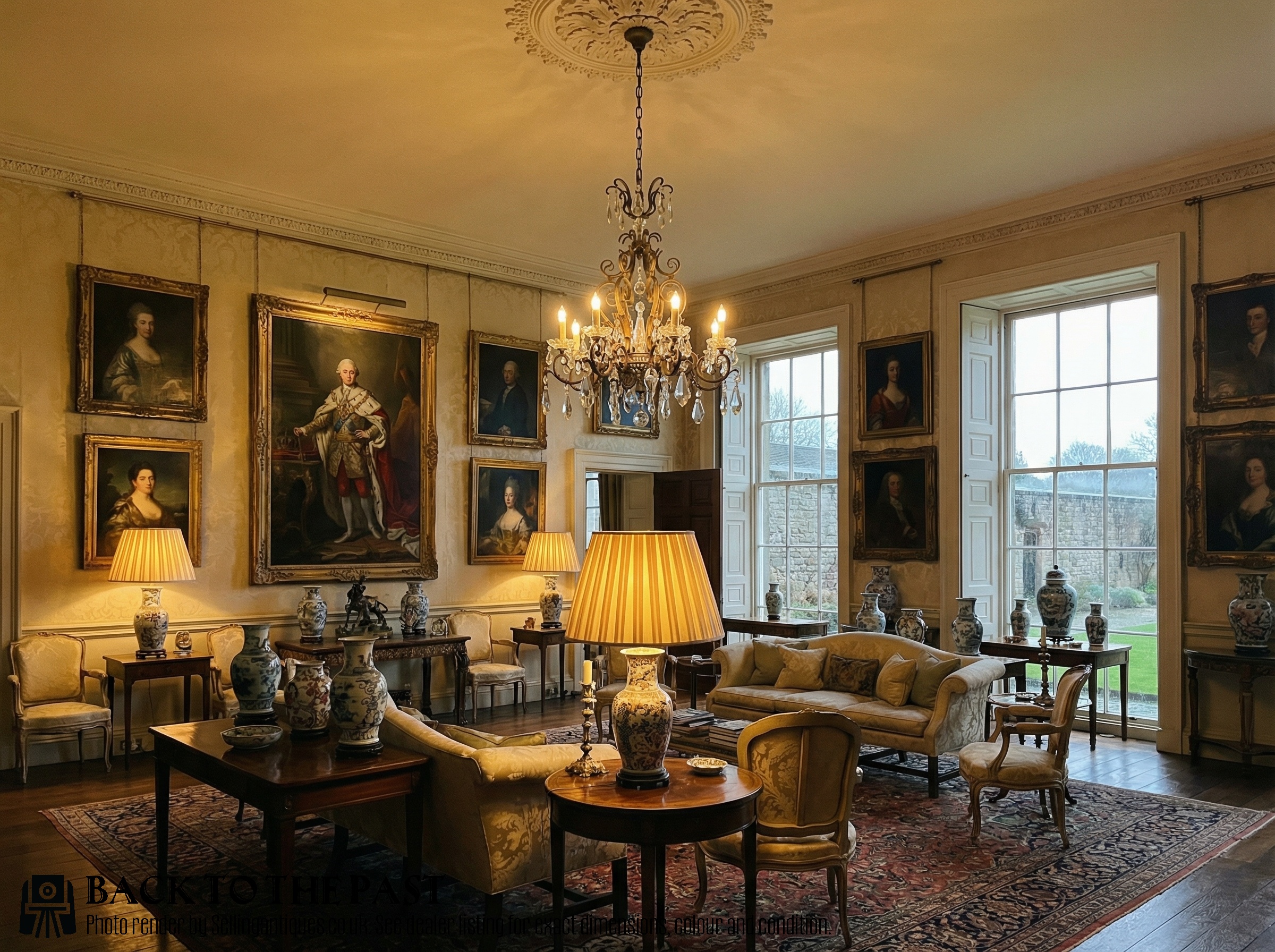
Original placement depended on the specific form, with grand multi-arm chandeliers hung in principal reception rooms and dining spaces for maximum visual impact.
Smaller pendants and glazed lanterns served narrower spaces such as hallways, vestibules, and stairwells where controlled, directional illumination proved necessary.
How do I live with antique lighting?
Living with these pieces involves integrating historic wiring standards with modern electrical safety requirements by consulting a qualified electrician before installation.
Their physical weight and drop height must be carefully measured against ceiling capacities and room proportions to ensure secure mounting and comfortable clearance.
How do I tell periods apart?
Distinguishing periods relies on observing stylistic markers, such as heavy gesso and ornate scrolling typical of Victorian designs versus the geometric simplicity of Art Deco.
Materials and construction techniques also shift over time, moving from nineteenth-century sand-cast bronzes toward lighter early twentieth-century brass frames and pressed glass shades.