




Antique Handmade Rug
An antique handmade rug brings nomadic and village weaving traditions into modern interiors through authentic tribal patterns and natural materials.
Antique Handmade Rug
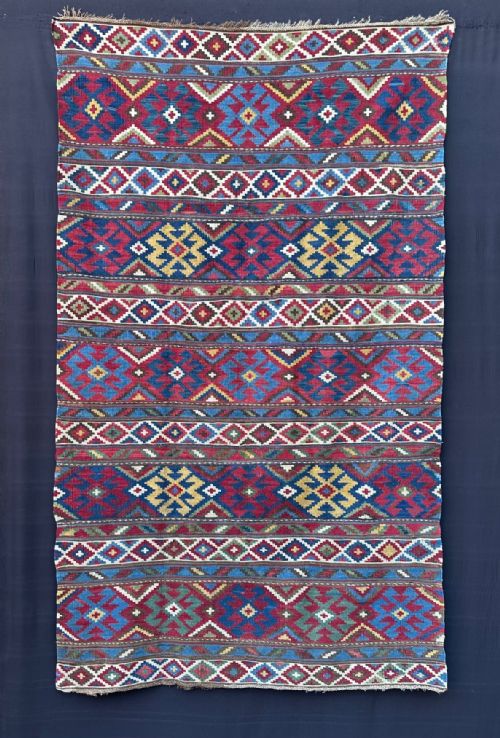
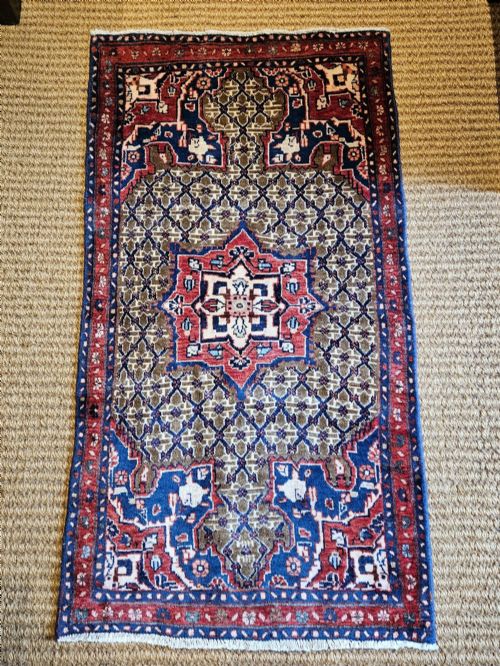
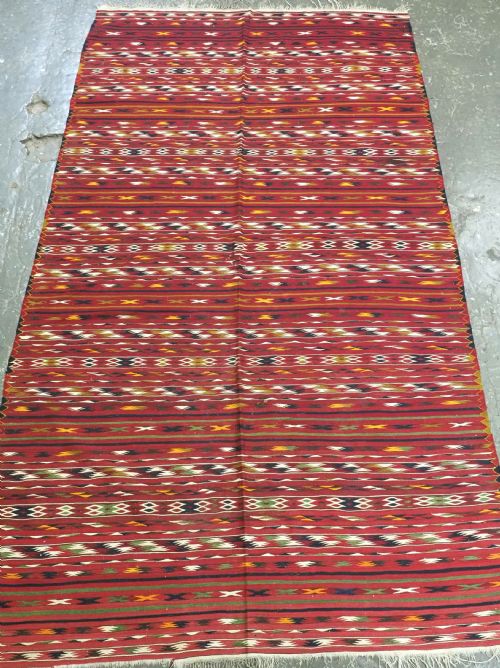
An antique handmade rug encompasses tribal and village floor coverings, dowry bags, cushions, and flatweaves originating from Persia, the Caucasus, Anatolia, and Central Asia. These textiles span periods from the mid-nineteenth century through the early twentieth century, reflecting distinct regional designs created by specific nomadic confederations and village weavers.
Forms extend beyond standard floor rugs to specialised items such as salt bags, water-pipe bags, and decorative cushions fashioned from older kilim fragments. Each piece carries the structural characteristics and specific wool qualities of its particular weaving origin.
How they were made
Weavers constructed these textiles predominantly using hand-spun wool for the pile and surface designs, supported by sturdy cotton warps or foundation threads in specific regional pieces. Goat hair also appears in structural elements where additional resilience is required for nomadic use.
Production techniques rely on traditional hand-knotting and flatweaving methods executed on portable vertical or horizontal looms. Artisans utilised natural dye sources to achieve the deep colour palettes observed across the nineteenth and early twentieth-century examples.
The listings span multiple decades of nineteenth and twentieth-century production, utilising hand-spun wool, cotton warps, and goat hair across diverse regional styles.
What varies in quality
Knot density and structural tightness dictate the tactile grade of a weave, with finer examples displaying exceptional precision in complex geometric or figurative layouts. The crispness of tribal motifs and the harmonious saturation of natural dyes distinguish superior textile execution.
The integrity of the wool foundation and the preservation of original selvedges and ends determine the structural longevity of the piece. Superior examples maintain structural soundness alongside vibrant colour distribution across the field.
The Antique Handmade Rug Glossary
- Kilim
- A flatwoven carpet or rug produced without a pile. These pieces rely on tightly packed weft threads concealing the warp to form geometric patterns.
- Torba
- A small storage bag produced by Turkmen nomads. These rectangular textiles were traditionally hung inside a yurt.
- Chuval
- A large tent bag used by nomadic tribes for household storage. They frequently feature repeating guls across the main field.
- Gul
- A primary medallion or octagonal motif repeated across Turkmen and Central Asian tribal weavings. Each design often identifies a specific tribe or clan.
- Sofreh
- A spread or cloth used for sharing meals or kneading bread within Persian and tribal households. They often display minimalist geometric fields.
Antique Handmade Rug: Frequently Asked Questions
How do I clean an antique rug?
Surface dust should be removed gently using a brushless suction setting on a standard vacuum, avoiding the fringe areas entirely. Professional textile conservators who specialise in historic pile and flatwoven pieces should handle any deep washing.
Water exposure must be strictly controlled to prevent dye bleeding within the natural wool and cotton fibres. Immediate blotting with a dry white cloth manages accidental spills without rubbing the pile.
Where were these tribal rugs made?
The pieces originate across a broad geographic expanse encompassing Persia, Anatolia, the Caucasus, and Central Asian regions. Specific tribes such as the Qashqai, Baluch, and various Turkmen groups produced these textiles within their traditional territories.
Nomadic confederations and settled village communities each developed distinct structural methods and iconography. These localized practices allow textiles to be traced back to specific provinces and nomadic camps.
Can I use these rugs on the floor?
Most pieces function effectively on domestic floors when paired with a breathable, high-quality rug underlay to prevent sliding and friction. Areas with moderate foot traffic suit sturdier pile rugs, while delicate flatweaves or smaller bag faces benefit from placement in lighter traffic zones.
Placing historic textiles away from direct, continuous sunlight preserves the natural dyes used in the wool. Regular rotation ensures even wear across the surface of the piece over time.
How are different tribes identified?
Attribution relies on analyzing the specific structural geometry, border arrangements, and repeating medallion motifs characteristic of particular regions. Colour choices, such as specific shades of red and blue, provide additional clues to the origin of the weavers.
Foundation materials, including the presence of goat hair or specific wool characteristics, help confirm tribal provenance. Examining the knotting style and end finishes further differentiates one weaving group from another.