




Antique Hand Study
These antique hand study pieces capture detailed representations in wood, porcelain, and paper that collectors prize for their precision and artistry.
Antique Hand Study
An antique hand study encompasses a diverse range of objects created to observe and record subjects from nature, portraiture, and craftsmanship. Buyers encounter carved wooden animals, botanical engravings, and painted porcelain plates that reflect careful observation of their subjects.
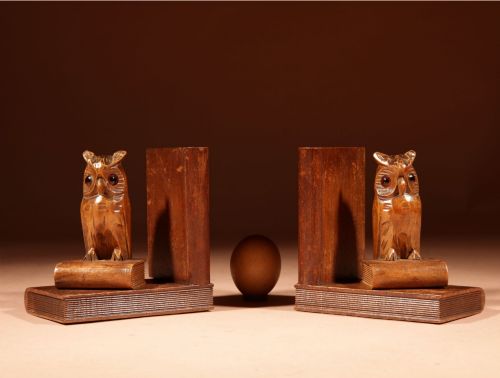
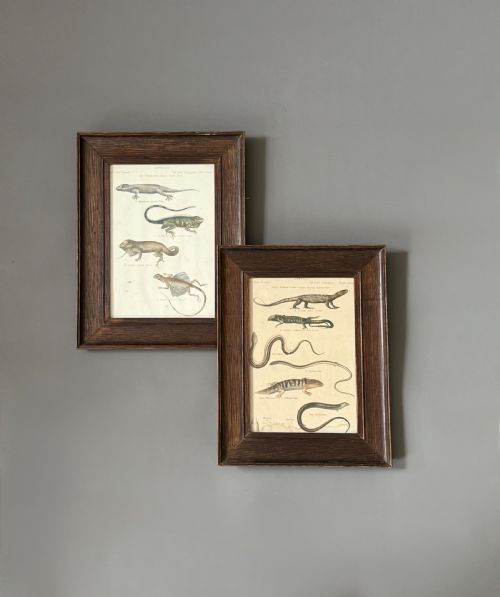
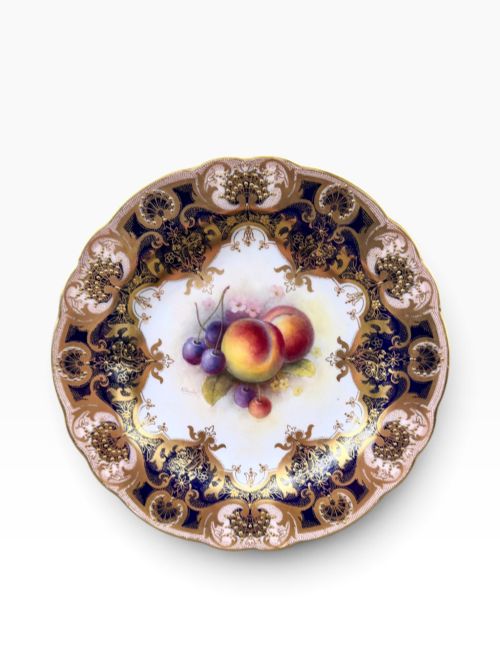
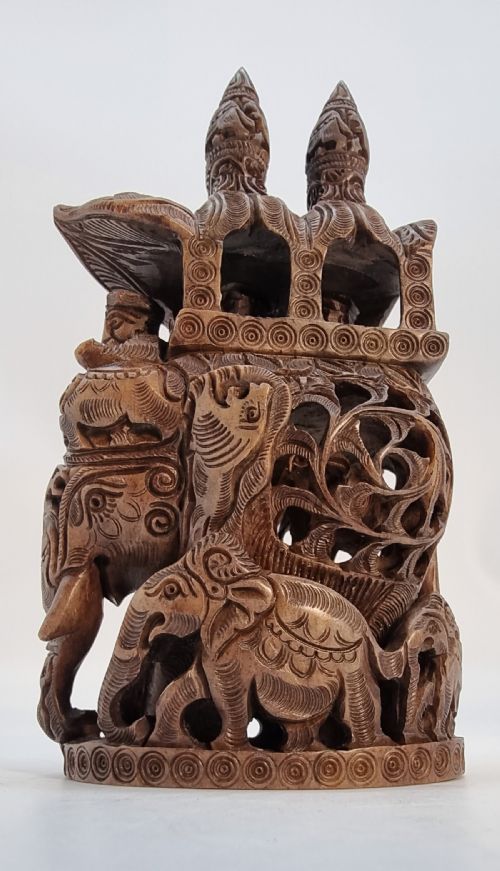
The selections span the Victorian and Edwardian eras, alongside pieces from the early twentieth century. Formats range from Black Forest bookends and carved hardwood elephants to hand-coloured botanical prints and painted fruit porcelain.
These works bridge the gap between scientific record and decorative art, serving as focused explorations of specific forms. They offer a tangible connection to historical methods of study and observation.
Materials and Construction
Carved pieces rely on dense timbers such as walnut, oak, padauk, and satinwood, often shaped with hand tools to define muscular forms or anatomical details. Soapstone and bone also appear in animal studies, providing contrasting textures and weights.
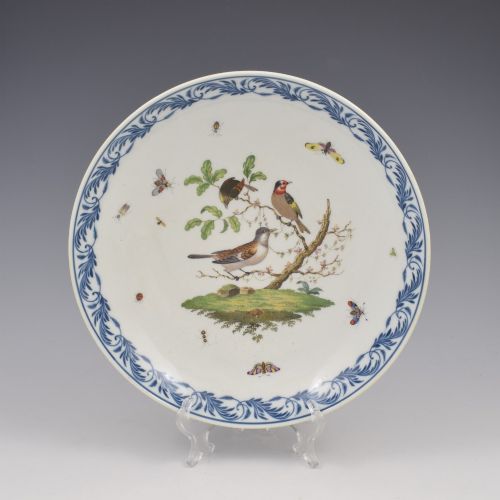
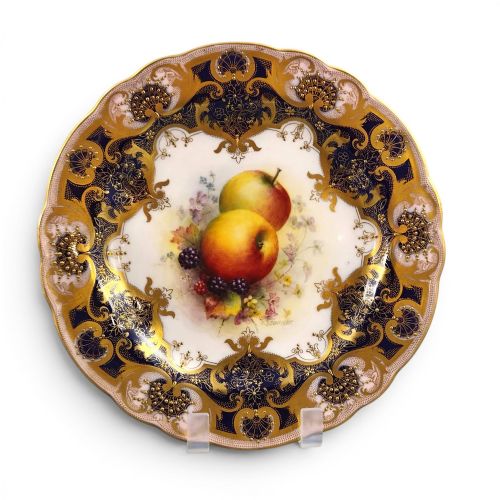
Porcelain items utilise high-fired ceramic bases painted by hand with naturalistic fruit, bird, and floral subjects, then glazed and kiln-fired. Paper works employ copperplate engravings and watercolours, finished with hand-applied colour washes.
Antique Hand Study Retail Price Guide 2026
Typical asking prices for hand study among the pieces listed under this phrase on Sellingantiques today, from the lower quarter to the upper quarter. They describe what is for sale here now, not the wider market.
The selections span periods from the eighteenth century to the mid-twentieth century, featuring materials such as porcelain, satinwood, brass, and bone.
Evaluating Quality and Execution
The calibre of an antique hand study rests upon the precision of the maker's hand and the fidelity of the representation. Superior carvings show a deep understanding of anatomy in subjects like horses, deer, and elephants, whereas lesser examples lose anatomical conviction in stiff lines.
Painted porcelain and works on paper derive their standing from the delicacy of the brushwork and the subtlety of the colour palette. Skilled artists render botanical subjects and fruit with tonal nuance, while standard pieces rely on heavier, less expressive application.
William Bird MD FLS·Royal Worcester·Albert Shuck·Richard Sebright·John Curtis·George Dionysius Ehert·P Love·Ricketts
The Antique Hand Study Glossary
- Black Forest
- A style of wood carving originating from Switzerland and Germany, typically depicting woodland animals with realistic detail. These pieces frequently take the form of bookends or ornamental figures.
- Engraving
- A printmaking process where an artist cuts an image into a metal plate with a sharp tool to hold ink. Hand-coloured examples receive their hues with watercolour washes after printing.
- Satinwood
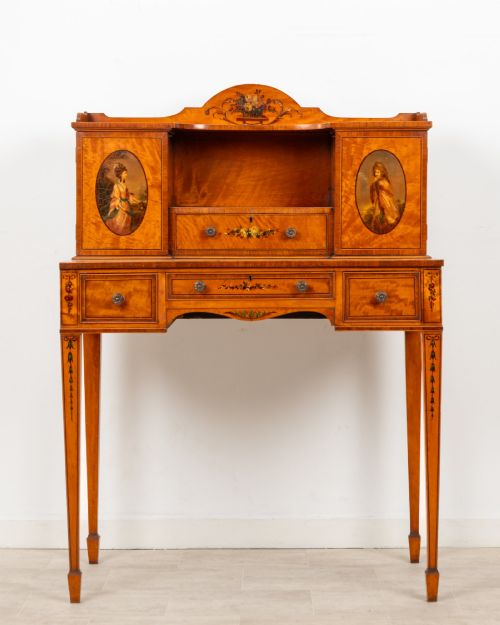
- A durable, light-coloured tropical hardwood often polished to a high sheen and utilised for fine Edwardian and Victorian desks. It provides a smooth canvas for painted decoration.
- Ornithological
- Pertaining to the scientific study or depiction of birds. In antiques, this describes detailed plates and watercolours recording avian species.
- Hardwood
- Timber derived from broad-leaved trees such as mahogany, walnut, and teak. These dense woods resist denting and allow for intricate, deep-relief carving.
Antique Hand Study: Frequently Asked Questions
What defines an antique hand study?
These items represent focused artistic or scientific observations rendered in media such as carved wood, painted porcelain, and hand-coloured paper. They reflect historical interests in natural history, portraiture, and fine craftsmanship.
Collectors prize them for their individual character and the specific skill required to capture realistic forms by hand.
How were carved wooden animal studies used?
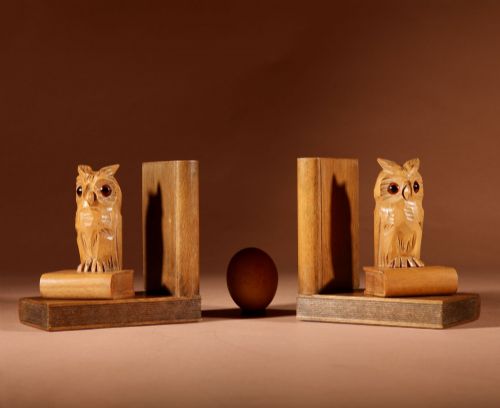
Carved animal studies functioned primarily as decorative ornaments on desks, mantelpieces, and library tables during the nineteenth and early twentieth centuries. Some specific forms, such as carved owls, doubled as functional bookends.
They demonstrated the owner's appreciation for nature and craftsmanship, fitting easily into study or library interiors.
How can I tell Victorian pieces from later works?
Victorian examples often display heavier timber choices, deeper relief carving, and traditional dark polishes. Pieces from the 1920s and 1930s frequently employ lighter finishes, streamlined forms, and brighter porcelain palettes.
Examining the base materials, signature styles, and recorded dates helps place an object within its correct decade.