

Antique Hand Knotted Rug
An antique hand knotted rug brings centuries of village and nomadic weaving traditions directly onto your floor through durable wool and distinct regional designs.
Antique Hand Knotted Rug
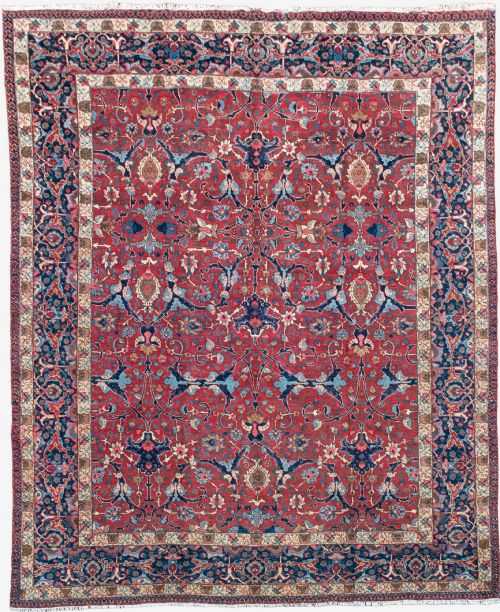
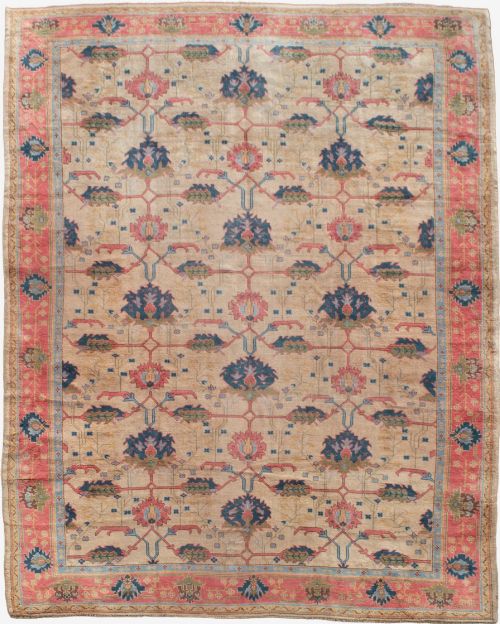
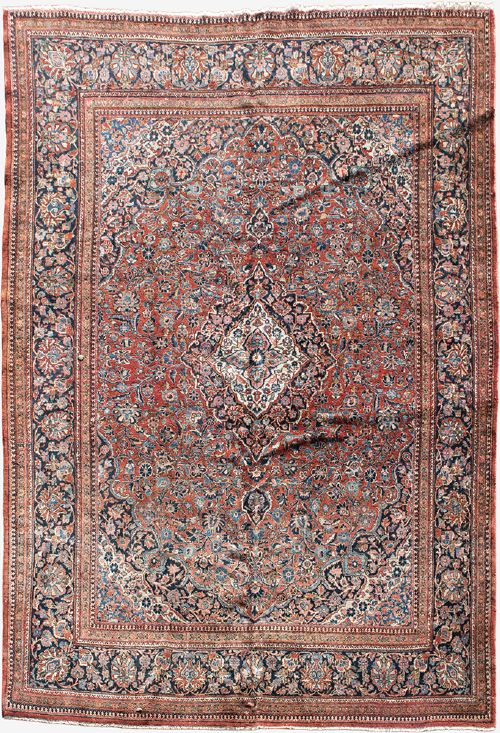
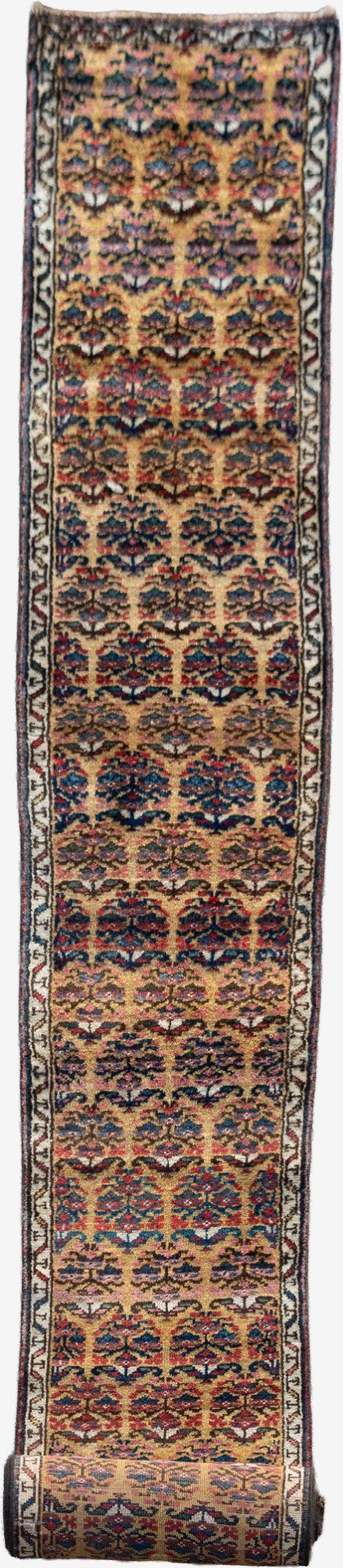
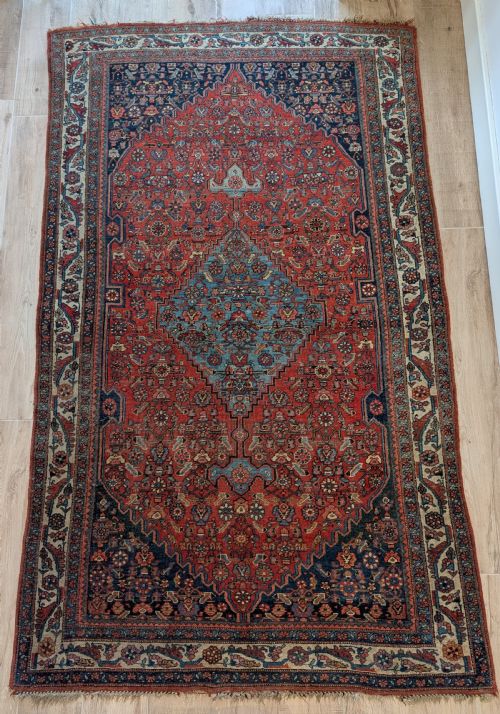
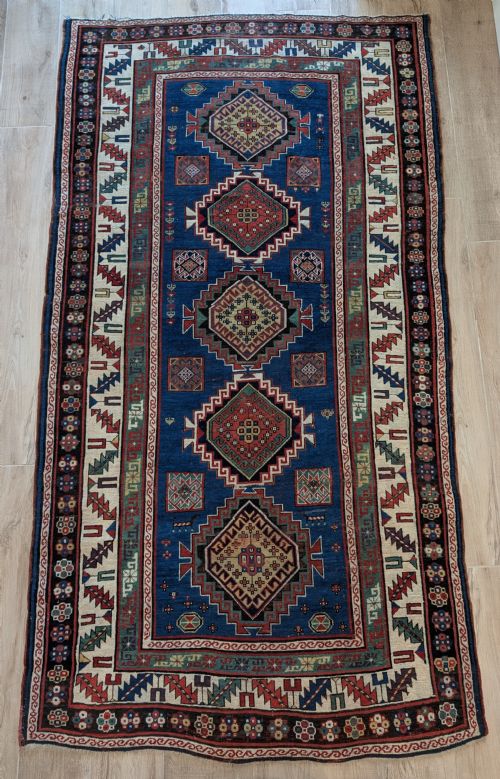
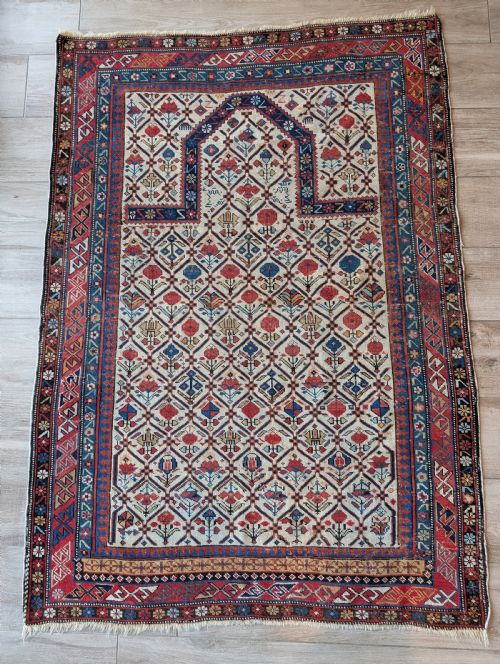
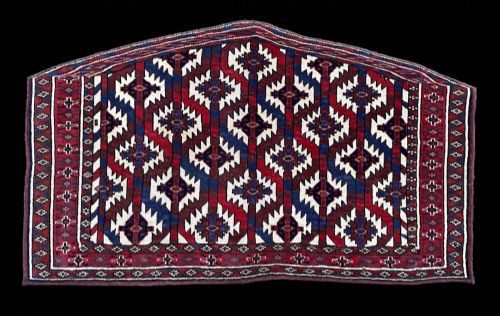
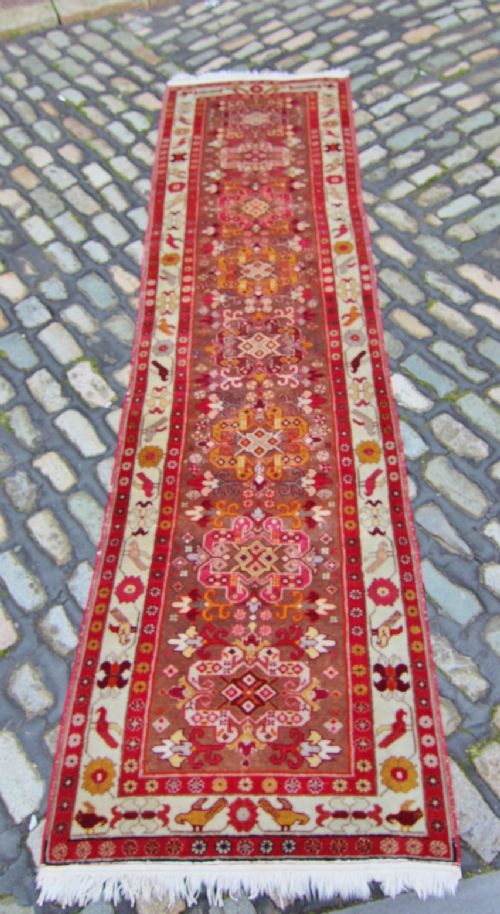
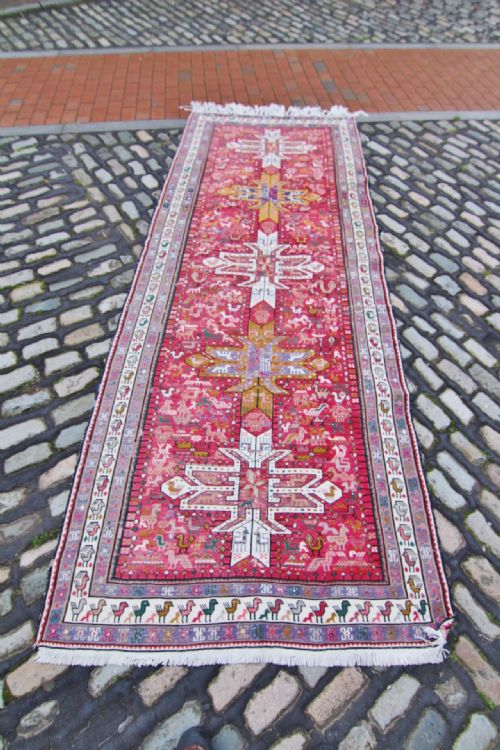
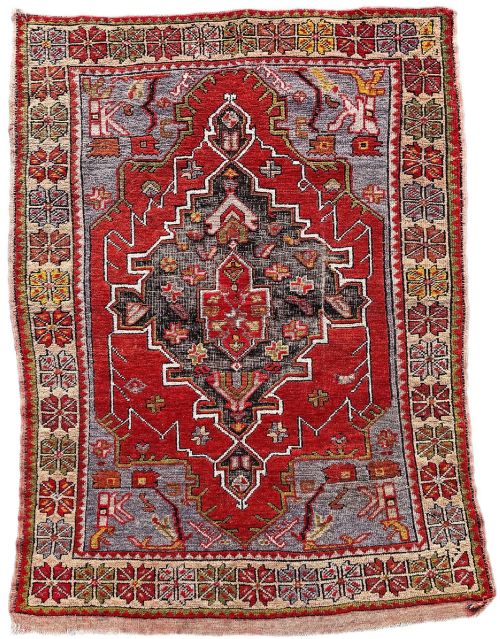
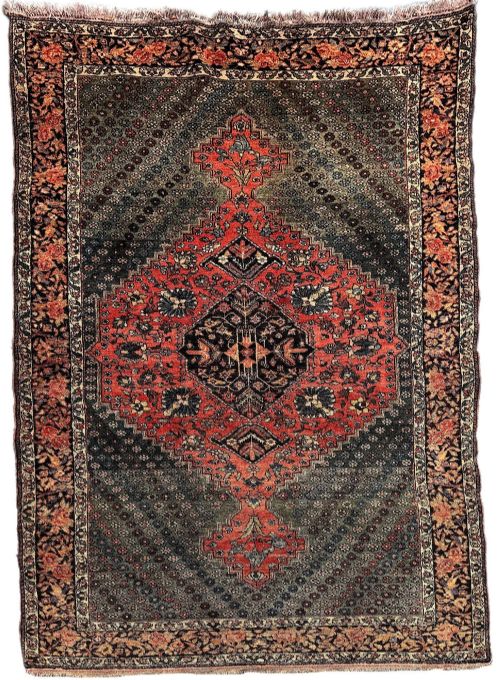
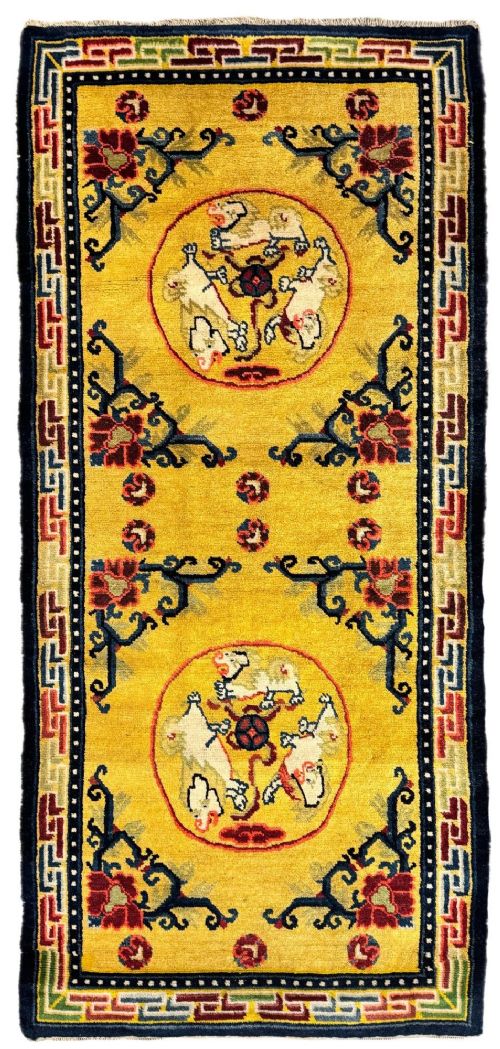
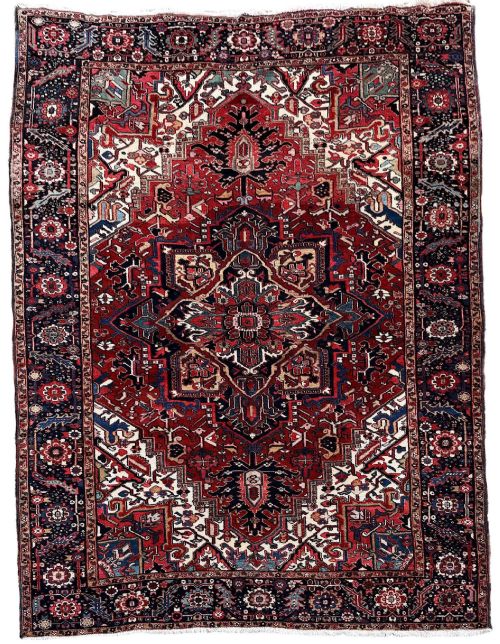
When searching for an antique hand knotted rug, you encounter floor coverings woven across Persia, the Caucasus, Anatolia, Turkmenistan, and Tibet during the nineteenth and early twentieth centuries. These pieces encompass large room-size carpets, narrow runners, square area rugs, and focused prayer rugs intended for domestic or ritual use.
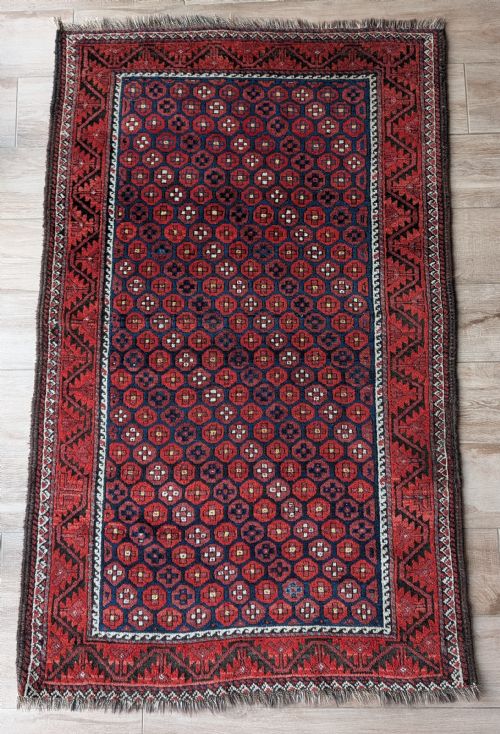
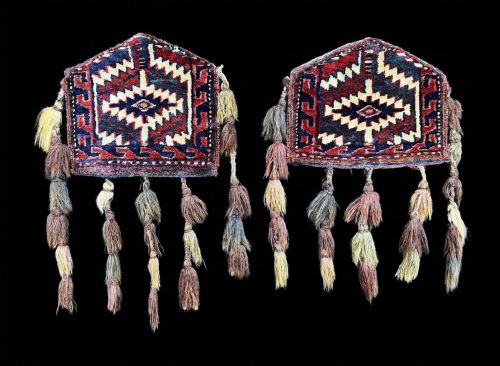
The most common examples on this page are Persian village and city weaves, alongside Caucasian tribal pieces and Turkmen main carpets. Makers structured these textiles as large carpets, long runners, or smaller formats like saddle covers and prayer rugs.
Dates span from the 1870s through the 1930s, utilising traditional regional motifs and structures passed down through generations of weavers. Each piece reflects the specific village, tribe, or town of its origin, from Heriz and Tabriz to Oushak and Kazak.
How They Were Made
These textiles rely on foundations of cotton or wool, onto which weavers individually knot piles of wool, hand-spun wool, and occasional silk highlights. Natural dyes provide the palette, yielding stable, rich tones that mellow gracefully over decades of use.
The construction depends entirely on manual knotting around warp and weft threads rather than mechanical loom weaving. Village workshops and nomadic camps utilised upright looms where weavers tied symmetrical or asymmetrical knots by hand row by row.
Antique Hand Knotted Rug Retail Price Guide 2026
Typical asking prices for hand knotted rug among the pieces listed under this phrase on Sellingantiques today, from the lower quarter to the upper quarter. They describe what is for sale here now, not the wider market.
Some nineteenth-century weavers inserted tiny misplaced knots of brightly dyed wool, creating secret colour blips meant to ward off bad luck.
What Varies In Quality
Quality rests upon the fineness of the knot count, the precision of the geometric or floral drawing, and the depth of the wool. Tighter knots and carefully spun wool create a denser pile that holds intricate details and resists heavy foot traffic.
The selection of dyes dictates visual harmony, as natural dyes age with greater complexity than early synthetic compounds. Superior examples combine balanced proportions, clear iconography, and resilient materials selected by experienced weavers.
The Antique Hand Knotted Rug Glossary
- Warp
- The vertical foundation threads stretched tightly on a loom before weaving begins. All knots are tied around these stationary parallel strands.
- Weft
- The horizontal threads passed alternately over and under warp threads between rows of knots to secure the structure. They bind the woven fabric firmly together.
- Pile
- The dense, upright surface of cut yarn loops that forms the soft texture of the rug. This upper layer displays the pattern and absorbs everyday wear.
- Mihrab
- The arched design element found on prayer rugs representing the direction of Mecca. Weavers position this niche to direct the worshipper's focus during daily prayers.
Antique Hand Knotted Rug: Frequently Asked Questions
Where were these rugs made?
The pieces originate from workshops, villages, and nomadic encampments across Persia, the Caucasus, Anatolia, Central Asia, and Tibet. Specific regions like Heriz, Oushak, and Kazak developed highly distinct local styles.
Towns produced formal court and city carpets with intricate floral patterns, while tribal groups favoured geometric layouts. Geography and local sheep breeds dictated the materials and aesthetic traditions of each area.
Can I use runners in hallways?
Narrow formats function effectively in corridors and entryways to soften timber floors and manage foot traffic. Placing a quality underlay beneath prevents slipping and cushions the foundation against hard surfaces.
Long proportions draw the eye through a space while protecting high-wear pathways. Ensure the thickness of the rug clears bottom door swings before placement.
How do I identify tribal designs?
Tribal designs feature bold geometric polygons, hooked medallions, and stark boteh motifs rather than flowing curvilinear florals. Weavers often worked from memory within nomadic communities, resulting in charming irregularities.
Palettes in these pieces rely on deep reds, indigos, and ivories derived from local plants and minerals. Turkmen, Baluch, and Caucasian pieces demonstrate these characteristic non-figurative compositions.