
Antique Hallmarked Silver
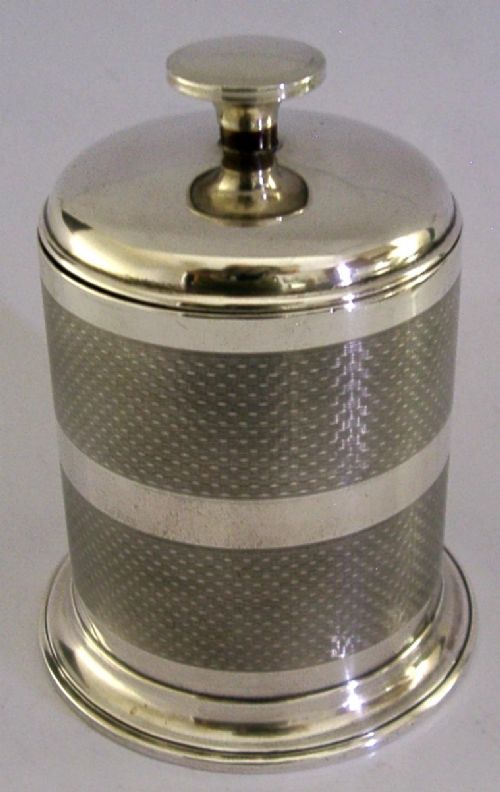
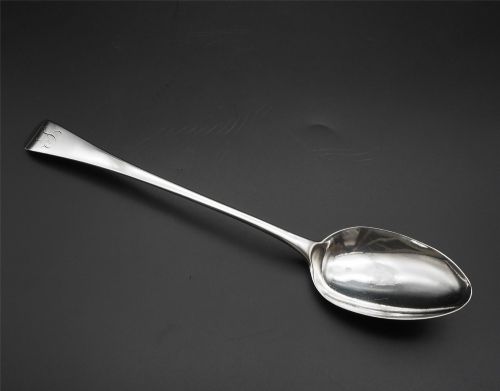
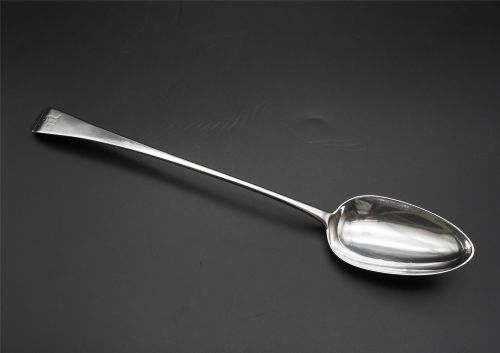
Antique hallmarked silver unites centuries of craft, from Georgian dining table service pieces to Edwardian novelty scent bottles and Art Deco cigarette dispensers.
Antique Hallmarked Silver
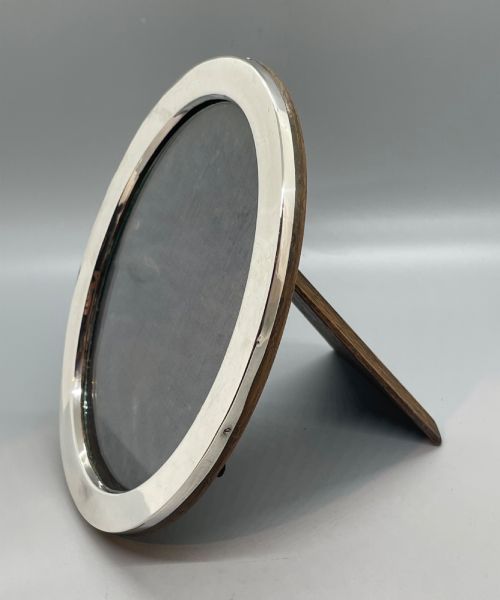
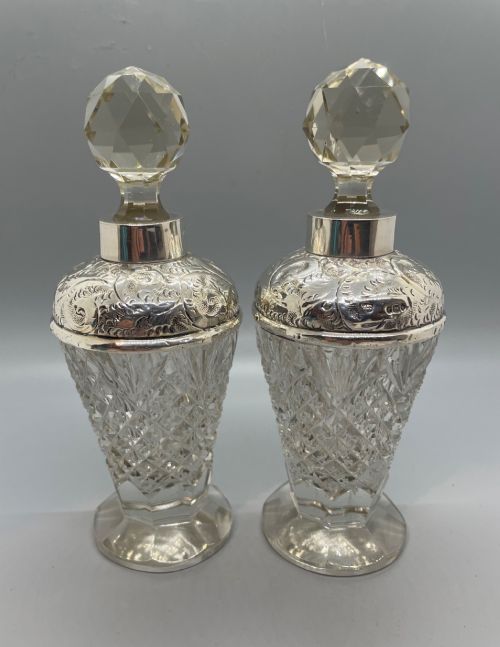
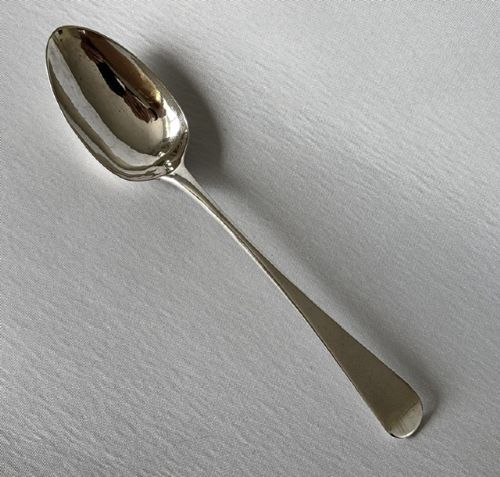
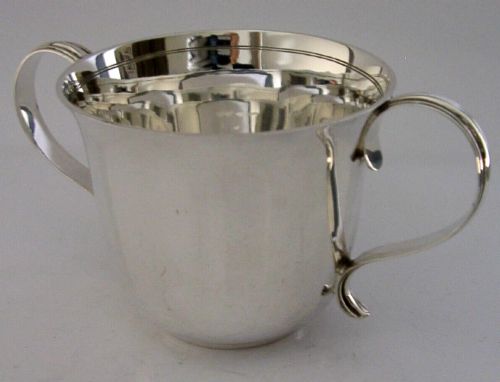
When browsing antique hallmarked silver, buyers encounter a diverse range of functional and decorative items spanning the Georgian, Victorian, and Edwardian eras. Common forms include vesta cases, picture frames, teaspoons, scent bottles, and table bowls created for daily domestic utility.
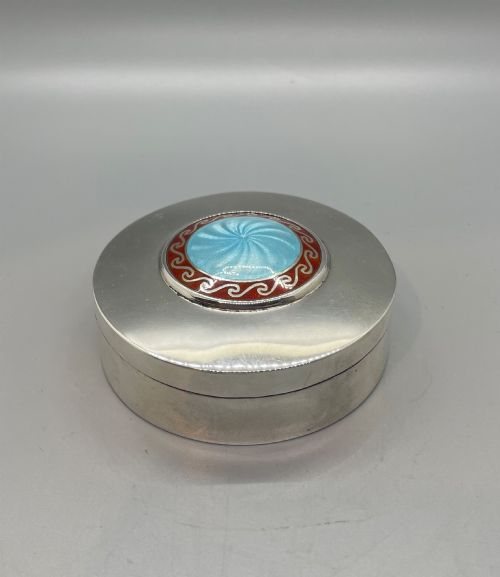
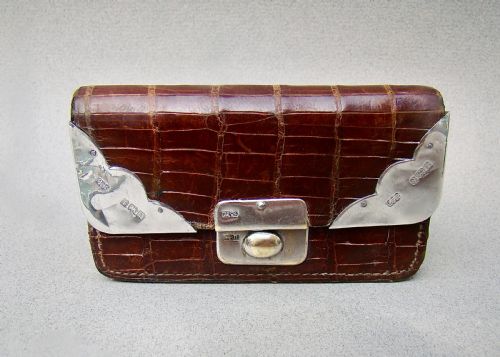
Pieces frequently reflect the aesthetic shifts of their time, moving from ornate Victorian floral engraving to sleek 1930s Art Deco geometries and Arts and Crafts planished surfaces. Objects often combine silver with materials such as glass, leather, enamel, or wood.
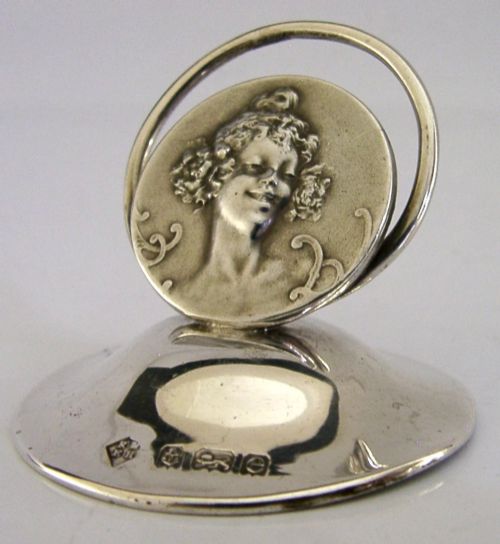
Originating predominantly from British assay offices in cities like London, Birmingham, Sheffield, and Chester, these items carry official marks that verify their metal purity and year of production.
Materials and Techniques
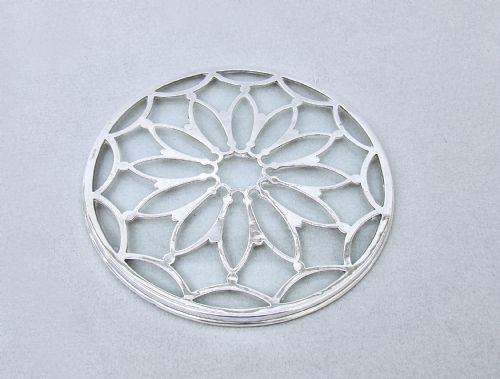
Silversmiths utilised sterling silver alongside standard silver alloys, frequently pairing the metal with cobalt blue glass liners, Bohemian glass, or mother-of-pearl inserts. Construction techniques combined hand-hammering, casting, and piercing to achieve both structural rigidity and delicate ornamentation.
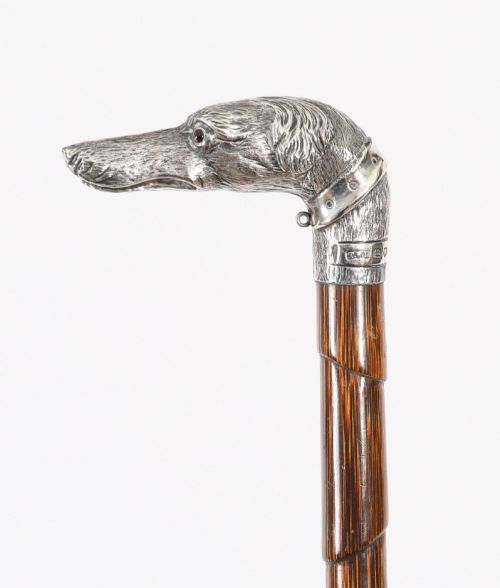
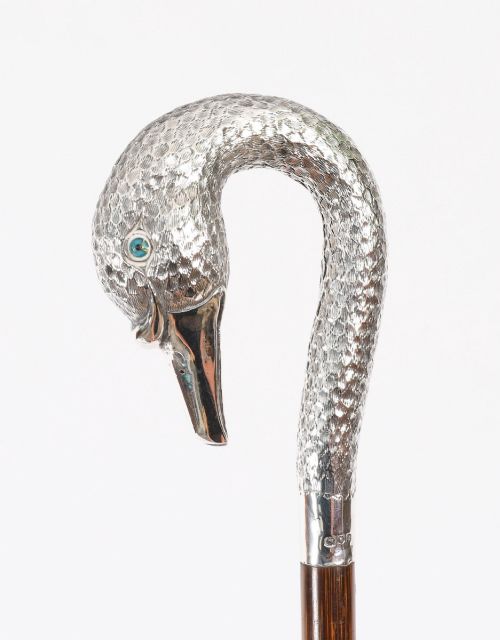
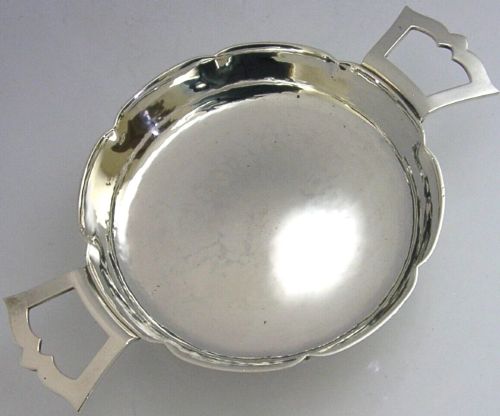
Surface decoration involved chasing, engraving, and planishing, where small hammer marks left a distinct texture visible on Arts and Crafts bowls and quaichs. Mounts were secured to glass decanters, scent bottles, and walking canes using specialised adhesives and mechanical tightening.
Listings include items incorporating glass, velvet, wood, leatherette, enamel, and leather alongside sterling silver.
Evaluating Quality
Quality in these items rests upon the crispness of the assay stamps, the thickness of the metal gauge, and the precision of any hand-engraved detail. Heavy-gauge silver bowls and serving spoons maintain their structural integrity and resist denting far better than lighter alternatives.
Superior pieces display seamless integration between mixed materials, such as tight joints on glass-lined mustard pots and secure bezels holding amber or gemstones. The reputation of the maker, from established firms to specialist silversmiths, further distinguishes standard production items from exceptional works.
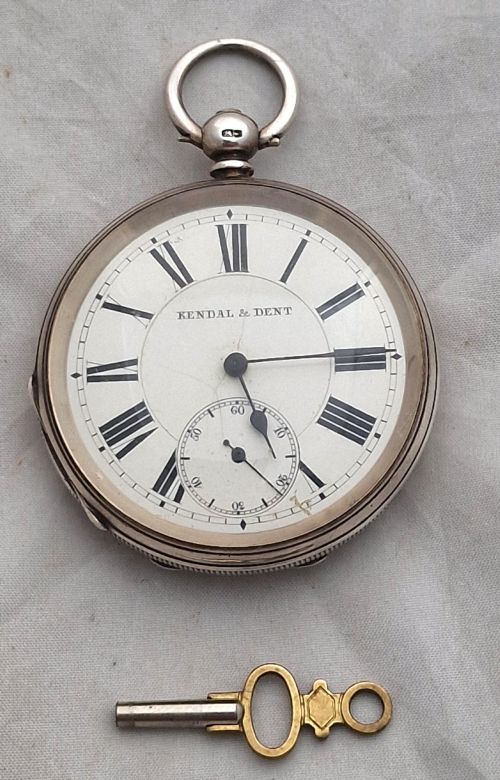
Kendal & Dent·R E Stone·Charles Penny Brown·Harrods Ltd·Rosenthal Jacob & Co·Nathan & Hayes·Martin Hall & Co·Aaron Lufkin Dennison·Levi & Salaman·Howard James·EV Pledge & Son·Samuel Pemberton·Horton & Allday·Henry Matthews·Adie Brothers Ltd·William Comyns & Sons·Robert & David Hennell·Charles Hougham
The Antique Hallmarked Silver Glossary
- Hallmark
- An official stamp applied by an assay office to guarantee the purity of precious metal, the place of testing, and the year of manufacture.
- Vesta case
- A small pocket container specifically designed for holding matches and striking them against a serrated base.
- Quaich
- A traditional two-handled drinking vessel, often shallow in form, originating in Scotland and produced in both silver and wood.
- Planishing
- A silversmithing technique involving repeated light hammer blows to shape metal and create a smooth, faceted surface texture.
- Caddy spoon
- A short-handled spoon created specifically for measuring loose tea leaves from a storage caddy.
Antique Hallmarked Silver: Frequently Asked Questions
What is a silver hallmarked vesta case?
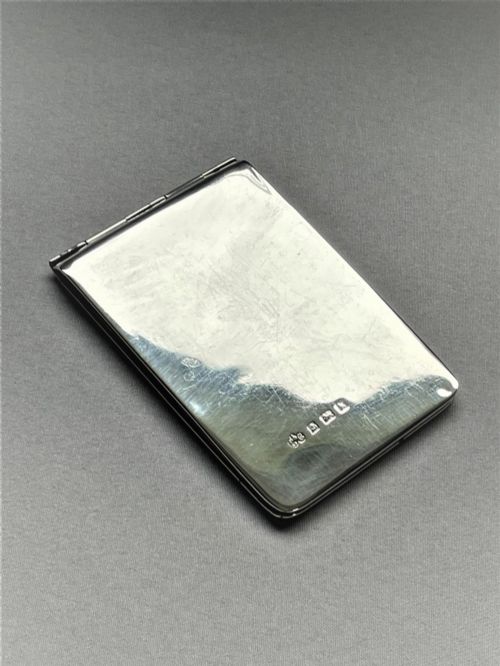
A vesta case is a small, portable box designed to hold matches safely in a pocket or handbag. They feature a hinged lid and a striated panel on the bottom for striking.
Victorian examples frequently display ornate floral engraving, personalized initials, or figural novelty designs shaped like animals or boots.
How do I read silver hallmarks?
British hallmarks typically consist of a sequence of stamps indicating the maker's mark, the standard of silver purity, the assay office city, and a date letter.
Reference guides match these specific symbols and alphabet cycles to determine the exact year and location where the object was tested and approved.
Were silver caddy spoons used for tea?
Yes, caddy spoons were designed for transferring loose tea leaves from a caddy into a teapot. Their short handles allowed them to fit neatly inside storage containers.
Silversmiths produced these spoons in varied novelty shapes, including hands, leaves, and shells, making them popular collector items today.
How should I clean antique silver?
Antique silver benefits from gentle cleaning using a specialised microfibre cloth and a mild silver polish designed to remove tarnish without abrading the surface. Avoid harsh chemical dips that can strip away desirable patination and damage softer inlaid materials like enamel or glass.
Store pieces in dry environments away from direct sunlight to minimise the rate at which tarnish reforms on the metal.