



Antique Grinding Vessel
An antique grinding vessel serves as a heavy, tactile domestic instrument, and collectors prize these robust pieces for their enduring utility and sculptural weight.
Antique Grinding Vessel
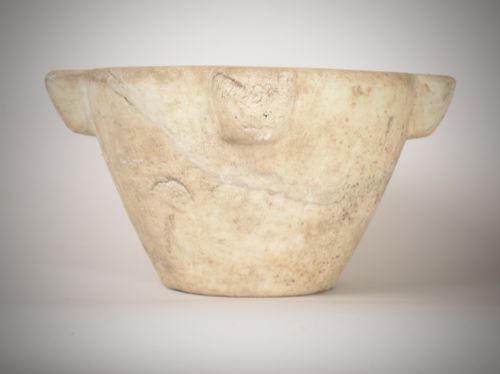
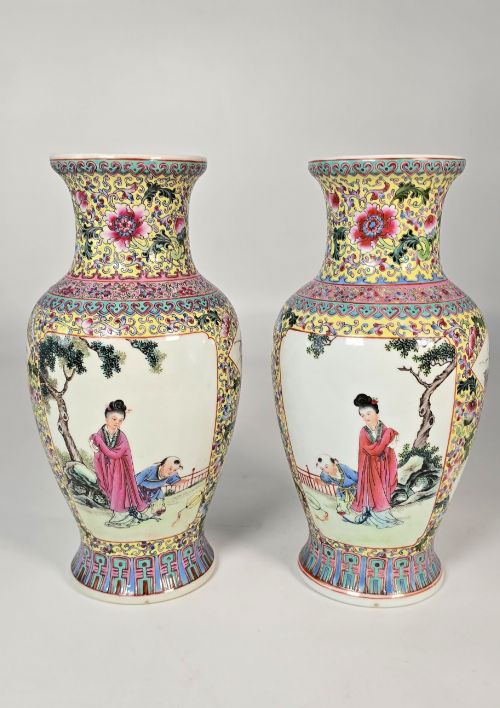
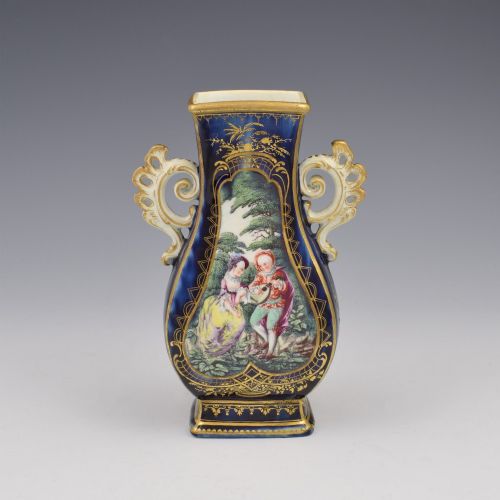
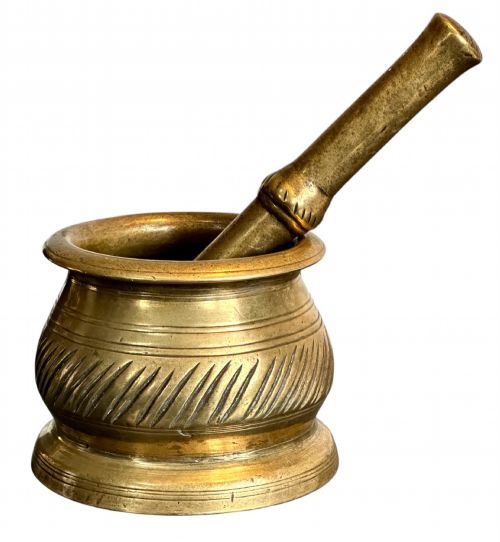
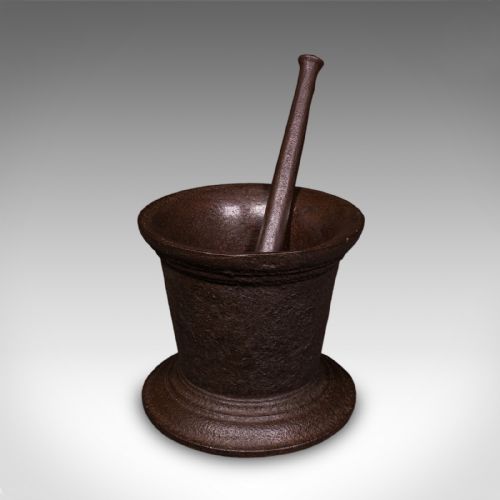
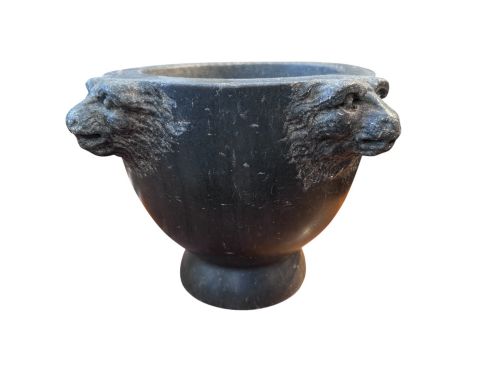
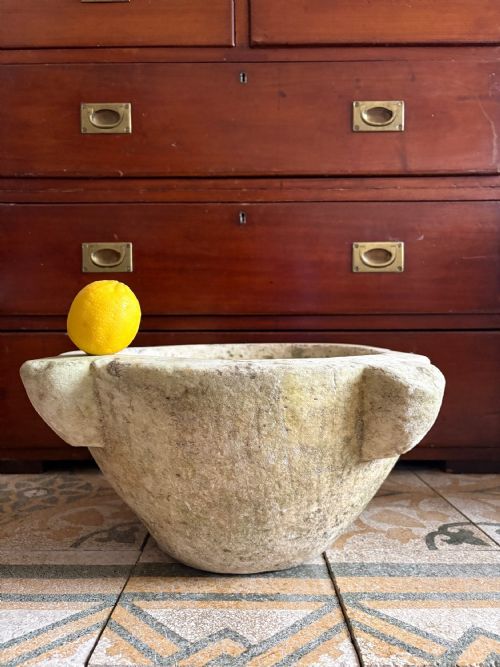
An antique grinding vessel encompasses heavy domestic and apothecary utensils designed for crushing and pulverising various dry or wet substances. The selections here centre primarily upon traditional mortars and pestles, alongside occasional vessels such as ginger jars and vases.
Most examples you encounter span from the seventeenth century through to the Georgian era and nineteenth century. Heavy utilitarian stone, marble, bronze and wood pieces predominate, reflecting a functional history in kitchens, apothecaries and dye-making workshops.
The assortment also includes regional works from English workshops and continental European origins, alongside distinct ceramic forms. Buyers find everything from substantial kitchenware to decorative lidded pails and turned lignum-vitae pots.
Distinctions in quality and execution
Quality rests upon the purity of the material and the integrity of the form, whether that means a cleanly carved marble basin without structural fissures or a densely cast bronze mortar with crisp decorative detailing. Heavier, more substantial objects generally represent the upper tier of utilitarian manufacture.
The presence of matching original pestles elevates the desirability of a mortar and pestle set, as these components are frequently separated over centuries of use. Finer decorative items show careful hand-painting, well-preserved glazes, and precise turning on wooden or metal surfaces.
Listings feature materials spanning bronze, marble, stone, brass, iron, earthenware, enamel, and porcelain across multiple centuries.
Chelsea Porcelain·Royal Doulton
The Antique Grinding Vessel Glossary
- Mortar
- A heavy bowl or vessel in which substances are crushed or ground with a pestle. These items appear in bronze, stone, marble, and wood across various centuries.
- Pestle
- A heavy, club-shaped tool used for pounding and grinding substances within a mortar. They are paired with mortars in metal, stone, and wood.
- Lignum-vitae
- A dense, hard wood derived from trees of the genus Guaiacum, frequently used for turned mortars due to its durability. It resists splitting under heavy impact.
- Basalt
- A fine-grained igneous rock used to manufacture dark, dense utilitarian vessels such as mortars. It provides a heavy, durable surface for grinding.
- Apothecary
- Pertaining to the preparation and sale of medicines, a context that accounts for many surviving metal and turned wooden mortars. These pieces often display practical, robust designs.
Antique Grinding Vessel: Frequently Asked Questions
What were antique mortars used for?
These vessels served primarily in kitchens, apothecary shops and industrial workshops for crushing, grinding and mixing herbs, spices, medicines and dyes.
Their thick walls and heavy bases prevented movement and contained materials while being pounded with a pestle.
How do I identify a 17th-century bronze mortar?
Seventeenth-century bronze pieces typically feature thick cast walls, often decorated with raised ribs, maker marks, or motifs such as the Tudor rose.
They carry a heavy, dark patina accumulated through centuries of handling and environmental exposure.
Are marble mortars from the Georgian period durable?
Georgian marble mortars were carved from solid stone to withstand immense physical pressure without cracking or absorbing liquids.
Substantial pieces weighing many kilograms remain structurally sound for continued display or careful practical use.
Why are wooden mortars made from lignum-vitae?
Lignum-vitae is one of the hardest woods known, containing natural oils that make it exceptionally resistant to wear and moisture.
Turned wooden vessels made from this material provided a tough, non-brittle alternative to stone and metal.