

Antique Grey Side Table
An antique grey side table brings muted tone and practical surface space to a room, drawing on painted pine, oak and mahogany forms.
Antique Grey Side Table
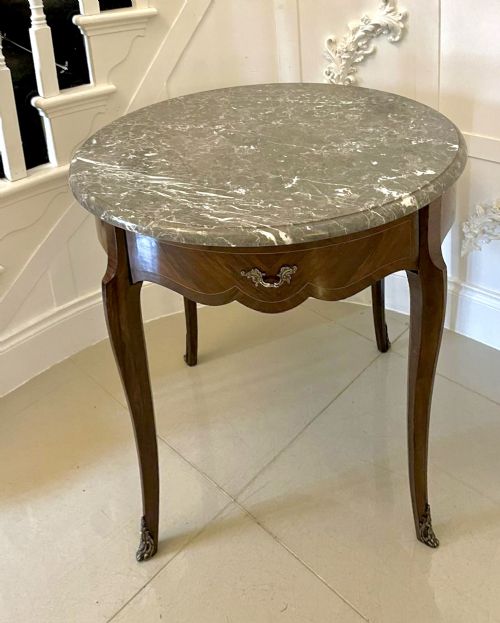
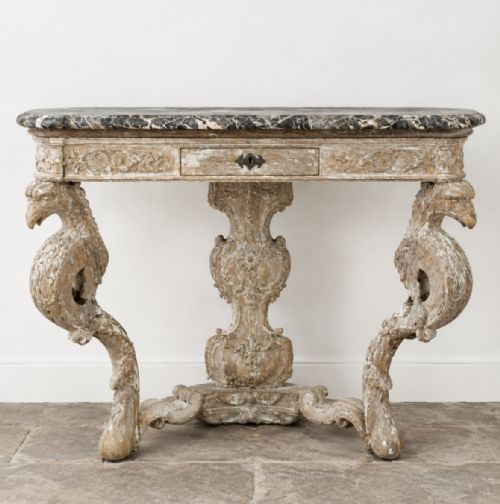
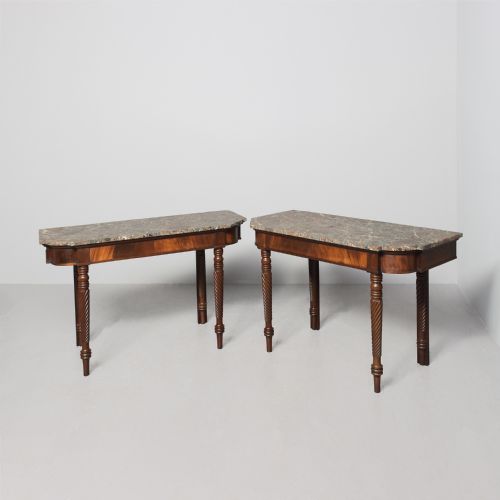
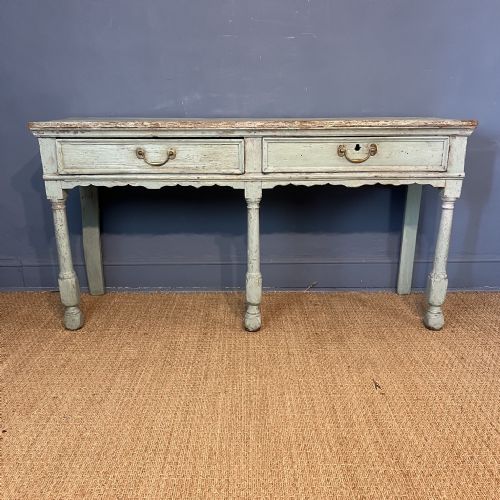
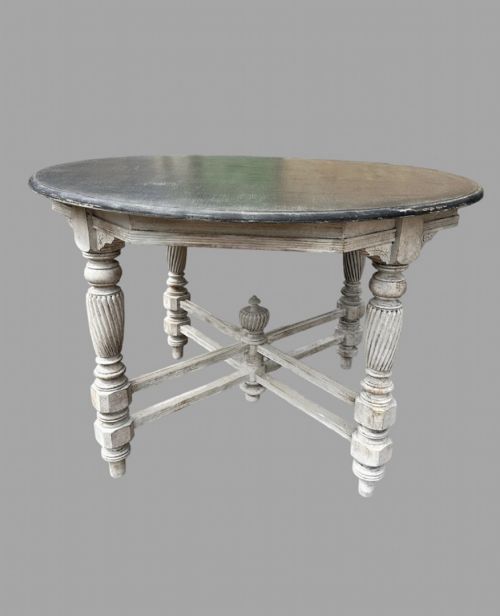
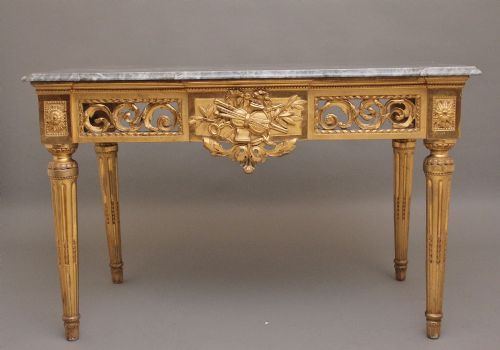
When you search for an antique grey side table, you encounter a variety of painted and polished furniture intended for placement against walls or beside seating. The selection includes console tables, lamp tables, occasional tables and bedside cabinets originating from the eighteenth century through to the Edwardian period.
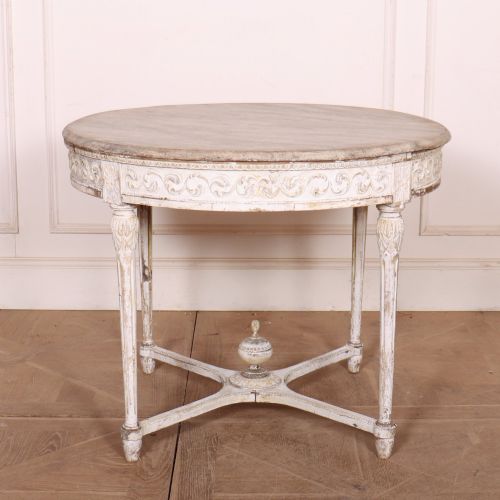
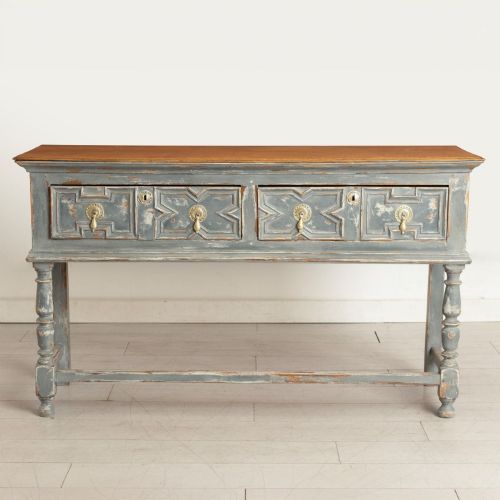
The painted finishes frequently reflect Scandinavian, French and English country traditions, utilising light grey, cream and distressed surfaces. Alongside these painted examples appear pieces in mahogany, oak and pine, sometimes topped with marble or fitted with brass details.
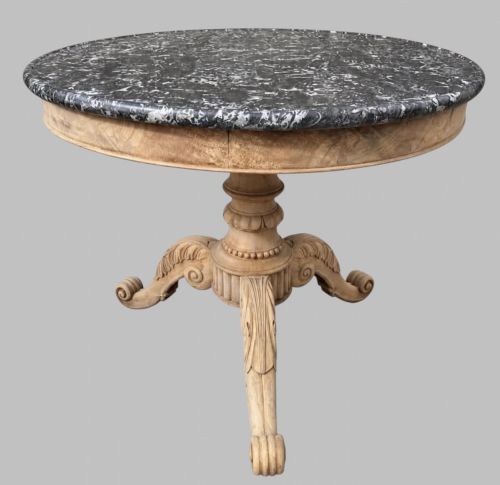
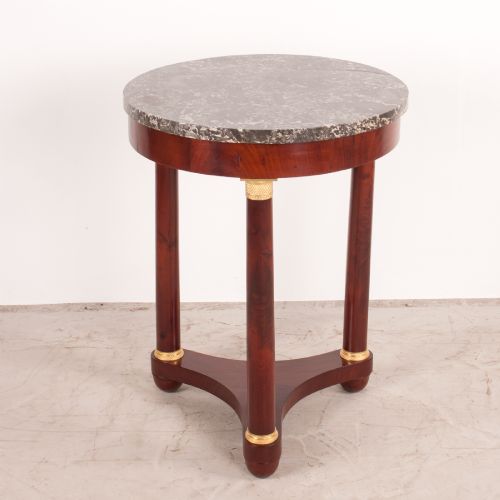
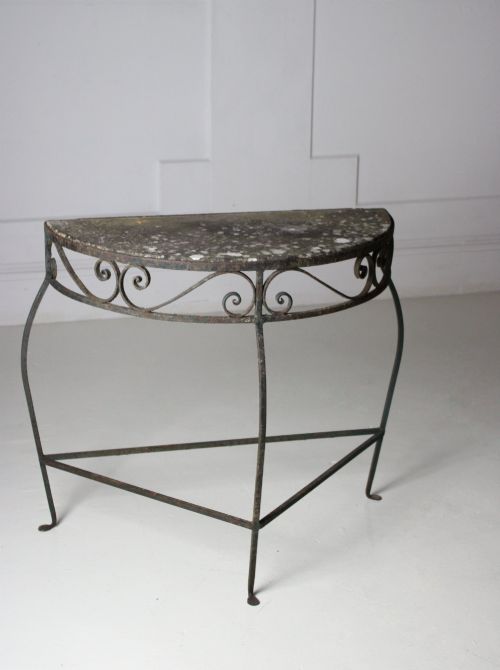
Forms span from slender demi-lune console tables and gueridon tables to sturdy dresser bases and washstands. These items served functional roles in hallways, drawing rooms and bedrooms across the Victorian and earlier periods.
How they were made
Cabinetmakers constructed these tables using solid timbers such as pine, oak, mahogany and walnut, often applying multiple layers of paint to achieve the characteristic grey or neutral surface. Carved details on frames utilised giltwood, pine or hardwoods, shaped by hand with traditional joining techniques.
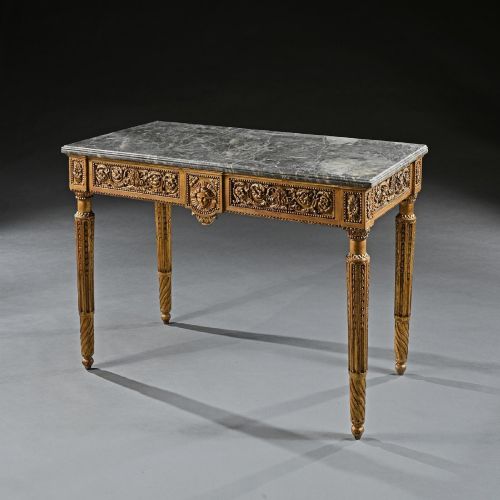
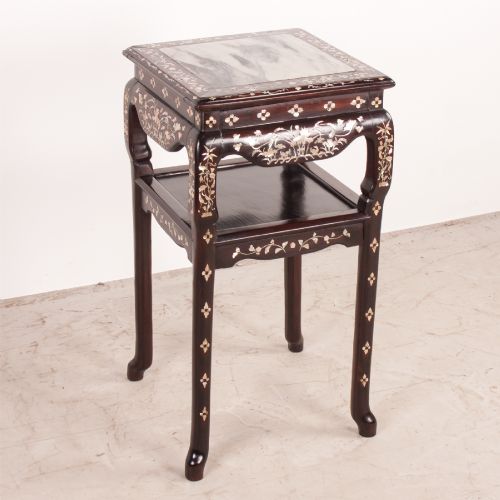
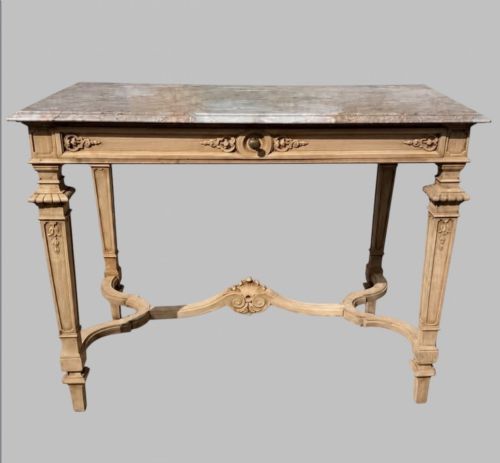
Many sophisticated examples incorporate inset marble slabs to the top surface, providing a durable and cool platform supported by wooden or cast iron bases. Brass hardware, mother of pearl inlay and parcel gilt accents frequently complete the construction.
Listings feature items spanning the 18th century through the Edwardian era, incorporating marble, pine, brass, mahogany and giltwood.
What varies in quality
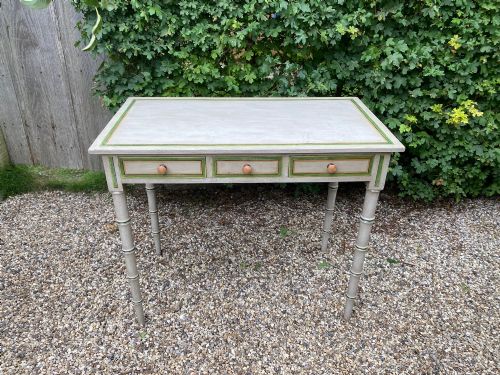
The standard of a piece rests upon the crispness of its carved ornamentation and the integrity of its timber structure. Hand-carved giltwood and detailed faux bamboo turnings demonstrate superior craftsmanship compared to simpler utilitarian frames.
The condition of the painted surface and the authenticity of the marble top significantly influence the character of the table. Original layered paintwork and well-veined stone tops elevate the piece above later refinished iterations.
The Antique Grey Side Table Glossary
- Gueridon
- A small circular table, typically supported by a central pillar and tripod base, originating in France during the seventeenth century. These tables frequently feature marble inserts.
- Demi-lune
- A half-moon shape used for console tables designed to stand flush against a wall. This profile saves floor space in narrower rooms and hallways.
- Giltwood
- Wood that has been coated with thin gold leaf or gold paint. It appears frequently on decorative console and side tables from neoclassical and rococo periods.
- Washstand
- A piece of furniture designed to hold a basin and pitcher for personal washing. Many examples feature marble tops to protect the wood from water splashes.
- Faux bamboo
- Wood turned and carved to imitate the segmented stalks of bamboo. This decorative technique gained popularity during the nineteenth century.
Antique Grey Side Table: Frequently Asked Questions
Where should I place a side table?
These tables fit naturally beside seating in a drawing room or against a hallway wall. Their compact footprints allow them to occupy narrow transition spaces effectively.
Larger console or gueridon variations anchor larger wall spaces beneath mirrors or artwork while offering a surface for lamps and decorative objects.
How do I care for painted wood?
Painted surfaces benefit from dusting with a dry, soft cloth to prevent the accumulation of grit. Avoid harsh chemical cleaners that can lift historic paint layers.
Wax can be applied sparingly to unpainted wooden sections, while painted areas generally require only gentle cleaning to preserve their patina.
What is the difference between a console and a side table?
Console tables traditionally attach to a wall or stand flush against one, often featuring ornamental legs at the front only. They served primarily decorative purposes in formal rooms.
Side tables are freestanding structures designed to be viewed from all sides and moved easily about a room to serve practical functions.
Are marble tops original to these tables?
Many nineteenth-century gueridons and console tables were manufactured specifically to receive heavy marble slabs. These stone surfaces provided durable protection against moisture and heat.
Examining the rebate where the marble rests helps determine whether the top matches the age and construction of the wooden base.