

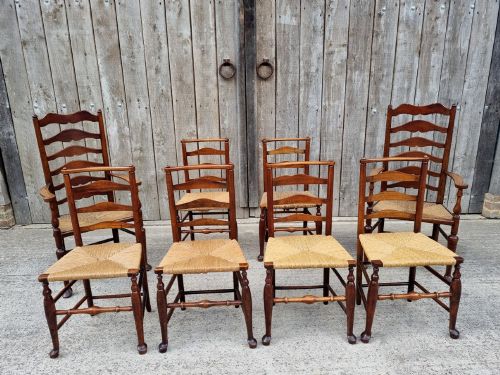
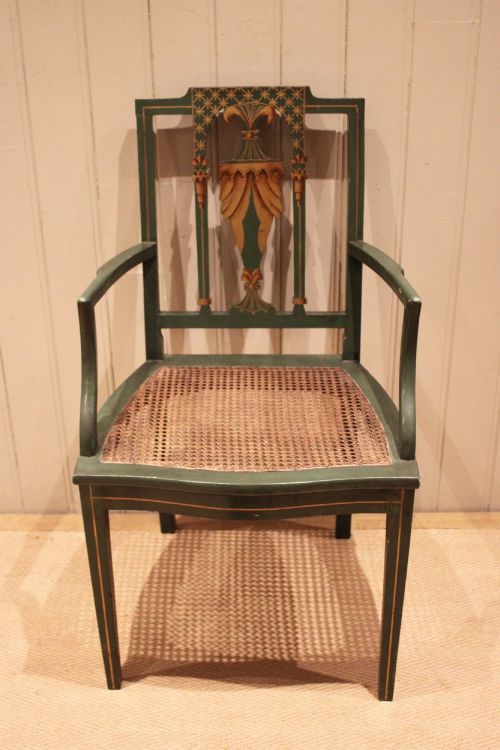
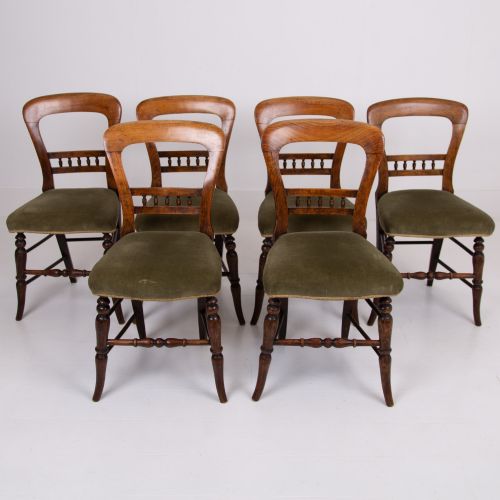
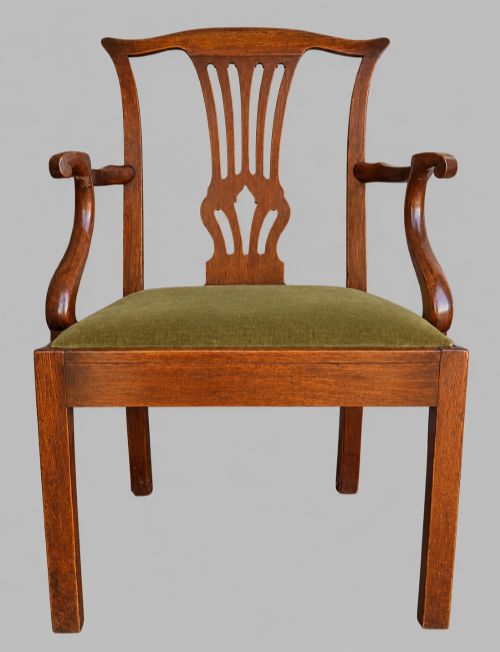
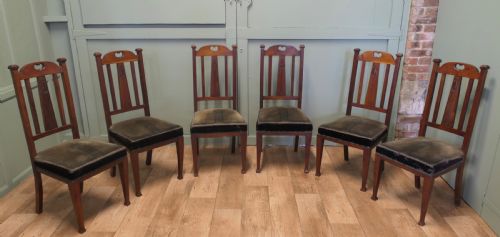
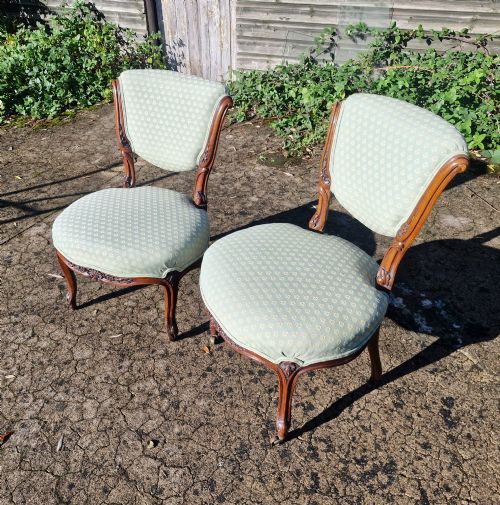
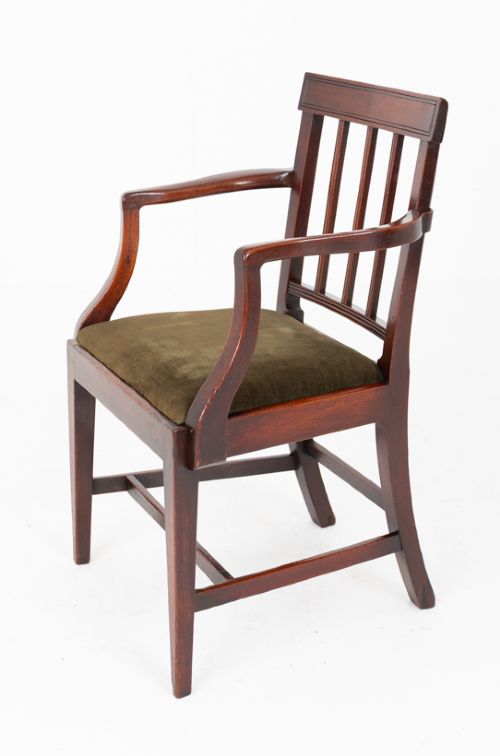
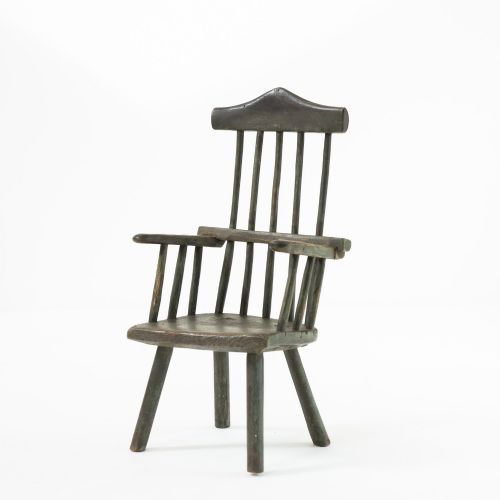
Antique Green Wooden Chair
An antique green wooden chair brings rustic painted character or faded elegance to a room, offering functional seating rooted in centuries of craftsmanship.
Antique Green Wooden Chair
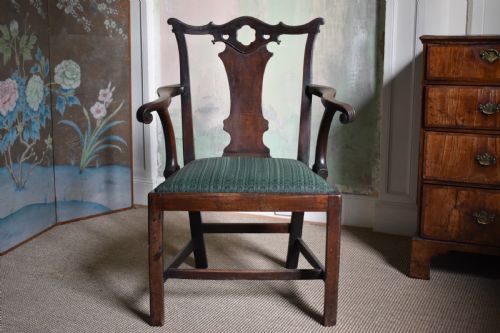
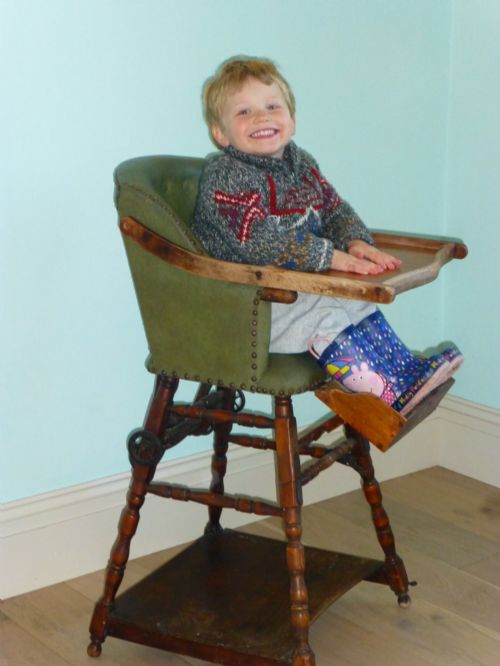
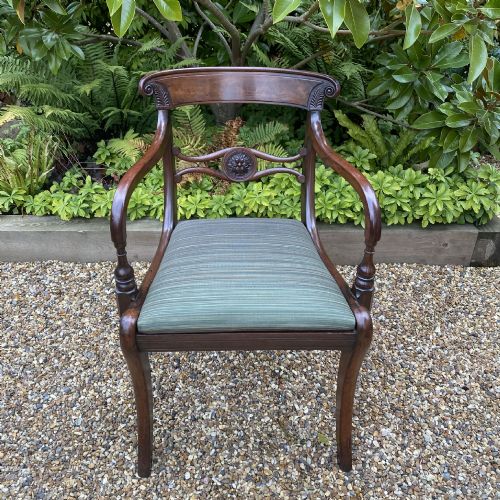
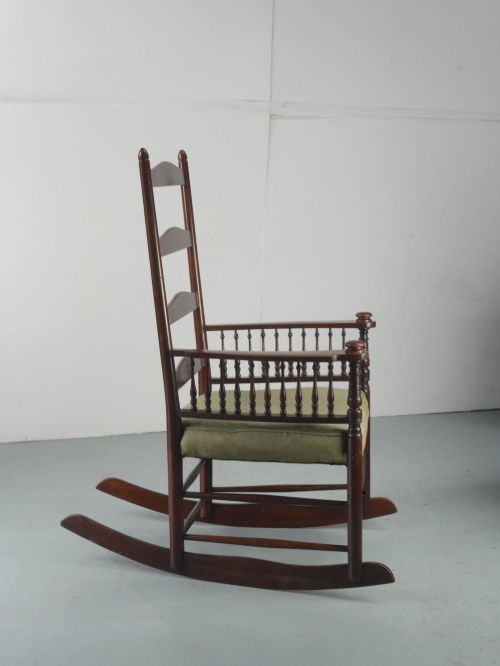
When searching for an antique green wooden chair, buyers encounter painted finishes applied to solid timber frames originating across the eighteenth, nineteenth, and early twentieth centuries. These pieces span simple country styles, rustic folk art primitives, and formal painted seating created in imitation of classical tastes.
Origins stretch from English country workshops to formal cabinet makers, encompassing styles from Georgian designs through Arts and Crafts oak and Victorian painted variations. Each piece demonstrates how utilitarian wooden seating was enhanced through surface colour and regional craftsmanship.
Construction and Finish
Makers constructed these chairs using dense timbers such as mahogany, oak, walnut, elm, beech, and satinwood, joined by traditional methods like mortise and tenon joints. Turnery, carved details, and steam-bent components formed the structural frames before decorative surface treatments were applied.
The distinctive green appearance relies on historical paint formulations, sometimes layered over earlier primers or revealing underlying wood through natural attrition. Simple country pieces utilised local timbers like elm and beech, while formal interpretations employed fine hardwoods finished with careful painted decoration.
Antique Green Wooden Chair Retail Price Guide 2026
Typical asking prices for green wooden chair among the pieces listed under this phrase on Sellingantiques today, from the lower quarter to the upper quarter. They describe what is for sale here now, not the wider market.
Several chairs retain centuries of accumulated green paint, holding silent witness to countless domestic conversations and resting weary backs.
Defining Quality in Painted Seating
Quality rests in the integrity of the timber frame, the originality of the painted surface, and the subtlety of the form. Chairs retain greater interest when their structural joinery remains undisturbed and the green paint displays genuine age rather than modern intervention.
Refined proportions, crisp turning, and well-executed joinery separate standard vernacular seating from exceptional workshop examples. The relationship between the timber structure and its historic pigment defines the character and desirability of each piece.
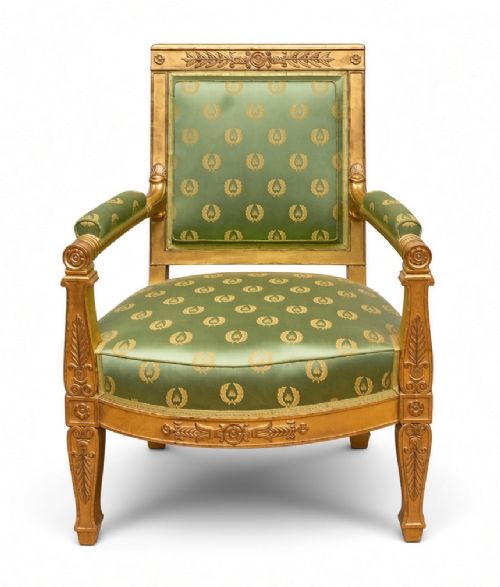
Jacob-Desmalter
The Antique Green Wooden Chair Glossary
- Stick back
- A chair construction where turned spindles or sticks are inserted directly into a solid wooden seat. This vernacular technique provides sturdy support without complex joinery.
- Corner chair
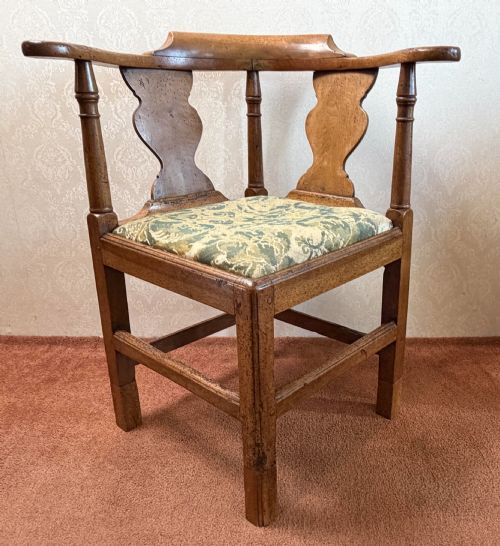
- A seating form designed to fit into the corner of a room, typically featuring a curved back rail supported by turned columns and a square seat.
- Elm
- A tough, interlocking timber commonly used for chair seats and country furniture due to its resistance to splitting under stress.
- Carver chair
- An armchair, often forming part of a dining set, distinguished by its scrolled or shaped armrests.
- Folk art
- Objects created by self-taught or local artisans outside formal guild traditions, prioritising practical utility and honest construction over academic style.
Antique Green Wooden Chair: Frequently Asked Questions
How do I date a wooden chair?
Dating relies on examining construction marks, timber choice, joinery techniques, and the wear patterns on the wood. Tool marks left by hand saws and lathes indicate earlier periods of manufacture.
Stylistic cues such as leg shapes, stretcher placement, and the composition of the green paint further narrow the decade or century of origin.
Are painted chairs original?
Many chairs received painted finishes during their working lives, sometimes applied decades after the original construction to refresh domestic interiors.
Distinguishing between original pigment, period re-painting, and later decorative work involves looking at the integration of the paint layers into the wood surface.
Where should I place an antique chair?
These chairs function well as occasional seating in hallways, bedrooms, or studies where their colour and form add visual weight without dominating the space.
Placing them away from direct heat sources and strong sunlight preserves the stability of the wooden frame and the historic painted finish.
What is a stick back chair?
A stick back chair is a traditional seating form where individual wooden spindles are tenoned directly into a solid plank seat. This construction style developed in rural workshops for everyday utility.
Examples range from simple vernacular pieces to refined country armchairs featuring steam-bent arm rails and turned supports.