


Antique Green Velvet Chairs
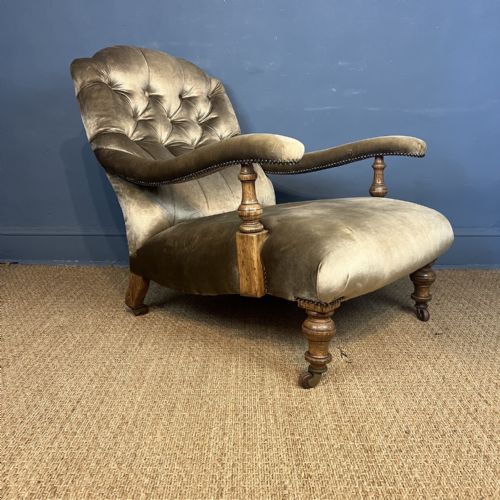
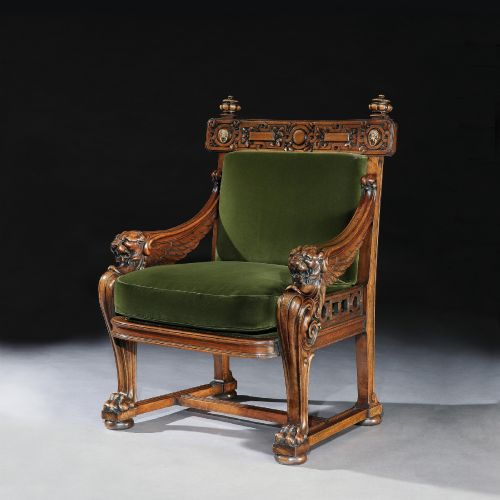
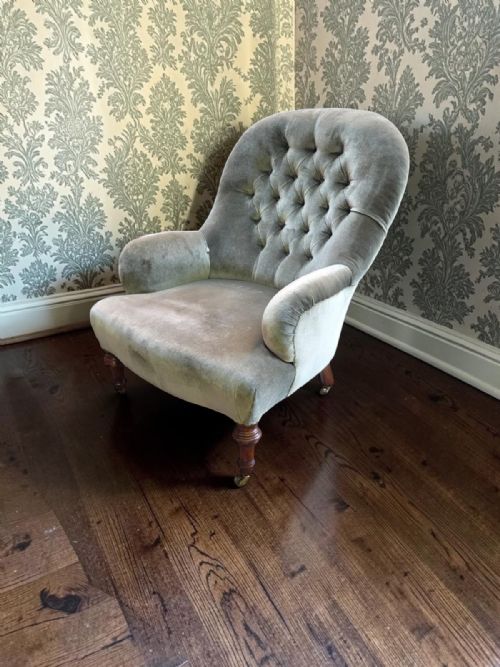
Antique green velvet chairs are seating pieces that bring rich texture and period character into a room.
What antique green velvet chairs are
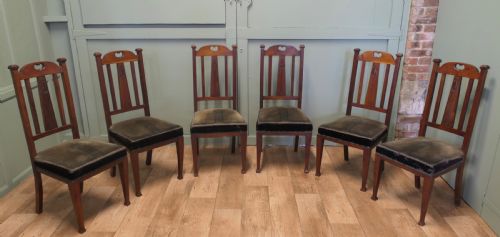
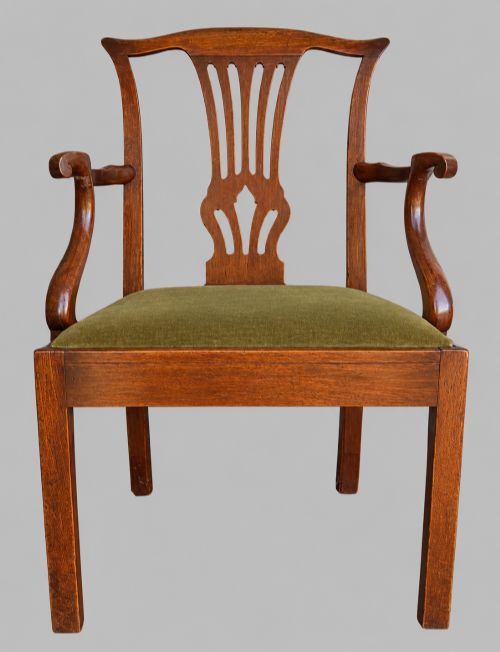
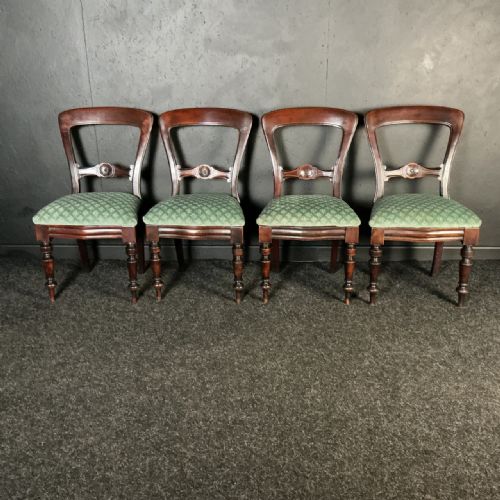
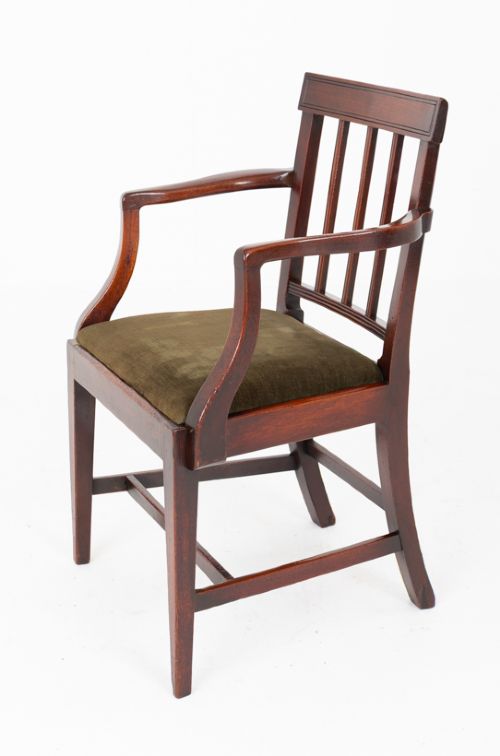
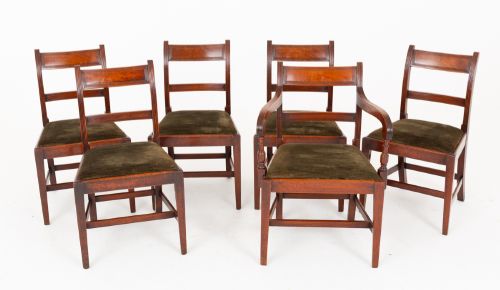
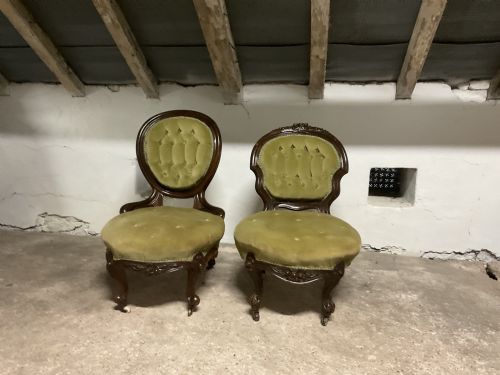
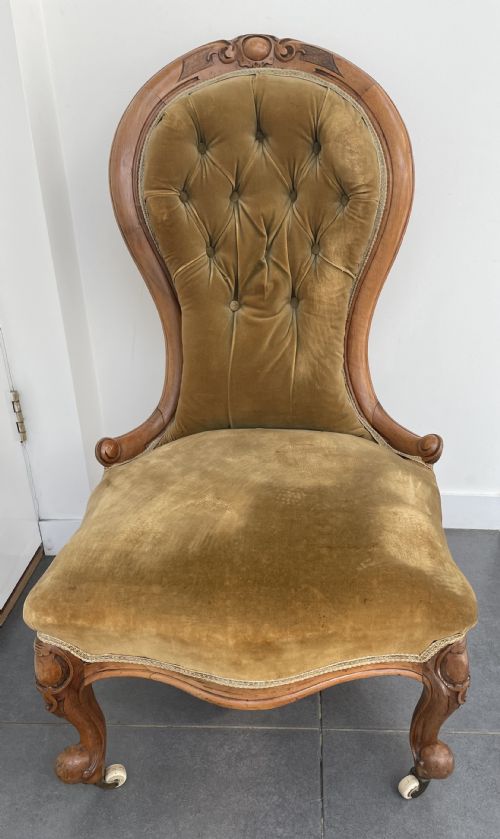
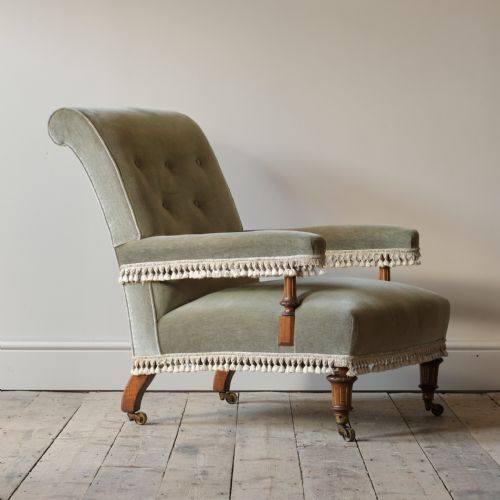
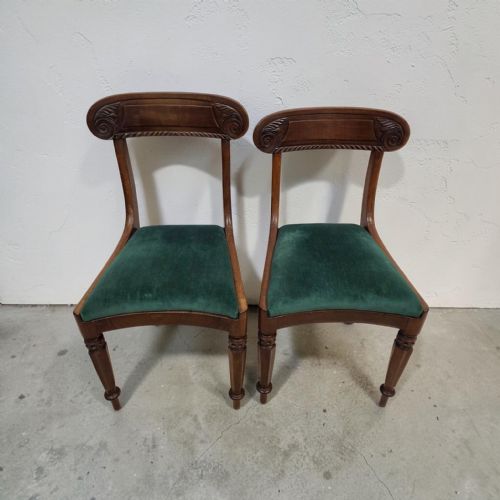
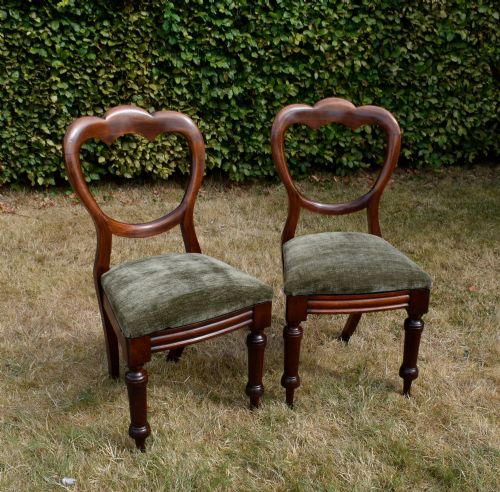
When you search for antique green velvet chairs, you are looking at dining chairs dating from the nineteenth century, including Victorian, William IV, and Regency periods. The pieces available on this page are dining chairs made in sets.
You are most likely to meet sets of six or eight dining chairs upholstered in fabric upholstery and velvet. These examples typically feature mahogany, walnut, rosewood, and other wood frames.
How they were made
These chairs are constructed from solid timbers such as mahogany, walnut, and rosewood, shaped into frames suitable for dining use. Wood working techniques of the nineteenth century included turned legs and structural joinery to support daily sitting.
Upholstery methods involved applying fabric upholstery and velvet over padding secured to the wooden seats and backs. Frames utilised durable hardwoods that supported the weight of the sitter while displaying the natural grain of the timber.
Retail Price Guide 2026
Typical UK retail prices for green velvet chairs, calculated from the Sellingantiques database of over a million retail prices indexed since 2003. This retail price guide relies exclusively on Sellingantiques data; no external sources or auction records are used, so the figures do not describe the wider market.
Nineteenth-century diners sat upon these exact wood frames while discussing politics and passing the port.
What varies in quality
Quality in these dining chairs rests upon the selection of timber and the execution of the wood frame. Dense grain in the mahogany, walnut, or rosewood and precise turning on the legs distinguish finer sets.
The finish of the velvet upholstery and the integrity of the underlying fabric upholstery separate standard examples from superior ones. Sets that maintain uniformity across all pieces in timber colour and upholstery standard command greater interest.
The Antique Green Velvet Chairs Glossary
- Velvet
- A woven tufted fabric with a dense pile that gives a soft texture and deep colour. This material forms the primary upholstery surface for the seats listed.
- Mahogany
- A durable reddish-brown tropical hardwood commonly used for nineteenth-century furniture frames. It provides structural strength and a smooth finish.
- Walnut
- A hard timber valued for its rich dark grain patterns and stability. Cabinet makers utilised walnut for Victorian dining chair frames.
- Rosewood
- An exotic dark timber with distinctive figuring frequently seen in Regency furniture. It offers a dense and heavy foundation for seating.
- Turned leg
- A wooden support shaped on a lathe to create cylindrical or decorative profiles. This technique appears on nineteenth-century chair legs.
Frequently Asked Questions
Are these chairs suitable for daily dining?
These nineteenth-century dining chairs were built for regular use around the table. Their sturdy wood frames provide the structural support needed for everyday seating.
Modern buyers often place them around a dining table to combine period style with functional seating. Care should be taken with the velvet upholstery to preserve the fabric over time.
How do I identify a Victorian chair?
Victorian chairs often feature specific wood types like mahogany and walnut combined with turned legs. The construction methods reflect mid-nineteenth-century cabinet making.
Comparing the timber finish and leg details helps distinguish Victorian pieces from earlier Regency or William IV examples.
What is the difference between Regency and Victorian chairs?
Regency chairs often incorporate exotic timbers like rosewood and reflect design influences from the early nineteenth century. Victorian chairs typically date from later in the eighteen hundreds and frequently utilise mahogany or walnut.
Examining the wood grain and overall silhouette reveals the stylistic shifts between these periods.
How do I care for antique velvet?
Antique velvet requires gentle brushing to maintain the pile and prevent flattening. Keeping the fabric away from direct sunlight preserves the green shade.
Professional cleaning is recommended for velvet upholstery to protect the historic fibres while removing dust.