

Antique Green Pendant
An antique green pendant brings together deep historical periods, rich gemstones, and intricate metalwork to create wearable pieces of art.
Antique Green Pendant
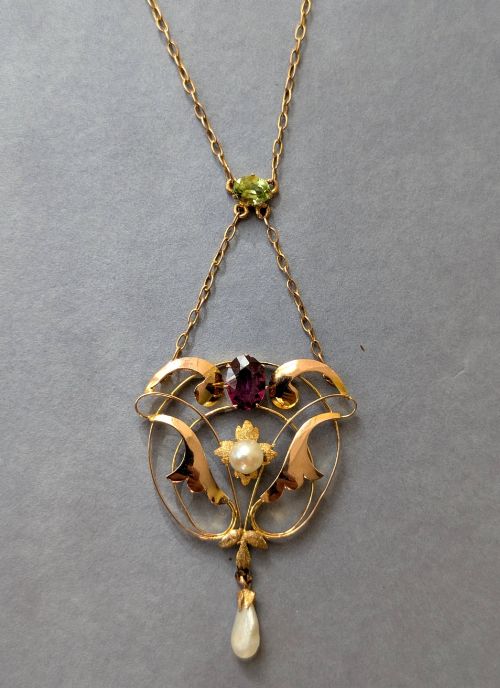
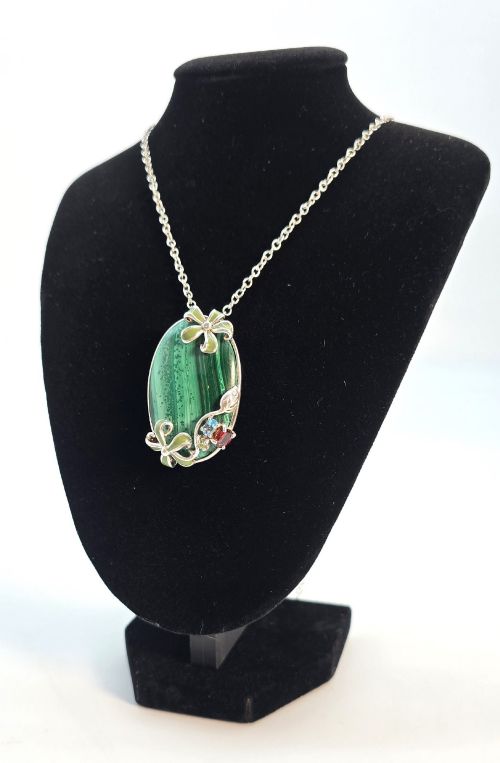
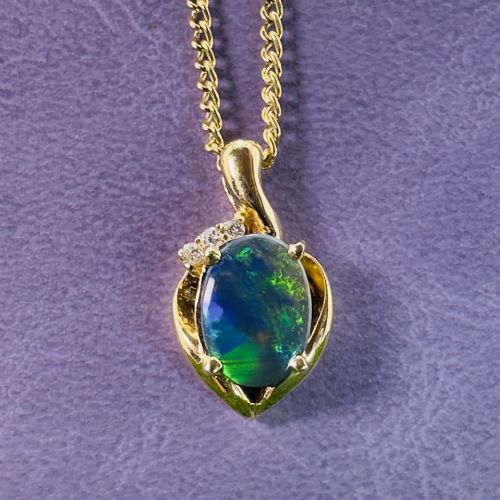
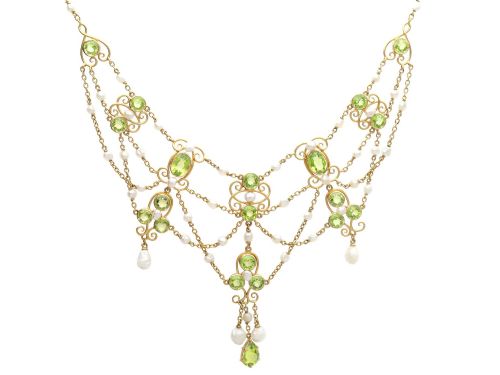
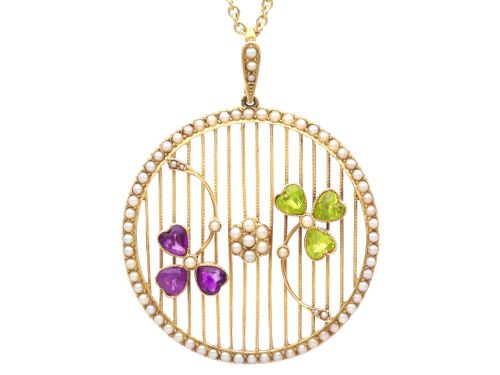
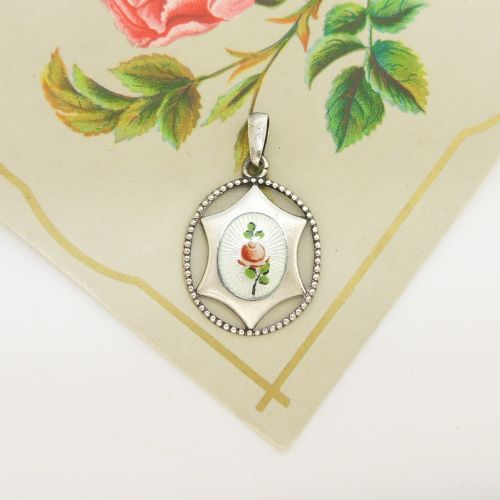
When buyers search for an antique green pendant, they encounter a range of jewellery items spanning from the Victorian era through the Edwardian period and into Art Deco designs. These pieces often feature natural green gemstones or enamel work set within yellow gold, silver, or platinum.
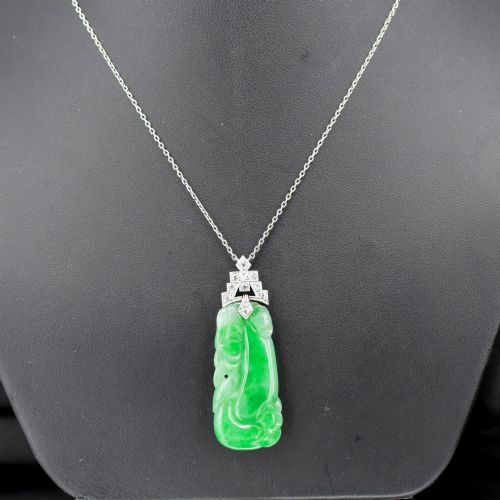
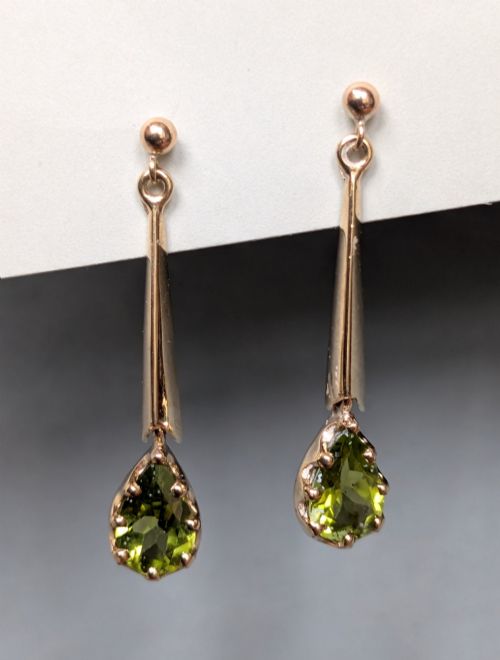
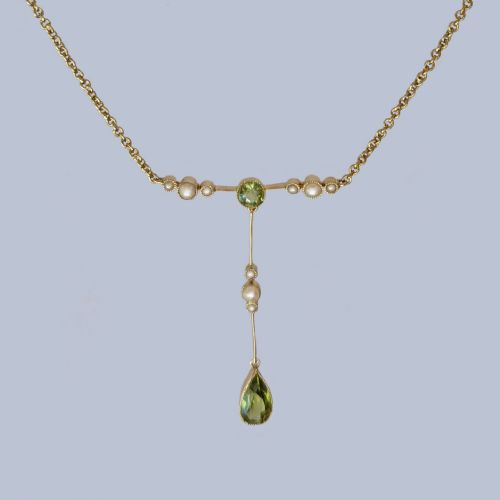
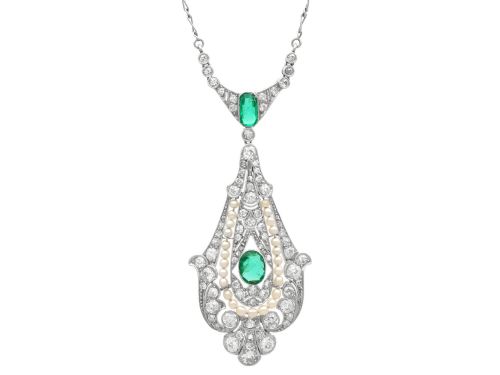
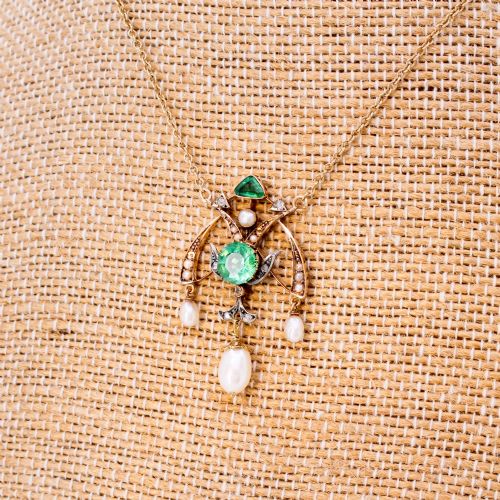
The selections on this page most commonly showcase peridot, jade, and green tourmaline, alongside paste and enamel interpretations. Such items frequently incorporate seed pearls or diamonds to accent the verdant central stones.
Originating from British, European, and Asian workshops, these pendants reflect the distinct stylistic movements of their respective decades, from flowing organic curves to geometric symmetry.
Materials and Making Techniques
Goldsmiths and silversmiths utilised nine-carat and fifteen-carat yellow gold, sterling silver, and platinum to fabricate the structural mounts and chains for these green pendants. Stones were meticulously hand-cut, ranging from early brilliant cuts to step-cut jades and table-cut tourmalines, then secured in bezel or prong settings.
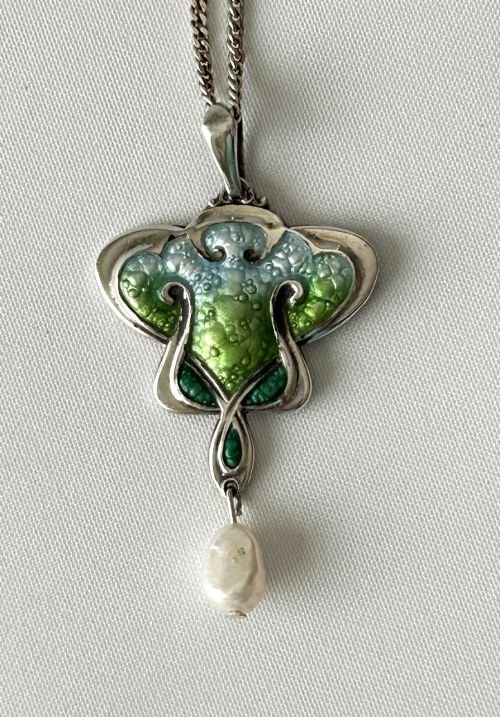
Enamel work, particularly plique-à-jour, required fusing coloured glass powder to metal frameworks to achieve a translucent, stained-glass effect that caught the light from behind. Delicate seed pearls were hand-drilled and threaded or pegged onto gold wire to frame the central green stones.
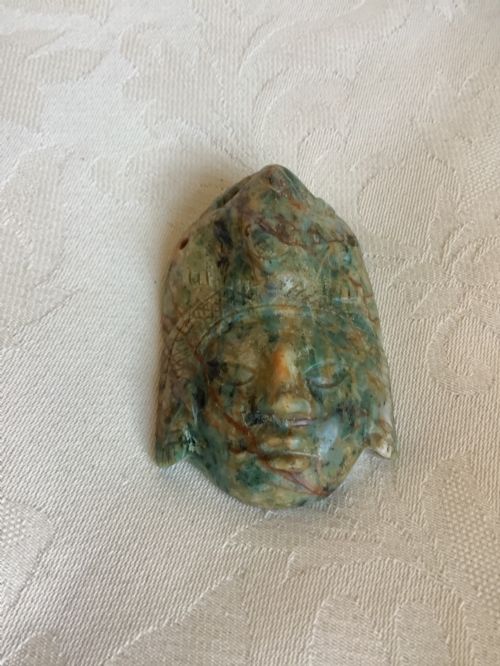
Carved pieces relied on traditional lapidary skill, shaping materials such as pale celadon jade, jadeite, and shagreen into specific motifs like cicadas, dragons, and auspicious symbols.
Antique Green Pendant Retail Price Guide 2026
Typical asking prices for green pendant among the pieces listed under this phrase on Sellingantiques today, from the lower quarter to the upper quarter. They describe what is for sale here now, not the wider market.
The inventory records pieces spanning the Victorian, Edwardian, and Art Deco eras, constructed in silver, gold, and platinum.
Quality Variations in Period Jewellery
The standard of an antique green pendant rests on the integration of design and the integrity of the materials. Masterworks from established makers demonstrate superior stone matching, where peridots, tourmalines, or jades share consistent saturation and depth of colour.
Murrle Bennett·Archibald Knox·Liberty and Co
The Antique Green Pendant Glossary
- Peridot
- A yellowish-green gemstone favoured in Edwardian and Arts and Crafts jewellery. It provides the characteristic bright lime hue seen in many early twentieth-century pendants.
- Plique-à-jour
- An enamelling technique where enamel is applied in cells without a backing metal, allowing light to shine through the transparent colour. It appears frequently in delicate Art Nouveau designs.
- Seed Pearl
- A very small, naturally formed pearl often used in Victorian and Edwardian clusters to frame larger centre stones. They are typically drilled and mounted on thin gold pins.
- Fob
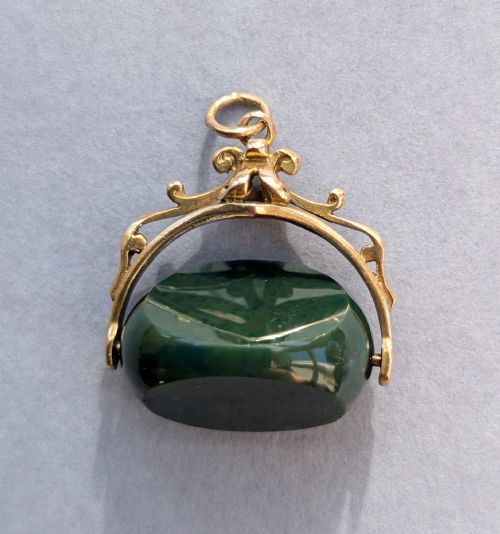
- A short chain or pendant attached to a pocket watch, frequently adapted into necklace pendants during later periods. They often incorporate hardstones like bloodstone.
Antique Green Pendant: Frequently Asked Questions
How do I care for an antique pendant?
Store your antique green pendant separately in a lined box to prevent scratching softer gems like peridot or pearl. Avoid ultrasonic cleaners and harsh chemical dips, using only a soft damp cloth to gently wipe the metal and stone surfaces.
Period settings with delicate enamel or seed pearls require particular caution regarding moisture and impact. Regular gentle maintenance preserves the integrity of the original claw settings and delicate chains.
Were these pendants worn differently in the past?
Victorian and Edwardian pendants were frequently versatile pieces designed to function as both brooches and necklaces. Wearers pinned them directly to lace collars or suspended them from long gilt chains.
Later Art Deco designs favoured geometric drops worn lower on the chest, often paired with evening attire. This dual functionality means many surviving examples retain hidden pin stems on the reverse.
How can I tell the Edwardian pieces apart?
Edwardian green pendants lean heavily into light, lacy platinum and yellow gold frameworks set with peridots and seed pearls. The motifs are often floral, garland-based, or ribbon-like, reflecting the delicate aesthetics of the early nineteen-hundreds.
In contrast, Victorian pieces tend to be heavier, featuring darker mounts and substantial bezels around bloodstones or deep tourmalines. Art Deco examples subsequently introduced rigid geometry and strong symmetrical lines.
What is plique-à-jour enamel?
Plique-à-jour translates from French as letting in daylight, describing an enamelling method that resembles miniature stained glass. Artisans fired translucent coloured glass within open metal wire frames without a solid backing.
This technique was a hallmark of Art Nouveau jewellery design, allowing light to illuminate the green enamelled wings and floral petals from behind. Surviving pieces require careful handling due to the unsupported nature of the glass.