


Antique Green Nightstand
An antique green nightstand brings colour and history beside a bed, holding books and lamps with genuine period character.
Antique Green Nightstand
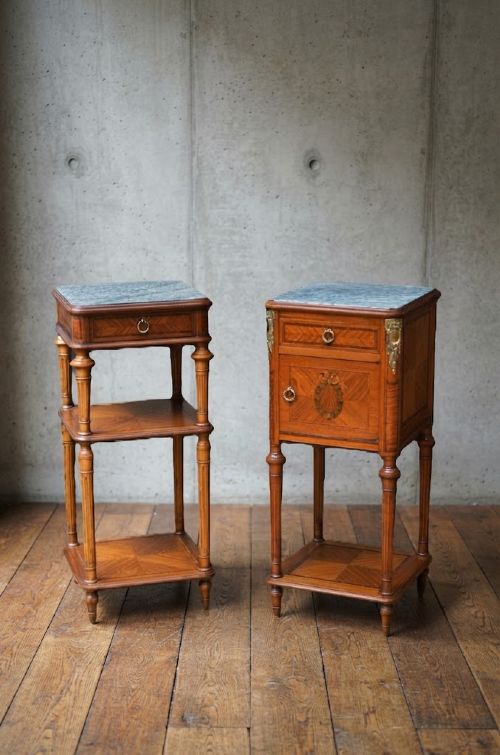
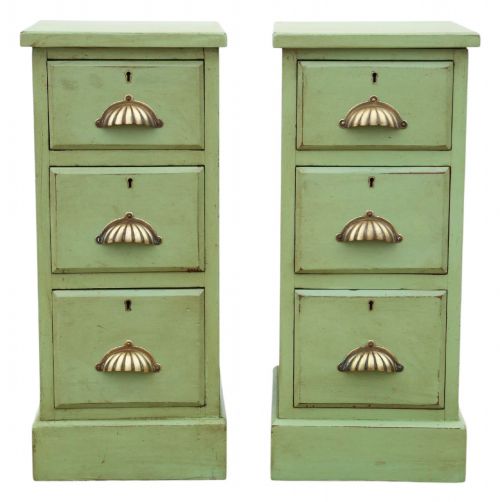
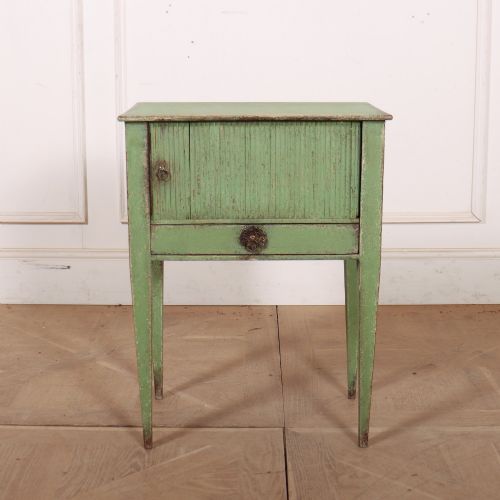
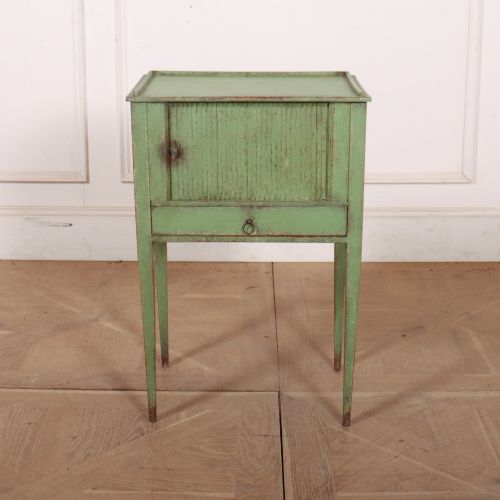
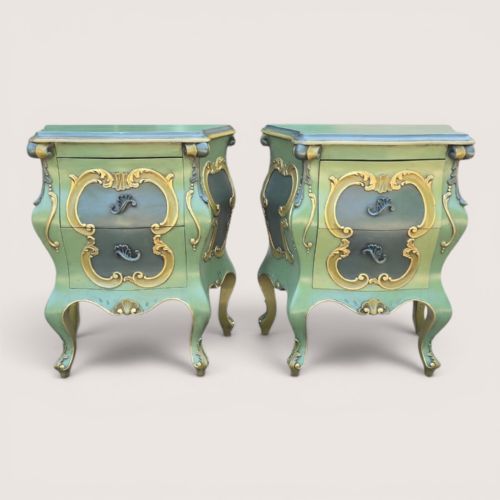
An antique green nightstand encompasses bedside cabinets, chests, side tables and cupboards finished in green paint or featuring green marble tops. These pieces emerge from periods ranging through the eighteenth century, the nineteenth century, and into the early twentieth century.
The styles encountered include English Country, Dutch Provincial, French Chateau, Arts and Crafts, and Georgian interpretations. Formats vary from simple single door cupboards to drawer chests and marble-topped tables suited for domestic use.
How they were made
Construction relies on traditional timber framing using woods such as oak, mahogany, pine, and walnut, often finished with painted surfaces or natural polishes. Surface decoration frequently incorporates applied paint, sometimes distressed over time, alongside marble inserts and brass hardware.
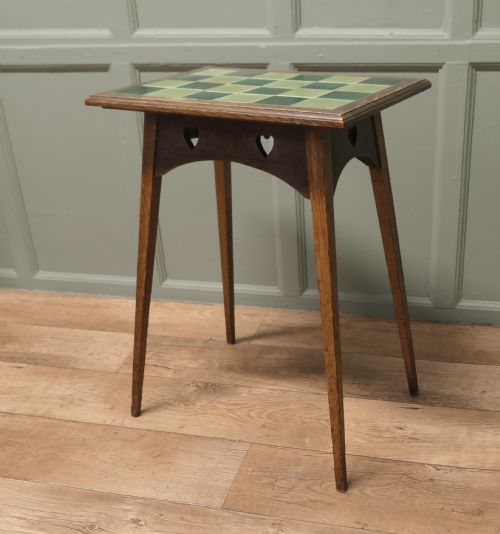
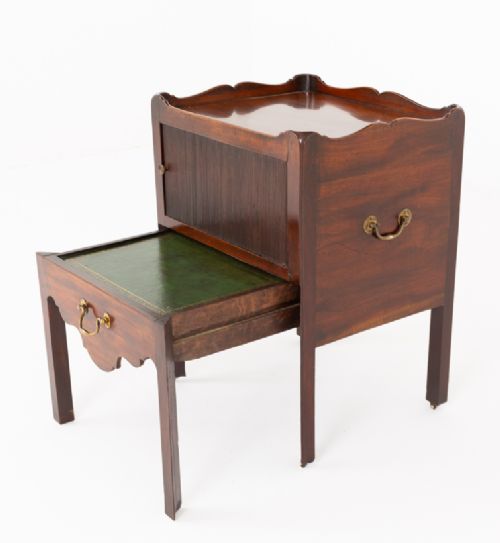
Details on specific items include carved motifs, tiled tops, inlaid elements, and specialised leather bindings. Cabinet makers utilised dovetail joints for drawers and fitted doors with brass handles or hinges to ensure durability.
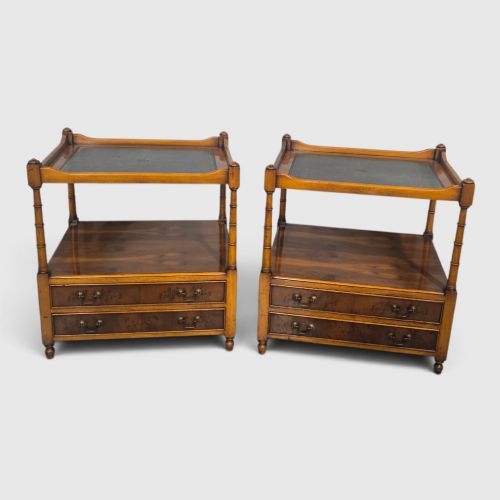
One early twentieth-century French piece combines a tooled leather-bound book-table design with an inset silk-work top.
What varies in quality
Quality rests upon the integrity of the timber framework, the survival of original painted surfaces, and the finesse of decorative details like marble tops or brass fittings. Pieces retaining their early or original paint finishes command greater interest from collectors.
Proportion and structural balance distinguish superior items, whether dealing with a rustic Dutch provincial piece or a refined French chateau cabinet. The integration of specialised materials, such as inset tiles or carved panels, further separates standard regional items from exceptional examples.
Melissa White
The Antique Green Nightstand Glossary
- Bedside Cabinet
- A small enclosed piece of furniture designed to stand next to a bed, usually featuring a door or drawers. These items provide concealed storage for nighttime essentials.
- Marble Top
- A stone slab fitted to the upper surface of a table or cabinet. This addition offers a durable, heat-resistant surface that resists water rings from glasses and lamps.
- Tile Top
- An upper surface inset with ceramic or decorative tiles, commonly seen in Arts and Crafts pieces. This feature provides a practical, heat-proof area for resting items.
- Painted Wood
- Timber coated with pigment, often in green or neutral shades, to protect the grain and add decorative colour. Many period examples display a desirable weathered patina.
- Lamp Table
- A small occasional table height-adjusted to hold a lighting fixture beside seating or a bed. These sturdy surfaces suit various domestic sitting rooms and bedrooms.
Antique Green Nightstand: Frequently Asked Questions
What periods do these green nightstands come from?
The pieces span several centuries, including eighteenth-century items, nineteenth-century examples, and early twentieth-century creations.
Craftsmanship and stylistic cues help identify the exact era of production.
Are the green finishes original?
Some pieces retain original painted surfaces while others feature later or restored coats of green paint.
Examining the wear patterns reveals how the colour has aged over time.
What materials are used besides wood?
Many designs incorporate marble tops, brass fittings, ceramic tiles, or leather-bound elements.
These contrasting textures enhance the visual appeal of the bedside furniture.
How were these cabinets used originally?
They served in bedrooms to hold chamber pots, drinking water, and personal items out of sight.
Today they function as convenient bedside storage and lamp tables.
Which regional styles are most common?
English country, Dutch provincial, and French chateau styles appear frequently among the listings.
Each regional workshop brought distinct proportions and decorative treatments to the form.