


Antique Green Man
An antique green man brings the primordial foliage face into domestic furniture, rendered in carved oak across Victorian and revival interiors.
Antique Green Man
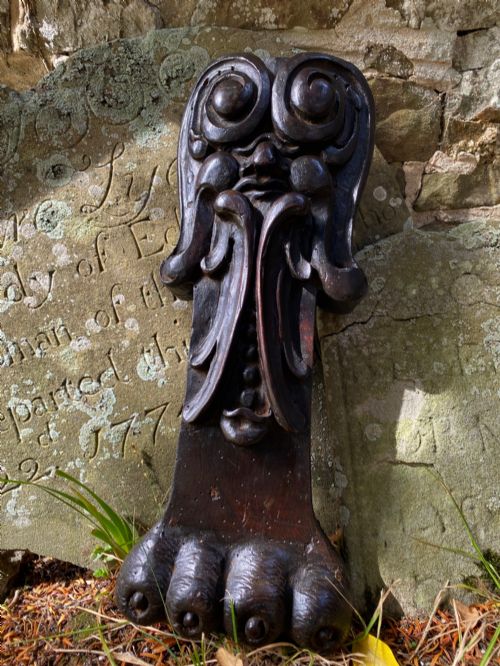
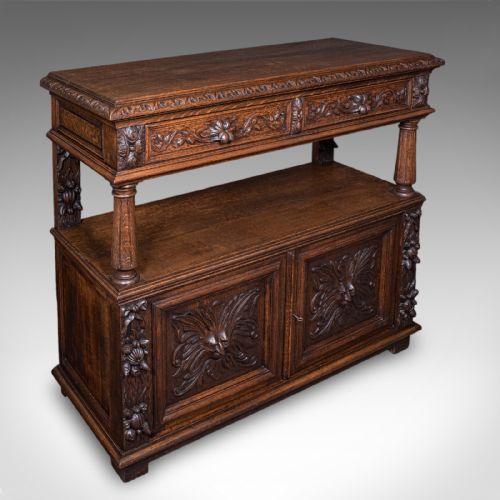
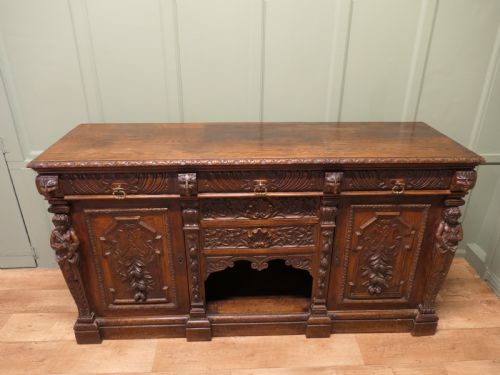
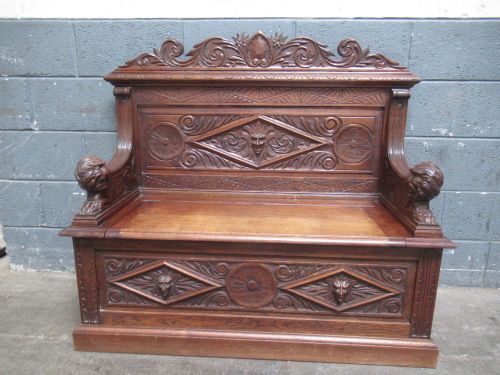
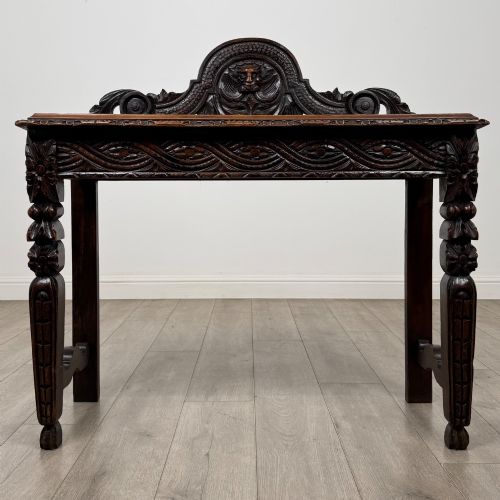
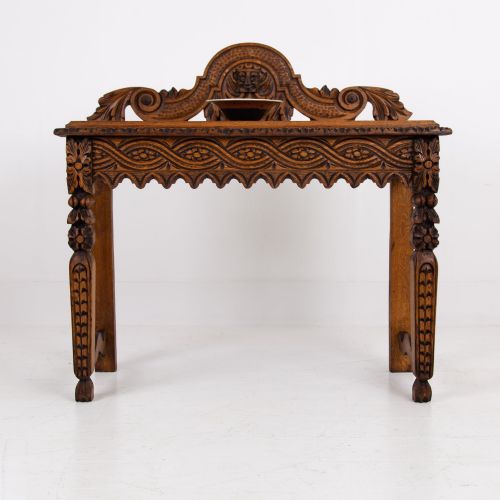
When someone searches for an antique green man, they encounter architectural and furniture carvings depicting a human face emerging from or entwined with leaves, vines, and branches. These pieces originate predominantly in the nineteenth century, spanning Victorian, Gothic Revival, and Arts and Crafts movements.
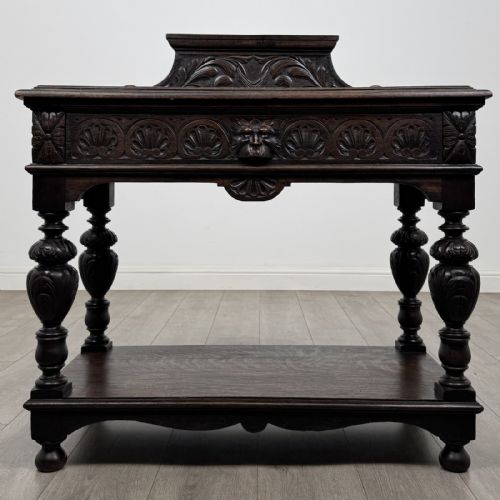
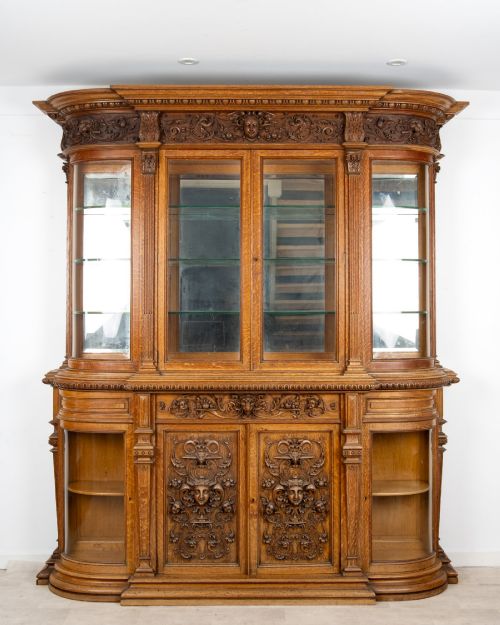
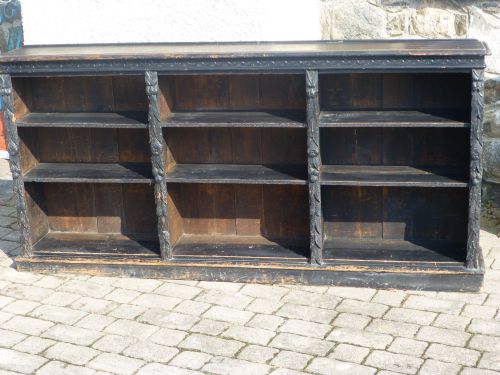
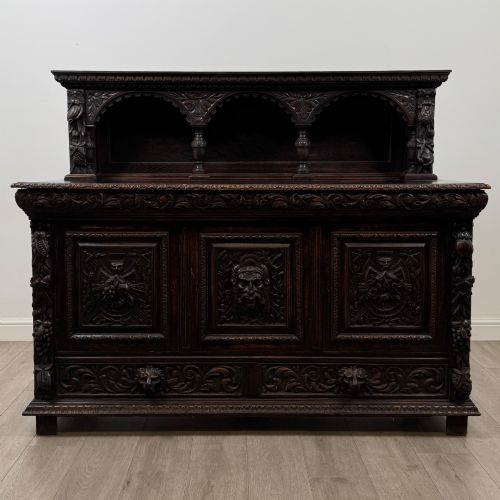
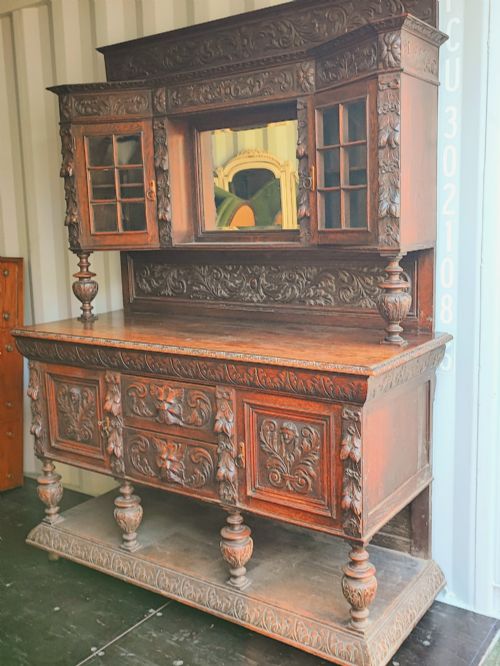
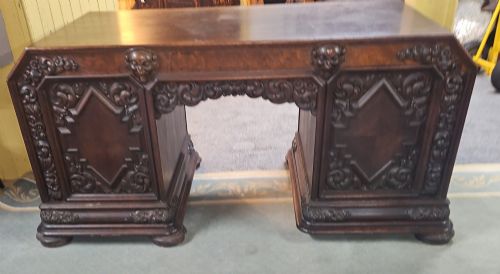
The versions most frequently met on this page take the form of heavy oak furniture such as sideboards, hall stands, bookcases, and desks. These items combine utilitarian domestic storage with dark, figurative woodcarving intended to anchor a room in historic revival styles.
The motif appears across centuries, though the domestic items available here cluster firmly in the Victorian era and the decades immediately following. Alongside large case furniture, smaller furnishings like wall mirrors and side tables carry the same foliate mask carved into the timber.
Materials and construction methods
Construction relies on traditional joinery methods suited to heavy Victorian case furniture, incorporating pegged mortise and tenon joints to support substantial carved elements. Secondary materials appear occasionally in hardware and mirrors, but the integrity of the piece rests on skilled hand carving directly into the structural wood.
Antique Green Man Retail Price Guide 2026
Typical asking prices for green man among the pieces listed under this phrase on Sellingantiques today, from the lower quarter to the upper quarter. They describe what is for sale here now, not the wider market.
Solid oak dominates the listings, accompanied by occasional examples in ebonised wood and metal.
Judging the carving and the timber
The distinction between standard production and superior work lies entirely in the depth and vitality of the chisel cuts defining the green man face. Master carvers coax distinct personality, sharp foliate details, and deep undercut leaves from the solid oak, whereas lesser examples present flat, mechanical moulding.
The quality of the timber itself and the cohesion of the overall furniture design determine the standing of a piece. Well-proportioned oak sideboards and hall stands with integrated mirrors and balanced proportions demonstrate a level of craftsmanship that elevates the decorative masking above mere factory ornamentation.
Winterhalder and Hofmeier
The Antique Green Man Glossary
- Green man
- A sculptural architectural and furniture motif showing a human face emerging from foliage. It symbolises rebirth and spring in various decorative traditions.
- Gothic Revival
- An architectural and decorative style popular during the nineteenth century that revived medieval forms. It heavily influenced the dark, carved oak aesthetic of these pieces.
- Arts and Crafts
- A design movement valuing handcraftsmanship and natural materials over mass production. Pieces from this period emphasise visible construction and honest timber work.
- Relief carving
- A sculptural technique where figures project from a flat background. This method allows the foliage of the green man to appear tangled with the wood surface.
Antique Green Man: Frequently Asked Questions
What is an antique green man?
An antique green man is a decorative woodcarving depicting a human face surrounded by or composed of leaves, vines, and foliage. The motif symbolises nature and rebirth.
These carvings appear predominantly on nineteenth-century oak furniture such as sideboards, bookcases, and hall stands created during the Gothic Revival and Victorian periods.
How were green man pieces used?
These carved oak items functioned as heavy domestic furniture for principal rooms like dining halls, libraries, and entranceways. Sideboards stored tableware, while hall stands held outerwear.
The inclusion of the foliate mask served both an ornamental purpose and a decorative function within dark, revivalist interior schemes.
How do I care for antique oak?
Antique oak furniture requires stable indoor humidity levels to prevent the solid timber from drying out or splitting over time. Keep pieces away from direct heat sources and strong sunlight.
Dust the carved surfaces regularly with a dry cloth and apply occasional natural beeswax to nourish the wood grain without building up heavy residue.
How do I date a green man carving?
Dating relies on the style of the furniture carcass, the joinery methods used in construction, and the specific characteristics of the revival movement represented. Most domestic examples date to the Victorian era.
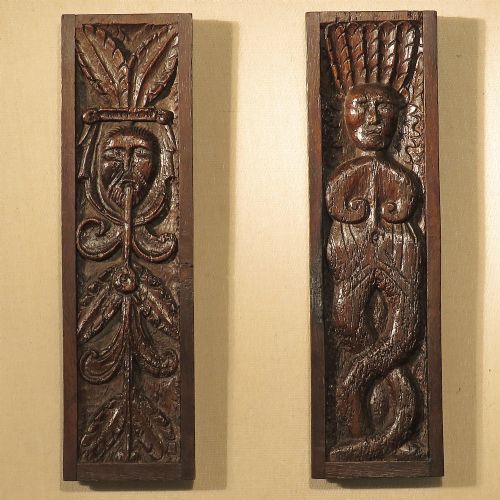
Earlier sixteenth-century relief panels exist as architectural fragments, whereas nineteenth-century pieces form complete, functional items of furniture like desks and cabinets.