



Antique Green Area Rug
An antique green area rug brings centuries of woven artistry, rich dye traditions, and grounding earthy tones directly beneath your feet.
Antique Green Area Rug
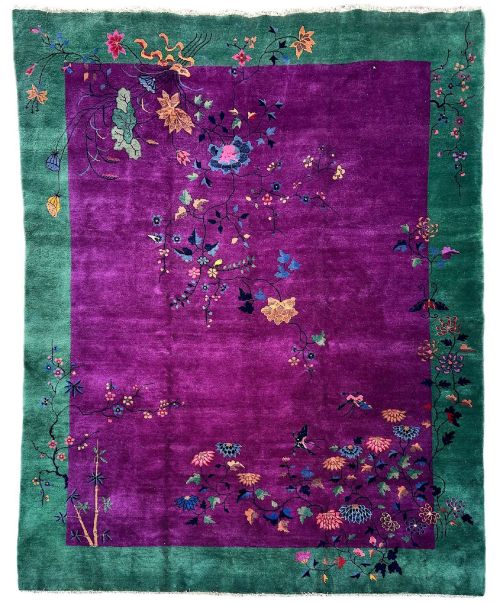
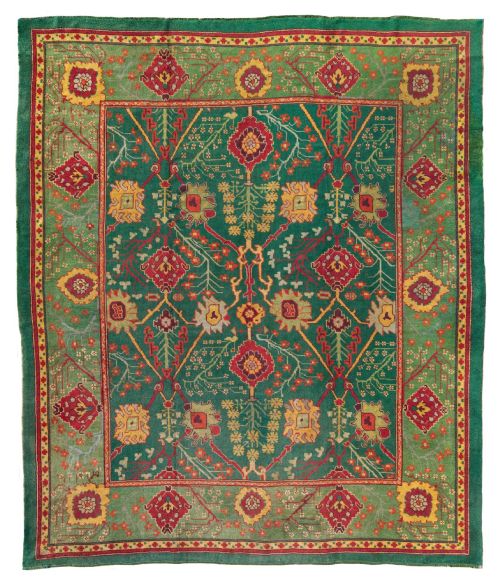
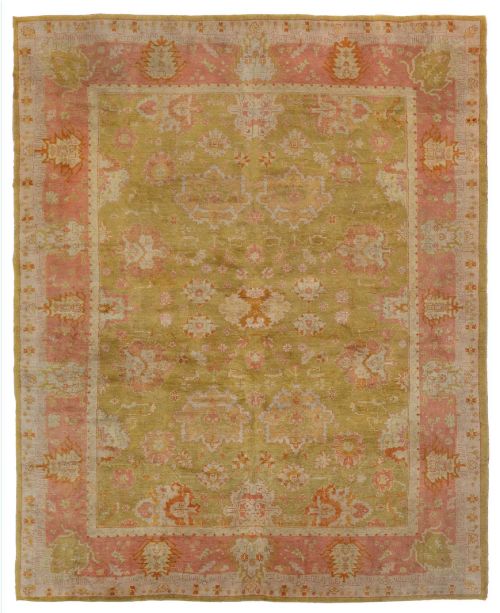
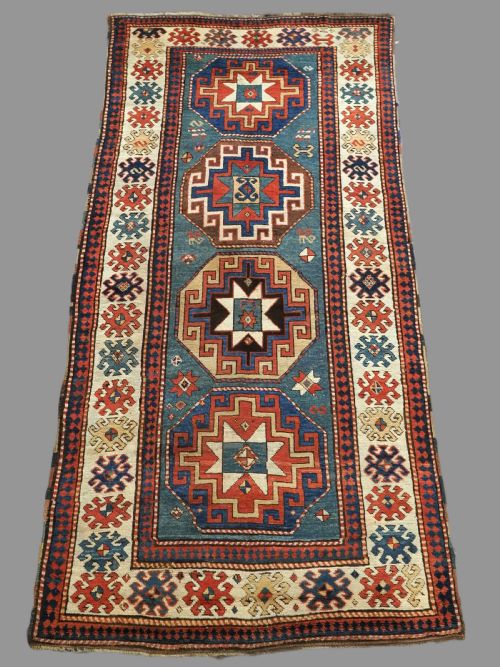
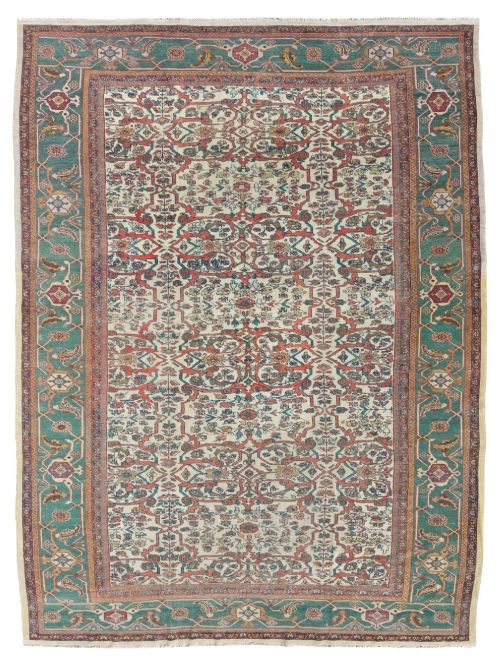
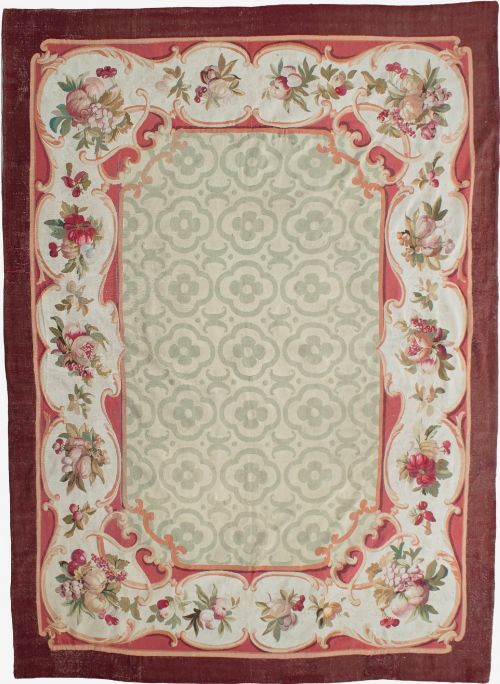
When you search for an antique green area rug, you are looking at woven floor coverings originating from diverse regions including Persia, Turkey, the Caucasus, India, Spain, France, and Ireland. The selections span from the mid-nineteenth century through the early twentieth century, encompassing expansive carpets and smaller accent rugs.
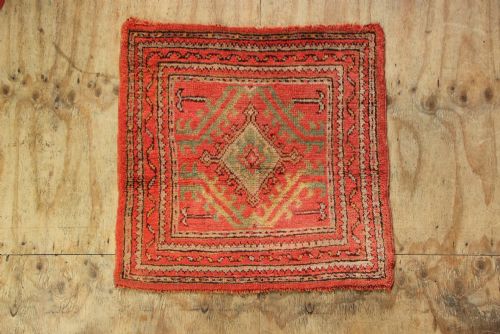
The version you are most likely to encounter on this page is an Ushak or Oushak carpet from Turkey, often showcasing vegetal dyes and distinct regional motifs. These pieces share space with other woven traditions such as Mahal, Ziegler, and Kazak floor coverings, all unified by their verdant green grounds.
Forms range from large room-sized carpets down to square formats, runner proportions, and specific prayer rugs designed for devotion. Each piece reflects the aesthetic of its period, whether created in a European workshop or an Anatolian village.
Materials and Construction
The physical fabric of these textiles relies predominantly on wool and cotton, with occasional examples incorporating angora wool. Wool serves as the primary material for the plush pile and resilient foundation work, offering durability and warmth.
Weavers utilised natural dyestuffs to achieve the nuanced green fields characteristic of these pieces, alongside complex knotting and flatweaving techniques. Structural integrity stems from tightly spun foundations paired with secure hand-knotted or flatwoven surfaces.
Antique Green Area Rug Retail Price Guide 2026
Typical asking prices for green area rug among the pieces listed under this phrase on Sellingantiques today, from the lower quarter to the upper quarter. They describe what is for sale here now, not the wider market.
Geographic styles represented include Ottoman Turkish, Persian, Anatolian, Caucasian, and Arts and Crafts Donegal traditions.
Distinctions in Quality
Quality in these textiles rests upon the precision of the weave, the subtlety of the dye work, and the artistic confidence of the design. Master weavers achieved greater detail and structural longevity through finer knot density and superior wool preparation.
The handling of the green palette itself creates a divide, as uneven fading or harsh chemical dyes diminish a piece, whereas stable natural pigments retain a luminous depth. Original proportions, intact borders, and honest wear distinguish superior examples from heavily altered or compromised specimens.
The Antique Green Area Rug Glossary
- Kilim
- A flatwoven carpet or rug produced without a pile, relying on interlocking weft threads to create geometric patterns. These pieces offer a lighter weight and distinct texture compared to knotted piles.
- Prayer rug
- A small rug featuring a mihrab or niche design, historically utilised to kneel upon during daily Islamic prayers. The directional motif points toward Mecca.
- Ground
- The main background field of a carpet against which medallions, floral sprays, or geometric motifs are set. In these listings, the ground colour is predominantly green.
- Mihrab
- The architectural arch motif found on prayer rugs, symbolising the doorway or direction of prayer. It remains a central compositional element in pieces from regions like Ghiordes and Kayseri.
- Pile
- The upright yarn loops or tufts that form the usable surface of a knotted carpet. The thickness and material of the pile dictate the tactile feel underfoot.
Antique Green Area Rug: Frequently Asked Questions
How do I care for an antique wool rug?
Vacuum gently without using a rotating brush roll to prevent pulling the delicate historic fibres. Professional cleaning tailored for antique textiles is essential to preserve the integrity of natural dyes.
Keep the rug out of direct, harsh sunlight to prevent the green wool and secondary tones from fading unevenly. Rotating the floor covering periodically ensures even foot traffic wear over the decades.
Where were these green carpets woven?
The pieces originate from major weaving centres across Turkey, Persia, the Caucasus, and India, alongside select European workshops. Turkish towns such as Ushak, Bergama, and Kayseri contributed heavily to the surviving green-ground inventory.
Other notable origins include Persian production areas like Mahal, Fereghan, and Sultanabad, as well as distinct European ventures including Arts and Crafts workshops in Donegal.
How can I tell the age of a rug?
Age is determined by analysing the structural materials, the chemistry of the natural dyes, and the stylistic evolution of the motifs. Nineteenth-century pieces often display a softer secondary palette and hand-spun wool foundations that differ from later industrial productions.
Regional weaving traits and structural knot types also provide reliable clues for dating. Comparing the design vocabulary against documented village and workshop traditions helps narrow the period of origin.
Are these rugs suitable for daily use?
Most antique wool and cotton floor coverings possess remarkable durability, making them well-suited for moderate traffic areas in a home. Placing a quality underlay beneath the rug prevents sliding and cushions the historic foundation against hard floors.
While robust, they require thoughtful placement away from damp environments or excessive moisture. With proper support, these textiles continue to function as practical floor coverings while displaying historic artistry.