
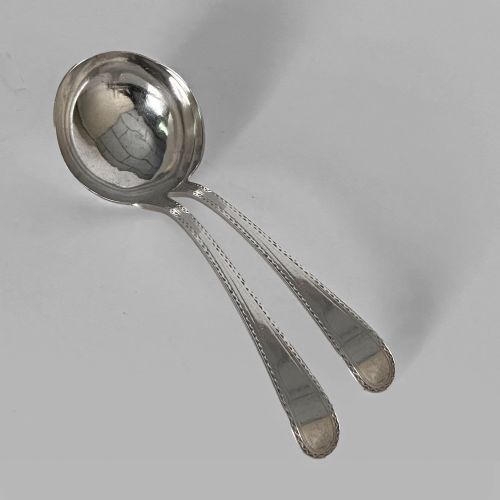


Antique Gravy Spoon
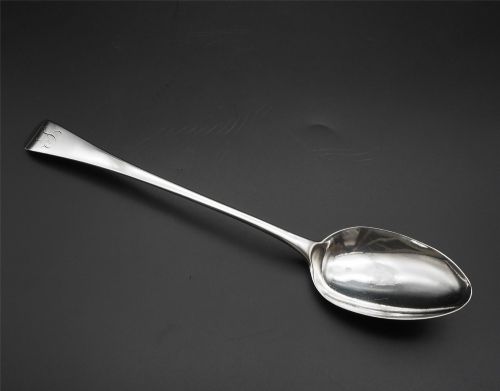
An antique gravy spoon is a substantial serving implement designed for the dining table, combining practical weight with period silverwork.
Antique Gravy Spoon
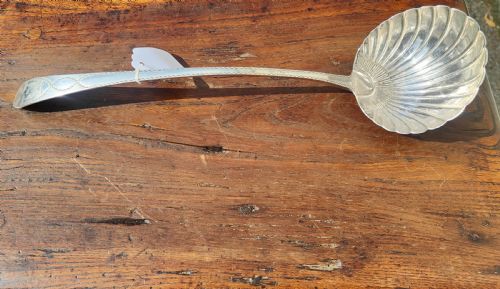
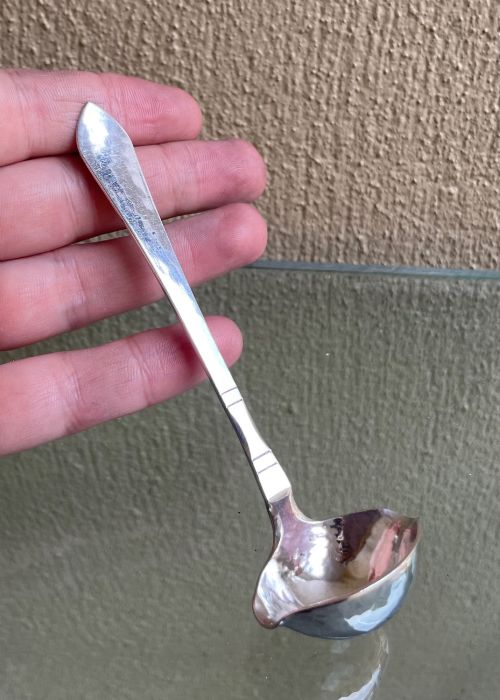
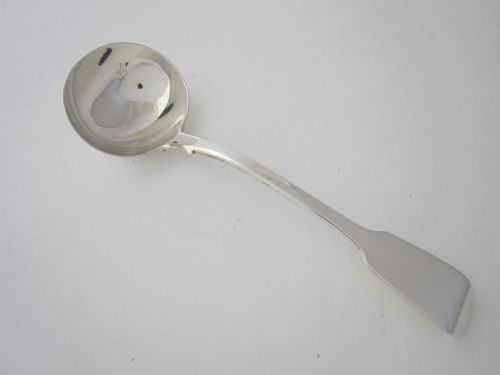
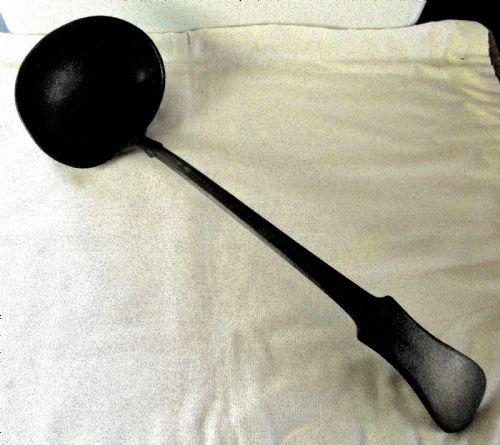
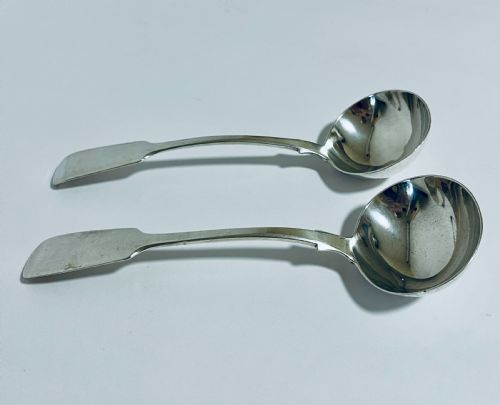
When you search for an antique gravy spoon, you encounter larger serving utensils and ladles spanning the Georgian and Victorian eras. These pieces include specific sauce ladles, straining spoons, and basting implements in sterling silver and silver plate.
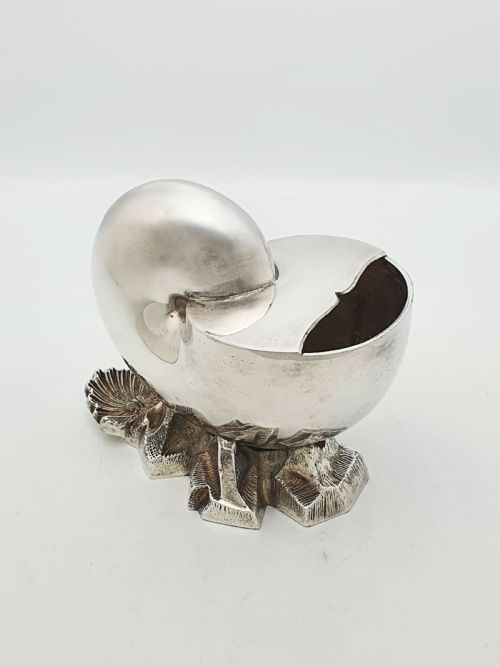
The versions most commonly met on this page date from the eighteenth and nineteenth centuries, featuring regional British and Irish hallmarks alongside continental and plated examples. Forms range from simple Old English patterns to ornate Victorian scrollwork and novelty shell warmers.
Materials and construction methods
Makers primarily utilised sterling silver and durable silver plate over base metals, alongside traditional pewter for utilitarian forms. Silversmiths hammered and shaped these materials to create balanced handles and deep bowls suited to heavy table use.
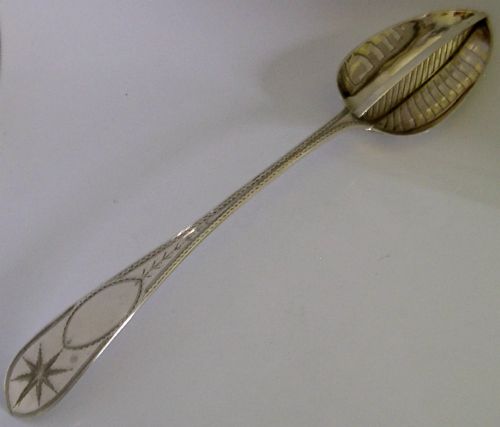
Detailing was achieved through hand-engraving, piercing for straining spoons, and cast decorative patterns such as Fiddle, Queens, and Colonial designs. Makers applied punch marks and hallmarks directly onto the metal to indicate standard and origin.
Victorian dining tables once utilised silver-plated ammonite fossils just to keep the gravy warm.
Judging the standard of execution
Quality rests in the gauge of the metal and the crispness of the hallmarks and chased ornament. Heavier silver gauge ensures the stem resists bending under the weight of sauces and gravies.
Execution of piercing in straining spoons and the precision of the bowl shaping distinguish finer workshop production from standard utility pieces. Preservation of the original surface finish and clear maker marks elevate a piece.
Dixon And Son·Georg Jensen·Hester Bateman·John Locker·John Yates·Samuel Meriton Ii·Tiffany And Co
The Antique Gravy Spoon Glossary
- Hallmark
- Official stamp applied to precious metals indicating the assay office, standard of purity, and date letter. These marks provide a secure method for dating British and Irish silver.
- Old English pattern
- A traditional eighteenth-century flatware design featuring a plain, rounded stem curving upwards at the terminal. It remains a standard benchmark of Georgian silver styling.
- Fiddle pattern
- A nineteenth-century handle shape characterised by a widened, squared shoulder resembling a stringed instrument. This form dominated Victorian dining tables.
- Straining spoon
- A specialised spoon featuring a pierced partition or insert within the bowl to separate solid ingredients from juices. They are frequently found in George III and Victorian formats.
- Silver plate
- A thin layer of silver fused or electroplated onto a base metal such as copper or nickel alloy. This technique allowed makers to produce ornate table wares at a lower cost than solid sterling.
Antique Gravy Spoon: Frequently Asked Questions
What is an antique gravy spoon?
An antique gravy spoon is a large serving utensil created to transfer sauces and juices from a tureen to individual plates during dining.
These pieces typically measure longer than standard table spoons and often feature deep bowls or integrated strainers for practical use.
How do I date a silver gravy spoon?
Dating relies on reading the stamped hallmarks, which include maker marks, town marks, and specific date letters.
Stylistic indicators such as the transition from plain Georgian stems to heavily decorated Victorian patterns also help establish the period of manufacture.
How should I clean antique silver spoons?
Cleaning requires warm water, a mild soap, and a soft cloth to remove everyday tarnish without harming the metal surface.
Avoid harsh abrasive pastes or aggressive dipping solutions that can wear away fine engraving and historic hallmarks over time.