


Antique Graduated Bookshelf
An antique graduated bookshelf offers tiered display and storage, bringing cascading charm and practical organisation to any room.
Antique Graduated Bookshelf
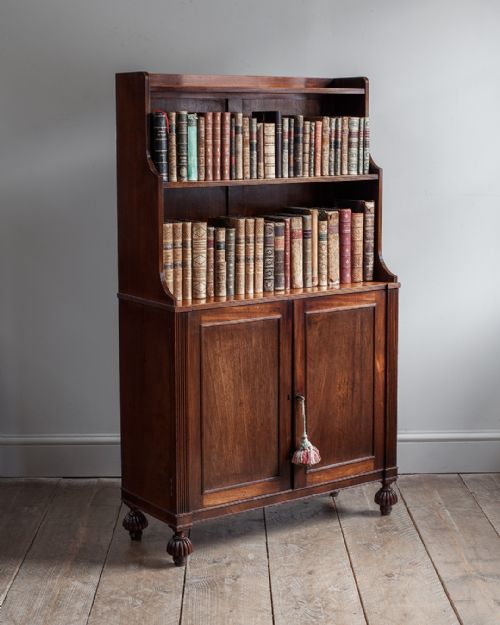
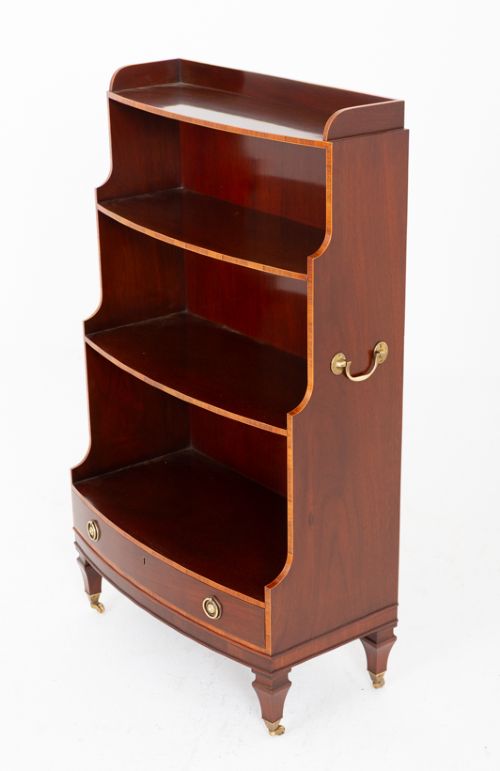
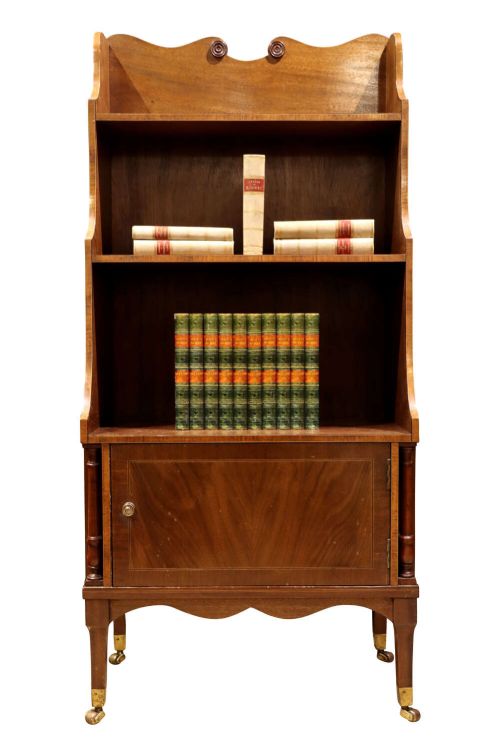
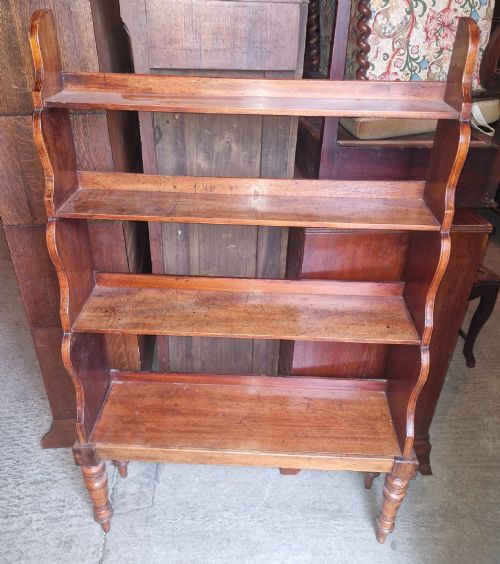
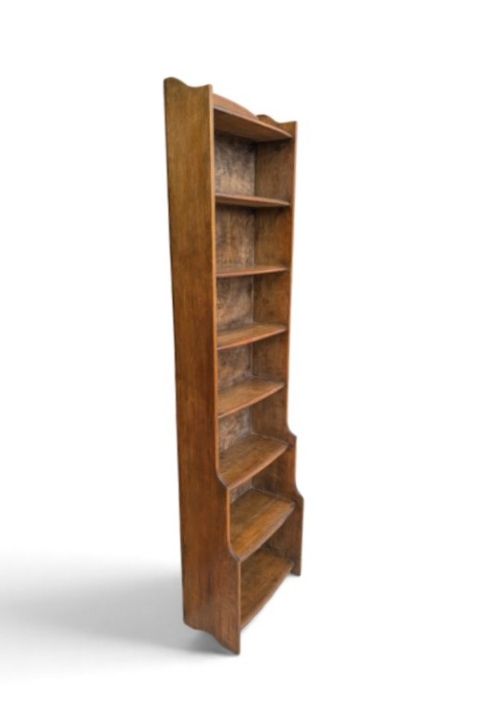
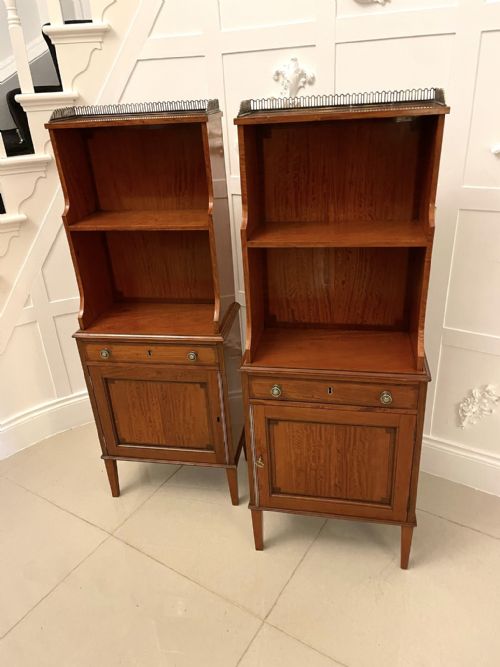
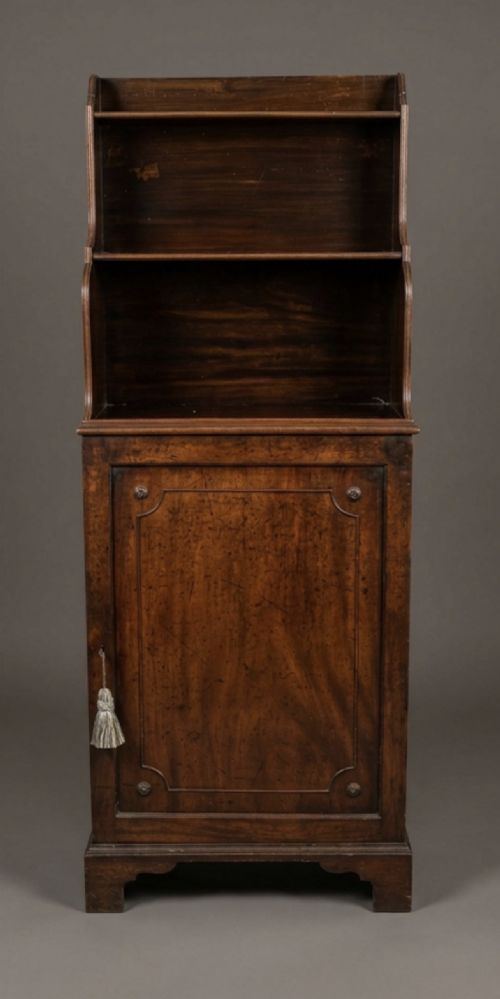
An antique graduated bookshelf provides tiered storage where shelves step back in depth from bottom to top, creating a distinctive profile often called a waterfall bookcase. These pieces appear in forms ranging from open shelf units to variants featuring cupboards, cabinets, or lower drawers.
The selections span periods from the Georgian and Regency eras through the Victorian, Edwardian, and early twentieth century. Common materials include mahogany, rosewood, oak, satinwood, burr walnut, and yew wood, sometimes finished with brass castors or galleries.
Buyers meet examples varying from compact dwarf bookcases to taller multi-tiered versions designed to hold books and display objects. Styles encompass revival designs alongside pieces dating directly from the nineteenth century.
Materials and construction
Cabinetmakers constructed these bookcases using solid timbers and veneers of mahogany, rosewood, oak, and walnut, often accentuating the grain with cross banding and boxwood stringing. Selected pieces incorporate brass castors for mobility and decorative galleries along the upper tiers.
The stepped shelves require precise joinery to ensure stability as the tiers recede toward the top. Makers shaped the side panels into sweeping curves that define the distinctive cascading profile.
Some graduated bookcases include miniature galleries on top, as if tiny balconies were deemed essential for stray volumes.
Assessing quality and craftsmanship
The standard of a piece rests on the choice of timber figure, such as richly grained mahogany or burr walnut, and the crispness of any inlaid stringing or cross banding. Superior examples display refined proportions in the stepped tiers and carefully executed curves on the side panels.
Gillows
The Antique Graduated Bookshelf Glossary
- Waterfall bookcase
- A set of graduated shelves stepping back progressively from bottom to top. This form became popular during the Regency and Victorian periods for displaying books and decorative objects.
- Cross banding
- A strip of veneer applied across the grain of the primary timber along the edges of shelves or panels. This technique creates a neat contrasting border.
- Boxwood stringing
- Thin inlay lines of pale boxwood set into darker timbers to accentuate edges and outlines. It appears frequently on fine Georgian and Regency furniture.
- Gallery
- A raised decorative rail running along the edge of a shelf or top surface. It prevents items from sliding off and adds an ornamental touch.
- Dwarf bookcase
- A low bookcase designed to sit beneath window height or leave wall space clear above. These pieces often feature open shelves combined with lower cupboards.
Antique Graduated Bookshelf: Frequently Asked Questions
What is a waterfall bookcase?
A waterfall bookcase is a tiered piece of furniture with shelves that recede in depth from bottom to top, creating a stepped profile.
Cabinetmakers designed these units to hold books while displaying decorative objects on the upper, narrower shelves.
How were graduated bookshelves used?
These bookshelves served primarily for storing volumes in studies, libraries, and drawing rooms while keeping frequently read texts accessible.
The graduated tiers allowed smaller books and ornaments to sit on top with larger volumes accommodated below.
Where should I place one?
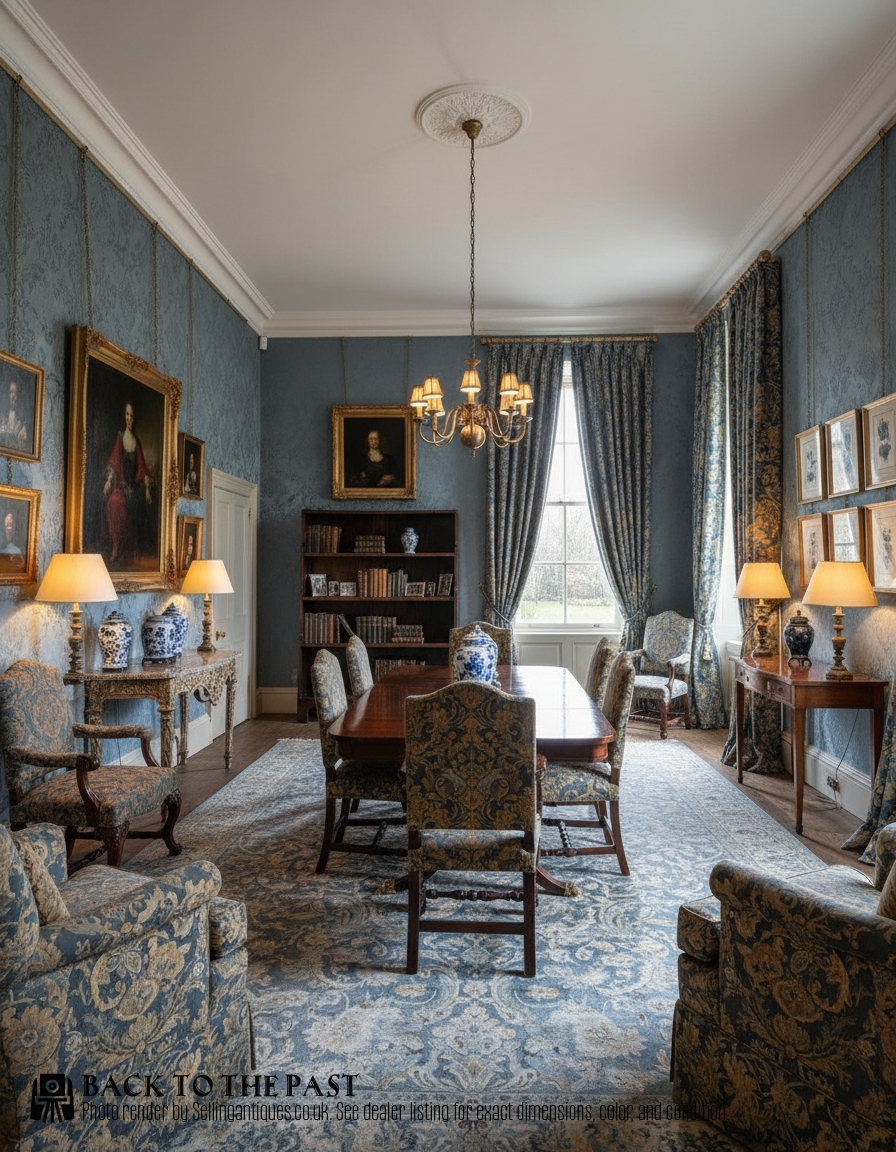
A graduated bookshelf suits living rooms, hallways, and studies where its stepped profile can sit flat against a wall without dominating the floor space.
Compact dwarf versions fit well beneath windows or in alcoves.
How do I identify the period?
Dating relies on timber selection, construction methods, and stylistic details such as stringing, cross banding, and brass castors.
Georgian and Regency examples typically feature solid mahogany or rosewood, while Edwardian pieces often utilise oak or lighter satinwood.