

Antique Gothic Desk
An antique gothic desk brings architectural presence to a room, combining pointed arches and heavy timber with a practical writing surface.
Antique Gothic Desk
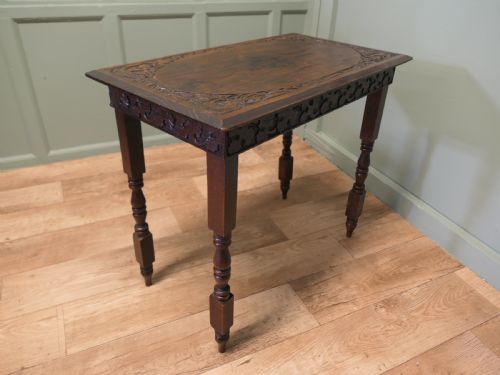
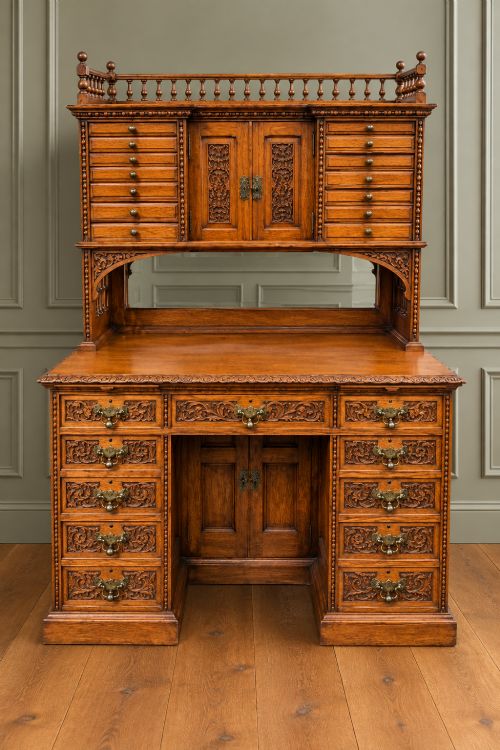
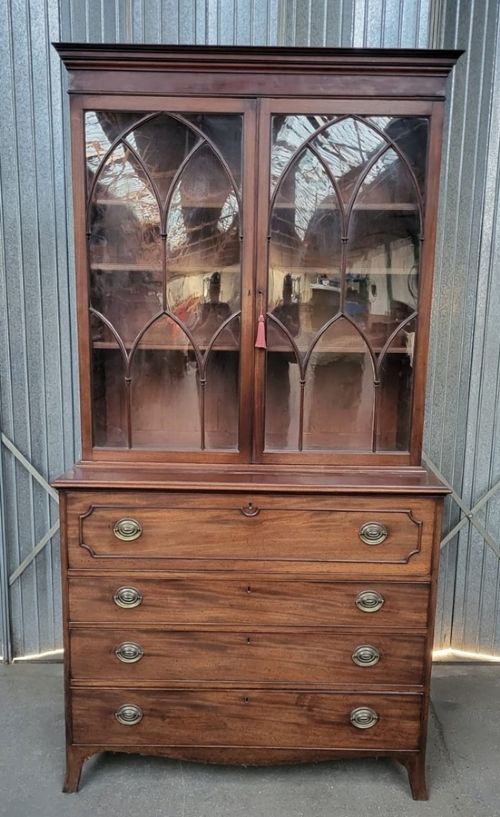
An antique gothic desk draws upon medieval architectural motifs, appearing most commonly in solid oak during the Victorian and Edwardian periods. These pieces range from compact side tables with a single drawer to expansive partners writing tables fitted with leather inserts.
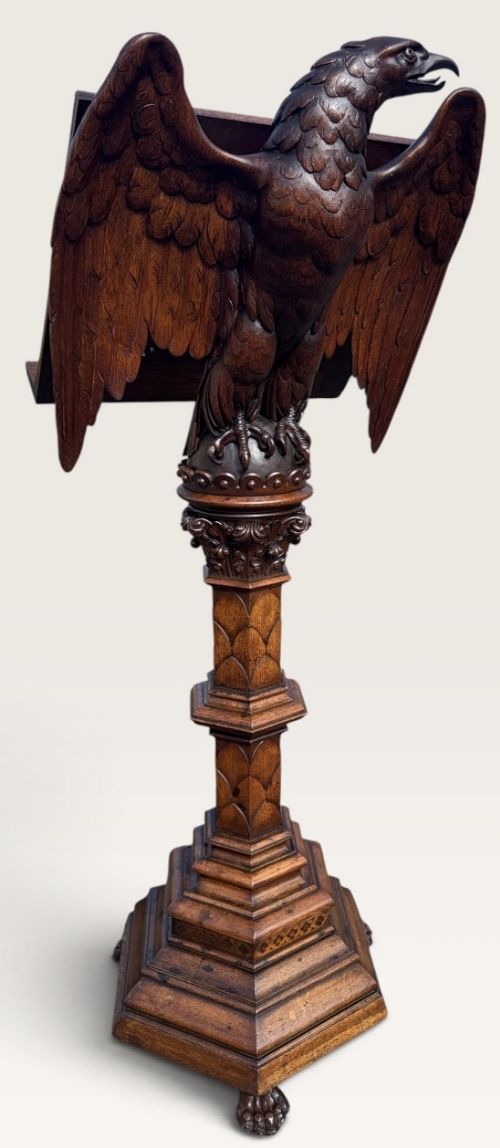
Makers often incorporated linenfold carving, trefoil details, and heavy turned supports directly into the construction of these desks. The style bridges domestic utility and revival aesthetics, creating substantial furniture designed for libraries and studies.
Materials and construction
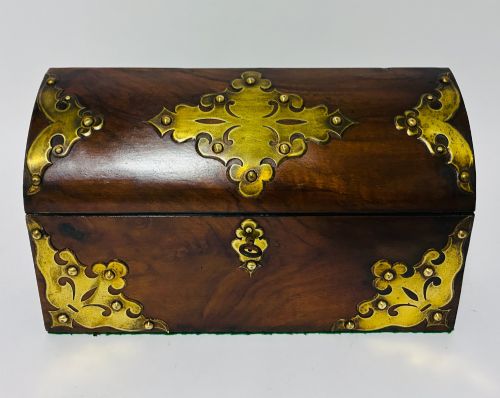
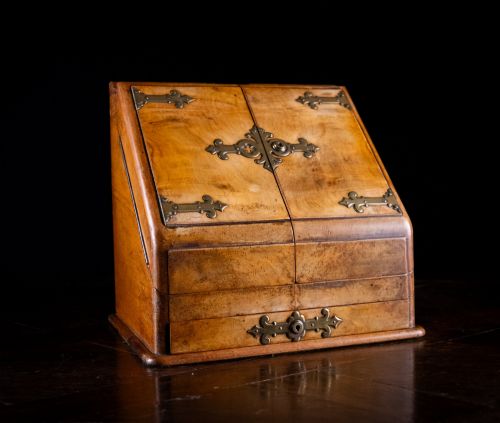
Carpenters relied heavily on sturdy oak, walnut, and pitch pine to build these desks, often pairing the dense timber with brass mounts, hinges, and handles. Leather frequently formed the writing surface inset into the top, providing a durable plane for daily correspondence.
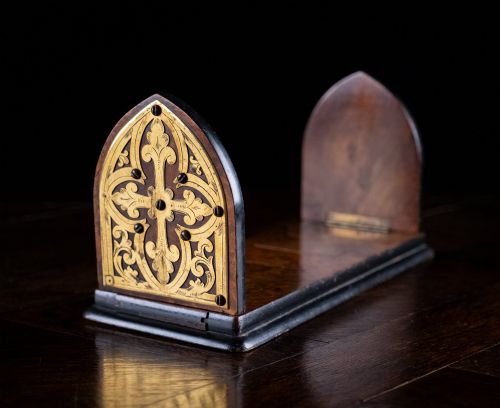
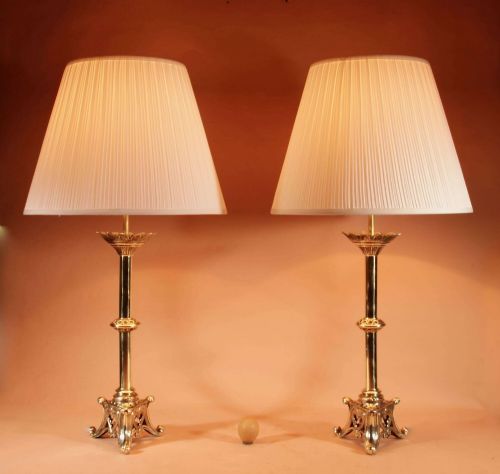
Joinery techniques included mortise and tenon frames alongside intricate hand-carved linenfold panels and tracery. Brass and glass appeared in associated desk accessories and lamps, completing the medieval revival aesthetic.
Materials recorded across these items include brass, oak, glass, mahogany, leather, fabric, walnut, and iron.
Judging the standard of execution
The distinction between ordinary and superior pieces rests on the crispness of the hand-carved architectural details, such as trefoils and tracery. Crisp, deep relief carving in dense oak separates a workshop's finer output from mechanical production.
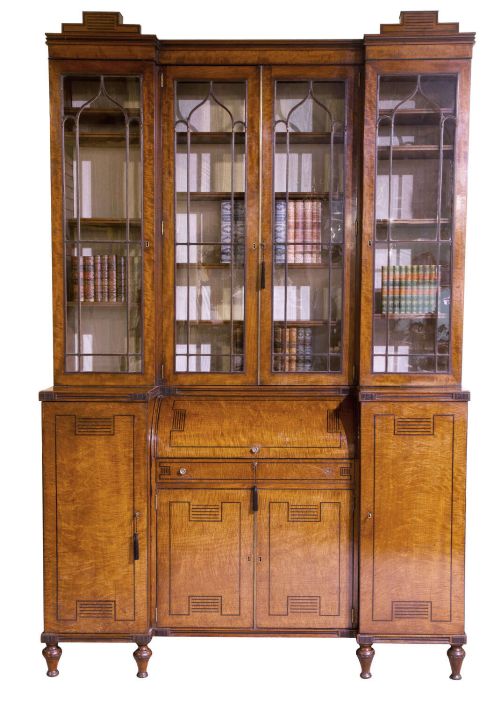
Hardware selection and secondary timber choice also signal standard, with heavy cast brass fittings and well-figured mahogany or walnut elevating the piece. The integration of functional elements like revolving mechanisms or fitted drawers without binding determines structural success.
Gillows·Winterhalder
The Antique Gothic Desk Glossary
- Linenfold
- A style of wood carving that imitates folded fabric, frequently seen on the panels of desks and cupboards from this tradition. It creates vertical texture reminiscent of church panelling.
- Trefoil
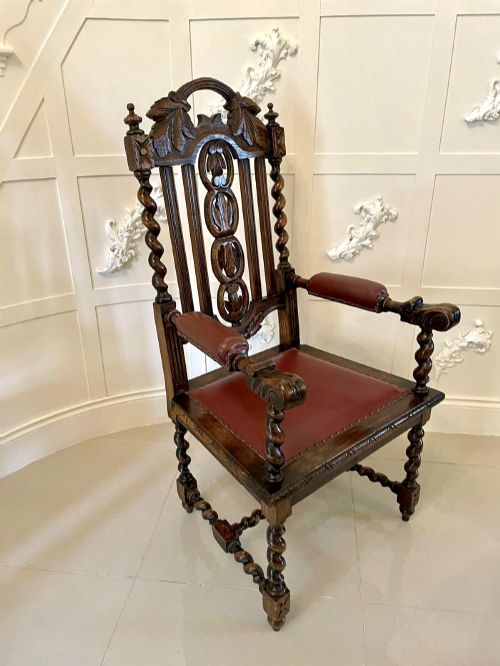
- A graphic ornament composed of three rounded lobes arranged in a cloverleaf shape, often pierced through chair backs and desk galleries. This motif derives directly from Gothic stone window tracery.
- Partners desk
- A large table designed with drawers on opposite sides so two people can work facing each other. These usually feature inset leather writing surfaces.
- Pitch pine
- A resinous North American softwood utilised in some nineteenth-century furniture for its strong grain pattern and durability. It takes a warm finish under polish.
Antique Gothic Desk: Frequently Asked Questions
What woods were used for gothic revival desks?
Makers predominantly utilised oak, alongside walnut, mahogany, and pitch pine for specific commissions. Oak remained the preferred choice for its strength and sympathy with medieval architectural styles.
Secondary timbers inside drawers often included softwoods, while decorative desks occasionally employed exotic woods like coromandel or ebonised finishes for visual contrast.
How do I date a nineteenth-century writing table?
Dating relies on examining the construction of the drawers, the style of the brass hardware, and the specific characteristics of the Gothic Revival ornamentation. Pieces from the middle of the century often display heavier, structural carved elements.
Later Victorian and Edwardian examples may integrate softer lines or factory-assisted carving alongside traditional joinery methods.
Are these desks suitable for daily computer use?
Many partners tables and library writing desks offer generous surface areas and sturdy frames capable of supporting modern technology. The inclusion of leather writing inserts provides a durable platform for writing and administrative work.
Care should be taken to measure leg clearance beneath the drawers, as older desks can occasionally sit lower than modern counterparts.
How do I care for the leather writing surface?
The leather inset benefits from occasional cleaning with a slightly damp cloth and treatment with a suitable leather preservative to prevent cracking. Avoiding direct sunlight helps preserve the colour and supple texture of the hide.
Spills should be blotted immediately to prevent staining the underlying timber and the leather itself.