



Antique Gothic Box
An antique gothic box brings heavy timber, forged metal, and medieval architectural motifs into domestic rooms.
Antique Gothic Box
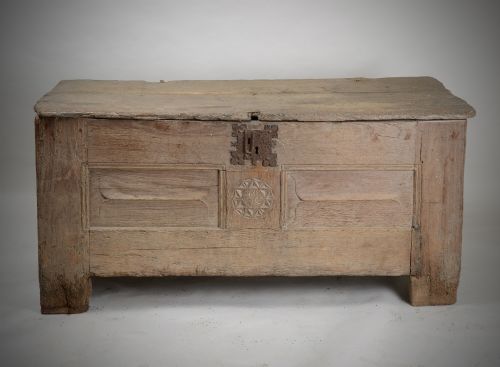
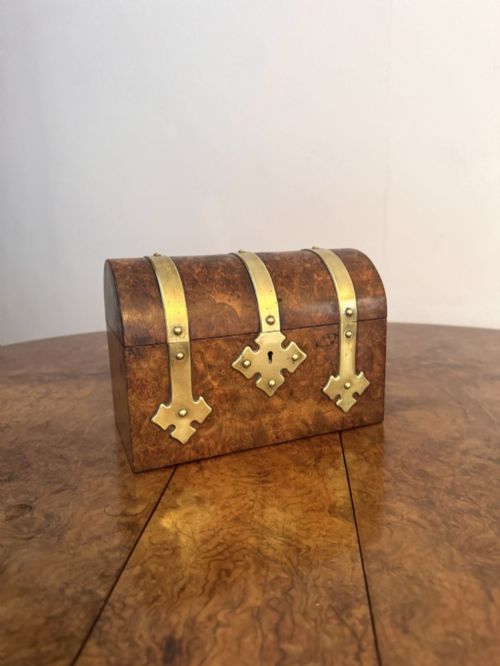
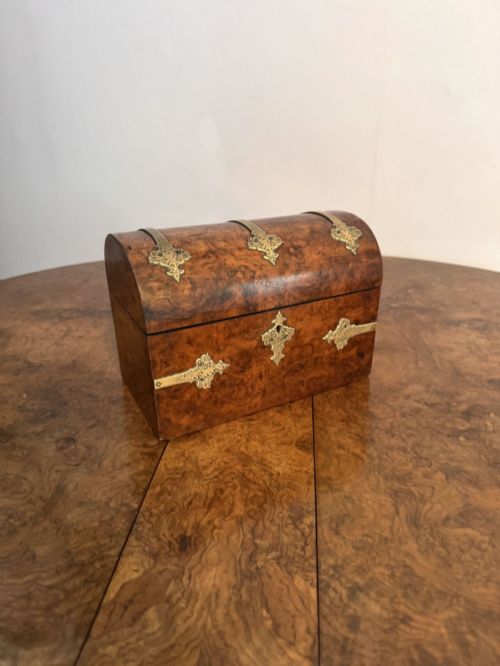
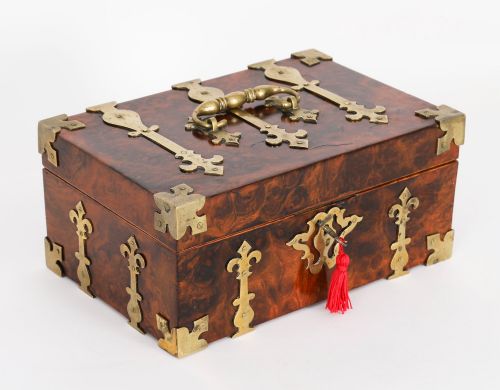
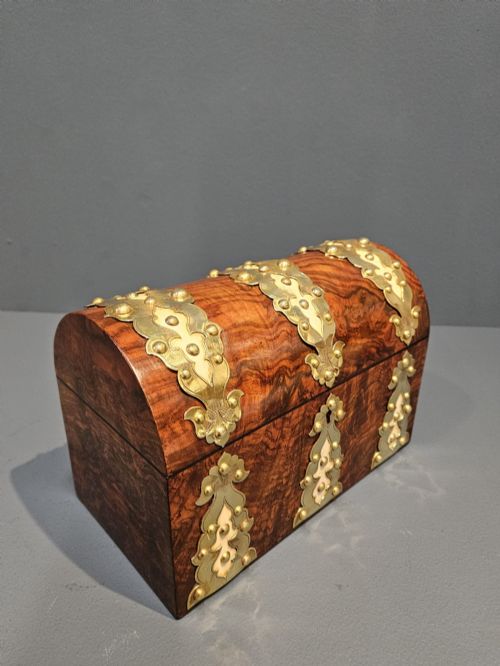
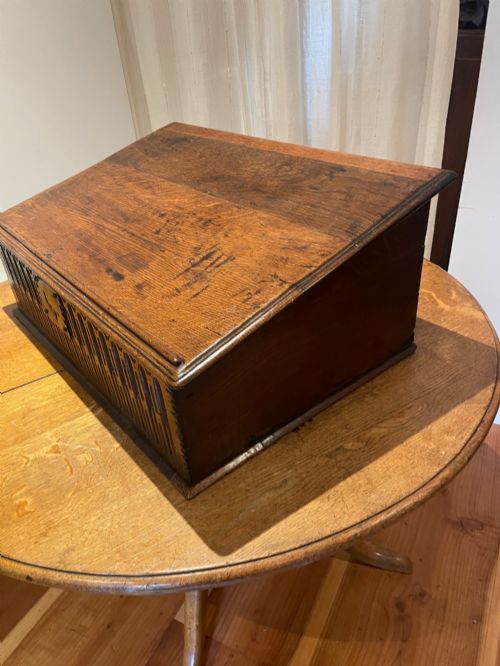
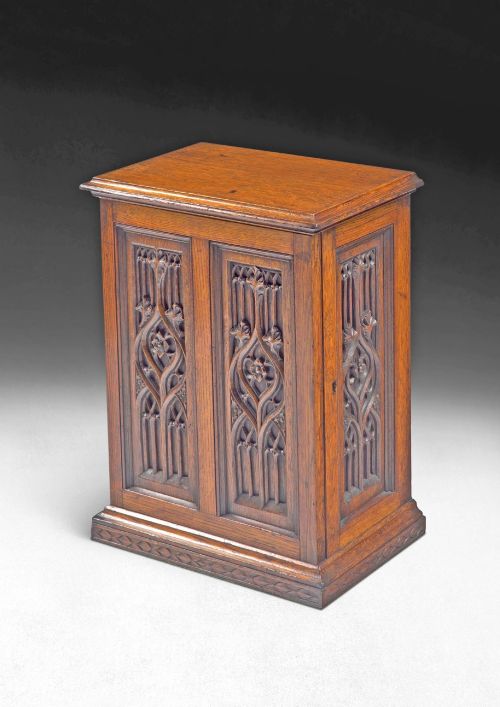
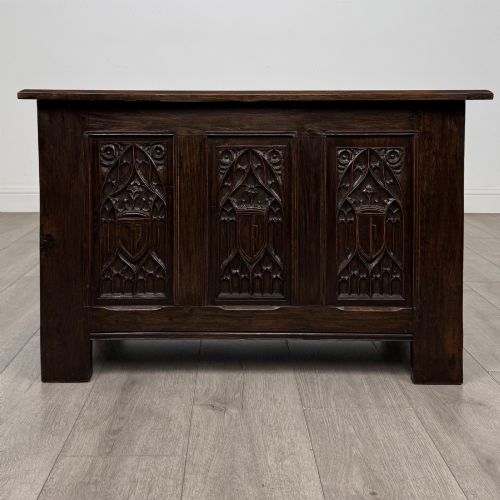
When you search for an antique gothic box, you encounter pieces that range from small desk stationery cabinets and correspondence caskets to large oak coffes, blanket chests, and hall benches. These objects span from the sixteenth century through the seventeenth century, with many later interpretations emerging during the Victorian and Edwardian periods.
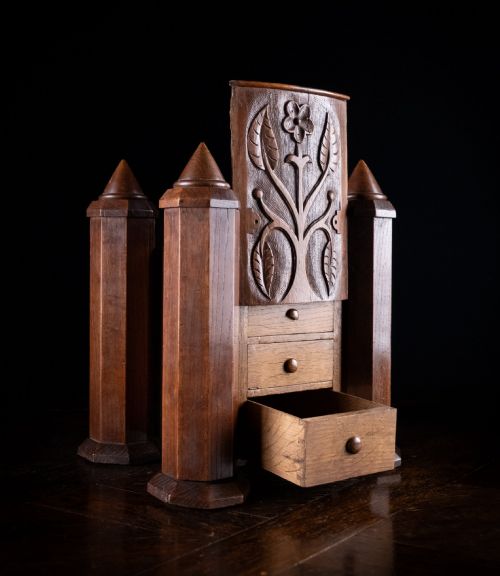
The domestic forms vary widely according to their original purpose, encompassing tea caddies, glove boxes, sewing cases, and candle boxes alongside massive ecclesiastical coffers and cathedral chests. Pieces frequently display revivalist traits, incorporating pointed arches, tracery, and linenfold carving onto utilitarian household containers.
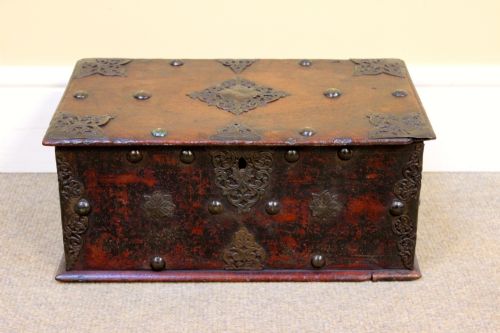
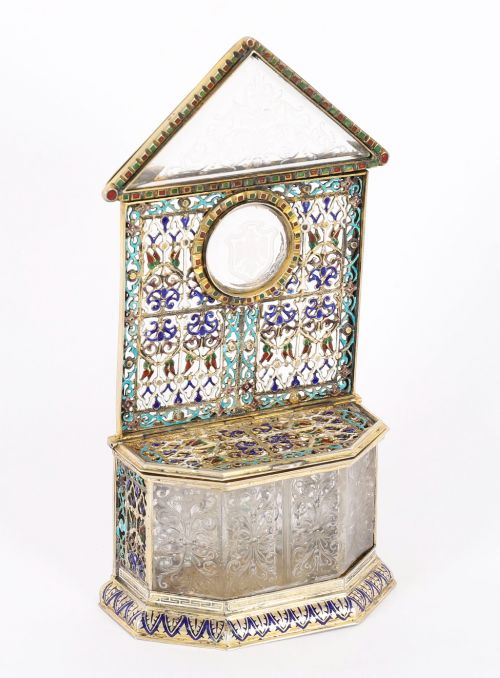
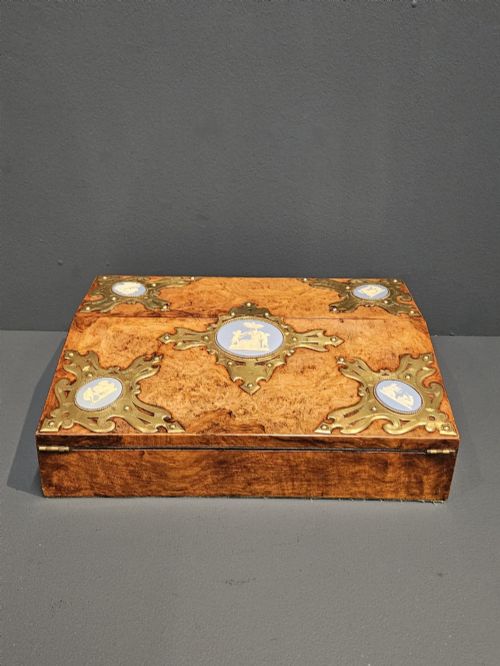
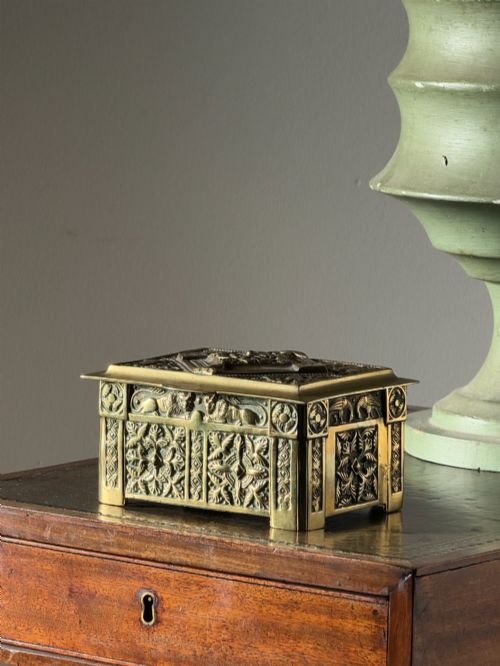
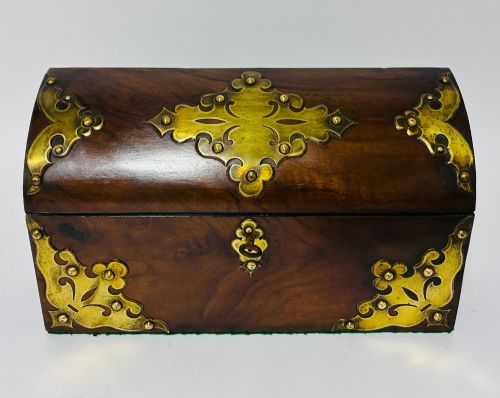
On this page, walnut, oak, and coromandel examples appear alongside metal caskets mounted with brass and iron. The selection bridges heavy medieval plank construction and refined nineteenth-century desktop accessories.
How they were made
Makers utilised solid timbers such as oak, elm, and walnut for the structural carcasses, frequently employing heavy planks joined with primitive pegging or dovetailing on earlier examples. Finer nineteenth-century desk accessories and stationery boxes display decorative veneers of burr walnut, amboyna, and coromandel applied to a secondary wood base.
Metalwork played a critical role in construction and ornamentation, with wrought iron, brass, and steel used for hinges, lockplates, corner mounts, and carrying handles. Beaten and riveted steel plates, cloisonné enamel, and agate cabochons appear on later arts and crafts caskets, combining structural reinforcement with decorative surface detail.
Antique Gothic Box Retail Price Guide 2026
Typical asking prices for gothic box among the pieces listed under this phrase on Sellingantiques today, from the lower quarter to the upper quarter. They describe what is for sale here now, not the wider market.
Materials range from humble native oak and elm to exotic coromandel and burr walnut.
What varies in quality
Quality rests in the crispness of the architectural carving and the integrity of the original construction materials. Early coffes depend on the depth and hand-carved precision of their tracery and panel work, while later boxes rely on the selection of figured burr veneers and the heavy gauge of their brass binding.
The retention of original operational hardware, such as working locks, keys, and matching hinges, separates standard utilitarian pieces from exceptional examples. Interior fittings, including silk-lined compartments, removable trays, and fitted stationery dividers that survive intact, elevate the status of desk cabinets and caskets.
Christopher Dresser·Jack Grimble
The Antique Gothic Box Glossary
- Coffer
- A heavy wooden chest traditionally used for storing valuables, linens, or documents. These sturdy containers often feature robust plank construction and iron reinforcement.
- Tracery
- Architectural ornamentation resembling openwork stone patterns, commonly carved into the wooden panels of gothic revival doors and chest fronts. This decorative feature mimics church window designs.
- Coromandel
- A dense, heavily grained exotic timber imported from Asia, prized for its rich dark brown colour and contrasting light streaks. Cabinetmakers utilised it for luxury desktop boxes during the nineteenth century.
- Cartouche
- An ornamental tablet or panel shaped like an unfurled scroll, frequently framed by carved moulding. It appears on sixteenth and seventeenth-century woodwork for heraldic crests or inscriptions.
- Linenfold
- A style of wood carving that imitates folded parchment or linen cloth, popular on sixteenth and seventeenth-century panels. This technique adds texture and depth to flat wooden surfaces.
Antique Gothic Box: Frequently Asked Questions
What is an antique gothic box used for?
These boxes served practical storage functions in domestic and ecclesiastical settings, holding documents, textiles, cutlery, and valuables. Smaller Victorian versions organised writing paper, correspondence, and writing implements on a desktop.
Today, collectors utilise them for similar storage purposes, placing blanket chests at the foot of beds or displaying stationery cabinets and caskets on tables and sideboards.
How do I date an antique gothic box?
Dating relies on examining the timber species, construction methods, and hardware. Sixteenth and seventeenth-century pieces display hand-riven oak planks, pegged joints, and heavy ironwork, whereas nineteenth-century examples incorporate machine-sawn elements and refined brass bindings.
Stylistic shifts also provide clues, as true medieval and Tudor pieces show simple utilitarian construction with sparse carving, while Victorian gothic revival items apply architectural motifs like pointed arches onto sophisticated luxury boxes.
Are these boxes made of solid oak?
Many early pieces from the sixteenth and seventeenth centuries utilise solid oak throughout their construction. Elm and other native hardwoods also appear in heavy plank coffers.
Later nineteenth-century examples often combine a secondary softwood or mahogany carcass with decorative exotic veneers like burr walnut, amboyna, or coromandel on the exterior surfaces.
How do I care for wooden gothic boxes?
Preserving these pieces requires maintaining stable humidity levels away from direct heat sources and sunlight to prevent the timber from splitting or warping. Occasional application of microcrystalline wax feeds the wood and protects the historical surface.
Metal mounts and brass bindings benefit from gentle dusting without abrasive chemical cleaners to preserve the natural patina accumulated over centuries.