

Antique Gold Wall Glass
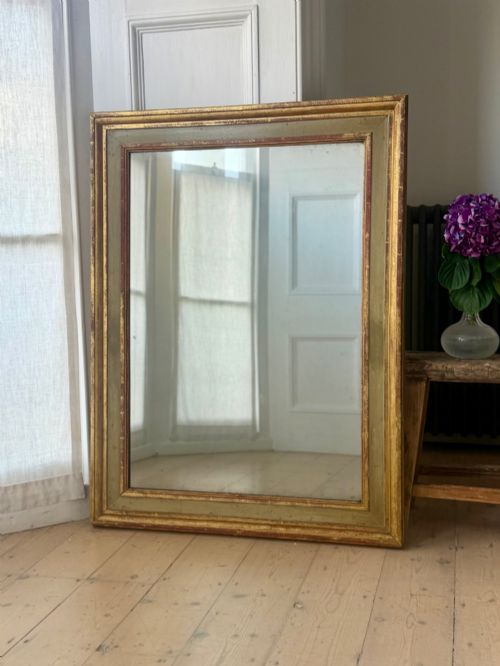
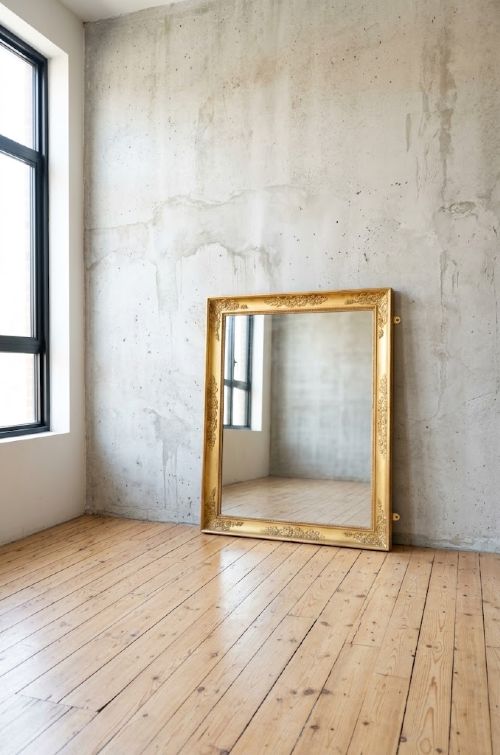
These antique gold wall glass pieces bring historical presence and reflective light to a room through centuries of gilt craftsmanship.
Antique Gold Wall Glass
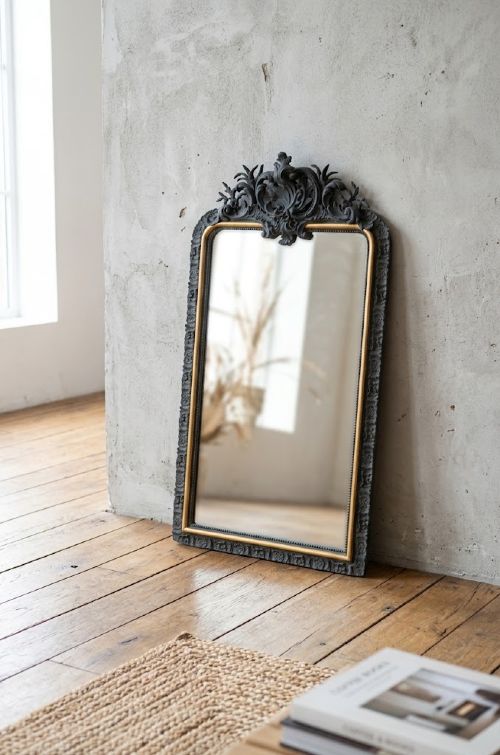
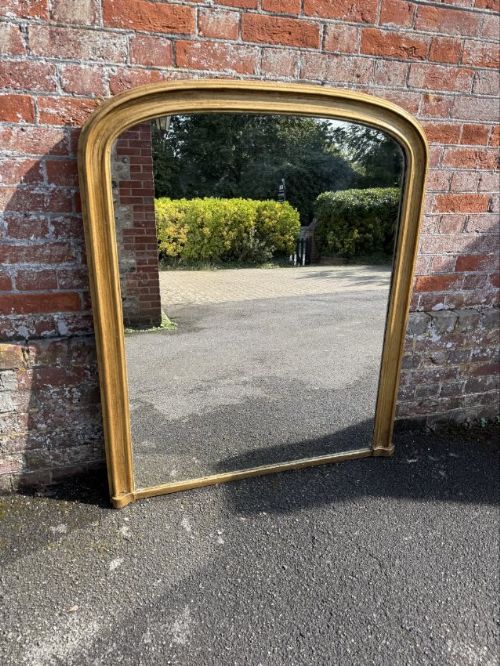
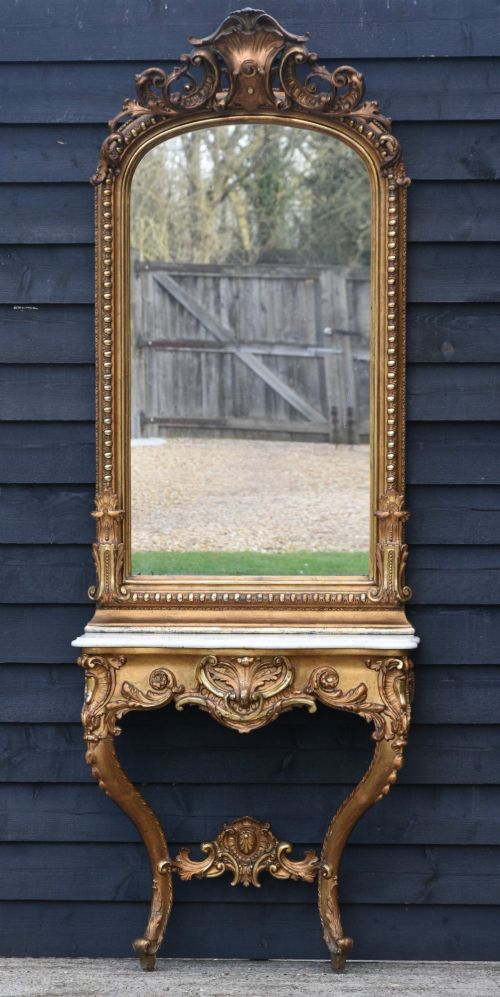
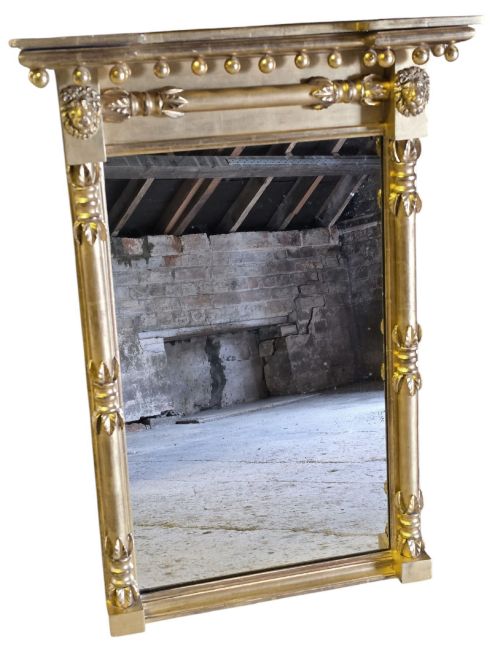
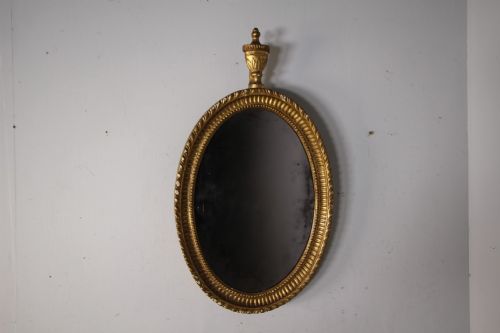
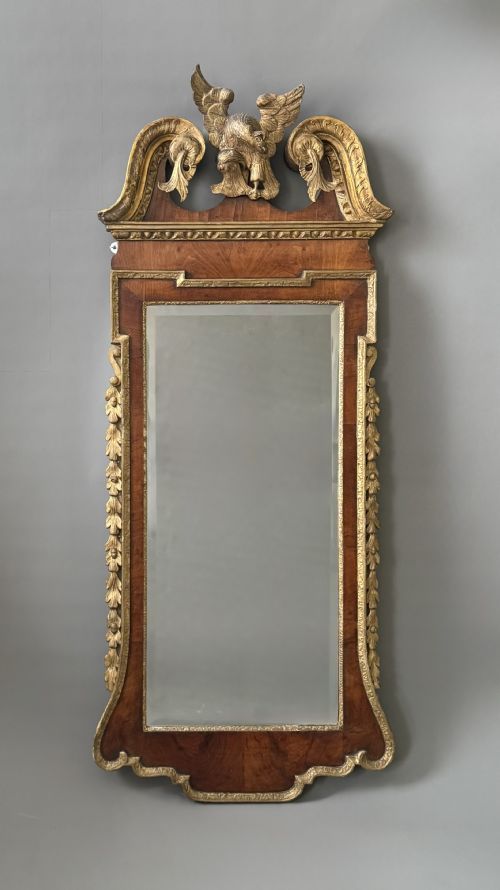
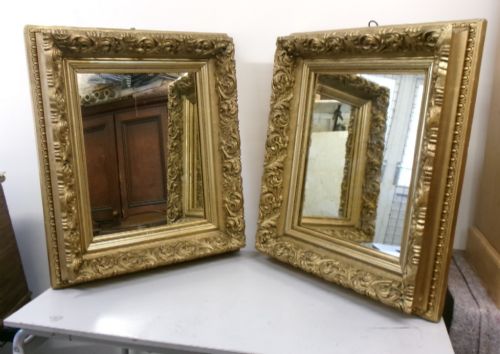
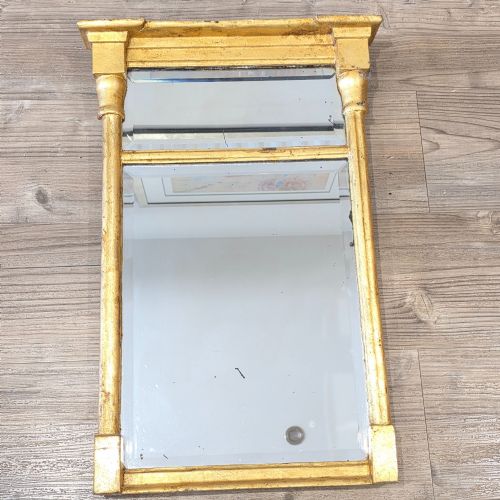
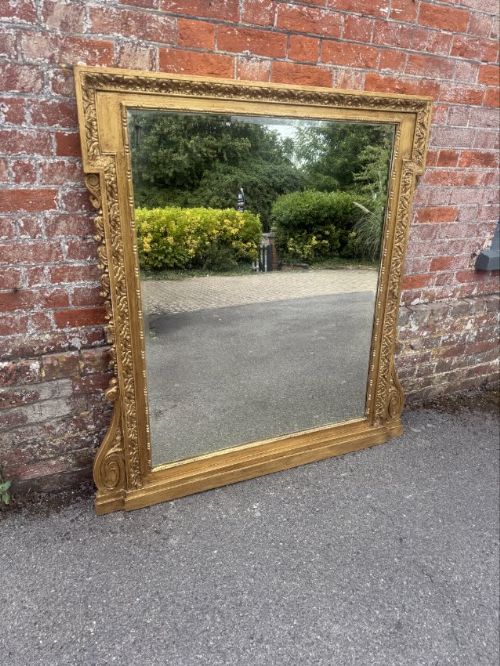
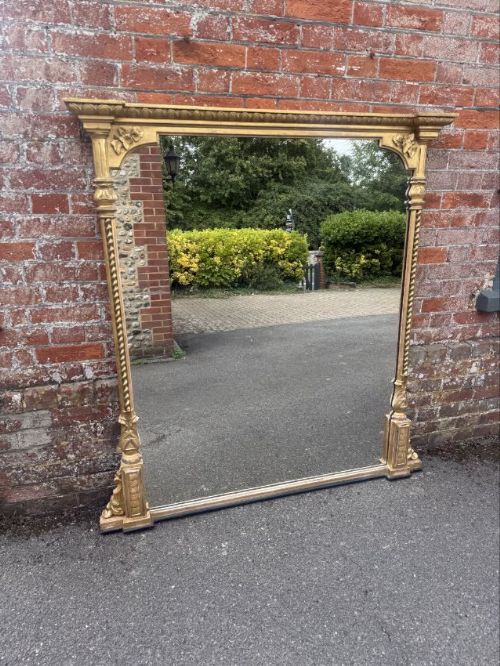
Antique gold wall glass encompasses a variety of reflective wall furnishings, dominated here by grand overmantle mirrors, pier glasses, and decorative wall mirrors dating from the eighteenth through the early twentieth centuries. Pieces originate from both English and French workshops, ranging from restrained Georgian walnut designs to flamboyant Rococo Revival and Regency creations.
Buyers encounter numerous regional variations, including French Louis Philippe and Napoleon III frames adorned with mythological carvings alongside English carved wood and gesso pieces displaying rope twist or classical architectural details. These items function primarily as decorative focal points that amplify interior light.
How they were made
Construction relies heavily on carved timber frames built from woods such as oak, mahogany, or walnut, which are then coated in layers of gesso to create smooth surfaces for gilding. Artisans applied thin sheets of gold leaf or utilised painted wood finishes to achieve the characteristic metallic lustre seen across the inventory.
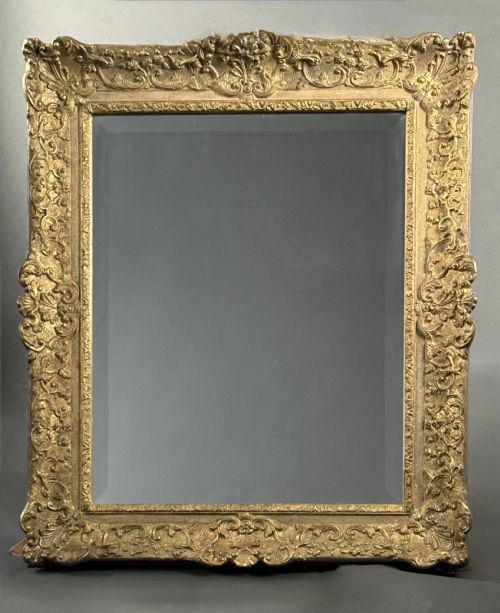
Reflective surfaces consist of traditional mirror glass, frequently featuring mercury backing or distinct foxing on older eighteenth-century plates that develops with age. Frames often incorporate composition ornaments moulded separately and applied to the wood base before final gilding.
The listings span the eighteenth, nineteenth, and early twentieth centuries, featuring Regency, Victorian, and French Rococo Revival styles.
What varies in quality
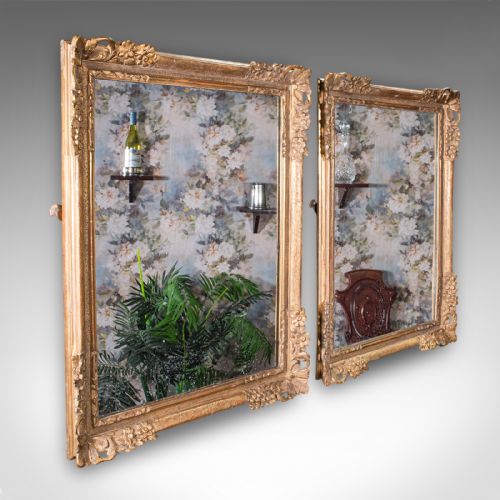
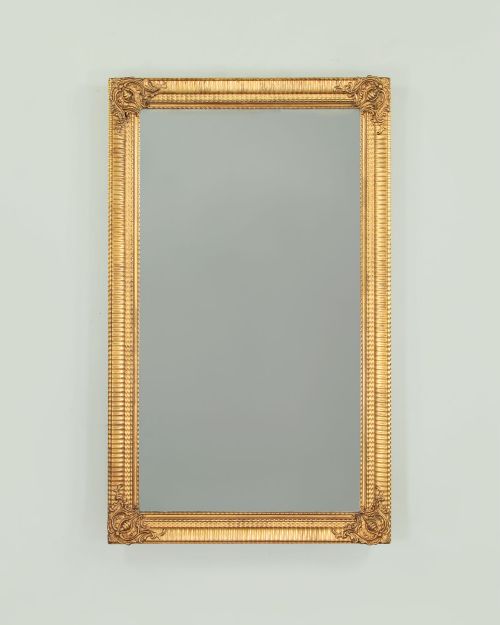
The depth and definition of the carved ornamentation separate standard examples from superior works, with hand-chiselled wooden details outperforming moulded composition decoration. Crispness in the floral garlands, lion masks, or scrollwork indicates the level of craftsmanship invested by the original artisan.
The preservation of the original mercury glass plate and the intactness of the gold leaf finish influence the character of each piece. Superior examples retain their original gilding without excessive over-painting, while mirror plates show desirable age-related oxidation rather than modern replacement.
The Antique Gold Wall Glass Glossary
- Giltwood
- Timber that has been coated with gold leaf. This material forms the primary structure of many decorative frames in the collection.
- Pier glass
- A tall mirror designed to hang on the narrow wall space between windows. These pieces often coordinate with matching console tables.
- Overmantle mirror
- A wide mirror specifically proportioned to hang above a fireplace mantelpiece. They frequently feature arched tops and substantial decorative framing.
- Gesso
- A plaster-like mixture applied to wood frames to provide a smooth base for gilding. Artisans carved intricate details directly into this layer.
- Mercury glass
- An early type of mirror plate created by pouring a mercury and tin amalgam behind glass. It produces a characteristic mottled reflection over time.
Antique Gold Wall Glass: Frequently Asked Questions
How do I hang a heavy antique mirror?
Heavy giltwood frames require secure wall fixings anchored directly into structural studs or masonry rather than standard drywall anchors. Professional installation ensures the substantial weight of the timber and glass is properly supported.
Position the mirror at a height that reflects eye-level interior elements or light from windows to maximise its visual impact within the room.
What is mercury glass?
Mercury glass refers to mirror plates produced using a silvering technique involving liquid mercury, common in eighteenth and nineteenth-century pieces. This method creates a deep, slightly uneven reflection that ages distinctively.
Over decades, the backing develops dark spots known as foxing, which collectors value as a sign of authenticity.
How do I clean antique gilt frames?
Dust giltwood frames gently using a soft, dry brush to avoid disturbing fragile gold leaf or composition mouldings. Moisture and chemical cleaners can strip the historical finish from the wood.
Keep glass surfaces clean with a minimal amount of window cleaner applied to a cloth rather than sprayed directly onto the plate.
How do I date an antique mirror?
Dating relies on examining the construction techniques of the wooden frame, the style of carving, and the composition of the glass plate. Georgian and Regency pieces display different joinery and decorative motifs compared to later Victorian or Edwardian revivals.
Backboards, framing nails, and the presence of original mercury glass provide further chronological indicators for the piece.