
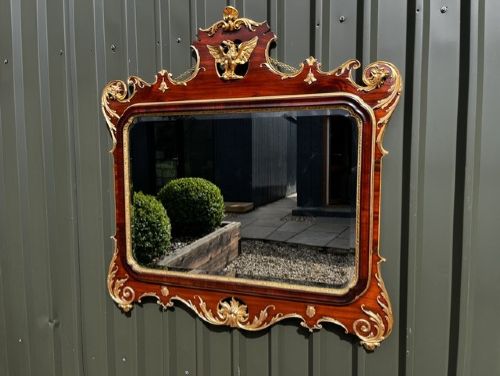
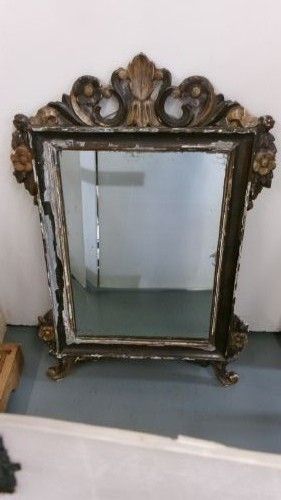


Georgian Rococo Wall Glass
A georgian rococo wall glass brings asymmetric verve and reflective light into a room, capturing the flamboyant spirit of eighteenth-century design.
Georgian Rococo Wall Glass
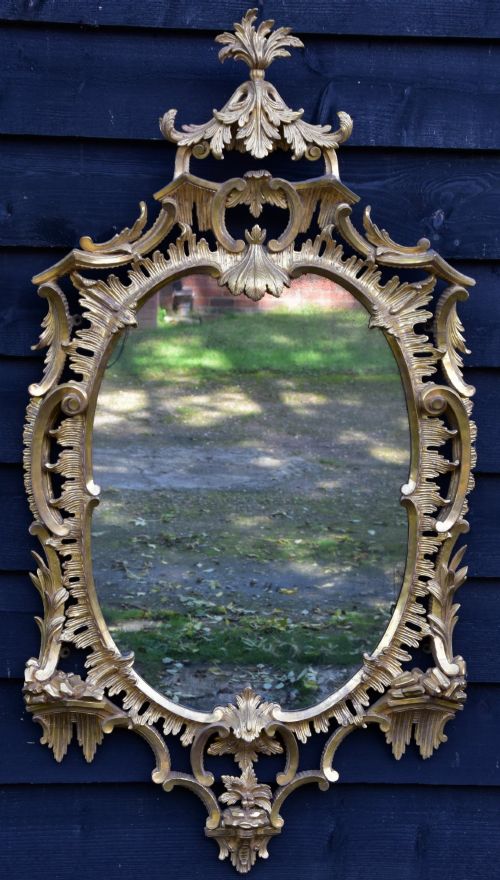
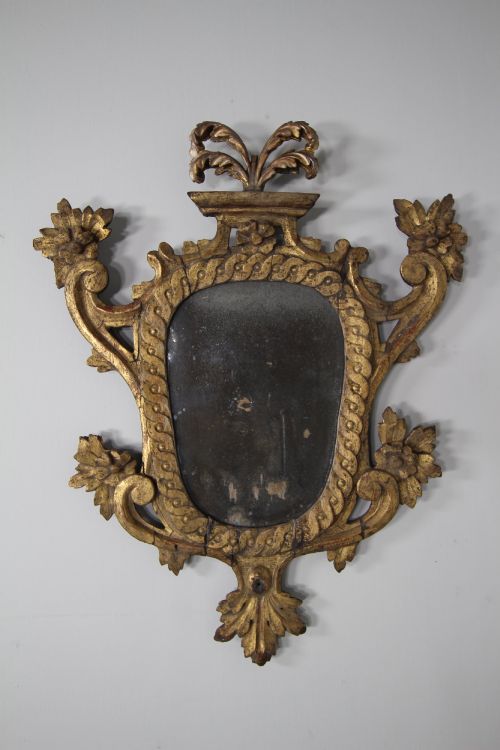
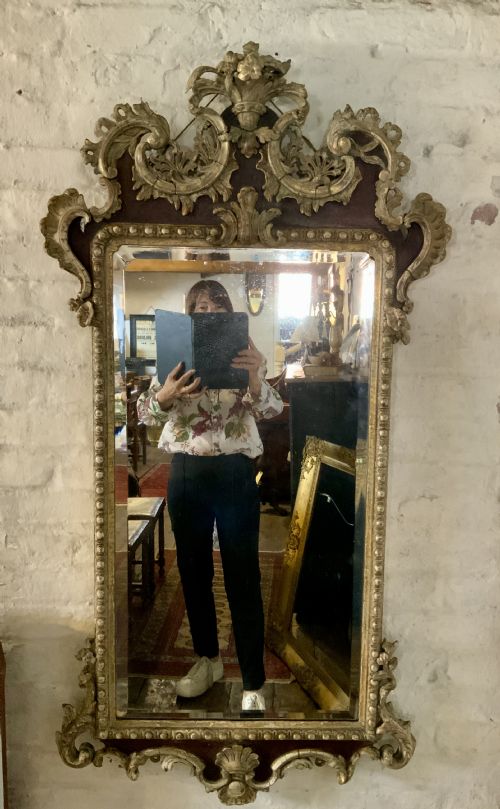
A georgian rococo wall glass primarily takes the form of an elaborate wall mirror, overmantel mirror, or pier glass designed to catch and amplify the natural light of a period interior. These pieces range from compact fretwork frames to large, commanding giltwood plates intended as principal focal points above a chimney piece or console.
The versions most commonly met on this page span the eighteenth century and the George III period, alongside later nineteenth-century revivals that echo the same fluid ornamentation. Makers from this era embraced lively silhouettes defined by C-scrolls, asymmetrical foliage, and architectural moulding.
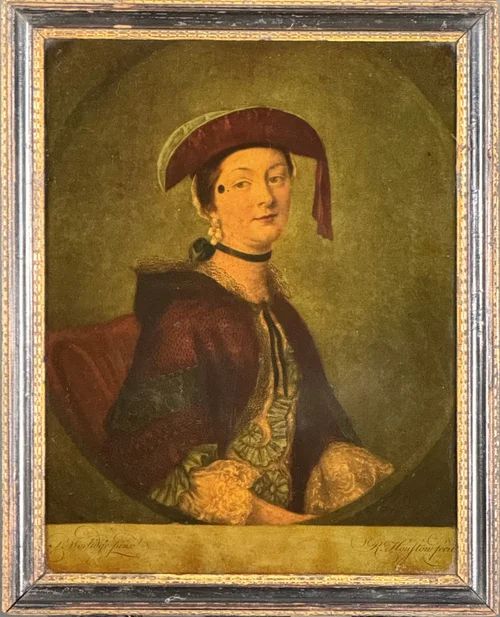
Beyond standard looking glasses, the selection occasionally extends to related wall-hung items from the same era, including framed prints and decorative wall panels sharing identical stylistic lineage. The dominant presence, however, remains the carved and gilded wooden frame holding an original or period mirror plate.
How they were made
Carved wood and gesso form the structural foundation of these frames, providing a receptive base for intricate surface ornamentation such as gold leaf or silver gilt. Artisans shaped timber substrates like mahogany, sycamore, or walnut before applying thin layers of gesso to carve fine details like floral motifs and scrolling ribbons.
Gilding techniques relied on the meticulous application of gold leaf over bolus, which was then burnished to achieve varied sheens across raised reliefs and recessed hollows. In some instances, parcel-gilt treatments were combined with painted surfaces or reverse-painted glass elements to add chromatic depth to the overall composition.
Keep an eye out for whimsical carved creatures, including squirrels and Ho Ho birds perched within the wild scrolling foliage.
What varies in quality
The depth and crispness of the carving distinguish a superior georgian rococo wall glass from more mechanical later interpretations, as hand-chiselled details reveal the confidence of the original artisan. Superior examples display spirited asymmetry and organic flow where foliage and scrolls appear energetic rather than stiff.
The integrity of the gilding and the survival of the original mirror plate heavily influence the standing of any piece, with untouched historic surfaces holding greater character than heavily restored equivalents. Furthermore, the complexity of integrated motifs, such as flanking birds or intricate fretwork panels, marks the upper tier of craftsmanship.
Charles Spooner
The Georgian Rococo Wall Glass Glossary
- Giltwood
- Timber that has been coated with gold leaf or gold paint, frequently applied over a prepared gesso layer. This finish creates a luminous metallic surface that defines many grand eighteenth-century mirrors.
- Gesso
- A plaster-like mixture applied to wooden frame foundations to create a smooth, workable surface for fine carving and gilding. It allows artisans to render crisp relief details before applying gold leaf.
- Pier glass
- A tall mirror specifically designed to hang on the wall space between two windows, often placed above a pier table. These tall plates maximised interior light reflection in formal rooms.
- Overmantel mirror
- A wide horizontal looking glass created to sit directly above a fireplace mantelpiece. They anchor the domestic hearth within the decorative scheme of the room.
- Parcel-gilt
- A decorative treatment where only specific portions of a wooden object are gilded, leaving the underlying timber exposed elsewhere. This technique highlights particular carved details against a contrasting wood grain.
Georgian Rococo Wall Glass: Frequently Asked Questions
How do I hang a heavy antique wall glass?
Heavy antique frames require robust wall fixings anchored directly into structural studs or masonry rather than relying solely on standard plasterboard hooks. Professional mirror hangers typically employ heavy-duty battens or weight-distributed D-rings to ensure the piece remains secure.
Because eighteenth-century frames possess delicate carved elements and substantial glass weight, positioning them at eye level away from direct moisture sources preserves both the timber and the original gilding.
Are original mirror plates usually flawed?
Original antique glass plates frequently exhibit minor foxing, dark speckling, or gentle distortion resulting from historical manufacturing limitations and centuries of oxidation. These natural signs of age confirm the authenticity of the glass rather than detracting from its decorative merit.
Collectors generally prize untouched original plates for the soft, undulating reflections they cast, which differ markedly from the clinical clarity of modern float glass.
How should I clean a giltwood frame?
Giltwood frames require extremely gentle maintenance, usually limited to very careful dusting with a soft, dry brush to remove settled particles without disturbing the delicate gold leaf. Moisture and modern chemical cleaning agents must be strictly avoided because they can dissolve the underlying gesso.
Professional conservation is recommended for any significant accumulation of grime or structural instability to prevent accidental loss of historic material.
How do I distinguish eighteenth-century pieces from later revivals?
Eighteenth-century examples typically display hand-cut joinery, aged pine or hardwood secondary woods, and subtle tool marks hidden behind the gilding. The carving style possesses an instinctive fluidity characteristic of period artisans working within the rococo idiom.
Nineteenth-century revival pieces often utilise standardised machine-cut components and denser modern plaster compositions, though skilled nineteenth-century makers occasionally matched eighteenth-century standards very closely.