
Antique Gold Timepiece
These antique gold timepiece selections bring mechanical precision and refined cabinet work together, offering both pocket watch portability and mantel clock presence.
Antique Gold Timepiece
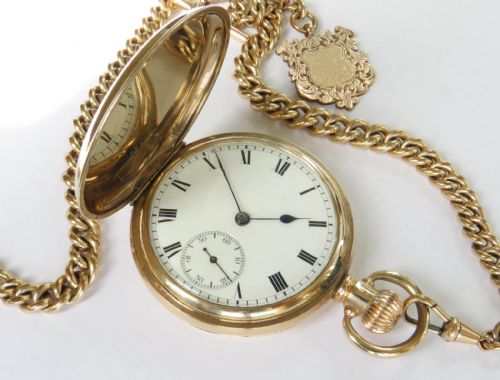
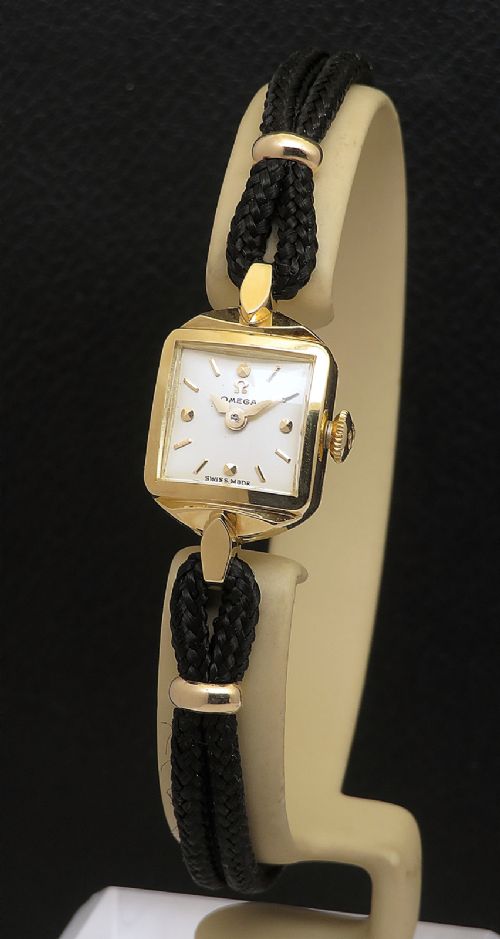
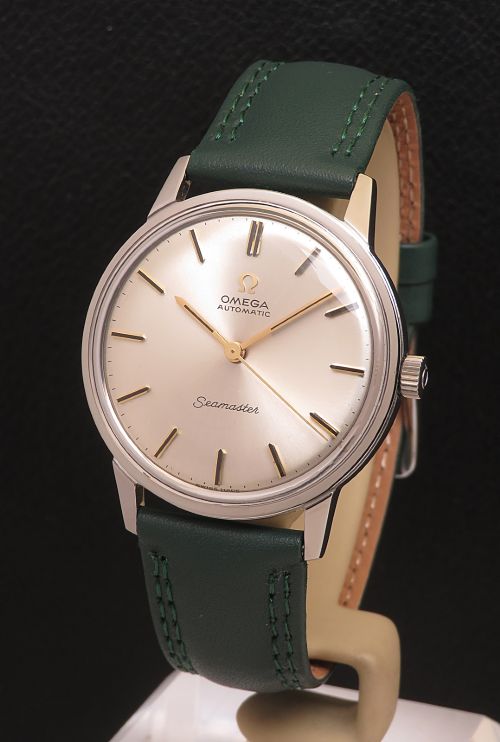
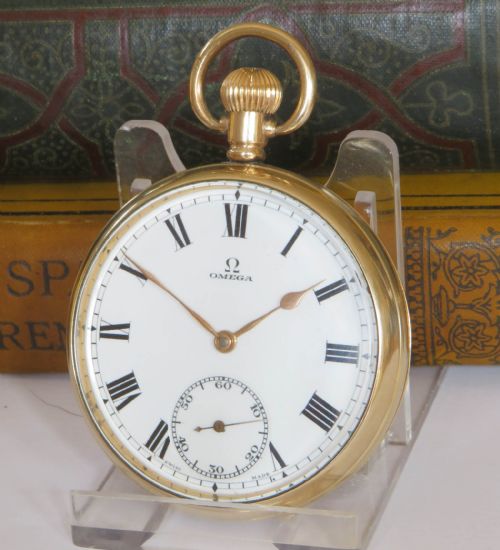
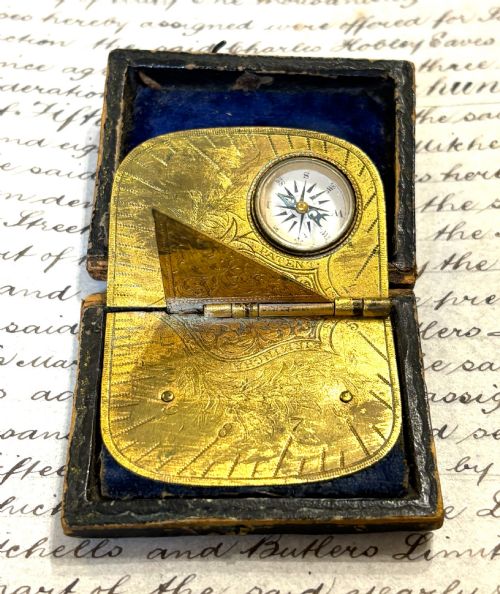
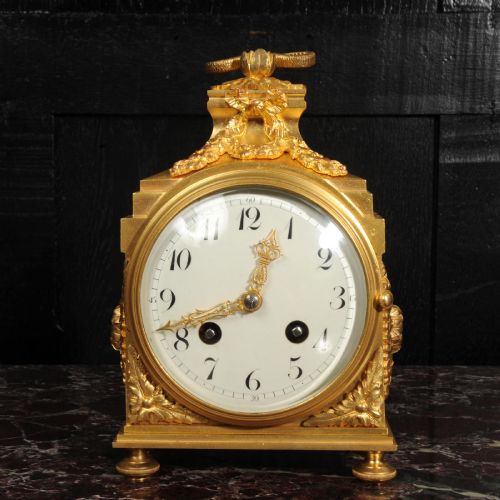
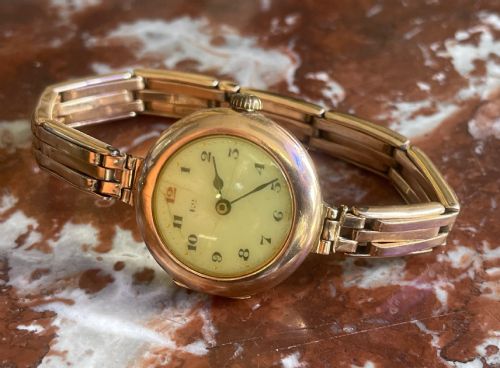
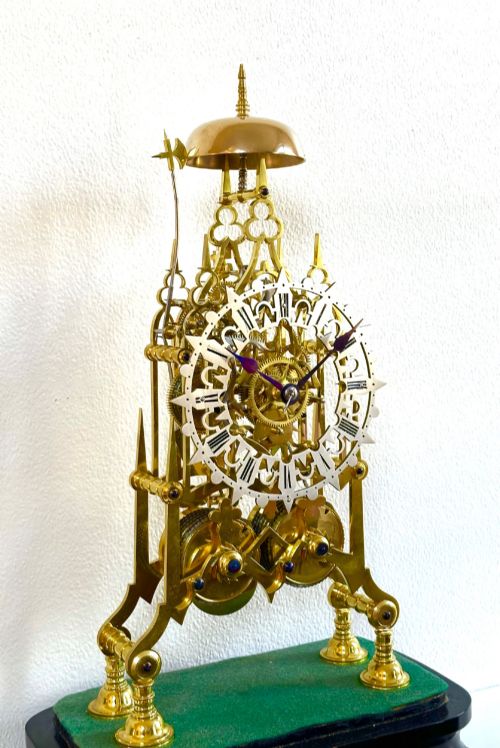
An antique gold timepiece encompasses portable pocket watches, wristwatches, and structural mantel clocks spanning the Victorian, Edwardian, and Art Deco periods. Buyers encounter pocket watches with hunter cases alongside French carriage clocks and ormolu mantel clocks originating from the nineteenth and twentieth centuries.
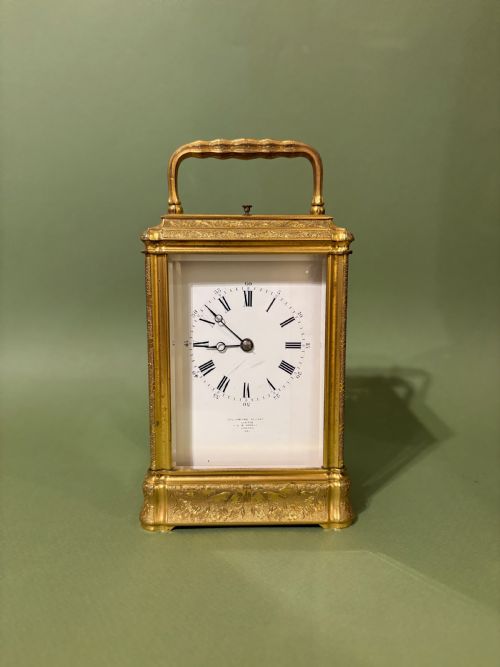
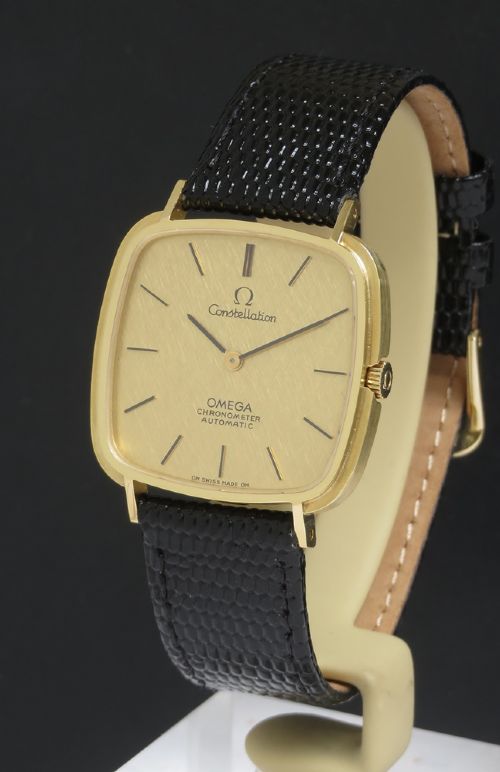
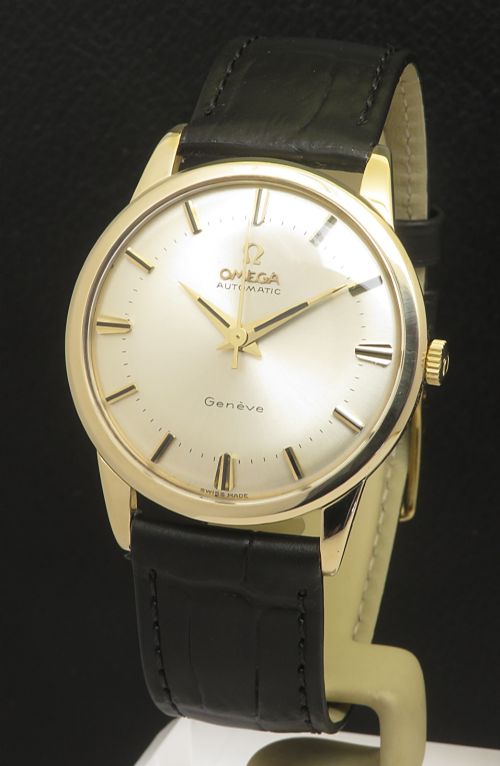
The selection ranges from pocket watches by Waltham, Omega, and Elgin to French carriage clocks by makers such as Henri Jacot. Mantel clocks in ormolu, brass, and porcelain mounted styles represent the larger decorative forms found within this category.
Materials and Construction Methods
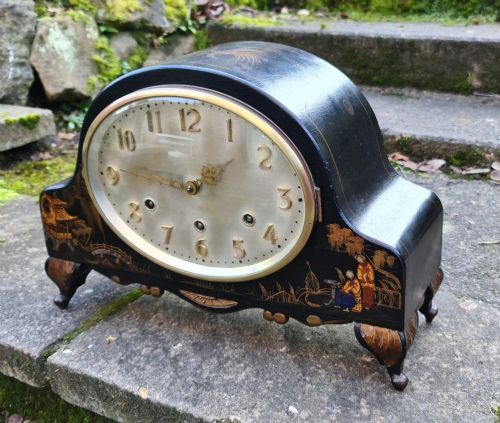
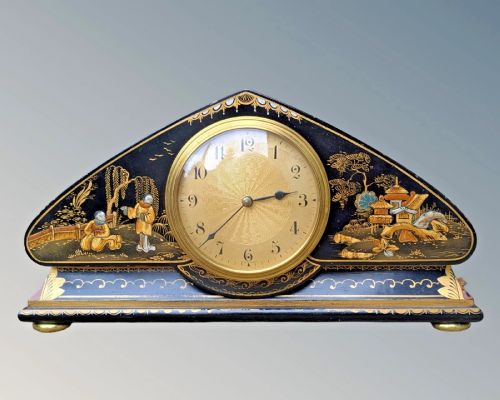
Metalwork relies on brass, gilt bronze, ormolu, and gold plate, often combined with glass panels and enamel dials. Clockmakers housed intricate movements inside lacquered wooden cases or cast metal housings, whilst watchmakers utilised robust metal cases for pocket and wrist mechanisms.
Decorative pieces incorporate porcelain mounts and painted Chinoiserie details to enhance the visual depth of mantel clocks and carriage timepieces. Precision engineering within the movements pairs with external gilding and polishing to ensure lasting visual and mechanical integrity.
Antique Gold Timepiece Retail Price Guide 2026
Typical asking prices for gold timepiece among the pieces listed under this phrase on Sellingantiques today, from the lower quarter to the upper quarter. They describe what is for sale here now, not the wider market.
Listings feature pieces from the Victorian, Edwardian, and Art Deco eras, constructed in brass, ormolu, glass, and gold plate.
Distinctions in Quality and Execution
The standard of a timepiece rests upon the crispness of the cast ormolu, the legibility of the enamel dial, and the complexity of the internal movement, such as double fusee or repeater mechanisms. Finer examples display signed dials and movements from recognised makers rather than anonymous mass production.
Outer cases show differentiation through the weight of the metal, the precision of the engraving, and the preservation of original travel cases or chains. Superior specimens retain operational reliability alongside untouched decorative surfaces.
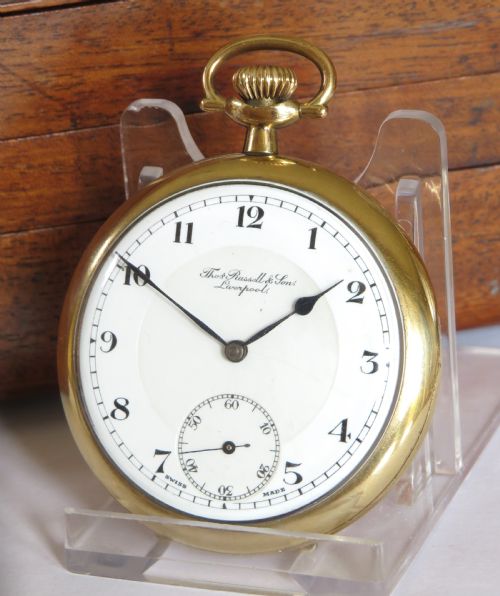
HENRI JACOT·Thomas Russell and Son·R Stewart Glasgow·Lange and Sohne
The Antique Gold Timepiece Glossary
- Full hunter
- A pocket watch fitted with a spring-loaded metal cover that protects the glass dial face from scratches.
- Carriage clock
- A small, portable spring-driven clock originally designed for travelling, typically housed in a brass frame with glass panels.
- Ormolu
- Gilded bronze produced by applying a mercury-gold amalgam to cast bronze, yielding a rich golden finish.
- Double fusee
- A mechanical movement using a conical pulley and chain to equalise the force of the mainspring as it unwinds, improving timekeeping accuracy.
- Repeater
- A complication in a clock or watch that chimes the hours and quarters when a lever or pendant is activated.
Antique Gold Timepiece: Frequently Asked Questions
How do I wind a pocket watch safely?
Wind the crown gently between your thumb and forefinger until you feel resistance, taking care not to force the mechanism past its stopping point.
For daily use, establish a consistent routine at the same time each day to maintain steady tension on the mainspring.
Where were carriage clocks originally placed?
Carriage clocks sat inside horse-drawn carriages during the nineteenth century, allowing travellers to tell the time reliably on journeys.
Today, their compact brass and glass construction makes them well suited for mantelpieces, desks, and bedside tables.
What is an ormolu clock?
An ormolu clock uses gilded bronze castings for its decorative outer case, a technique prevalent in French nineteenth-century mantel clocks.
The golden surface requires gentle dusting with a soft cloth rather than chemical cleaning to preserve the delicate mercury gilding.