
Antique Gold T Bar
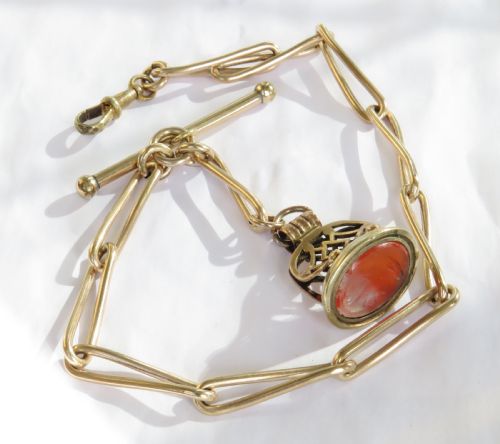
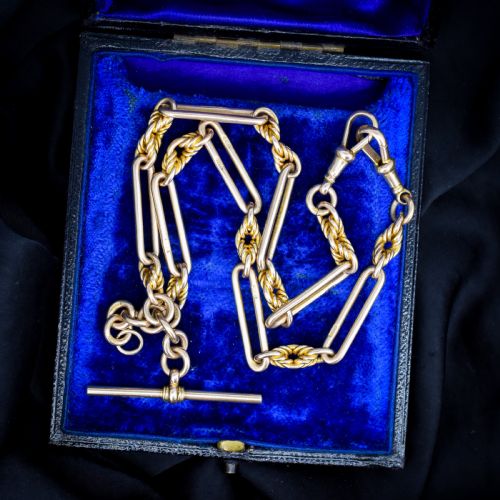
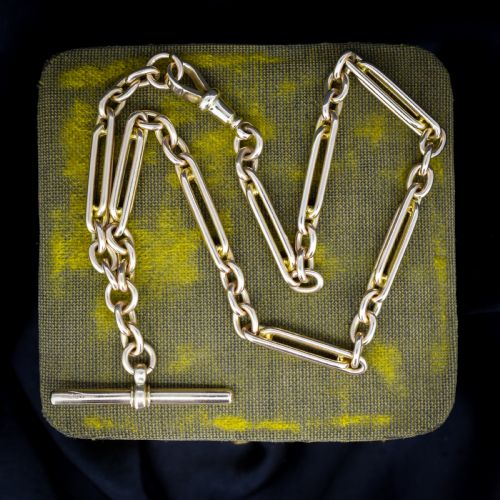
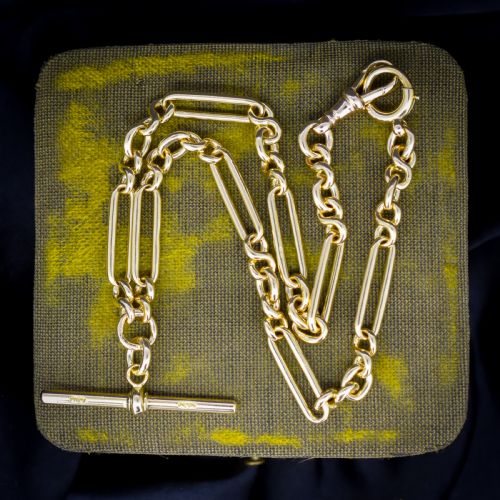
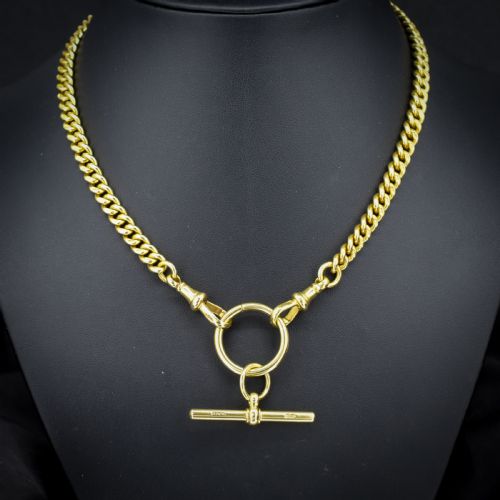
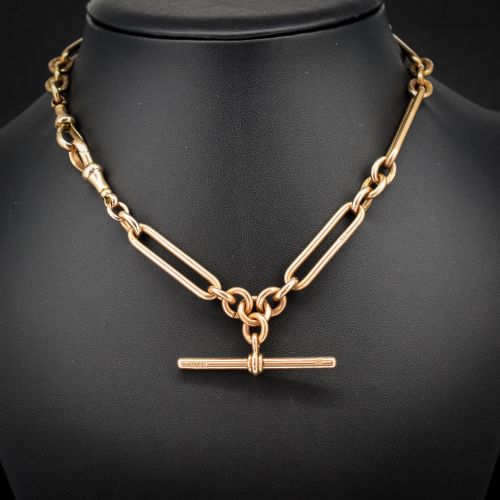
When you search for antique gold t bar, you are looking at functional components of historical pocket watch chains adapted into wearable jewellery.
Antique Gold T Bar
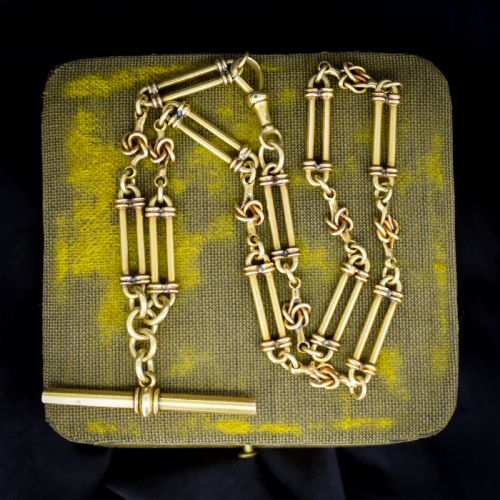
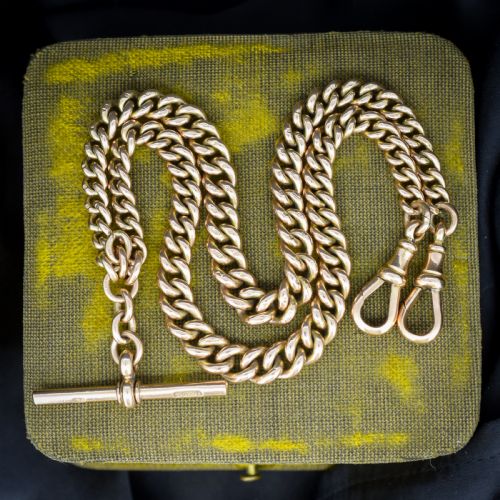
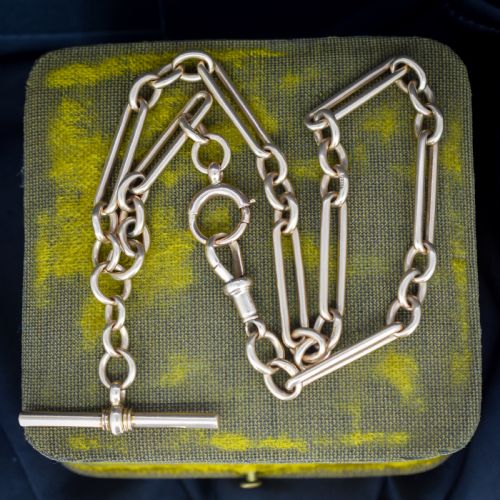
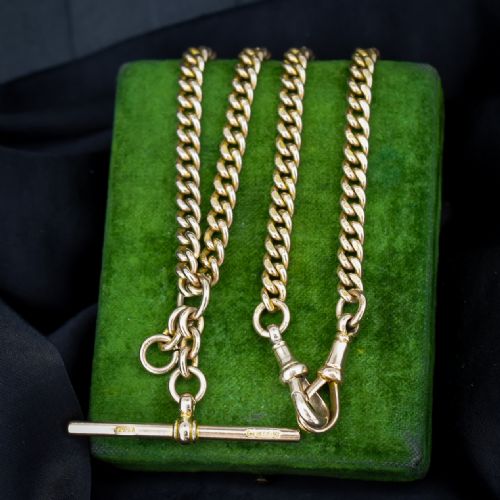
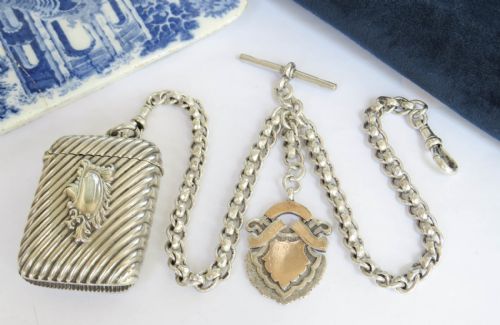
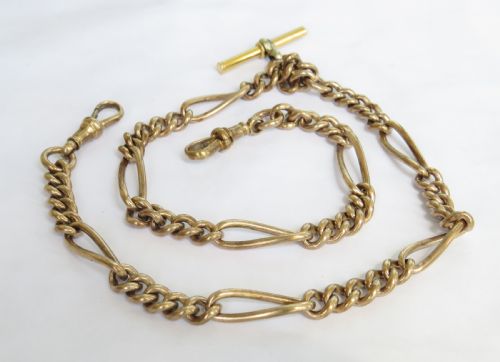
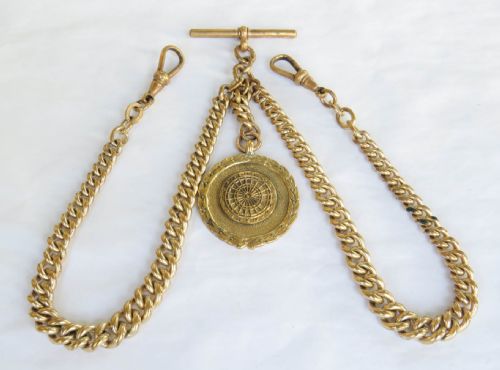
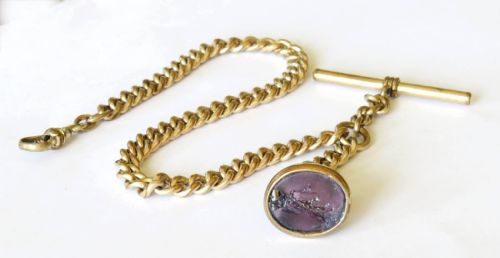
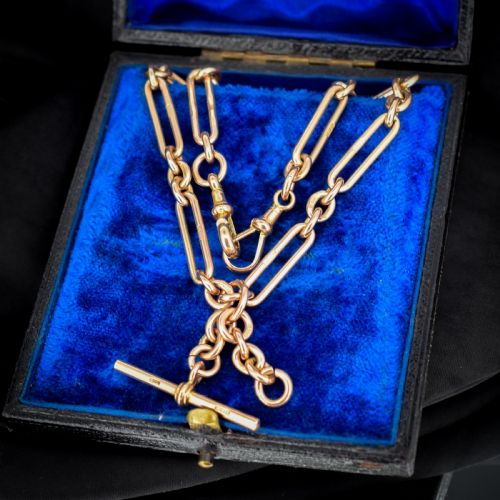
The material record shows a high concentration of 9ct gold and 15ct gold, alongside examples in 18ct yellow gold, 18ct white gold, and rolled gold. Pieces often incorporate distinct link formations such as trombone, curb, and fancy links, frequently accompanied by dog clips, swivels, and decorative fobs. The overarching style spans from 19th-century traditionalism through to the geometric lines of the 1920s.
Beyond standalone chains, the inventory includes bar brooches and pins that integrate horizontal metal bars set with gemstones such as seed pearls, garnets, diamonds, and turquoise. These span the late 19th century into the early decades of the 20th century, reflecting the evolving tastes of the Edwardian and George V eras. Each form retains the distinct metallurgy and construction methods characteristic of its specific decade of manufacture.
Materials and Construction
Makers utilised solid 9ct and 15ct gold alloys, alongside rolled gold alternatives where a thin layer of gold is bonded to a base metal core. Chains were constructed from individually formed links - such as hollow or solid curb, trombone, and belcher patterns - soldered by hand and finished with functional swivels and spring rings.
Gemstone setting on associated brooches and fobs involved traditional techniques like bezel, star, and gypsy settings to secure diamonds, pearls, almandine garnets, and paste stones into yellow gold, rose gold, or platinum mounts. Metal components were frequently hallmarked or stamped to indicate gold purity and assay office origins.
Listings feature 9ct and 15ct gold variations alongside rolled gold examples, spanning the Victorian, Edwardian, and Art Deco periods.
Indicators of Excellence
The highest quality examples display solid gold construction with substantial gram weights, retaining crisp hallmarks, crisp link articulation, and original swivels or dog clips that operate with firm spring tension. Lower tiers typically involve rolled gold or hollow link construction, which shows more pronounced wear over time.
Superior pieces maintain original patination and undamaged gemstone settings, whereas lesser examples may exhibit thinning links, replacement clasps, or soldered repairs that alter the original balance of the chain or brooch.
The Antique Gold T Bar Glossary
- Albert Chain
- A pocket watch chain designed to be secured across a waistcoat by a T-bar. Named in honour of Prince Albert, these chains became a staple of Victorian and Edwardian gentleman's attire.
- T-Bar
- The small horizontal metal bar attached to the centre of an Albert chain. It functioned as the toggle inserted into a buttonhole to anchor the watch.
- Dog Clip
- A spring-loaded swivel hook attached to the end of a watch chain. It allowed the wearer to securely fasten a pocket watch, fob, or pendant.
- Trombone Link
- A watch chain link style featuring alternating long rectangular bars and smaller round connecting links. This pattern is characteristic of late Victorian and Edwardian manufacturing.
- Rolled Gold
- A manufacturing method where a plate of gold is mechanically bonded to a base metal core. It provided the appearance of solid gold at a lower cost.
Antique Gold T Bar: Frequently Asked Questions
What is an antique gold t bar used for today?
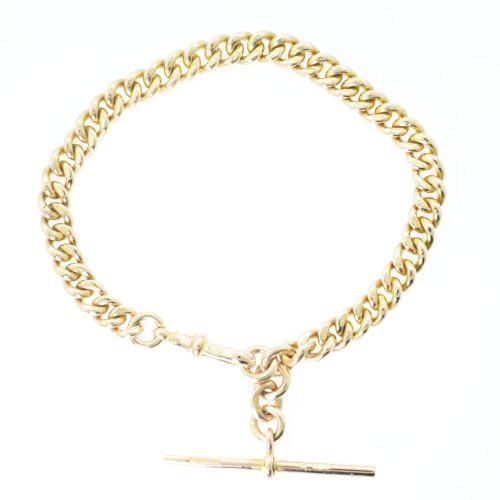
While originally designed to anchor pocket watches through waistcoat buttonholes, contemporary wearers repurpose these bars as central decorative elements on necklaces or bracelets. The bar typically drapes at the front of a chain, serving as a focal point.
Many pieces retain their original dog clips, allowing owners to attach antique fobs, lockets, or charms directly to the horizontal bar.
How can I tell 9ct gold from 15ct gold?
British pieces from the Victorian and Edwardian periods are usually stamped with specific fineness marks denoting the gold alloy proportion. Fifteen-carat gold often has a richer, deeper yellow hue compared to the paler tone of standard 9ct gold.
Assay office stamps and date letters stamped near the T-bar or on individual chain links provide further verification of the exact period of manufacture.
How do I care for antique gold chains?
Gentle cleaning with warm soapy water and a soft cloth is sufficient to remove surface dust from gold links and gemstones. Avoid harsh chemical dips, particularly if the chain incorporates pearls or softer stones like turquoise.
Store chains flat or hung individually to prevent delicate links and hollow components from kinking or tangling.