
Antique Gold Pendant Chain
An antique gold pendant chain brings together delicate precious metalwork and suspended gemstones from the Victorian, Edwardian and later eras.
Antique Gold Pendant Chain
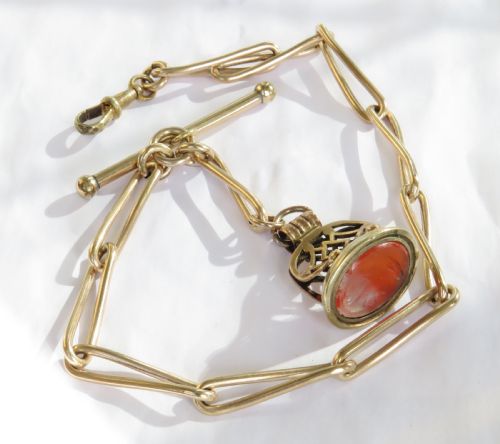
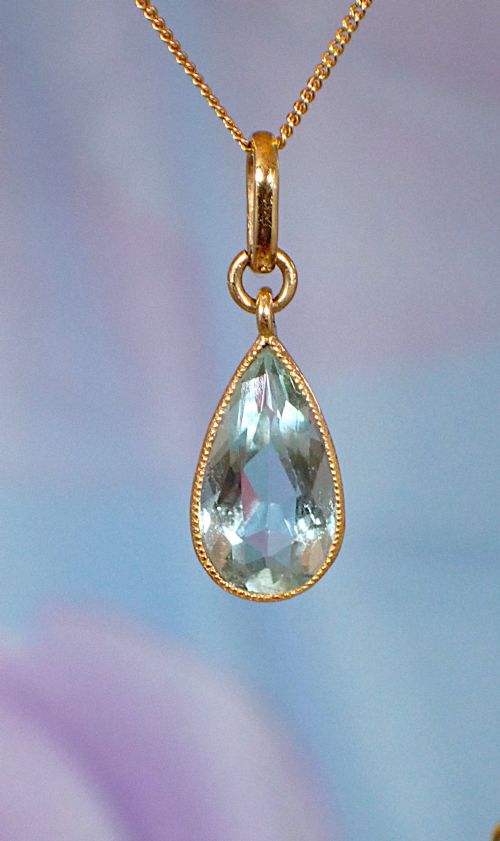
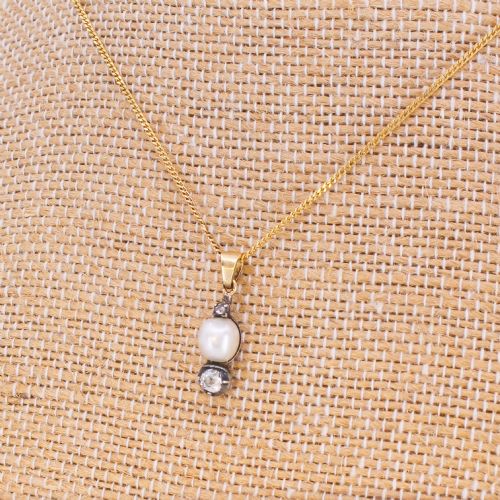
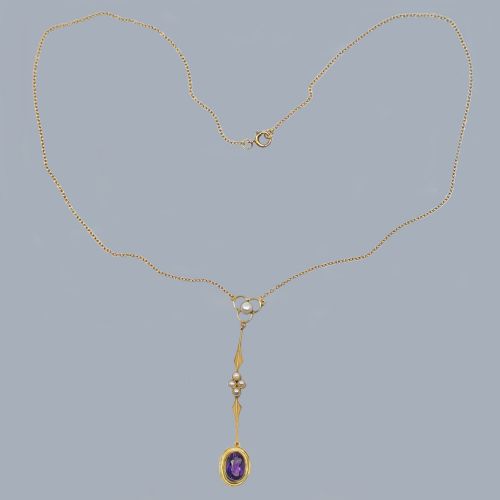
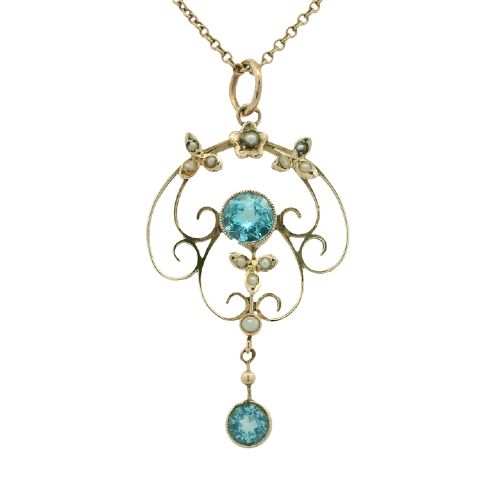
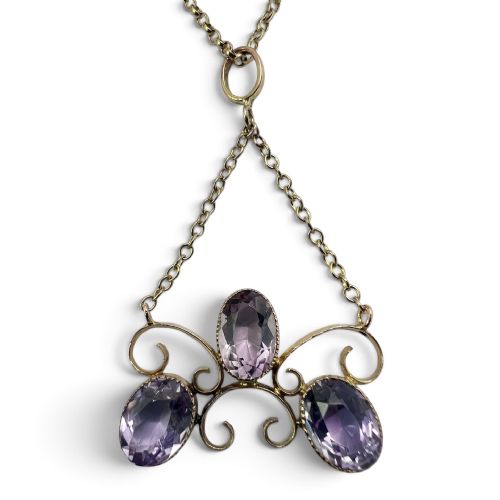
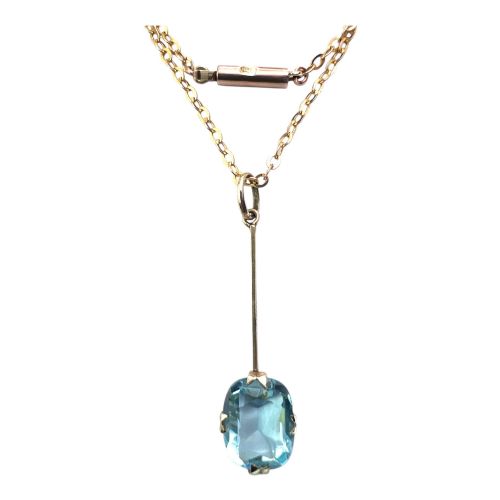
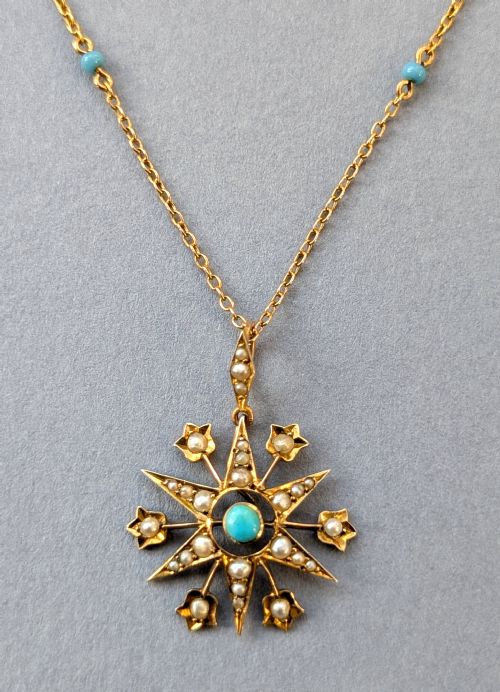
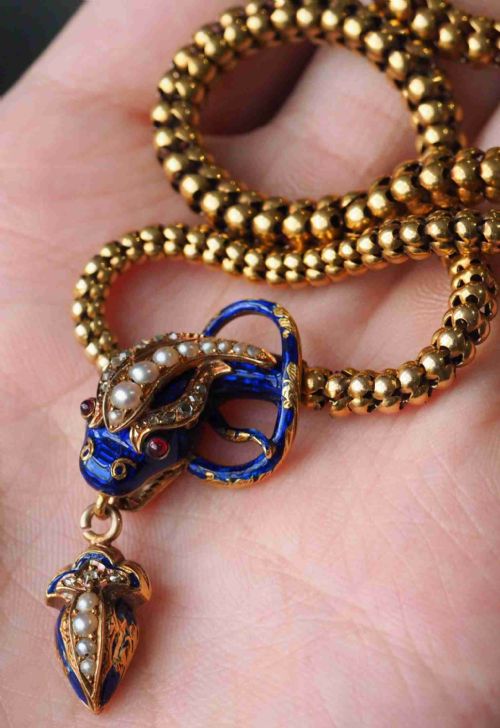
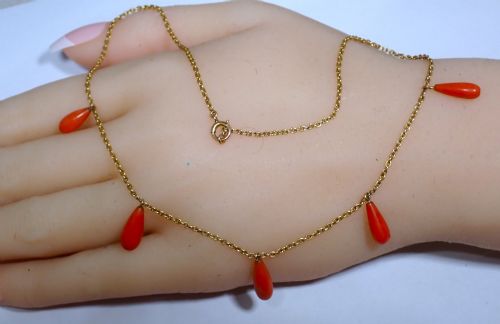
An antique gold pendant chain combines a suspension necklace with a feature drop, spanning the Victorian and Edwardian periods up to the nineteen-twenties. These pieces take the form of delicate neck chains paired with gemstones such as aquamarine, peridot, amethyst, garnet, citrine, diamond and pearl.
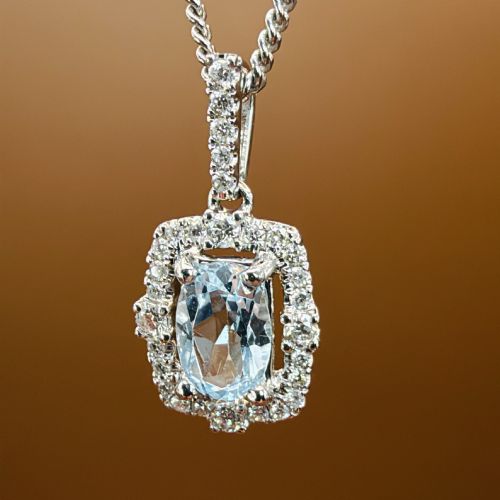
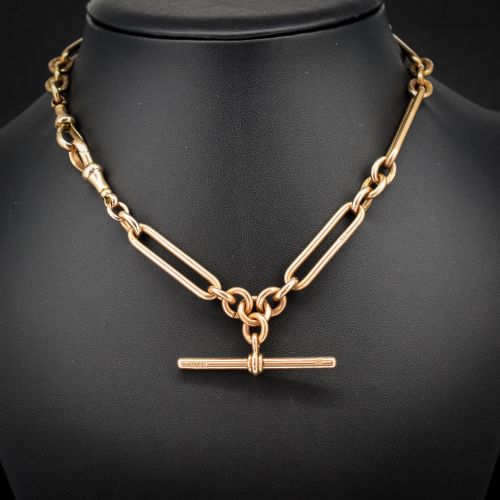
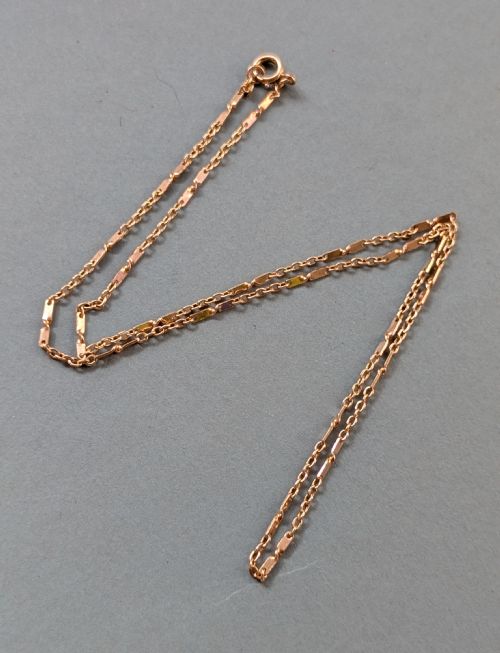
The selections encountered here range from simple nine-carat yellow and rose gold link necklaces with dog clips to intricate eighteen-carat gold and platinum settings holding old European cut diamonds. Early twentieth-century designs frequently showcase colourful stones and suffragette motifs alongside flowerhead and drop configurations.
Victorian and Edwardian makers produced these items as versatile jewellery items, sometimes incorporating convertible brooch fittings alongside standard pendant drops. Buyers encounter varied link formations, from oval links to snake chain sliders, each matched to a distinct period aesthetic.
How they were made
Goldsmiths worked primarily in nine-carat, fifteen-carat and eighteen-carat yellow and rose gold, occasionally incorporating platinum and white gold for specific stone settings. Chains were constructed from hand-assembled links, with components such as dog clips added for secure fastening.
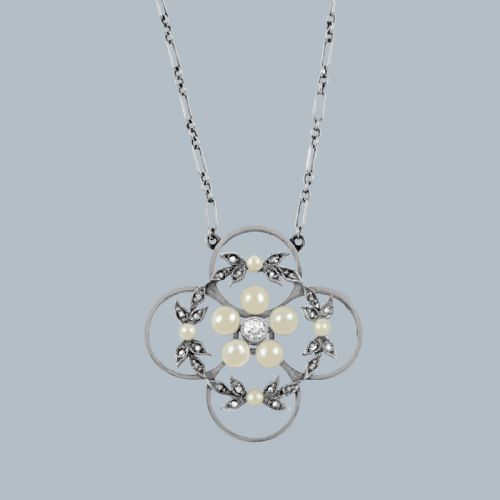
Gemstones including aquamarine, diamond, garnet, peridot and amethyst were secured using claw, bezel or collet settings. Pearls were threaded or pegged into flowerhead and clover arrangements, reflecting the prevailing artisan techniques of the late nineteenth and early twentieth centuries.
Antique Gold Pendant Chain Retail Price Guide 2026
Typical asking prices for gold pendant chain among the pieces listed under this phrase on Sellingantiques today, from the lower quarter to the upper quarter. They describe what is for sale here now, not the wider market.
Listings feature items from the Victorian and Edwardian eras, executed in nine-carat, fifteen-carat and eighteen-carat gold alongside platinum.
What varies in quality
The distinction between standard commercial production and finer work lies in the subtlety of the gold smithing and the selection of materials. Higher quality examples display crisp detail in settings and harmonious stone matching across multi-gem clusters.
The structural integrity of delicate links and the originality of clasps, such as dog clips or spring rings, influence the overall character of a surviving piece. Maker marks and intact period boxes further separate ordinary items from those of greater provenance.
The Antique Gold Pendant Chain Glossary
- Dog clip
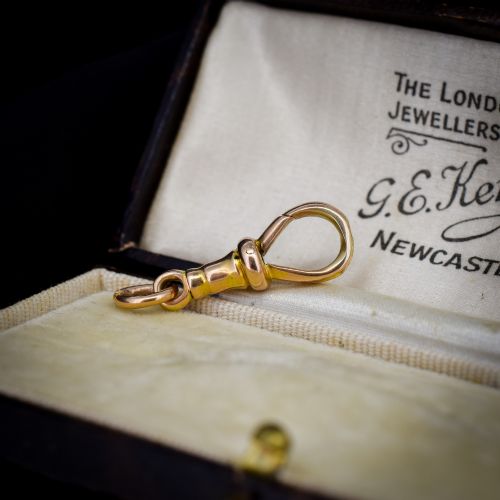
- A spring-loaded fastener commonly found on antique watch chains and heavier necklaces. This mechanism allows the chain to attach securely to a pendant loop.
- Suffragette
- A design style utilising green peridot, white pearl and violet amethyst. These specific gemstone colours symbolise the women's suffrage movement of the early twentieth century.
- Old European cut
- An early form of brilliant-cut diamond characterised by a small table, high crown and open culet. These stones were hand-faceted before the standardisation of modern diamond cutting.
- Snake chain
- A flexible, smooth-surfaced chain made of wavy banded plates or rings fitted closely together. The resulting texture resembles the skin of a snake.
- Collet setting
- A metal collar or band that encircles the girdle of a gemstone to hold it in place. This technique was widely utilised in Georgian and Victorian jewellery construction.
Antique Gold Pendant Chain: Frequently Asked Questions
How do I care for my antique chain?
Store your antique gold pendant chain flat in a lined box to prevent kinks in delicate links. Avoid wearing it during vigorous physical activities or exposing gemstones to harsh chemical cleaners.
Period pieces benefit from professional inspection of settings and clasps by a specialist jeweller. Gentle cleaning with a soft cloth keeps the gold and stones bright without causing abrasive wear.
Can pendants be removed from these chains?
Many Edwardian and Victorian necklaces feature integrated drops that are permanently attached to the surrounding chain work. Others utilise jump rings or bails that allow the pendant to be detached and worn independently.
Examining the connection point reveals whether the maker intended the drop to be interchangeable. Forcing a rigid connection can damage delicate antique gold links.
What is a dog clip used for?
Dog clips serve as secure fasteners on heavier antique chains, originally designed to attach pocket watches or chatelaines. On modern neckwear, they allow the wearer to clip the chain to various pendant loops or shorten the length.
These spring-loaded mechanisms should snap shut firmly to ensure the necklace remains secure during wear. Many Victorian chains retain their original marked dog clips.
How do I identify Edwardian gold jewellery?
Edwardian pieces, dating from the early twentieth century, typically favour lighter platinum and higher-carat gold settings. Designs often incorporate millegrain detailing, diamond clusters and colourful stones like peridot.
Construction methods from this era emphasise light, airy openwork metal arrangements rather than heavy Victorian masses. Hallmarks and stylistic markers help confirm the period of manufacture.