

Antique Gold Pearl Jewellery
These pieces of antique gold pearl jewellery bring together warm gold and luminous pearls in pendants, brooches, and rings.
Antique Gold Pearl Jewellery
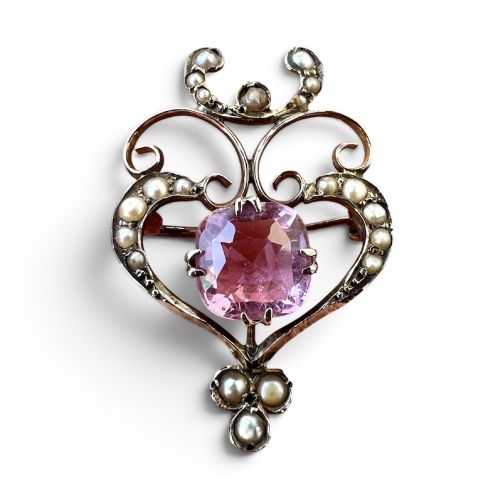
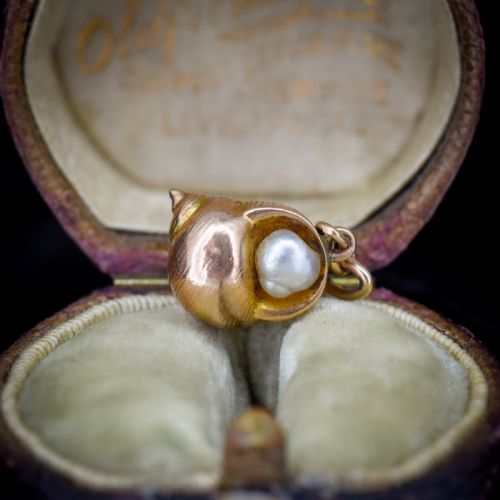
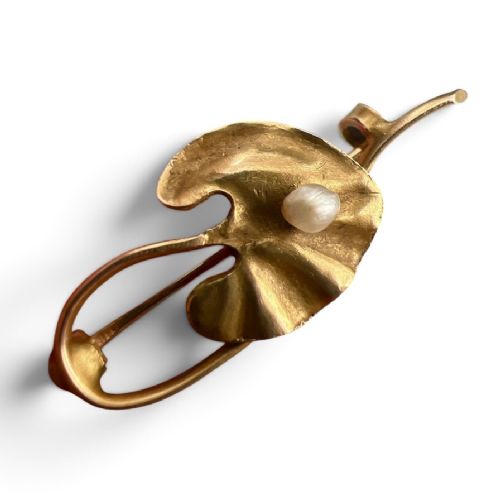
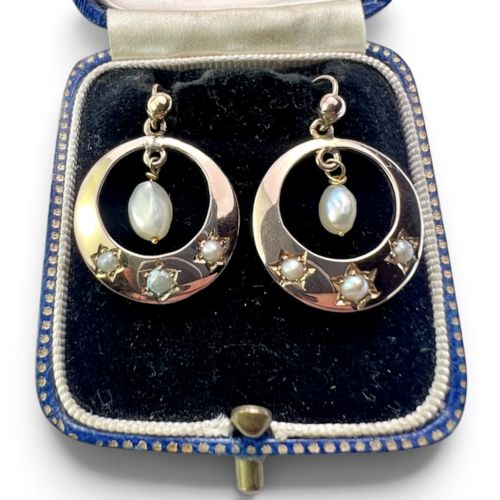
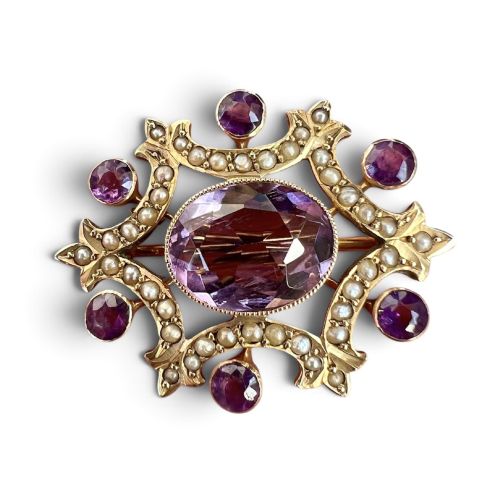
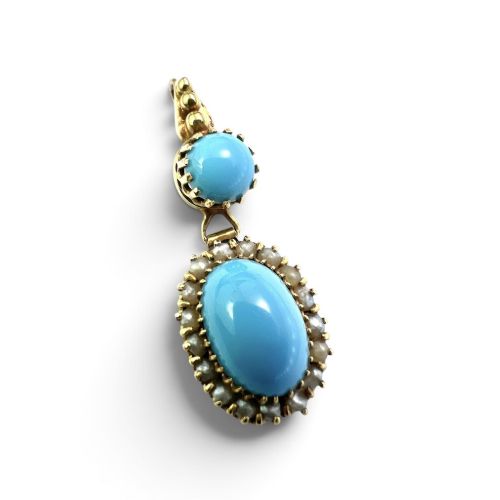
When you search for antique gold pearl jewellery, you find items shaped by Victorian, Edwardian, and Art Deco hands. The pieces span centuries, including 19th-century designs alongside later 1930 and 1960 examples.
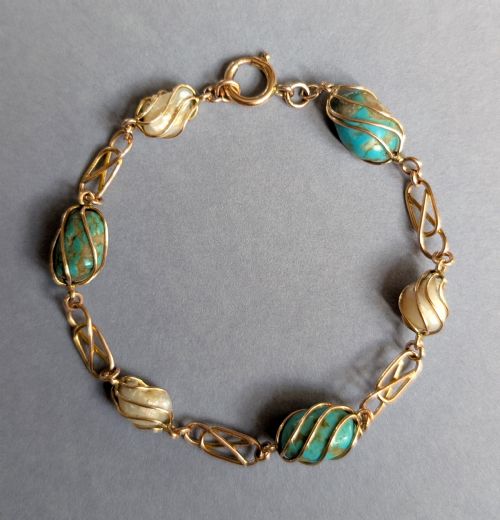
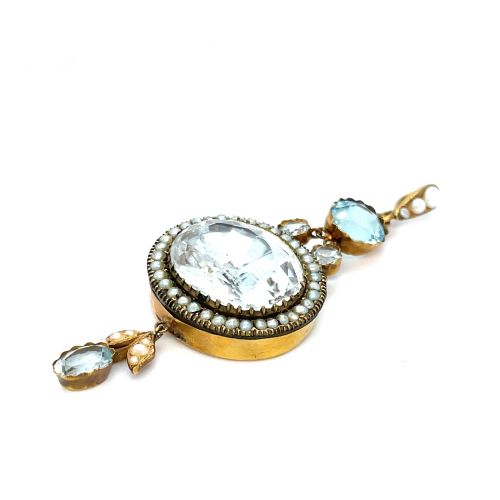
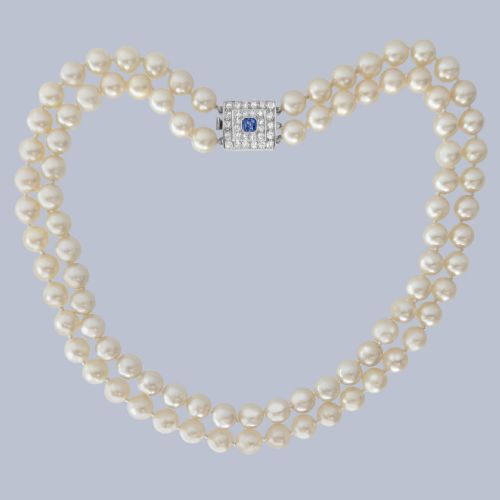
Pendants, brooches, rings, necklaces, and earrings dominate the selections. Gemstones like amethyst, turquoise, and aquamarine frequently join the pearls and gold.
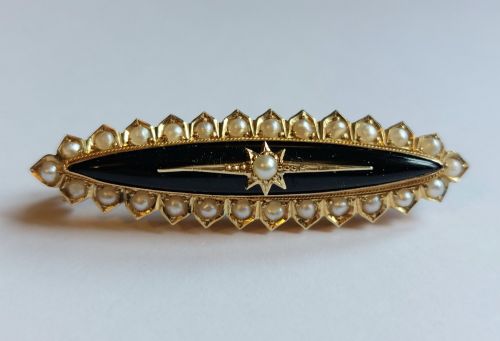
Victorian and Edwardian versions appear most often on this page. These encompass delicate lavaliers, starburst brooches, and longuard chains.
Materials and construction
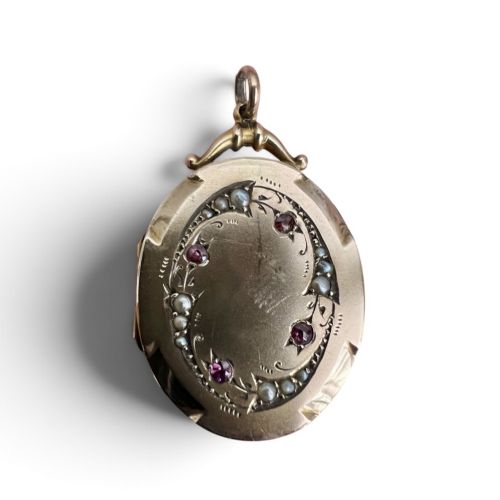
Makers shaped these items using 9ct and 15ct gold alongside yellow and rose gold variants. Pearls and seed pearls pair with gemstones such as peridot, garnet, ruby, and opal.
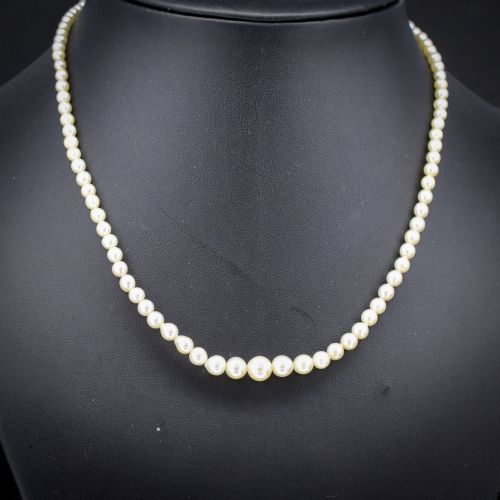
Artisans employed techniques including star-settings, guilloche enamel, foil-backing, and beaded stringing for necklaces. Metalwork ranges from cast bands to intricate wire-work drop earrings and charm pendants.
Antique Gold Pearl Jewellery Retail Price Guide 2026
Typical asking prices for gold pearl jewellery among the pieces listed under this phrase on Sellingantiques today, from the lower quarter to the upper quarter. They describe what is for sale here now, not the wider market.
Listings feature items from the 19th Century, Victorian, Edwardian, 1900, 1910, 1920, 1930, and 1960 periods.
Distinctions in quality
The degree of refinement in the metalwork and stone setting separates examples. Pieces utilising higher gold purities like 15ct or 18ct alongside natural pearls sit alongside lower 9ct iterations.
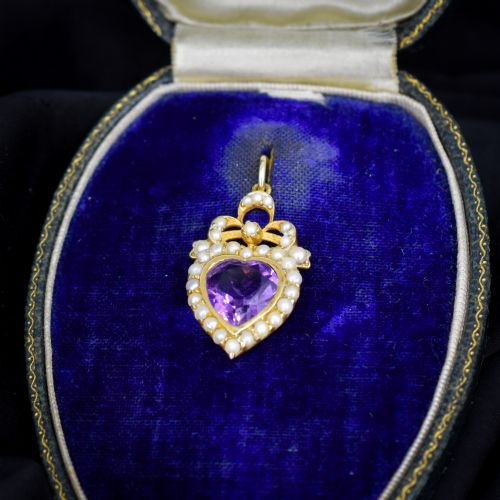
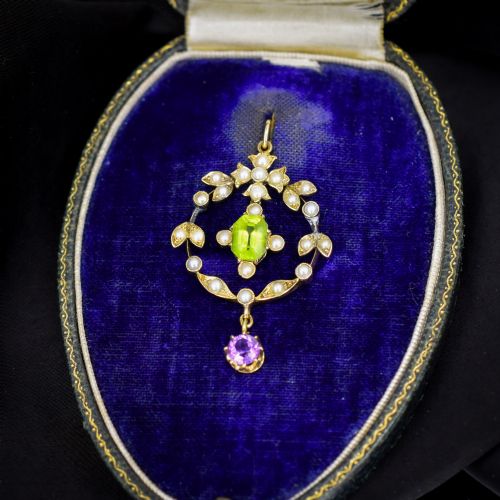
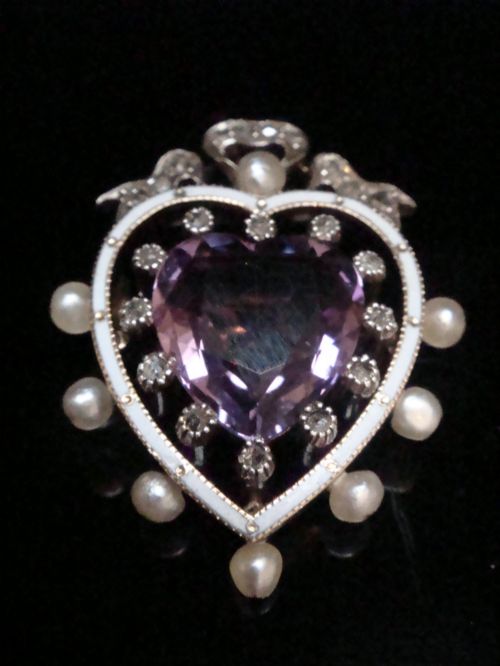
The complexity of the design alters the character of an item, distinguishing simpler seed pearl band rings from elaborate multi-gem suffragette pendants or guilloche enamel heart lockets.
The Antique Gold Pearl Jewellery Glossary
- Seed pearl
- A very small, naturally formed pearl often used in clusters or set closely together in Victorian and Edwardian jewellery.
- Lavalier
- A pendant featuring a suspended gemstone or pearl that hangs from a delicate chain, popular during the Edwardian era.
- Suffragette
- Jewellery incorporating amethyst, peridot, and pearl to display the colours associated with the women's suffrage movement.
- Longuard chain
- A long chain worn around the neck, often measuring over thirty inches and used to hold watches or pendants.
- Guilloche enamel
- A decorative technique where enamel is applied over engine-turned metal engraving, seen on Edwardian heart pendants.
Antique Gold Pearl Jewellery: Frequently Asked Questions
How do I date antique pearl jewellery?
Dating relies on hallmarks, metal purity standards, and stylistic clues. Pieces often feature specific motifs like crescent moons or starbursts typical of Victorian design.
Changes in settings and gemstone combinations also help establish the era. Edwardian pieces often utilise platinum or lighter gold work with delicate lace patterns.
What is a suffragette pendant?
These pieces incorporate amethyst, peridot, and seed pearl stones. The colour combination of green, white, and violet represented the movement's colours.
Found mostly in Edwardian and early 20th-century items, they combine gold settings with these specific gemstones.
How were seed pearls used?
Seed pearls were set closely into floral sprays, stars, and crescent shapes. Artisans drilled these tiny pearls to thread them onto fine wire or gold backing.
They appear extensively in brooches and rings from the 19th century and the Edwardian period.
Can I wear these necklaces daily?
Historic jewellery requires careful handling due to age and delicate construction. Seed pearls and softer gemstones benefit from being kept away from moisture and harsh chemicals.
Shorter strands and pendants paired with sturdy gold chains suit occasional wear with gentle maintenance.