
Antique Gold Fob
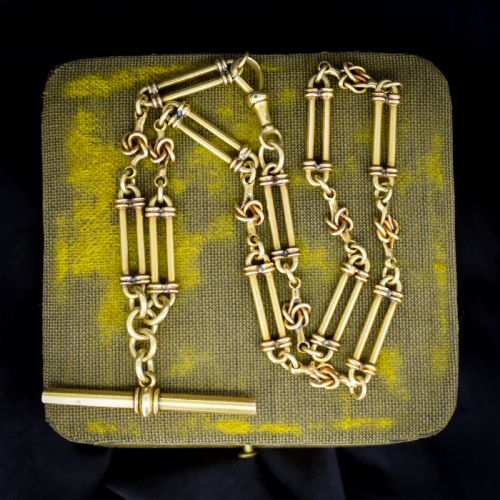
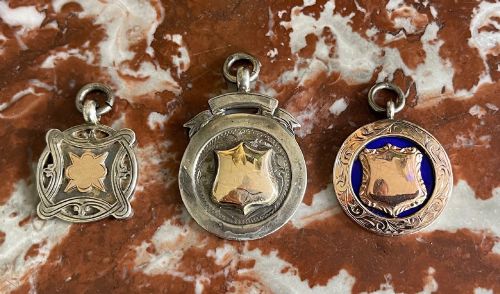
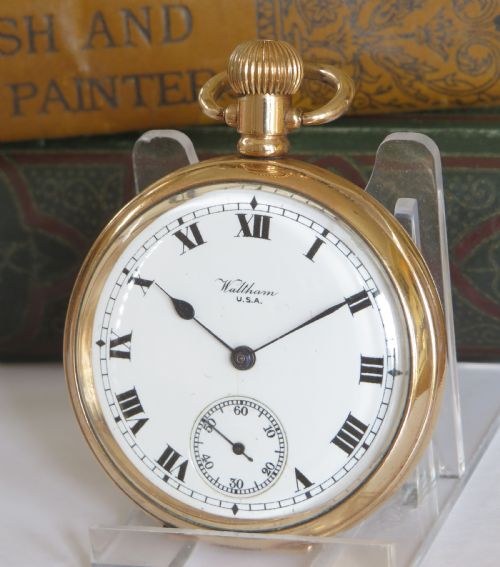
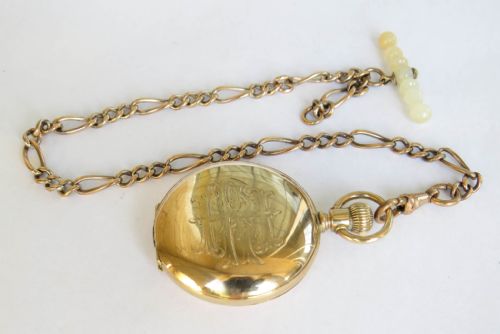
An antique gold fob is a pocket watch accessory or pendant that brings distinct Victorian character to a modern chain.
Antique Gold Fob
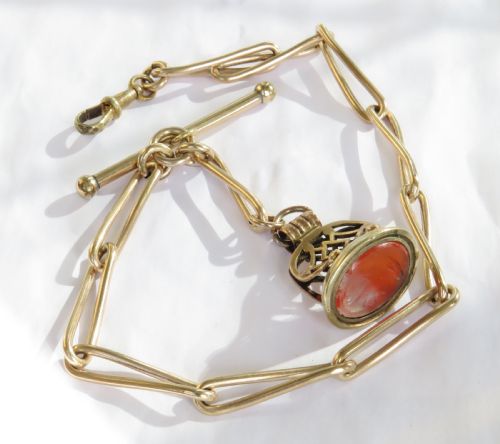
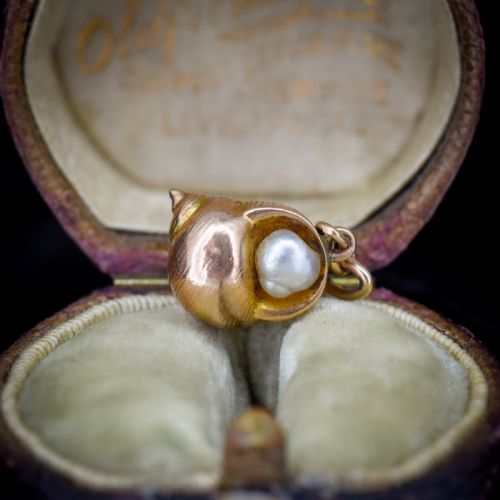
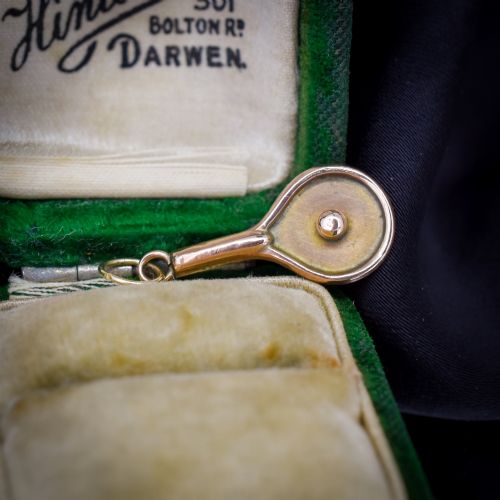
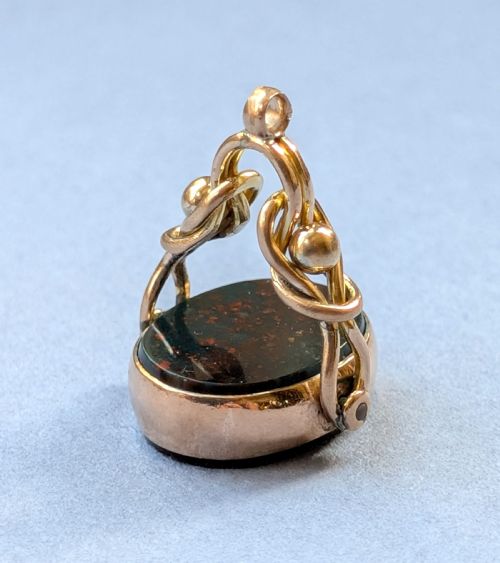
When you search for an antique gold fob, you are looking at small, decorative pendants originally worn with pocket watches on albert chains. The pieces on this page span forms such as solid seals, spinning swivels, and figural charms like horses, eagle claws, and keys.
The materials recorded in the archive and current listings show a heavy reliance on 9ct gold, alongside rolled gold, 18ct gold, and platinum. Hardstones feature prominently, with bloodstone, carnelian, citrine, sardonyx, and onyx set into the mounts.
Victorian examples dominate the material record, often carrying hallmarks from assay offices like Chester and Birmingham alongside precise dates from the late nineteenth and early twentieth centuries.
Materials and construction
Goldsmiths worked primarily in 9ct and 18ct yellow or rose gold, alongside rolled gold and gold-cased alternatives. Metal was cast, chased, and engraved to form intricate housings for hardstones and intaglios.
Swivelling mechanisms allowed spinning fobs to present two different stones, whilst seal fobs featured carved hardstones designed for stamping wax. Figural elements such as hands, snakes, birds, and equestrian motifs were meticulously shaped by hand.
The site archive records pieces dated from the Victorian era up to 1960, utilising 9ct gold alongside bloodstone, carnelian, and citrine.
Distinctions in quality
The standard of an antique gold fob rests on the depth and crispness of its hand-carving, whether in the hardstone intaglio or the metal claws, feathers, and scrollwork. Solid gold construction commands greater weight and permanence than rolled gold or gold-cased versions.
Hallmarks and legible date letters provide documentary evidence that elevates pieces with verified assay office origins. The inclusion of dual-sided spinning mechanisms with unblemished stones further separates standard examples from exceptional survivals.
The Antique Gold Fob Glossary
- Fob
- A small ornament attached to a pocket watch ribbon or chain. These pieces were designed to hang near the waist and often doubled as a wax seal.
- Spinning fob
- A swivel-mounted pendant holding two or three different hardstones or engraved faces. This allows the wearer to rotate the central piece to display a chosen side.
- Intaglio
- A design incised into the flat face of a gemstone so that it leaves a raised impression when pressed into sealing wax. Carnelian and bloodstone were frequent choices for this technique.
- Albert chain
- A pocket watch chain named after Prince Albert, worn across a waistcoat or attached to a belt. Fobs and T-bars hung directly from these chains.
- Gold-cased
- A method where a layer of gold is mechanically bonded to a base metal core. This provided the appearance and wear of solid gold at a different weight.
Antique Gold Fob: Frequently Asked Questions
How were antique gold fobs worn?
These pieces were originally suspended from pocket watch chains worn across a waistcoat or pocket. Gentlemen and ladies utilised them as decorative weights and seals for correspondence.
Today, many owners remove the watch and wear the fob directly on a modern neck chain or charm bracelet. They function well as standalone pendants that carry historical detail.
How do I date an antique gold fob?
Dating relies on British hallmark stamps, which include assay office symbols, maker's marks, and date letters corresponding to specific years. Birmingham and Chester offices appear frequently in the record.
Stylistic cues also help narrow the period, such as Victorian aesthetic preferences for naturalistic animal claws, equestrian gear, or classical intaglio motifs.
Are these pieces made of solid gold?
The listings and archive include a mixture of solid 9ct and 18ct gold pieces alongside rolled gold and gold-cased alternatives. Hallmarks stamped directly onto the metal confirm solid gold standards.
Rolled gold items use a thick layer of gold fused to a base metal core, offering durability and the warm tone of gold without the weight of a solid casting.