
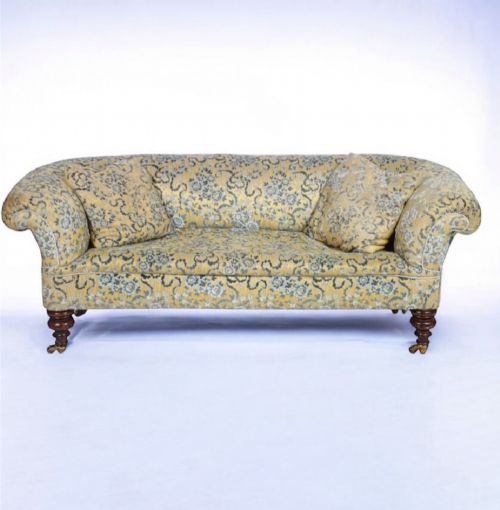


Antique Gold Couching
These pieces of antique gold couching combine gilded frames and rich textiles to create commanding centrepieces for formal rooms.
Antique Gold Couching
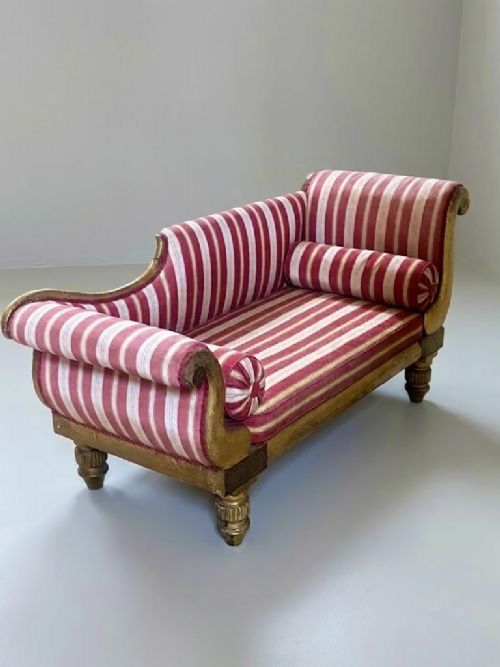
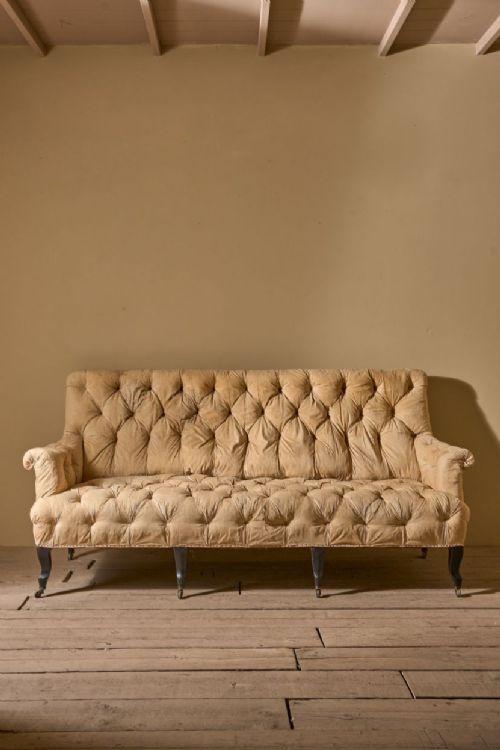
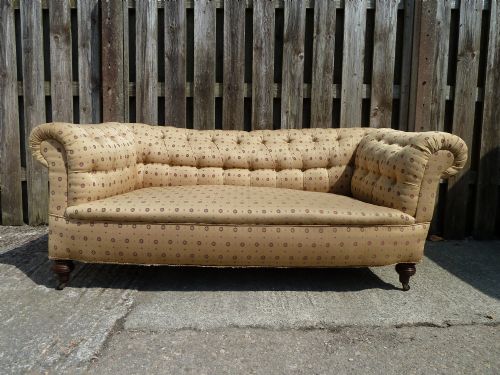
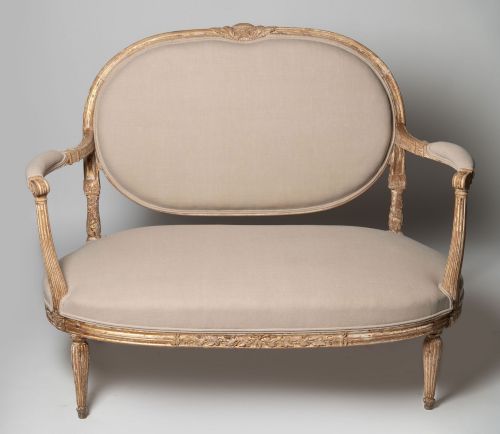
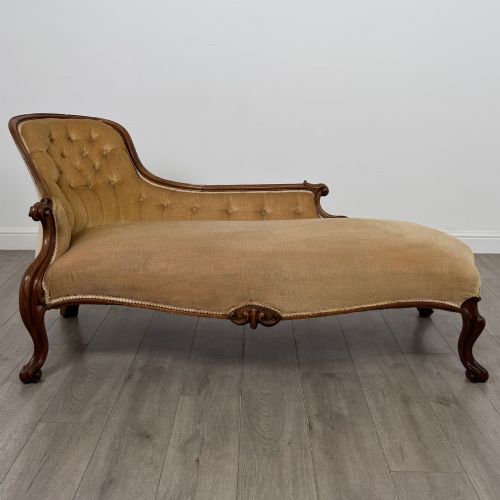
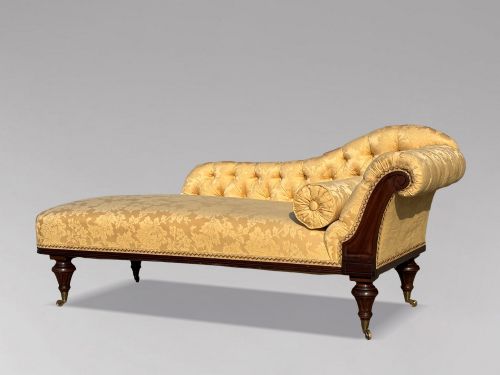
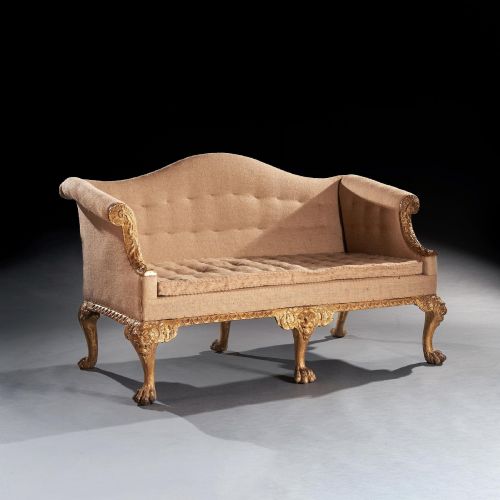
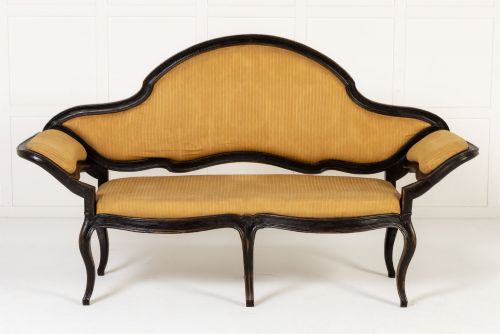
Buyers seeking antique gold couching encounter grand seating forms, principally sofas, settees, chaise longues, and daybeds originating from the eighteenth, nineteenth, and early twentieth centuries. The selection spans distinct aesthetic movements including Regency, Victorian, and Louis XVI styles, alongside French chateau interpretations.
The dominant material combination pairs carved wood frameworks - frequently giltwood, mahogany, walnut, or beech - with sumptuous textile upholstery such as silk, velvet, damask, and striped fabrics. Pieces range from English country house settees to ornate French canapes and buttoned back designs.
Materials and construction methods
Frames are constructed from hardwoods like mahogany, walnut, beech, and timber substrates that receive meticulous carving, gesso, and gold leaf application to produce giltwood surfaces. Joinery relies on traditional carpentry techniques appropriate to periods spanning George II to the early twentieth century.
Upholstery employs textiles such as silk velvet, damask, and embroidered fabrics secured to supportive foundations using traditional stuffing and tension methods. Metal elements, including brass accents, complement the wooden structures.
Upholstery materials recorded in the inventory include silk velvet, damask, and embroidered fabrics paired with brass details.
Distinctions in quality
Quality rests upon the crispness and depth of the wood carving on frames, particularly the execution of gilt decoration, lion mask details, or painted surfaces. Superior examples demonstrate exceptional balance in proportions and the original integrity of gilded or polished finishes.
The selection and execution of textiles, from heavy silk damasks to embroidered elements, determine the refinement of the upholstery work. Harmony between the carved wooden framework and the textile covering separates standard seating from exceptional examples.
Giles Grendey
The Antique Gold Couching Glossary
- Giltwood
- Timber, typically pine or oak, coated with gesso and gold leaf to create a brilliant metallic surface. This finish defines many formal seating pieces from the eighteenth and nineteenth centuries.
- Chaise Longue
- An upholstered chair with a seat long enough for the user to stretch their legs. These daybeds appear in Regency and Victorian designs.
- Damask
- A reversible figured fabric woven on a loom, featuring patterns created through contrasting warps and wefts. It frequently upholsters formal period sofas.
- Canape
- An ornamental French settee with an exposed wooden frame, often painted and gilded. These forms are characteristic of Louis XVI and later revival styles.
- Showwood
- Furniture woodwork that remains visible around the upholstered portions. This technique highlights the carved mahogany, walnut, or beech frames.
Antique Gold Couching: Frequently Asked Questions
What periods do these pieces span?
The listings encompass items produced from the seventeenth century through to the early twentieth century. Key periods represented include the Georgian, Regency, Victorian, and Edwardian eras, alongside various revival styles.
Craftsmanship reflects the shifting design preferences of these centuries, moving from substantial eighteenth-century frames to ornate nineteenth-century French chateau aesthetics and later interpretations.
Where were these seating forms used?
These decorative settees and sofas traditionally occupied formal drawing rooms, boudoirs, and reception spaces in country houses and town residences. Their giltwood frames and silk or velvet upholstery signaled status and taste.
Today, they serve as focal points in large living spaces, maintaining their historical role as statement seating.
What upholstery materials are common?
Upholstery materials include silk, velvet, damask, and embroidered fabrics. Textiles frequently incorporate gold threads or decorative patterns that complement the gilded wooden frames.
Original or period-appropriate fabric choices range from striped silks to heavy gold damask on Knole-style sofas.
How do French and English styles differ?
French styles, such as Louis XVI and Napoleon III pieces, frequently showcase painted and gilded finishes with light carved details and exposed frames. English alternatives, including Regency and Victorian examples, often feature darker hardwoods like mahogany and walnut.
Both traditions prioritised ornate craftsmanship, though English designs lean towards robust proportions while French models emphasise lightness and curves.