

Antique Gold Chandelier
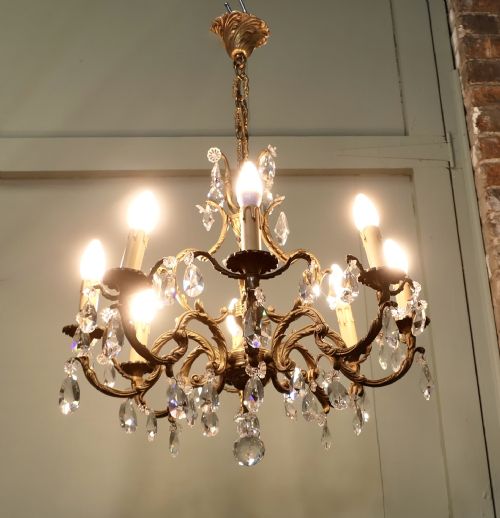
An antique gold chandelier brings warmth and illumination to a room, casting complex shadows from brass, bronze and crystal.
Antique Gold Chandelier
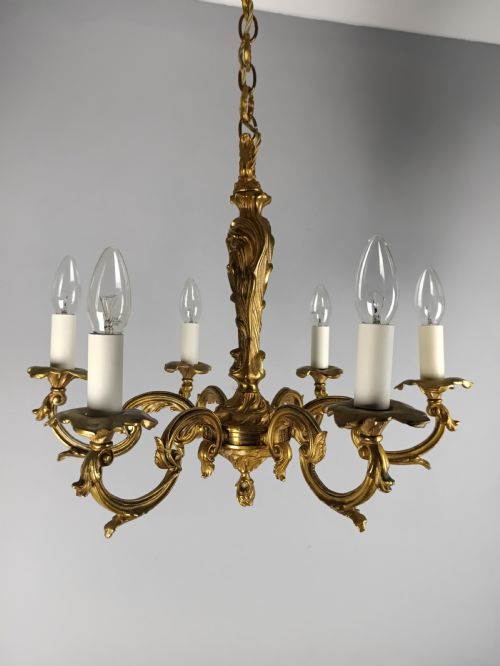
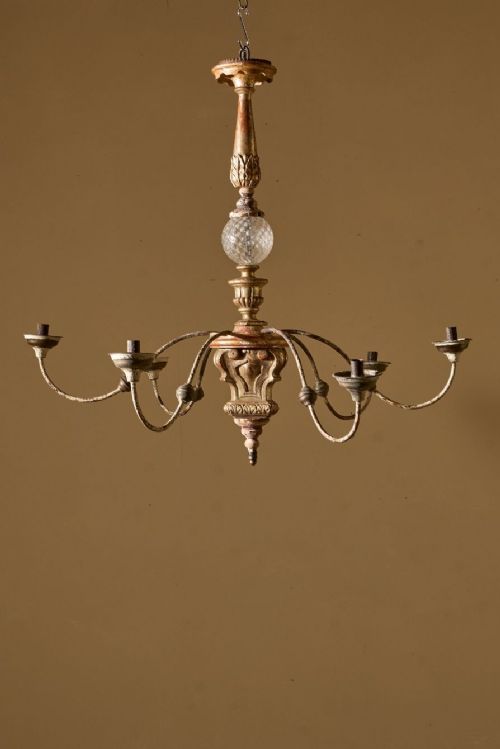
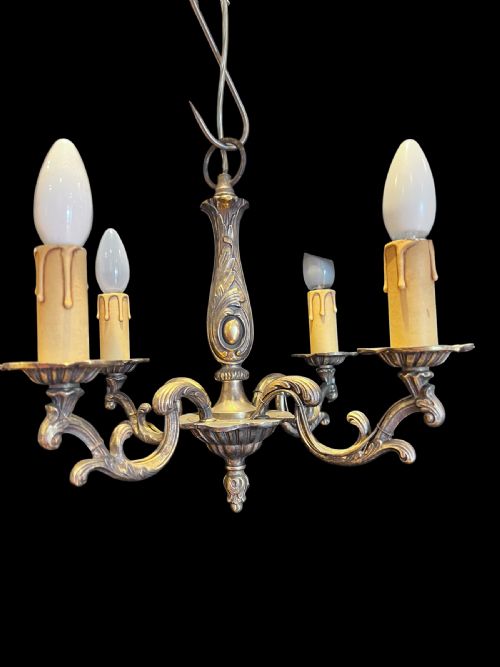
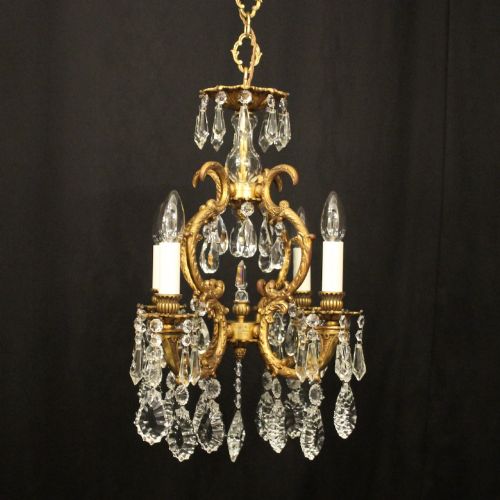
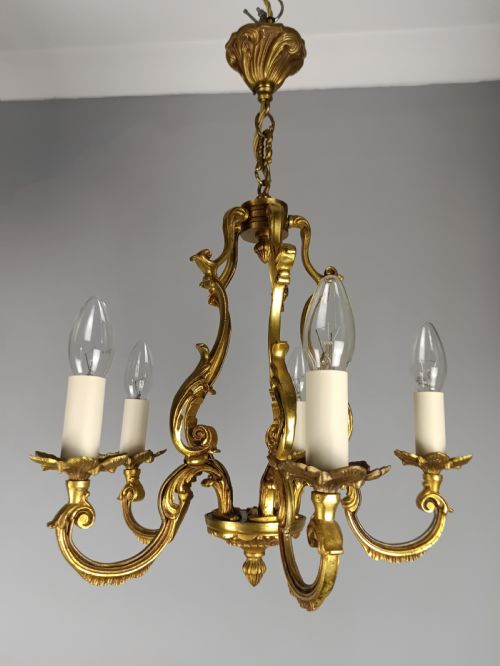
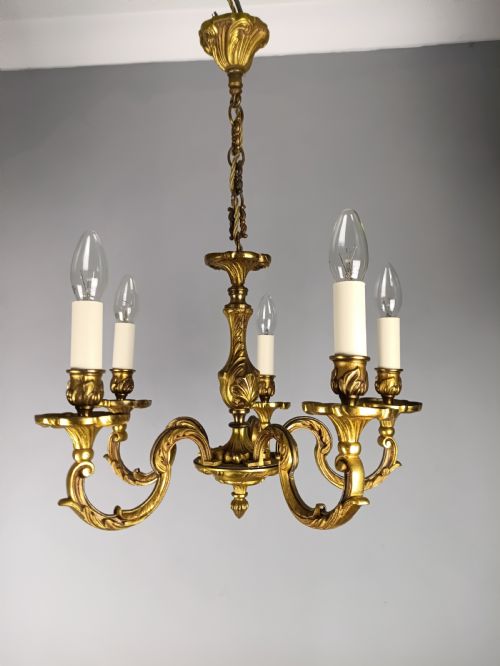
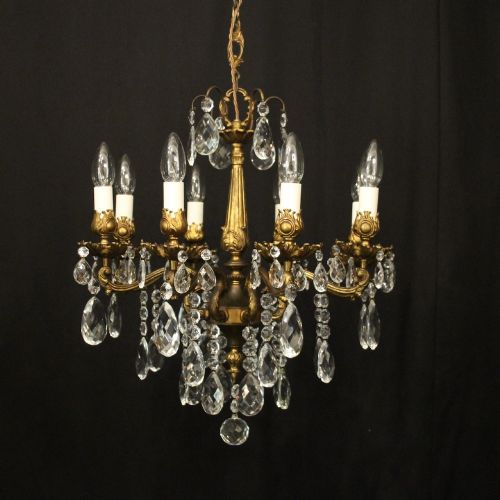
An antique gold chandelier comprises ceiling-suspended lighting fixtures finished in gilt metals, brass, bronze or gilded wood, spanning periods from the mid-nineteenth century through the early twentieth century. When exploring an antique gold chandelier, buyers typically encounter French styles such as Rococo, Empire and Neoclassical designs, alongside Italian Florentine and English brass examples.
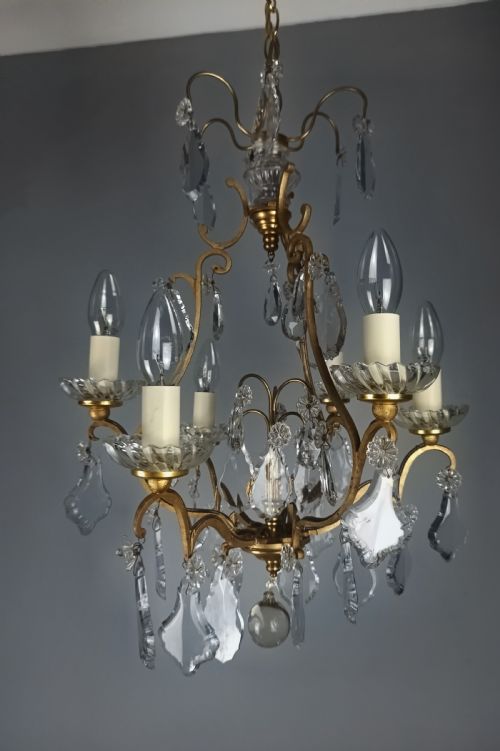
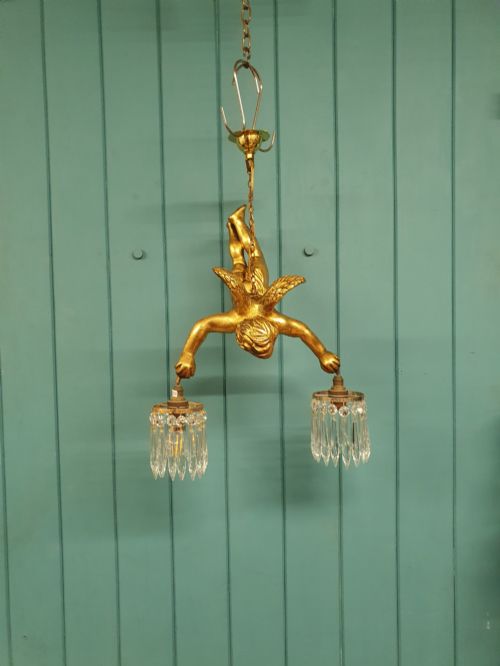
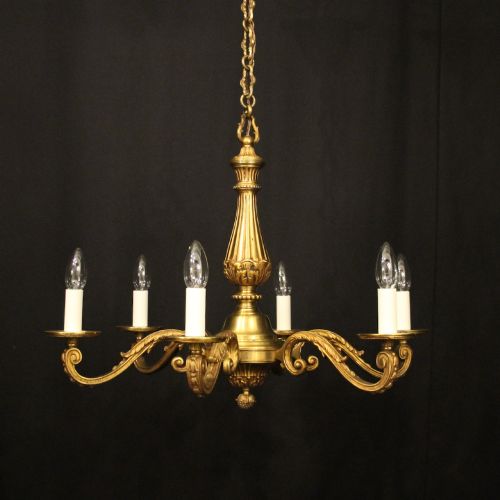
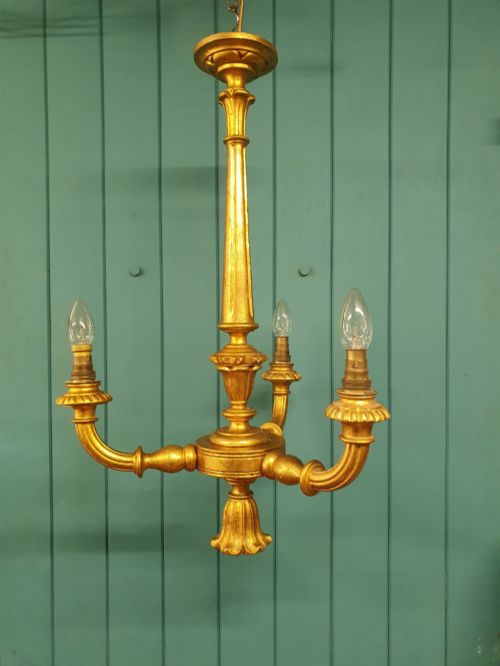
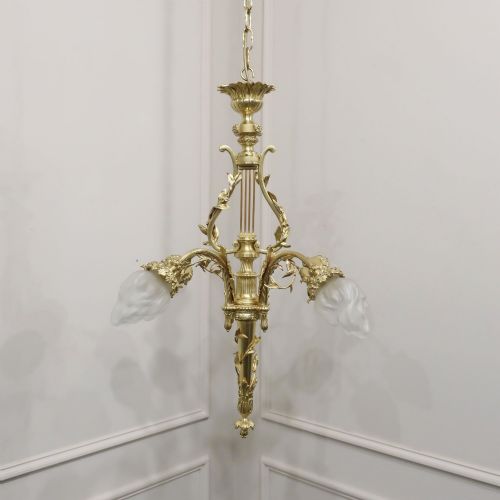
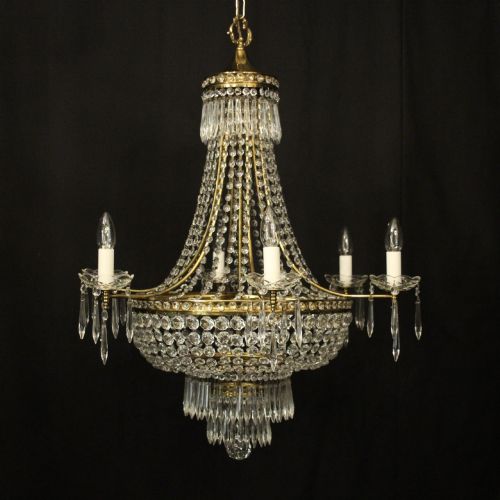
The selections on this page range from multi-arm candle and bulb configurations to intricate birdcage, tent and waterfall formations hung with crystal lustres. Wall lights and hall lanterns also appear alongside central ceiling fixtures, providing coordinated options for historic interiors.
Materials and construction methods
Gilt bronze, cast brass and gilded metal form the structural framework of these fixtures, providing durable foundations for arms, coronets and lanterns. Craftsmen utilised fire gilding, mercury plating or applied gold leaf to impart the characteristic metallic sheen.
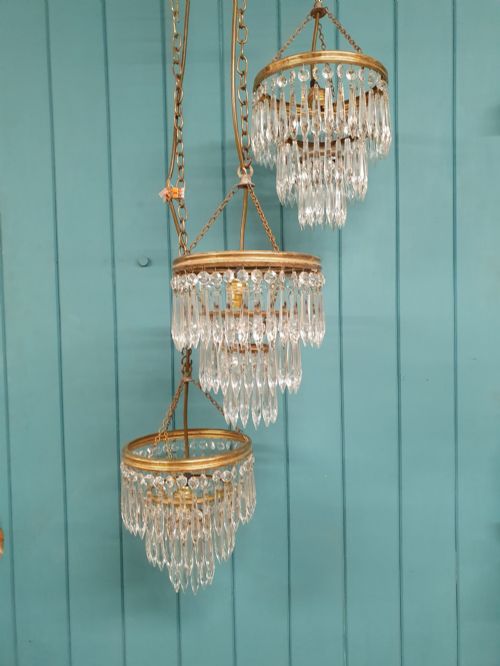
Cut glass and crystal drops, spikes and lustres are suspended from wire pins or chains, working in tandem with etched glass panels and carved giltwood components to refract and amplify the light.
The listings span the nineteenth century through the 1930s, featuring brass, gilt bronze, crystal and carved giltwood.
Distinctions in craftsmanship and design
The quality of an antique gold chandelier rests on the crispness of the casting in bronze or brass elements, where finely chased foliage, cherubs and neoclassical motifs display sharper detail than simpler stamped components. Hand-cut crystal lustres with deep facets reflect light differently than machine-pressed glass drops.
Proportion and structural integrity define the higher tiers of production, ensuring that multi-tier tent and waterfall formations balance harmoniously without sagging frames or mismatched replacement components.
The Antique Gold Chandelier Glossary
- Gilt bronze
- An alloy of copper and zinc or tin treated with gold leaf or mercury gilding. This material allows for intricate chased detailing that holds its warm metallic lustre over centuries.
- Crystal lustre
- A cut glass pendant or drop suspended from the arms or crown of a fixture. These elements disperse and refract light across the ceiling and walls.
- Tent and waterfall
- A configuration where strings of crystal beads form an upper tent shape above a cascading waterfall effect of drops. It creates a dense crystalline canopy.
- Hall lantern
- An enclosed ceiling fixture, often glazed with glass panels in a brass or gilt frame. Designed originally for corridors and entranceways.
- Spelter
- A zinc-based alloy often cast into figural components like cherubs and finished with a metallic coating. It served as a lighter, more economical alternative to bronze during the nineteenth and twentieth centuries.
Antique Gold Chandelier: Frequently Asked Questions
How do I clean an antique gold chandelier?
Dust the metal and crystal components gently with a soft dry cloth or feather duster to prevent accumulation. Avoid harsh chemical cleaners that can strip the delicate gilt surface from the bronze or brass.
For deeper cleaning, remove crystal drops individually and wash them in lukewarm water with mild soap. Dry each piece thoroughly before reattaching it to the frame with new brass pins.
Were these fixtures electrified later?
Many antique chandeliers designed for candles or gas have been converted to electricity during their lifespan. Rewiring is standard practice to meet modern safety regulations while preserving the historic metalwork.
Professionals can update internal wiring without altering the exterior appearance or damaging the original bronze and brass structure.
How do I choose the right size?
Measure the room dimensions in feet and add the length and width together to determine the ideal diameter of the fixture in inches. Ensure the hanging height leaves adequate clearance for people to walk underneath safely.
Ceiling height dictates whether a flush mount, a standard drop, or a multi-tiered tent chandelier suits the space best without overwhelming the proportions of the room.
What distinguishes French styles from Italian ones?
French designs in this category often draw on Neoclassical, Empire or Rococo traditions, featuring formal symmetry, precise bronze casting and urn motifs. They emphasise architectural restraint or ornate scrollwork.
Italian Florentine examples frequently incorporate polychrome painted details, floral carvings, and flowing gilt structures that lean toward decorative exuberance rather than strict classical revival.