



Antique Giltwood Brass Light
An antique giltwood brass light brings warmth and metallic brilliance to a room, offering the decorative forms collectors seek.
Antique Giltwood Brass Light
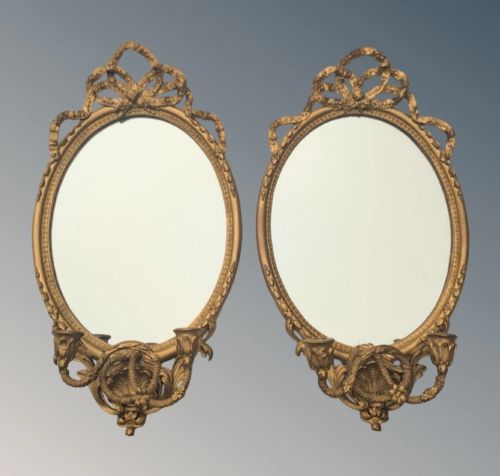
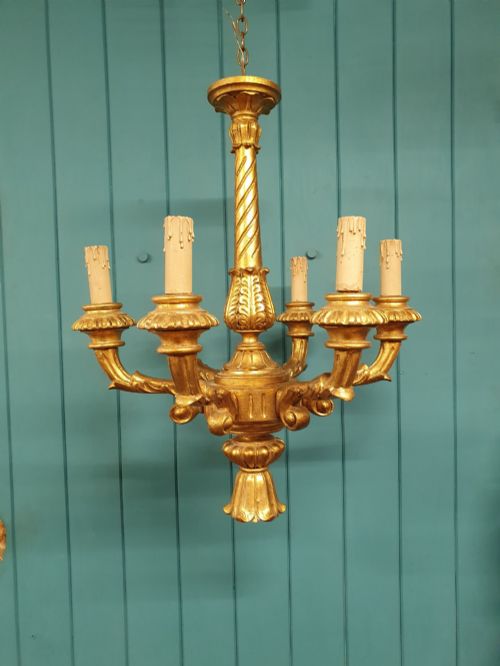
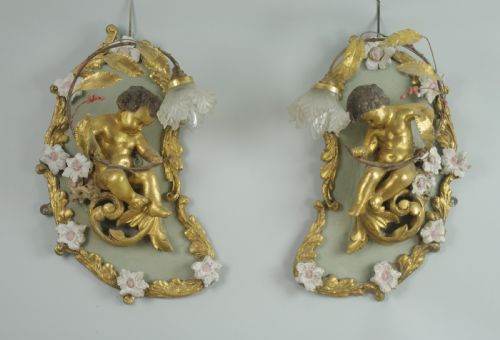
When you search for an antique giltwood brass light, you encounter wall sconces, wall lights, table lamps, chandeliers, and wall mirrors adorned with metallic and gilded surfaces. These items originate across the nineteenth and early twentieth centuries, spanning periods from the early eighteen-hundreds through to nineteen-twenty.
The most common versions on this page are pairs of wall lights and wall sconces featuring multi-arm branches and carved wooden frames. Pieces often reflect specific design idioms such as Victorian, French Rococo Revival, Florentine, French Empire, Louis XVI, Neoclassical, and Regency.
Forms range from tall Italian table lamps and chateau candlesticks to large mirrored sconces and girandole mirrors. These objects function primarily as wall-mounted or table-standing illumination and reflective decor.
How they were made
Maker techniques combine carved wood, gesso, and gold leaf to create the characteristic giltwood surfaces seen on these pieces. Craftsmen applied layers of gesso to carved wooden substrates before laying fine gold leaf to achieve a brilliant reflective finish.
Metal components, including brass and other base metals, integrate with the wooden structures to form durable armatures and sconces. Glass and porcelain elements also appear as part of the decorative and functional design scheme across the listings.
Antique Giltwood Brass Light Retail Price Guide 2026
Typical asking prices for giltwood brass light among the pieces listed under this phrase on Sellingantiques today, from the lower quarter to the upper quarter. They describe what is for sale here now, not the wider market.
The documented design styles include Victorian, French Rococo Revival, Florentine, French Empire, Louis XVI, Neoclassical, and Regency.
What varies in quality
Quality differences manifest in the depth and crispness of the wood carving beneath the gilding, where hand-chiseled details surpass simpler moulded or cast gesso enrichments. The application of gold leaf shows variation between dense, burnished metallic layers and flat, uniform modern coatings.
The structural integration of metal arms and wooden bodies determines the durability and overall balance of the piece. Heavier gauge brass and solid carved wood components separate more substantial items from lighter, less robust constructions.
The Antique Giltwood Brass Light Glossary
- Giltwood
- Wood that has been coated with gold leaf or powder. This finish provides a luminous surface that catches candlelight or electric illumination.
- Gesso
- A plaster-like mixture applied to a wooden surface to prepare it for gilding. It allows craftsmen to carve intricate relief details before applying gold leaf.
- Girandole
- A decorative wall mirror fitted with candle branches or sconces. The reflective glass multiplies the light cast by the candles.
- Sconce
- A wall-mounted lighting fixture designed to hold candles or electric bulbs. These fixtures project light outward into the space.
- Rococo Revival
- A nineteenth-century design style characterised by asymmetrical scrolls, naturalistic foliage, and ornate shell motifs.
Antique Giltwood Brass Light: Frequently Asked Questions
How do I care for giltwood?
Dust giltwood surfaces gently with a soft, dry brush to prevent accumulation. Avoid liquid cleaners or moisture, which can lift delicate gold leaf.
Keep pieces away from direct heat sources and strong sunlight to preserve the underlying gesso and wood.
What is the difference between a girandole and a standard mirror?
A girandole incorporates integrated candle arms or sconces directly onto the mirrored frame. This combination allows the glass to reflect the illumination cast by the attached lights.
Standard mirrors serve purely for reflection without dedicated lighting fixtures built into the frame.
Can antique wall lights be wired for electricity?
Many antique wall lights and chandeliers adapt successfully to modern electrical standards by professional conservators. The internal wiring channels route safely through the original metal and wooden arms.
Consult a qualified electrician to ensure compatibility with modern voltage and mounting requirements.
How do I identify Regency style?
Regency pieces often draw inspiration from classical Greek, Roman, and Egyptian motifs. The aesthetic favors clean architectural lines alongside restrained classical ornamentation.
This style appeared during the early nineteenth century, bridging earlier Georgian forms and later Victorian excess.