

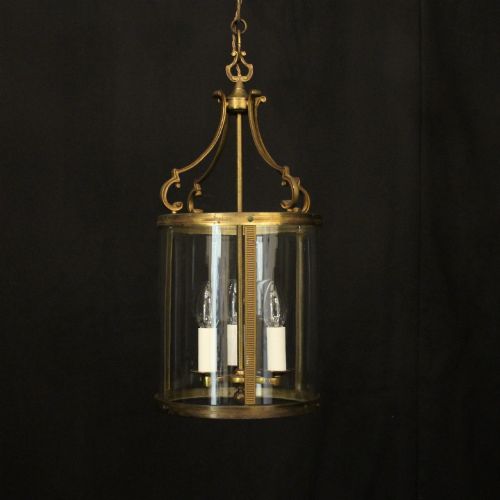
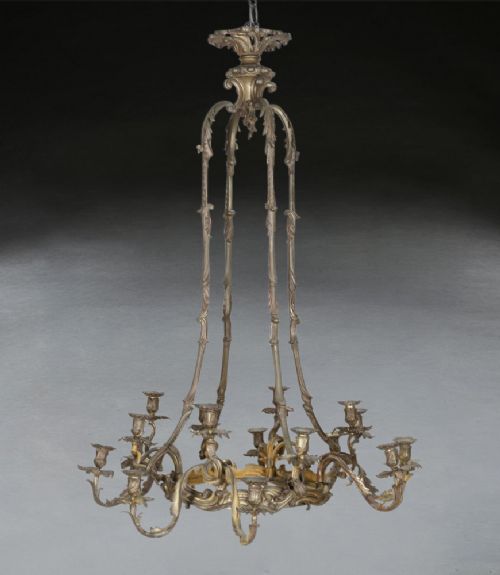


Victorian Gilt Ceiling Pendant
These victorian gilt ceiling pendant lights bring golden warmth and period presence directly to high-ceilinged rooms.
Victorian Gilt Ceiling Pendant
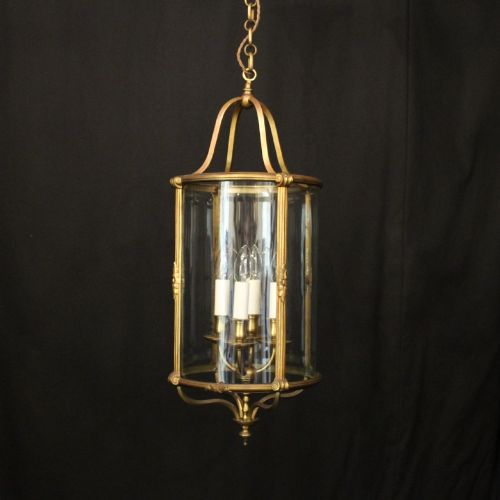
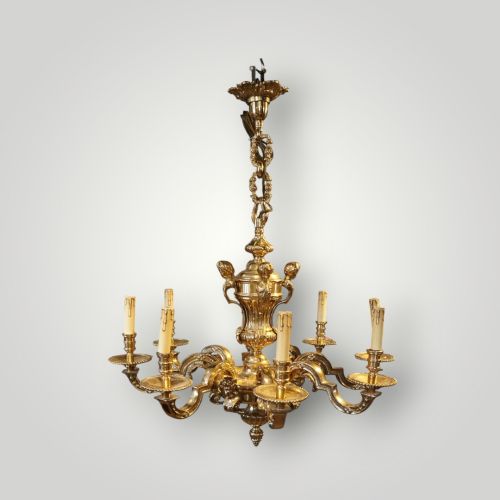
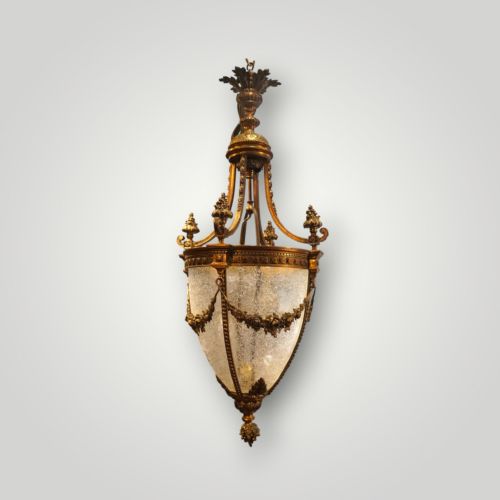
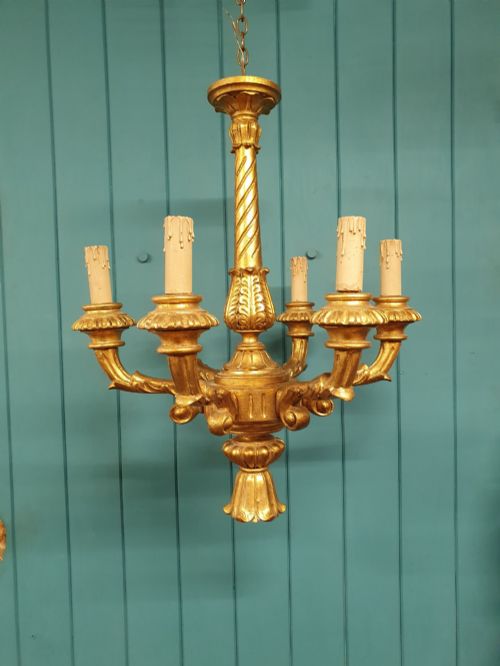
A victorian gilt ceiling pendant spans ornate hanging lanterns, multi-branch chandeliers and substantial glass fixtures designed to illuminate grand spaces from above. The versions met most often on this page combine gilded metalwork with clear or opaline glass elements.
The objects stem predominantly from the nineteenth century alongside related French revival styles and Edwardian periods. These light fittings hang closely to architectural ceilings, casting illumination downwards through structured bronze, brass and cut crystal components.
Materials and Construction
Metalwork relies on cast bronze, brass and gesso finished with heavy gilding to produce a durable golden surface. Smiths and founders shaped these frames through traditional casting and hand-finishing methods before applying surface gold layers.
Glass components feature heavily in the form of cut crystal, moulded panes and opaline glass bowls or shades. Craftsmen cut and fitted these translucent panels tightly into metal cages and frames to diffuse the internal candle or gas light.
Victorian Gilt Ceiling Pendant Retail Price Guide 2026
Typical asking prices for victorian gilt ceiling pendant among the pieces listed under this phrase on Sellingantiques today, from the lower quarter to the upper quarter. They describe what is for sale here now, not the wider market.
Several fixtures include tiny bronze cherubs peering down from the ceiling mounts to supervise the dining table below.
Assessing Quality and Execution
Superior examples display crisp chiselling on cast bronze and gilt brass elements, where decorative motifs retain sharp relief and defined edges. Lesser pieces rely on softer, shallower casting details that lack individual hand-chased definition.
The weight and clarity of the glass components dictate the upper tier of execution, featuring deep hand-cut facets or smooth, unblemished opaline surfaces. Fine mounting ensures that metal frames hold glass panes securely without loose joints or misaligned structural members.
Perry And Co·Baccarat
The Victorian Gilt Ceiling Pendant Glossary
- Gilt bronze
- Metal alloy cast into decorative shapes and coated with a thin layer of gold or gold-coloured leaf. This technique provides lasting metallic brilliance without the weight of solid gold.
- Opaline glass
- A milky, translucent white glass popular for diffusing light softly within hanging fixtures. It smooths the glare from internal burners while adding a distinct soft texture.
- Cage chandelier
- A light fitting constructed around an open metal framework where crystals and glass drops hang within or radiate from a central metal spine. This layout maximises internal light reflection.
- Hall lantern
- An enclosed ceiling pendant designed specifically for entryways, vestibules and corridors. These pieces typically feature glass panels held within a glazed metal housing.
- Gasolier
- A historic ceiling light originally engineered to distribute gas fuel to multiple burners before later conversion to electricity. These fixtures often feature hollow arms designed for gas delivery.
Victorian Gilt Ceiling Pendant: Frequently Asked Questions
Can these lights use modern bulbs?
Many surviving fixtures have already undergone rewiring to accommodate standard modern lamp holders and domestic electrical circuits.
Low-heat LED alternatives work well inside enclosed lanterns and delicate crystal arrangements to protect historic materials from thermal damage.
How should I clean gilt metal?
Dust surfaces gently using a dry, soft feather duster or microfiber cloth to remove everyday accumulation without disturbing the delicate gold finish.
Avoid chemical polishes and abrasive liquids entirely, as these harsh substances strip away historical gilding from the bronze or brass substrate.
What rooms suit a ceiling pendant?
Grand hallways, high-ceilinged drawing rooms and formal dining spaces provide the vertical clearance necessary for multi-branch chandeliers and hanging lanterns.
Placing these fixtures centrally allows the gilt surfaces and glass prisms to catch and distribute natural light throughout the room.