


Antique Gold Bedroom Chairs
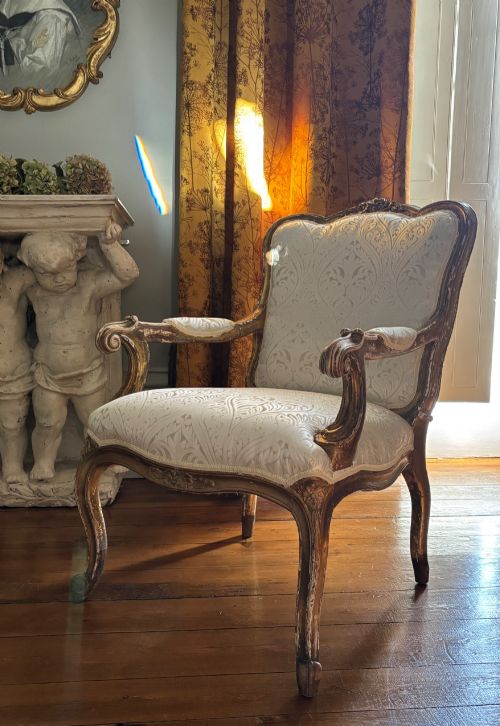
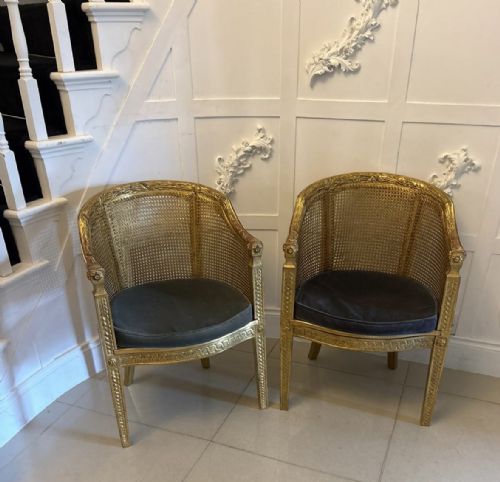
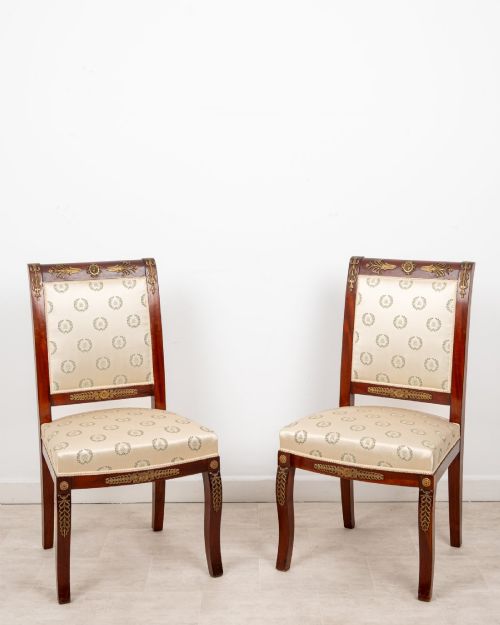
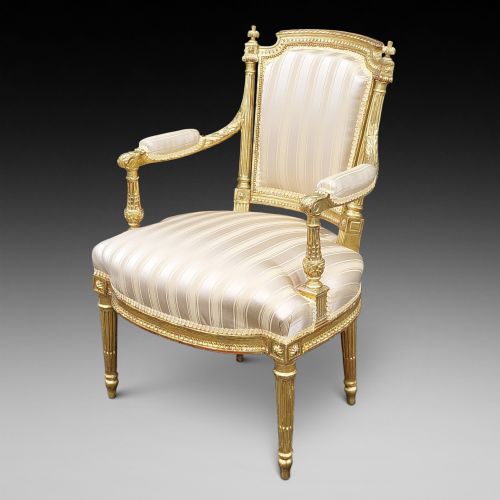
These antique gold bedroom chairs combine gilded frames with period upholstery, offering compact luxury for private chambers.
Antique Gold Bedroom Chairs
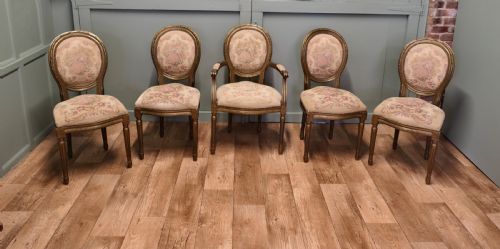
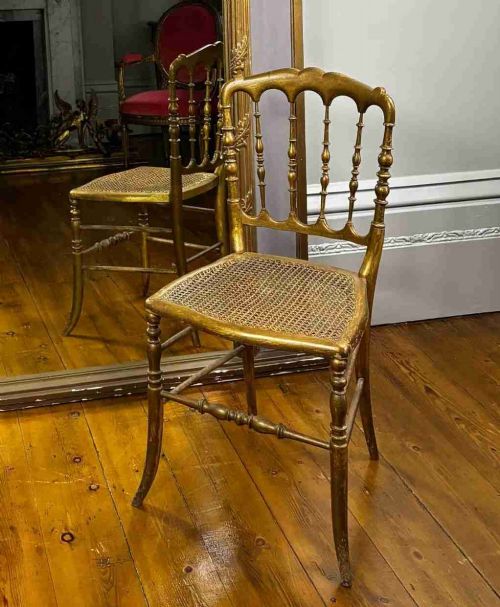
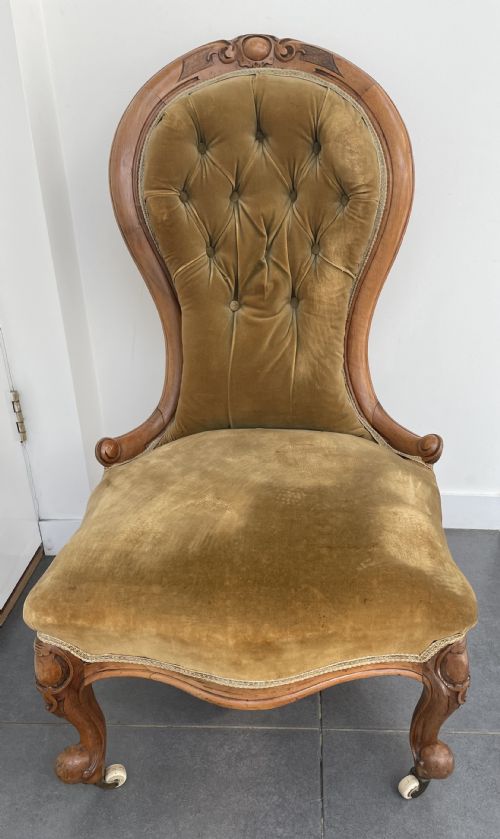
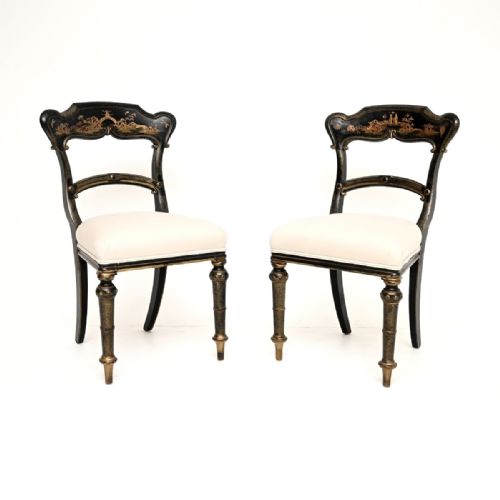
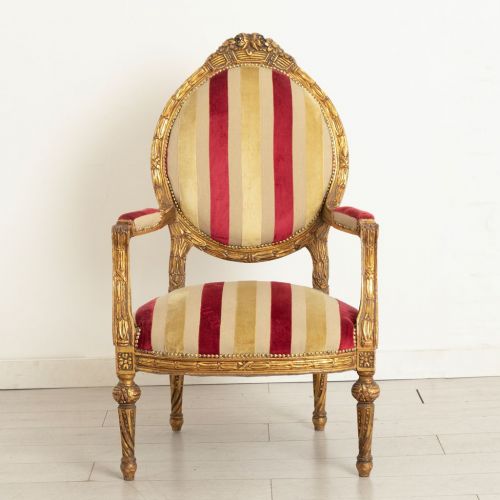
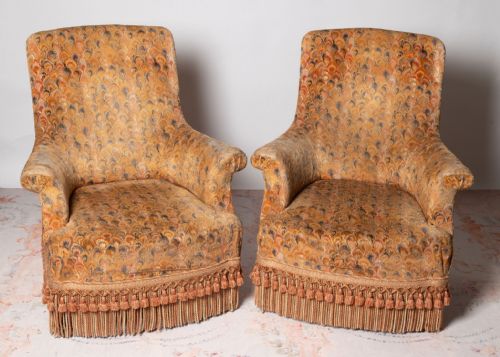
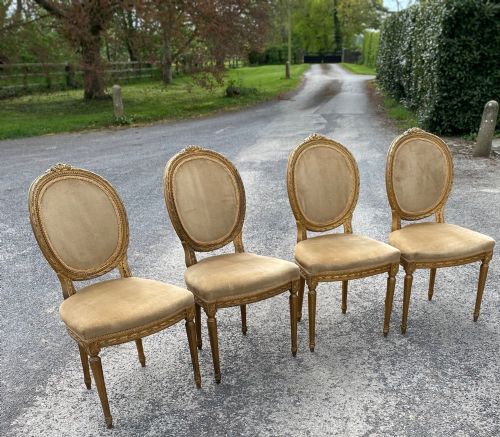
Antique gold bedroom chairs encompass small seating forms like nursing chairs, slipper chairs, and occasional chairs designed for domestic boudoirs. The selection relies heavily on nineteenth-century French and Victorian pieces, featuring giltwood finishes and carved details.
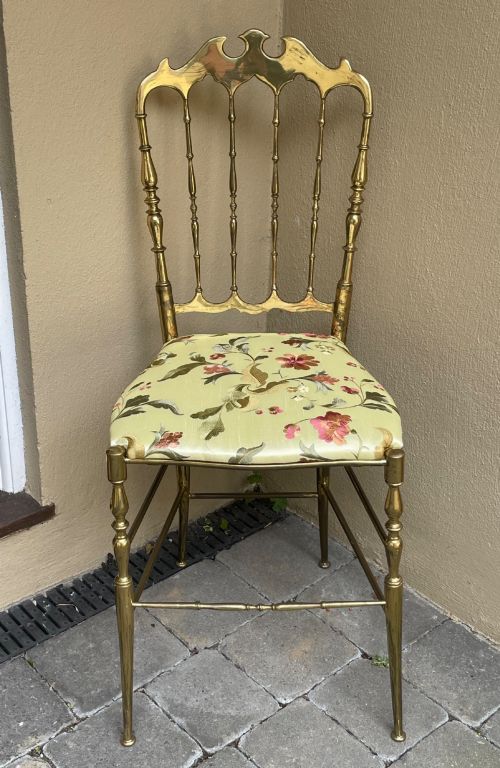
Makers and workshops produced everything from small side chairs to open armchairs and gilt fauteuils. Buyers encounter items ranging from simple bamboo frames to elaborate Louis XVI revival models upholstered in velvet and silk.
How they were made
Frames utilise beech, walnut, and mahogany beneath applied gold leaf or gilt decoration, alongside structural brass or ormolu mounts. Caned seating appears alongside traditional webbed and sprung upholstery covered in velvet, textile, and fabric.
Carvers shaped wooden components by hand before applying gilding techniques, while joiners utilised traditional tenon and mortise joints. Upholsterers employed button-back techniques and horsehair stuffing to shape nursing and occasional chairs.
The listings feature nineteenth-century pieces spanning the Victorian, Edwardian, and Regency periods, utilising giltwood, beech, walnut, and velvet.
What varies in quality
Quality rests in the crispness of the wood carving and the integrity of the original gilt surface rather than replaced paint or modern leaf. Finer examples retain intact period gilding, deep relief carving, and robust joinery without structural looseness.
Upholstery execution and frame proportions dictate desirability, with signed pieces by notable makers commanding distinct attention. Original caned seats and authentic period textiles elevate individual examples above later replacements.
Blaise Maucuy·Holland & Sons·Lamb of Manchester·Howard and Sons
The Antique Gold Bedroom Chairs Glossary
- Giltwood
- Wood coated with gold leaf or powder over a prepared gesso ground. This finish defines the reflective surfaces of French and English revival salon chairs.
- Fauteuil
- An open-framed armchair with upholstered back and armrests, exposing wooden structural members. These pieces frequently appear in nineteenth-century Louis XVI revival styles.
- Bergere
- A closed armchair with upholstered sides enclosed by wood or cane. They offer deeper proportions suited to nineteenth-century boudoirs.
- Nursing chair
- A low-seated chair designed for comfort and ease near the hearth or bedside. Victorian examples often feature turned legs and low profiles.
- Ormolu
- Gilded bronze mounts applied as decorative ornaments to furniture frames. Makers utilised these elements on nineteenth-century French and revival pieces.
Antique Gold Bedroom Chairs: Frequently Asked Questions
Where were these chairs placed?
These chairs served in private dressing rooms, boudoirs, and bedrooms for resting or dressing.
Their compact proportions allowed them to fit easily into smaller domestic spaces alongside beds and washstands.
How do I identify French revival pieces?
French revival pieces display classical motifs like fluted legs, acanthus carving, and giltwood finishes modelled on eighteenth-century designs.
Nineteenth-century makers adopted these Louis XVI styles to satisfy contemporary demand for continental elegance.
Are these chairs comfortable for daily use?
Many bedroom chairs offer supportive sprung or padded seating, though lower nursing chairs feature shallower depths.
Victorian and Edwardian examples often include newly replaced upholstery that provides adequate support for modern sitting.
What is the difference between an occasional chair and a salon chair?
Occasional chairs were easily moved about a house to provide extra seating where needed in rooms.
Salon chairs formed part of matching suites intended for formal entertaining and reception spaces.