

Antique Gold Accessory
An antique gold accessory brings tactile weight to a desk or hearth, uniting utility with the gleam of brass, bronze, and gilt.
Antique Gold Accessory
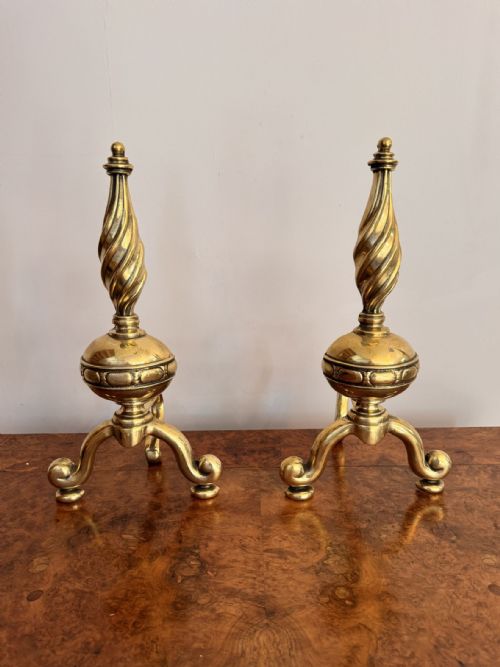
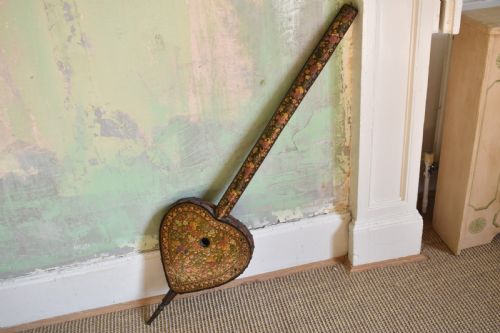
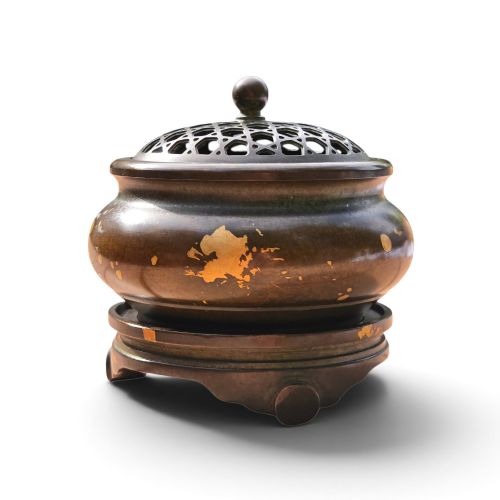
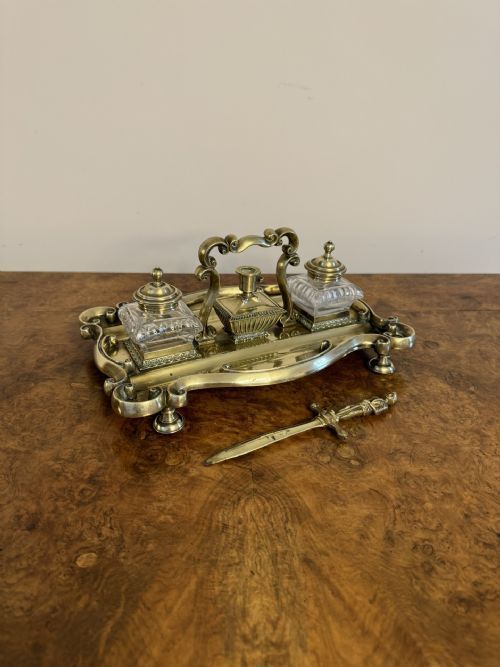
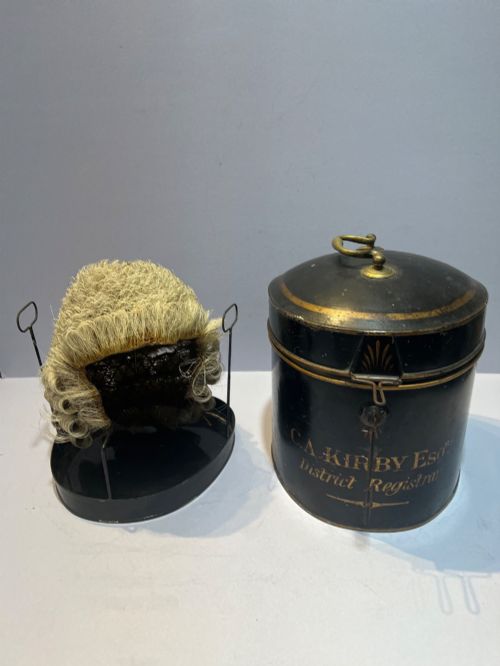
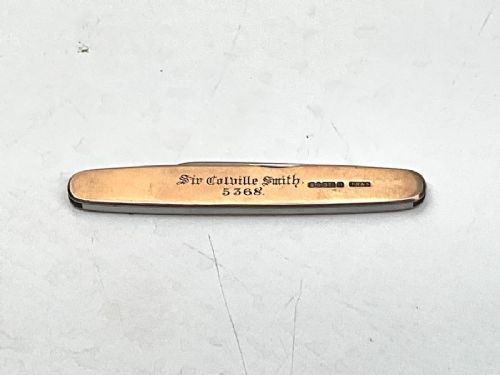
The selection on this page leans heavily toward Victorian desk accessories and fireplace fittings alongside personal items. Buyers encounter items like cast brass andirons, gilt bronze inkstands, and pocket-worn writing tools.
Objects originate from various periods including the Georgian and Edwardian eras, with French and English workshops dominating the forms. Each item reflects the domestic routines of past centuries through durable metalwork and polished finishes.
Materials and construction
Makers utilised cast brass, bronze, and copper as foundations, frequently applying surface treatments of ormolu or mercury gilding to achieve a lustrous golden finish. These metals provide the structural integrity required for heavy items like fire dogs and desk stands.
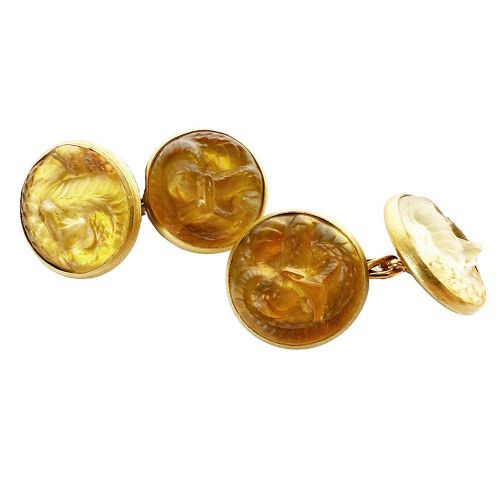
Casting methods combined with hand-chasing allowed artisans to render intricate details such as foliage, animal figures, and classical motifs. Subsidiary materials like glass, leather, and marble occasionally complement the metalwork in desk sets and inkwells.
Materials range from cast brass and gilt bronze to Sienna marble and leather.
Judging the range
Quality rests on the crispness of the casting and the depth of the subsequent chasing work. Superior examples exhibit sharp botanical or figural details without the blurring common in mass-produced later copies.
The integrity of the original gilt or ormolu surface dictates the visual appeal of an antique gold accessory. Wear that exposes the base metal evenly differs from careless modern replating, which obscures the tactile character of the piece.
William Tonks·Thomas Jeckyll·Tiffany Studios·Mabie Todd and Co·Edward Todd and Co·Cartier·R Lalique
The Antique Gold Accessory Glossary
- Ormolu
- Finely ground high-carat gold mercury-gilded onto a bronze or brass base. This technique produces a warm, durable yellow sheen characteristic of French decorative items.
- Andiron
- A horizontal metal support raised on legs used to hold logs in an open fireplace. Pairs often feature decorative cast brass or gilt fronts.
- Standish
- A portable tray or stand holding inkwells, pounce pots, and quill pens for a desk. These inkstands represent elite writing equipment from the Georgian and Victorian periods.
- Champleve
- An enamelling technique where troughs are dug into a metal surface and filled with vitreous paste before firing. The resulting coloured patterns contrast with gilt bronze mounts.
- Chenet
- The French term for an andiron or fire dog. These ornamental metal supports sit at the front of a hearth.
Antique Gold Accessory: Frequently Asked Questions
Were these desk items purely decorative?
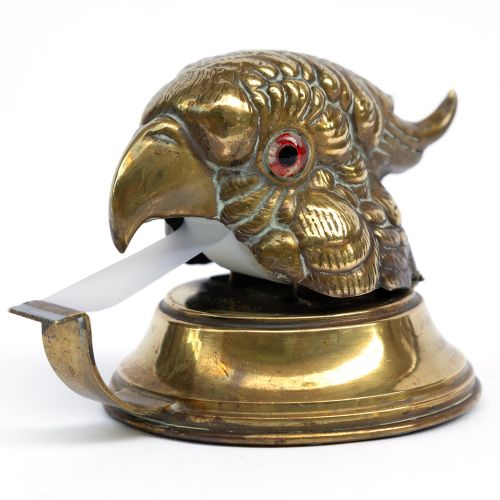
Most pieces served active daily roles in correspondence, record keeping, and sealing letters. Inkstands held functional wells while tape dispensers and pen rests organised the writing table.
At the same time, wealthy owners commissioned ornate gilt bronze versions to display status and taste. Utility and aesthetic refinement went hand in hand in the 19th-century study.
How do I date a brass accessory?
Examine the casting marks, assembly methods, and wear patterns on the underside of the piece. Hand-filed surfaces and threaded screws often indicate earlier Georgian or Victorian manufacturing techniques.
Stylistic cues such as rococo scrolls or Art Nouveau asymmetry also anchor objects to specific decades. Comparing construction details with marked pieces by known makers helps narrow the timeline.
Can I use antique inkwells today?
Glass or ceramic liners within metal stands can hold modern ink if they lack cracks or leaks. However, corrosive iron gall inks should be avoided to protect historical reservoirs.
Many collectors prefer to display writing accessories dry to preserve the interior material integrity. Using them as decorative objects prevents accidental staining of delicate brass or marble.