

Antique Goblet Cup
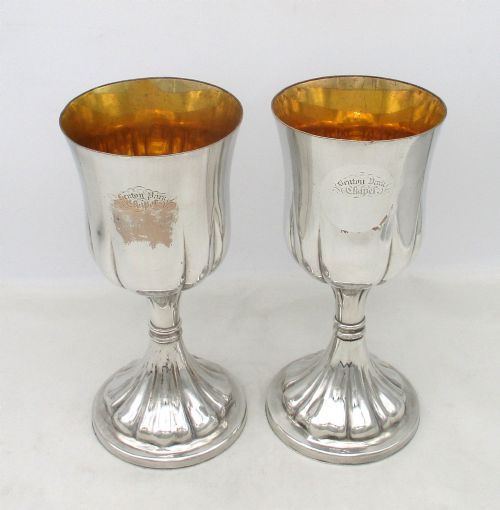
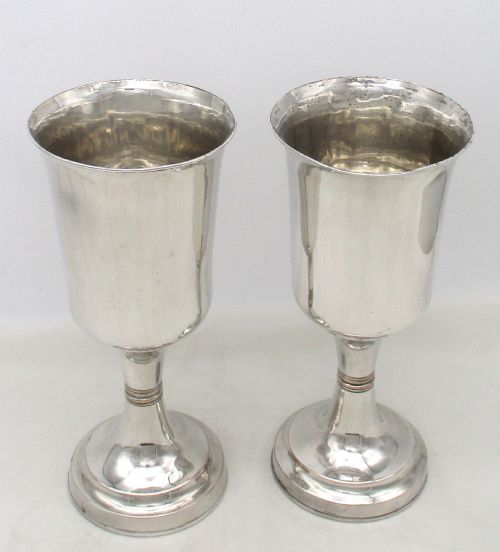
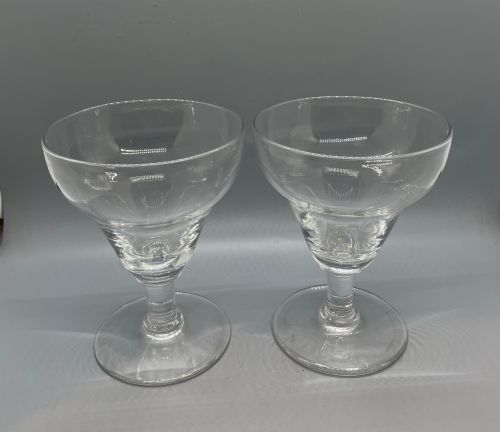
An antique goblet cup satisfies a taste for historic drinking vessels, spanning heavy Georgian lead glass to intricate sterling silver trophies.
Antique Goblet Cup
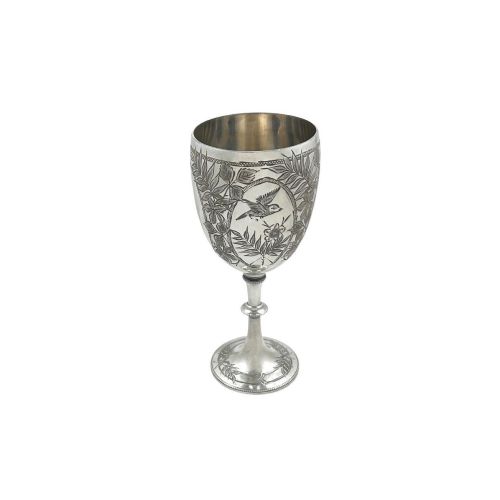
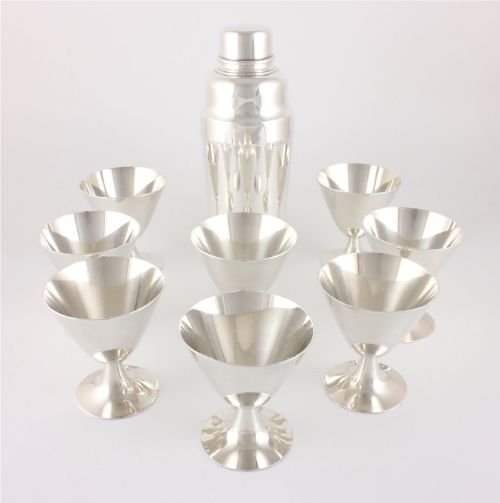
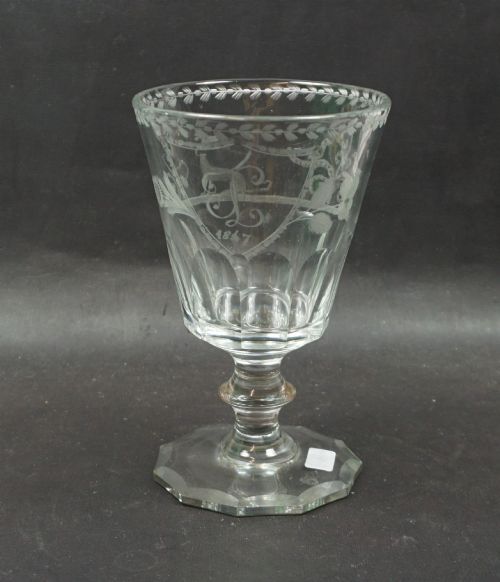
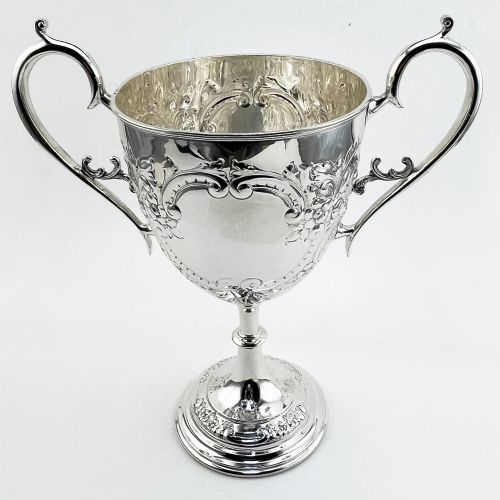
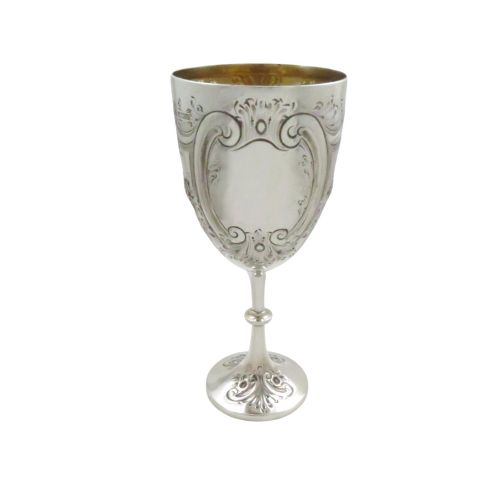
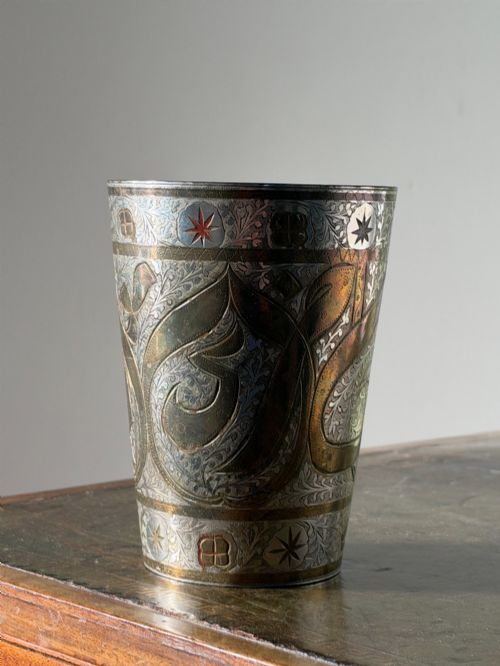
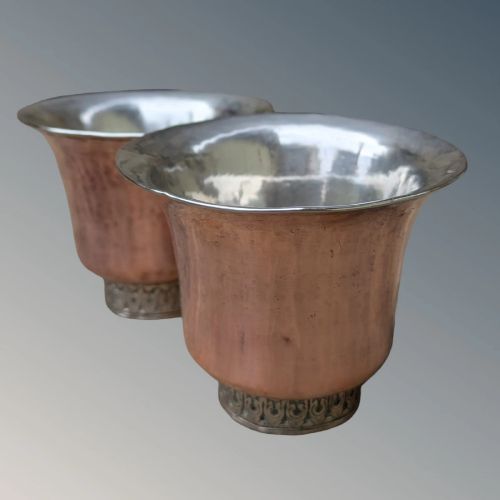
An antique goblet cup encompasses a diverse group of drinking vessels and commemorative objects, ranging from heavy Georgian glass rummers to ornate Victorian sterling silver chalices and Chinese export beakers. Buyers examining this category encounter forms designed for communion, celebration, and formal dining across several centuries.
The most common examples on this page date from the Georgian, Victorian, and Edwardian periods, utilising materials such as sterling silver, lead glass, pewter, and fruitwood. These pieces vary widely from plain wooden treen pedestals to elaborate silver gilt campana shapes and ecclesiastical church chalices.
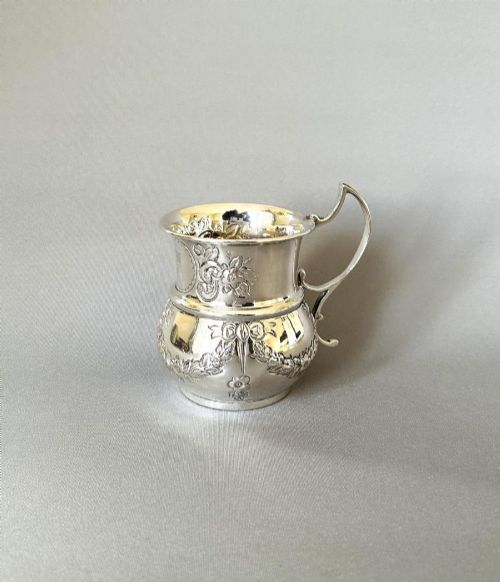
Domestic and ceremonial forms dominate the selection, including christening mugs, stirrup cups, wager cups, and tall church vessels. Each object reflects the social customs and metalworking or glassblowing standards of its specific decade.
Materials and construction methods
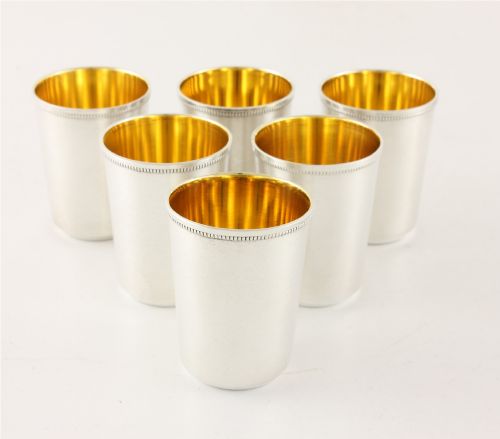
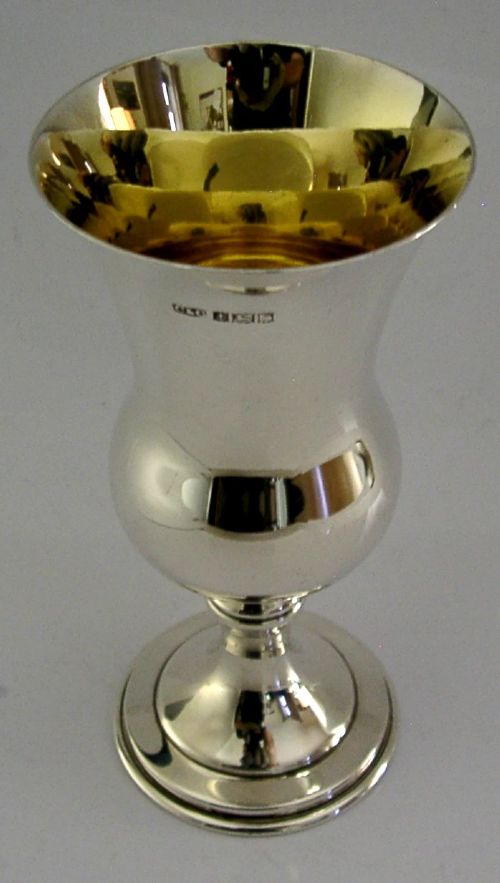
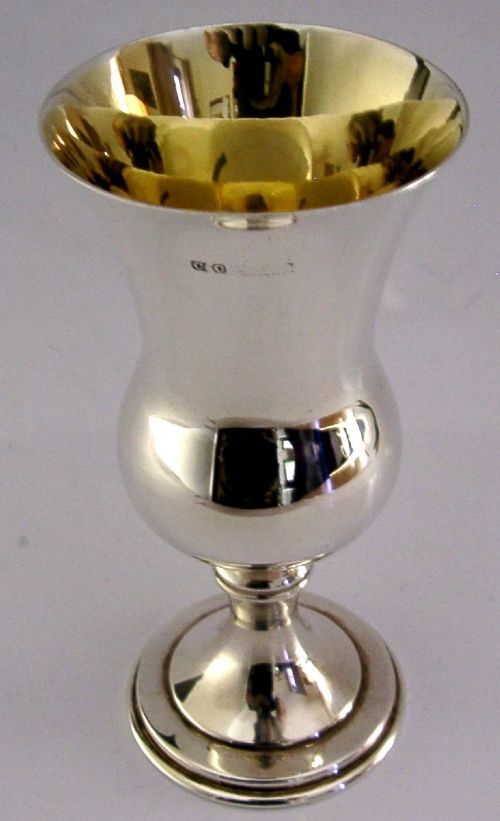
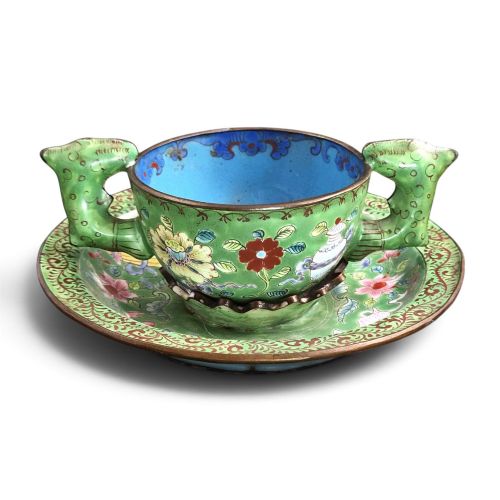
Silversmiths constructed metal drinking vessels using techniques like hammering, casting, and repoussé, frequently combining sterling silver with silver gilt interiors or applying detailed enamel work. Plated items utilise old Sheffield plating methods over base metals, while pewter examples rely on traditional casting moulds to achieve sturdy domestic forms.
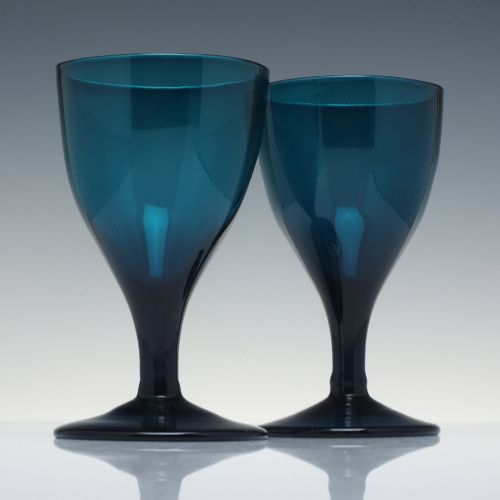
Glass pieces demonstrate lead glass formulation and free-blowing or mould-blowing techniques, often supplemented by wheel-engraving or acid-etching to create decorative bowls and stems. Coloured glass variants incorporate mineral oxides during the melting process to produce deep hues like aqua green and amethyst.
Wooden treen items originate from dense timbers such as fruitwood, lignum vitae, and walnut, shaped on lathes or hand-carved with intricate details. Stoneware and porcelain pieces integrate ceramic throwing with mounted silver rims or stoneware bodies produced by established potteries.
Antique Goblet Cup Retail Price Guide 2026
Typical asking prices for goblet cup among the pieces listed under this phrase on Sellingantiques today, from the lower quarter to the upper quarter. They describe what is for sale here now, not the wider market.
Listings incorporate materials spanning sterling silver, silver plate, lead glass, coloured glass, copper, pewter, stoneware, and various woods including walnut and fruitwood.
Distinctions in craftsmanship and preservation
Quality in these drinking vessels rests upon the crispness of chased or engraved decoration, the structural integrity of stems and handles, and the purity of the metal or glass medium. Superior silversmith work displays sharp hallmarks, balanced proportions, and seamless joints, whereas lesser examples show excessive wear or heavy polishing that softens original details.
Glass specimens differ according to the clarity of the metal, the absence of internal bubbles or flaws, and the dexterity of any wheel-cut motifs. Treen and carved wooden items derive their standing from the choice of timber grain, the precision of the turned pedestal, and the preservation of the original surface patina.
Nathan and Hayes·George Unite·Tiffany and Co
The Antique Goblet Cup Glossary
- Rummer
- A large, heavy drinking glass popular in the Georgian period, typically featuring a short stem and an ogee or bucket-shaped bowl. These were utilised for ale, wine, and punch.
- Campana
- A bell-shaped vessel profile derived from classical antiquity, often seen on two-handled silver cups and trophy pieces from the eighteenth century. The flared rim provides a distinct silhouette.
- Treen
- Small handmade wooden household objects and vessels turned on a lathe or carved by hand. Fruitwood and lignum vitae are common timbers found in this category.
- Chalice
- A formal cup, frequently with a stem and foot, associated with ecclesiastical use in churches or ceremonial drinking. Examples in the evidence span silver, pewter, copper, and carved oak.
- Sterling silver
- An alloy containing a high proportion of silver combined with small amounts of other metals to ensure durability for tableware and decorative items. English pieces usually bear standard assay office hallmarks.
- Silver gilt
- Silver objects coated with a thin layer of gold on the interior or exterior surfaces, imparting a rich yellow sheen. This technique protected the underlying silver from acidic wines.
Antique Goblet Cup: Frequently Asked Questions
What distinguishes a rummer from a standard wine glass?
A rummer is substantially heavier and larger than a standard wine glass, possessing a sturdy, short stem and a capacious bowl designed for hearty ales and robust wines.
These pieces reflect Georgian drinking habits where durability and capacity mattered as much as delicate aesthetics.
How were church chalices different from domestic cups?
Church chalices generally feature broader bases for stability during sacred rites and larger capacities to accommodate sacramental wine for congregations. They often display ecclesiastical motifs or utilise Old Sheffield plating and heavy pewter.
Domestic cups focus more on secular celebration, personal crests, or decorative display.
Why do some silver cups feature gilt interiors?
Silver gilt interiors protected the underlying silver metal from tarnishing or chemical corrosion caused by acidic beverages like wine and punch. The gold layer also added a warm aesthetic contrast to the exterior silver surface.
This technique required skilled craftsmanship to bond the gold securely to the base metal.