
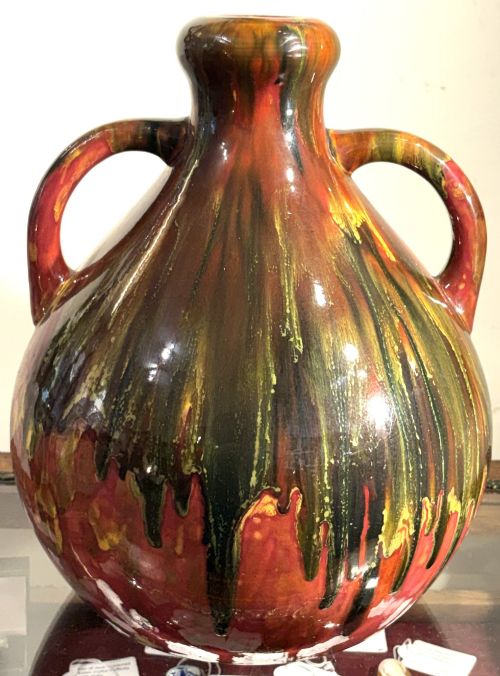
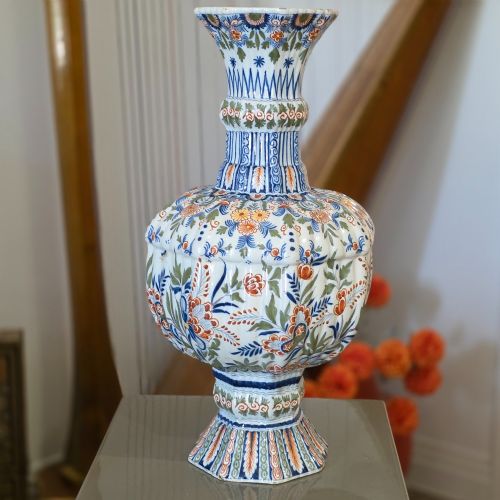
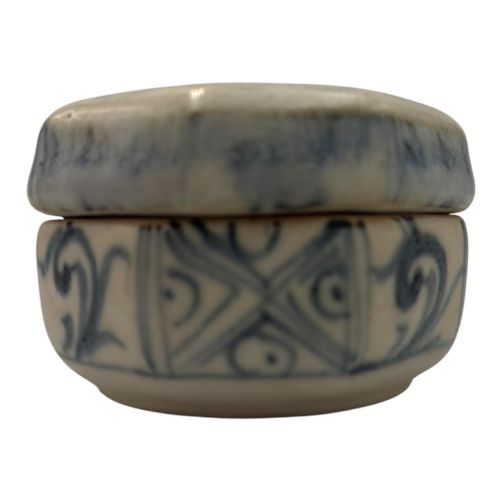
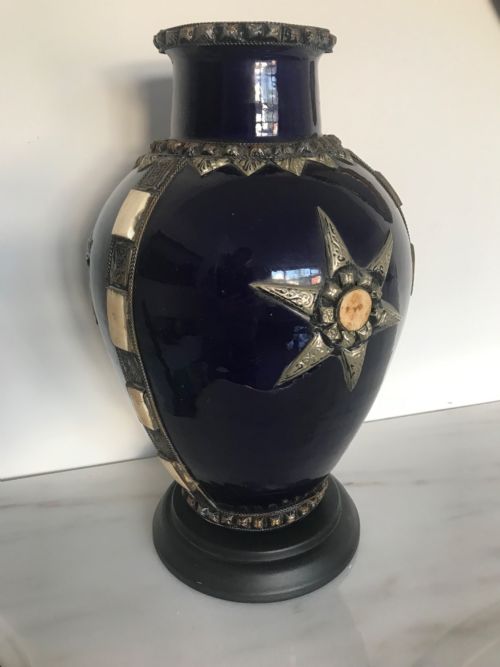
Antique Glazed Vessel
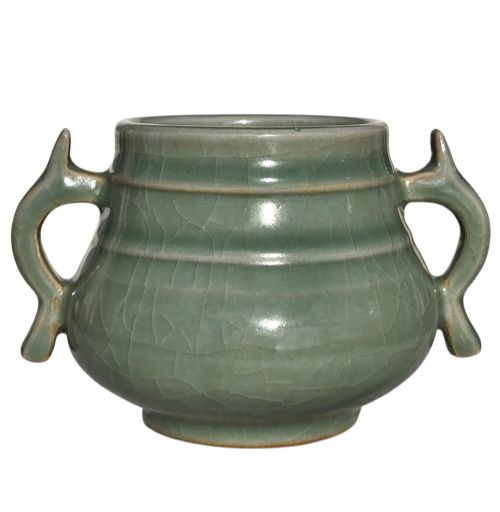
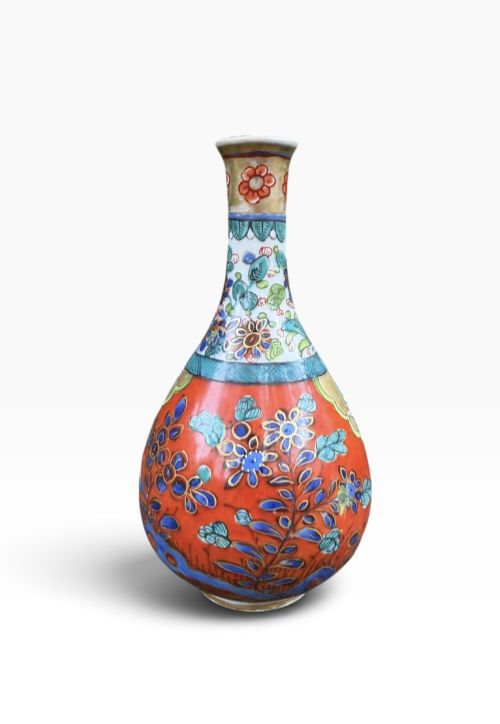
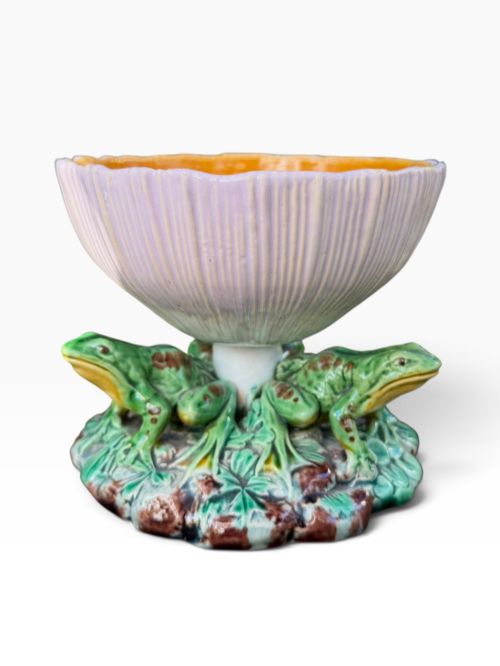
When you search for an antique glazed vessel, you are looking at centuries of functional and decorative ceramic containers made across the globe.
Antique Glazed Vessel
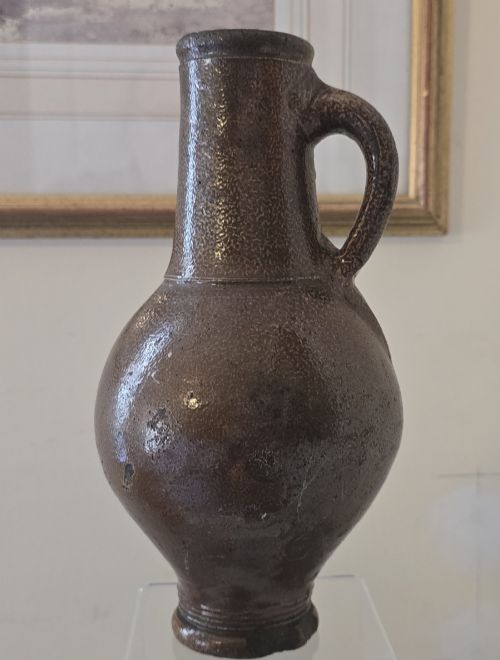
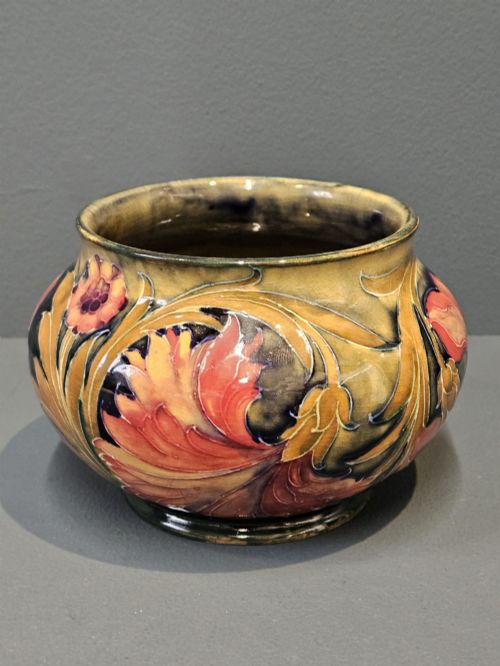
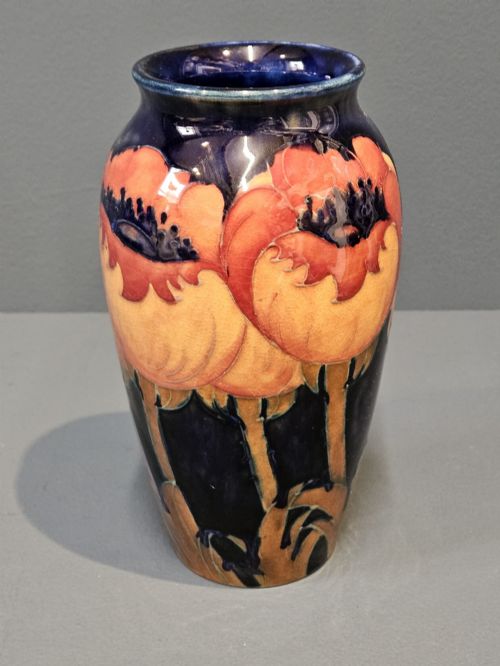
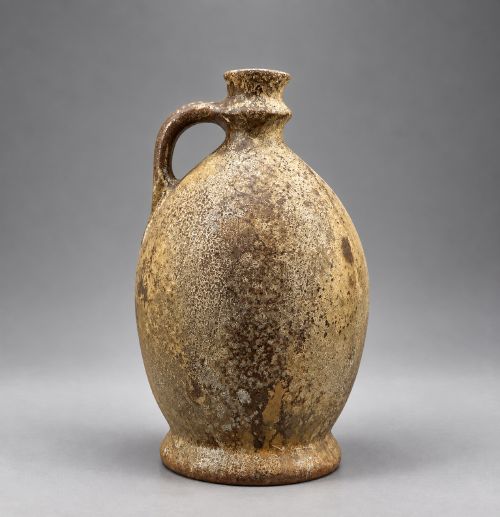
An antique glazed vessel covers a broad range of historical containers found in ceramic, terracotta, stoneware, and earthenware. These items serve various practical and decorative functions, spanning centuries of global pottery traditions.
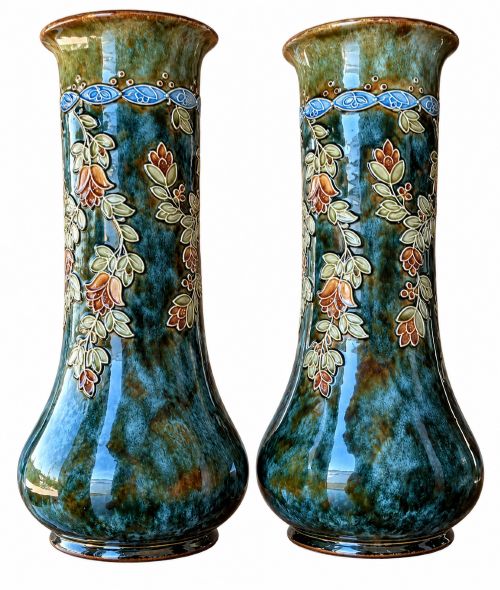
The versions you are most likely to encounter on this page include 18th-century Delft apothecary jars and puzzle jugs, Victorian and Edwardian stoneware vases by Doulton Lambeth, and 19th-century terracotta storage jars.
Forms range from simple dairy salting crocks and wine jars to intricate Chinese porcelain brush holders, Japanese Sumida Gawa pitchers, and Italian majolica pharmacy jugs.
How they were made
Makers utilised natural earthen materials like clay, terracotta, stoneware, and porcelain, shaping them by hand or on the potter's wheel into utilitarian and ornamental forms.
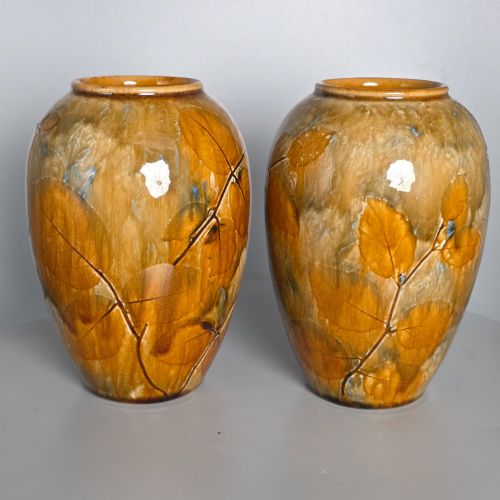
Surfaces were coated in liquid glazes - including tin glaze, salt glaze, and polychrome enamels - before being fired in kilns to achieve durable, vitrified finishes and vibrant colour patterns.
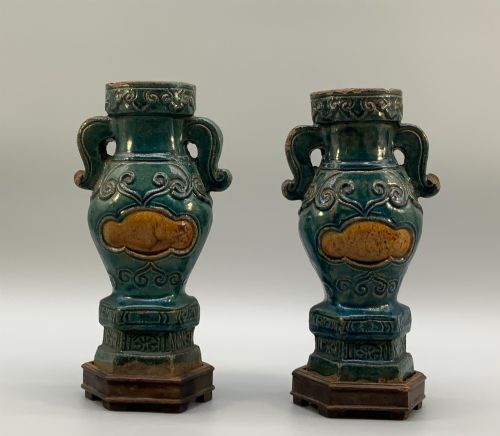
Listings feature periods spanning from the 16th century to the 1920s, including Ming Dynasty, Victorian, and Art Nouveau styles.
What varies in quality
Quality in these pieces depends on the precision of the throwing, the complexity of the glaze chemistry, and the clarity of painted or tube-lined surface details.
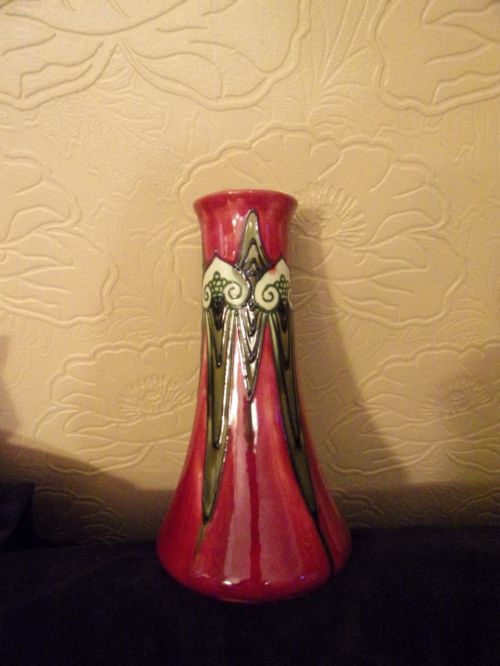
Royal Doulton Lambeth·Théodore Deck·Moorcroft·Minton Secessionist·Burmantoft s Pottery
The Antique Glazed Vessel Glossary
- Delft
- Tin-glazed earthenware originating from the Netherlands and England, typically decorated with blue and white designs.
- Majolica
- Opaque tin-glazed earthenware associated with Italian pottery traditions, known for bright polychrome decoration.
- Stoneware
- Dense, impermeable ceramic fired at high temperatures, often treated with salt glaze for a durable finish.
- Terracotta
- Unglazed or glazed fired red earthenware used widely for garden and storage vessels.
- Slipware
- Pottery decorated with liquid clay slip before firing, creating contrasting surface patterns.
Antique Glazed Vessel: Frequently Asked Questions
What is a puzzle jug?
A puzzle jug is a historical ceramic drinking vessel featuring perforated necks and misleading spouts designed to challenge the drinker to consume the contents without spilling.
These pieces were popular social novelties in 18th-century taverns and homes.
How do I care for glazed ceramics?
Keep antique vessels out of direct sunlight and clean them gently with a dry or slightly damp soft cloth.
Avoid using harsh chemical detergents or submerging porous earthenware bodies in water.
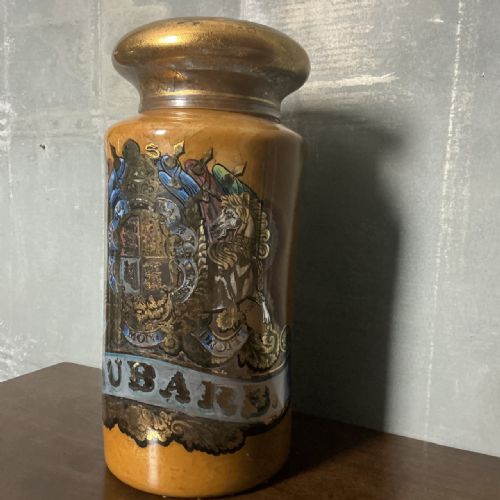
What is an apothecary jar?
An apothecary jar is a historical container used by pharmacists and chemists to store medicinal herbs, dry goods, and liquid remedies.
These vessels often feature painted labels and decorative tin glazes to identify their contents.
How do I distinguish stoneware from earthenware?
Stoneware is fired at much higher temperatures than earthenware, resulting in a vitrified, non-porous body that resists liquid absorption.
Earthenware remains more porous and typically requires a complete glaze coating to hold liquids effectively.