
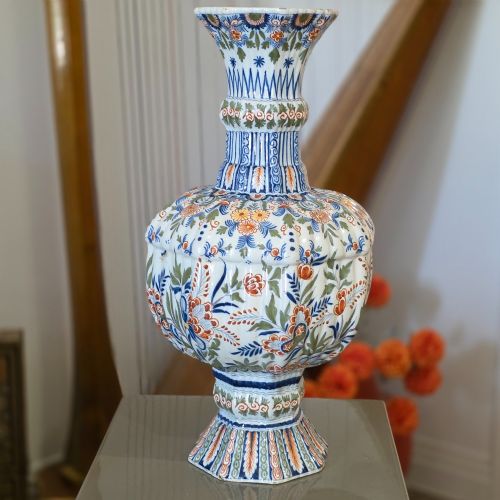
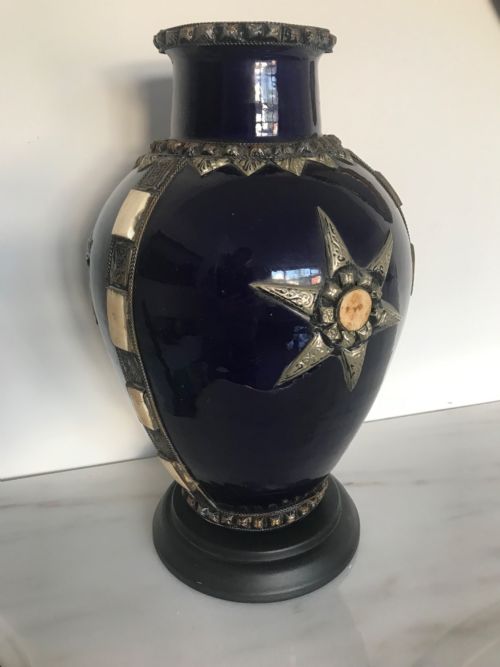
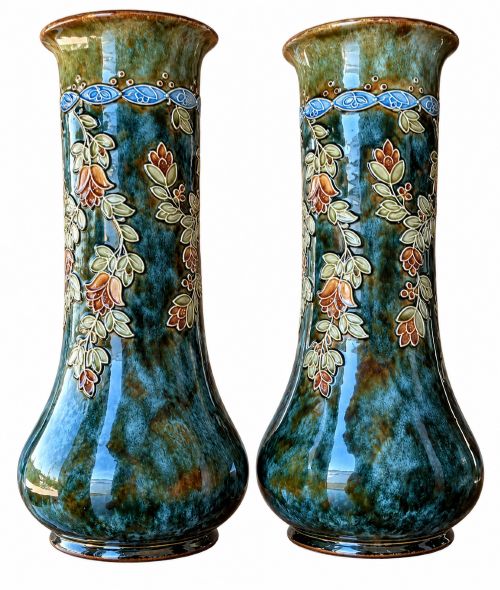
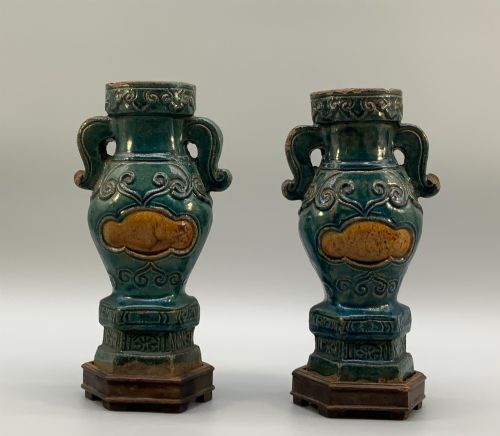
Antique Glazed Ceramic Urns
These antique glazed ceramic urns span centuries of earthenware, stoneware and porcelain craftsmanship, bringing sculptural presence and rich historical glaze to any interior.
Antique Glazed Ceramic Urns
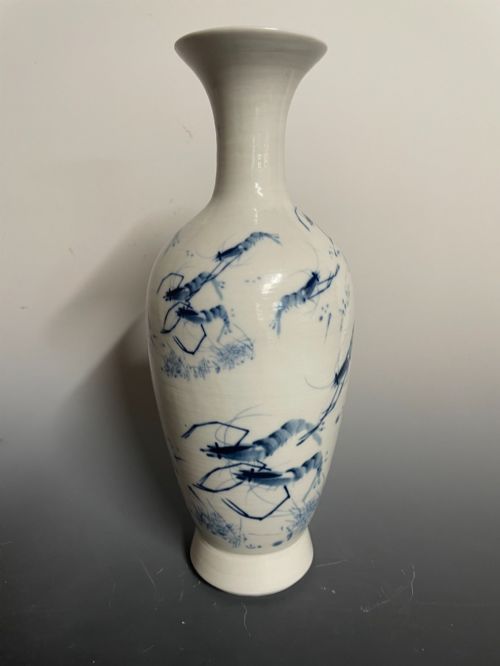
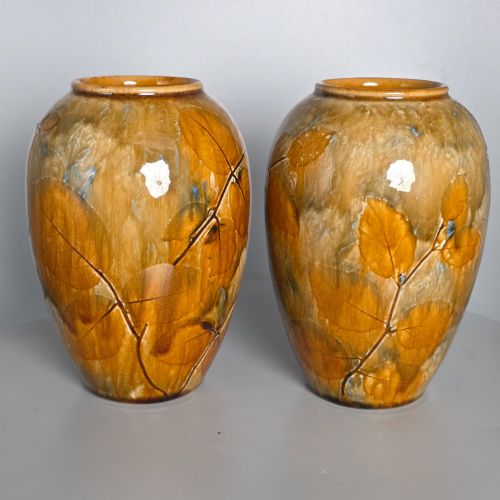
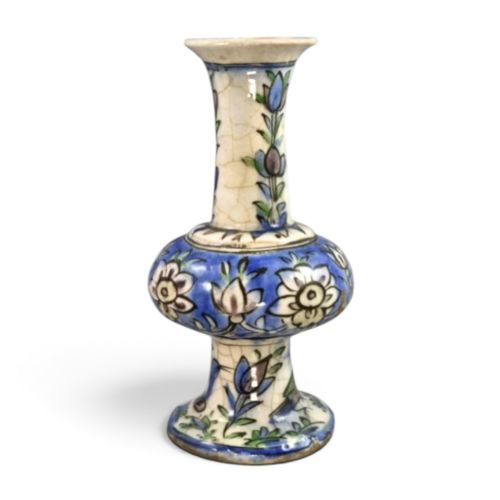
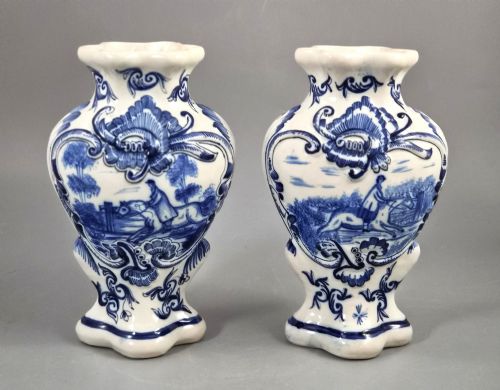
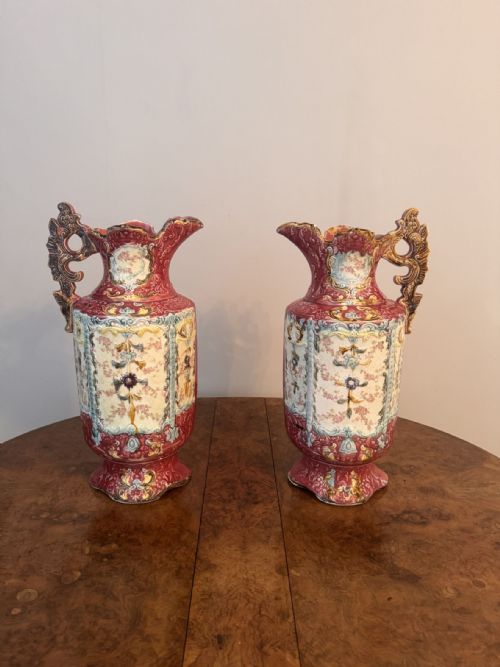
When searching for antique glazed ceramic urns, collectors encounter a diverse array of decorative vessels, including handled ewers, covered jars, pilgrim flasks and monumental vases. These pieces originate from varied traditions across Europe, Asia and the Middle East, spanning the seventeenth century through the Edwardian era.
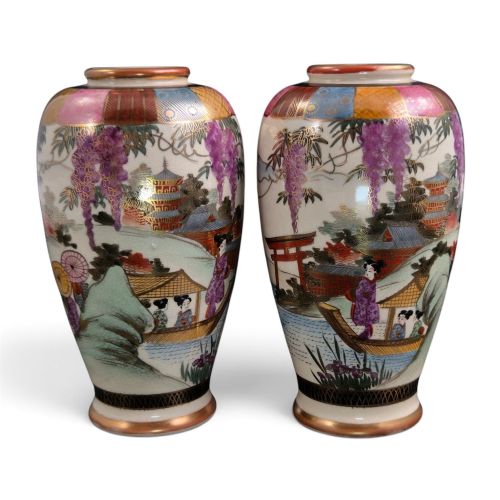
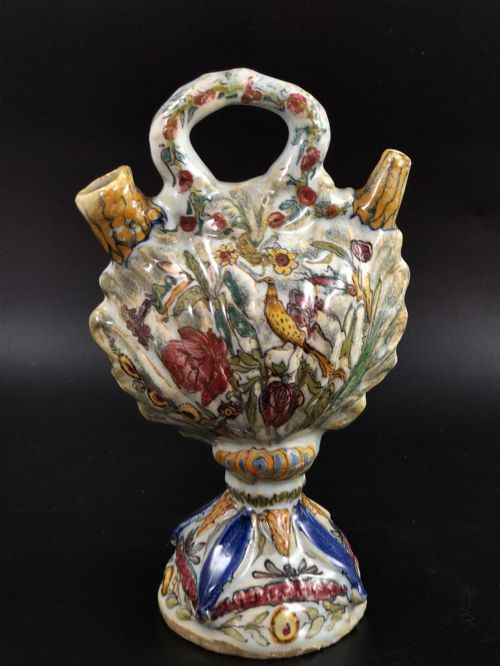
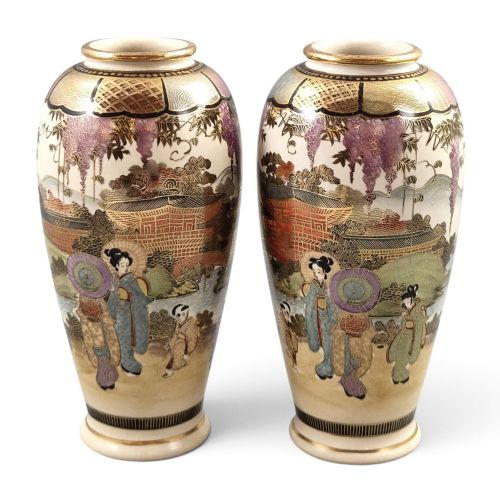
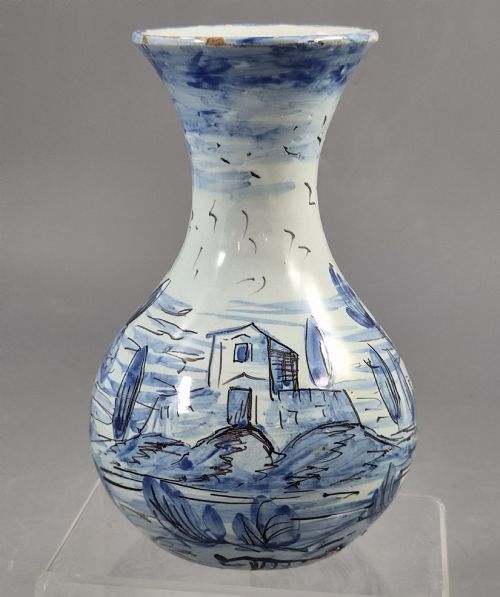
The selection on this page leans heavily toward nineteenth-century European production, featuring notable contributions from English potteries, French faience workshops and Italian majolica makers. Alongside these, buyers find notable Asian ceramics including Satsuma earthenware and Ming or Qing dynasty porcelain.
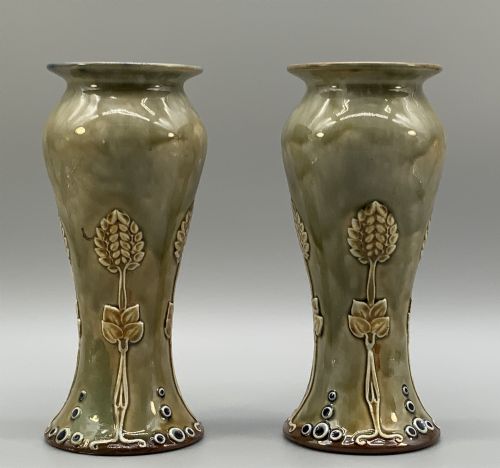
Many of these vessels function not merely as display items but have been adapted over time into practical household objects such as table lamps and oil pots. Whether taking the form of a grand Victorian urn or a delicate Art Nouveau stoneware vase, each item exhibits the enduring appeal of fired clay and vitreous coating.
How they were made
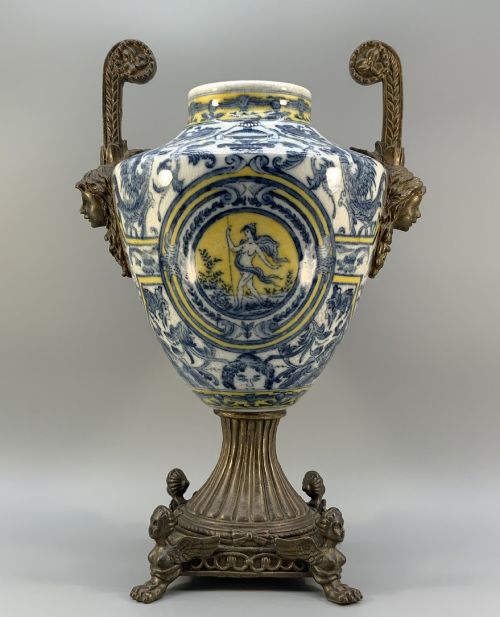
Makers shaped these vessels using earthenware, stoneware or hard-paste porcelain, applying lead, tin, or salt glazes to seal the porous clay bodies and provide a smooth surface for painted or lustred decoration. Many pieces incorporate secondary materials such as gilt bronze mounts, silver cabochons or ormolu trim to elevate the vessel's status.
Firing techniques varied dramatically by region and period, from the high-temperature kilns required for stoneware to the complex multi-fired enamelling seen on Satsuma wares and lustre glazes. Potters utilised hand-throwing, mould-pressing and slip-casting before applying polychrome enamels, cobalt blue underglazes or metallic lustre finishes.
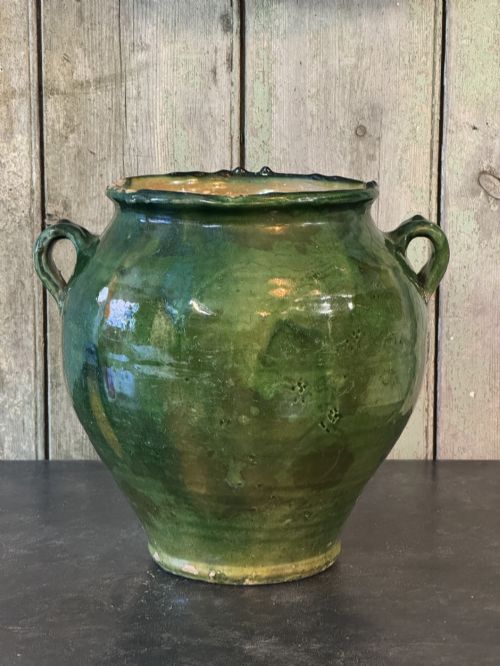
Several Victorian wine jars and olive pots spent centuries storing provisions before finding new life as grand decorative urns.
What varies in quality
Quality in these ceramics rests primarily upon the crispness of the moulding, the depth and stability of the glaze, and the precision of hand-painted or transfer-printed details. Superior pieces display harmonious proportions, vibrant and stable colour pigments without running, and careful integration of any metal mounts.
The reputation of the workshop or pottery also influences distinction, with pieces bearing documented signatures from notable designers or factories commanding greater attention. Furthermore, the survival of matching pairs and original lids significantly elevates the desirability of any given vessel.
Royal Doulton·Fourmaintraux Courquin·Cantagalli·Zsolnay Pecs·Boch Freres
The Antique Glazed Ceramic Urns Glossary
- Majolica
- A type of earthenware decorated with an opaque tin-glaze and painted with coloured metal oxides. This technique flourished across Italy and later influenced nineteenth-century revivalist European potteries.
- Ewer
- A large pitcher or jug with a wide spout and a curved handle, traditionally used for pouring water. Many antique examples survive purely as decorative display pieces.
- Lustre
- A metallic glaze technique that produces an iridescent sheen through a reduction firing process. It was employed with great skill by English and Hungarian potteries during the late nineteenth century.
Antique Glazed Ceramic Urns: Frequently Asked Questions
What is the difference between earthenware and stoneware?
Earthenware is fired at lower temperatures, leaving the ceramic body porous unless sealed with an opaque glaze like tin or lead. Stoneware undergoes high-heat vitrification, resulting in a dense, waterproof material that requires no glaze for structural integrity.
Historically, utilitarian vessels and heavy garden jars utilised stoneware for its durability, while decorative cabinet vases often employed softer earthenware to achieve brilliant colour absorption.
How do I care for antique ceramic urns?
Maintain these vessels by dusting them gently with a dry, soft cloth to prevent particulate accumulation on delicate painted surfaces or metallic mounts. Avoid using water, chemical cleaners or abrasive materials, particularly on pieces with lustre glazes or overglaze enamels.
Keep ceramic urns away from direct sunlight and fluctuating humidity to protect vulnerable glazes and prevent stress on any associated bronze or ormolu mounts.
Are these urns waterproof?
Many antique ceramic vessels were created primarily for decorative display rather than holding water, particularly older earthenware and pieces with porous bodies. Even those that are fully glazed can develop microscopic hairline fractures in the glaze over centuries of age.
If you wish to use an urn for fresh flowers, place a discreet glass or plastic liner inside the vessel rather than pouring water directly into the antique ceramic body.
How can I identify the period of a ceramic piece?
Dating relies on examining the characteristics of the clay body, the chemical composition of the glaze, and any maker marks or registration numbers stamped on the base. Stylistic clues such as the asymmetrical motifs of Art Nouveau or the classical revivalism of the nineteenth century also provide vital context.
Comparing the manufacturing technique and decorative palette with documented examples from known potteries helps narrow down the decade of production.