


Antique Glass Wine Pitcher
An antique glass wine pitcher brings weighty cut crystal and gleaming silver plate directly to the modern dining table.
What these pieces are
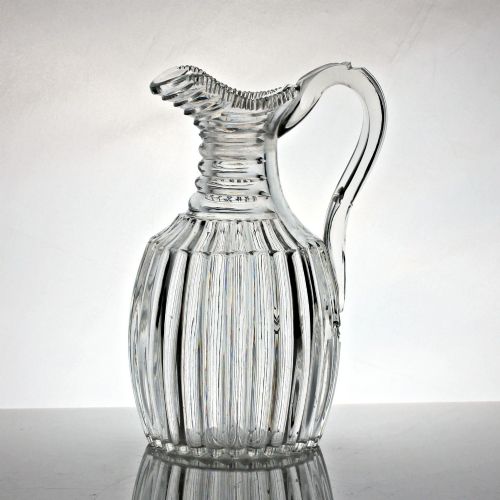
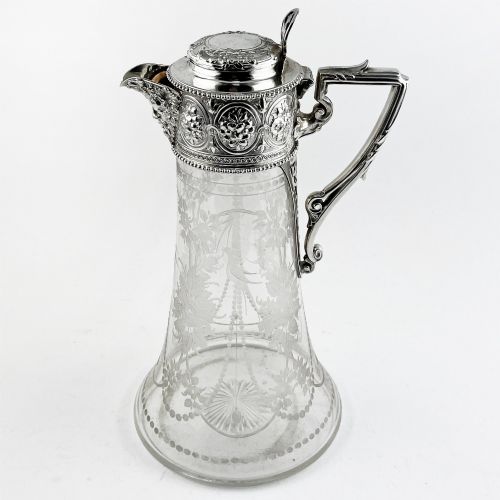
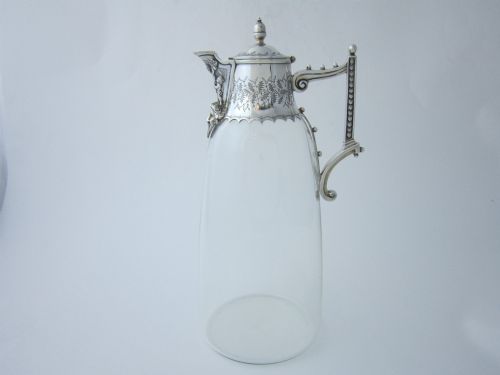
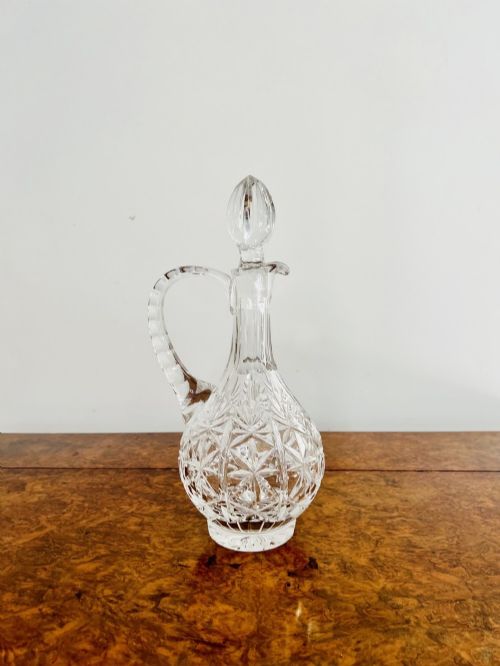
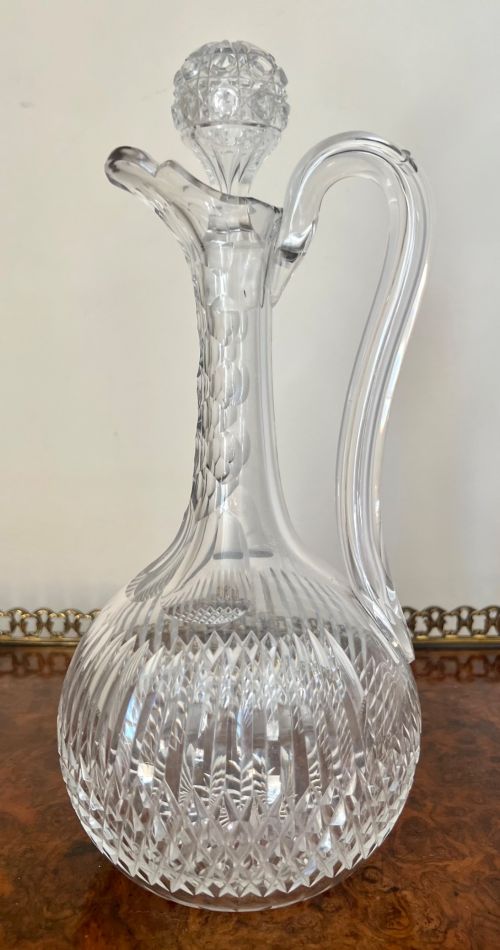
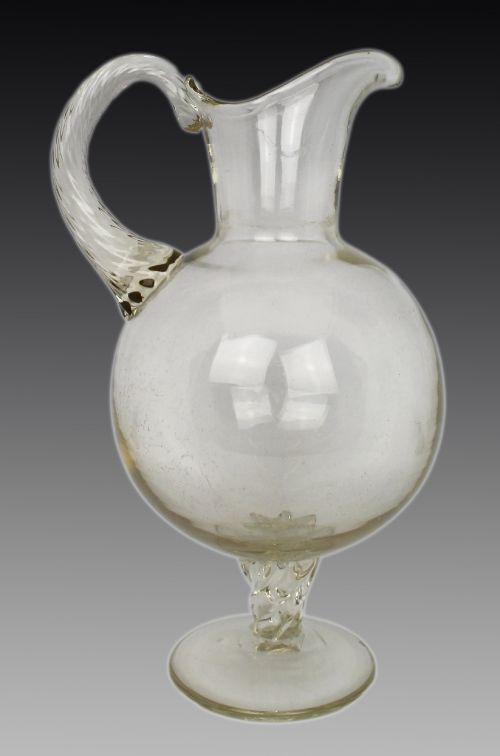
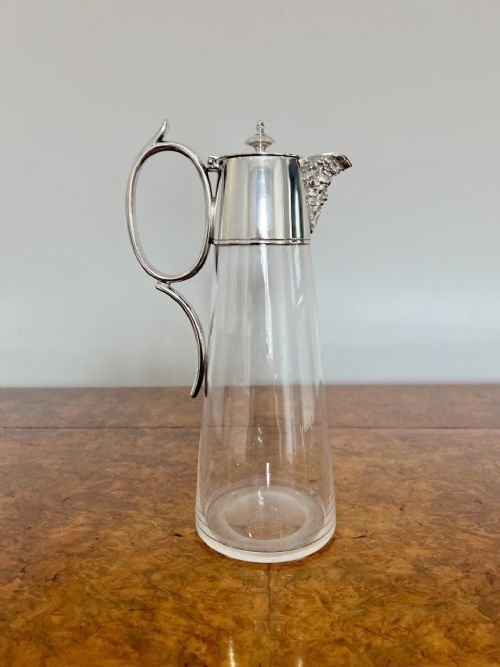
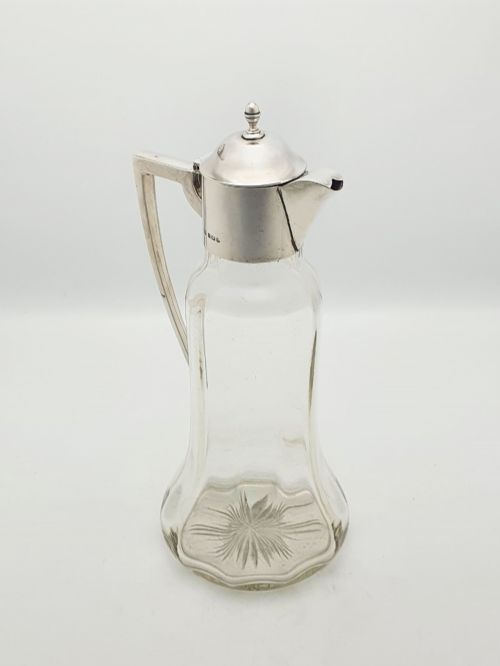
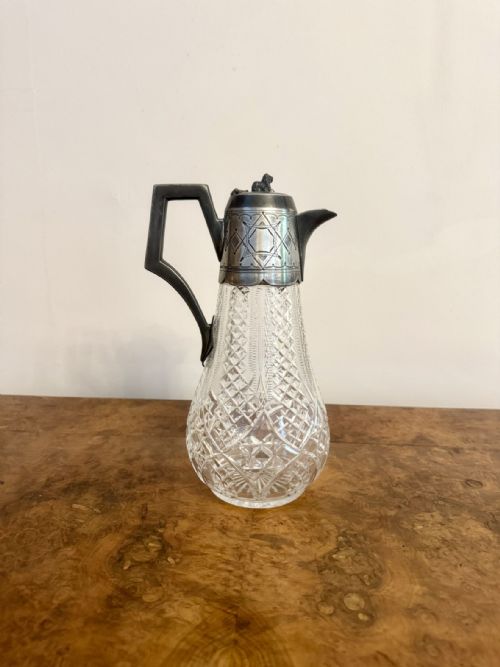
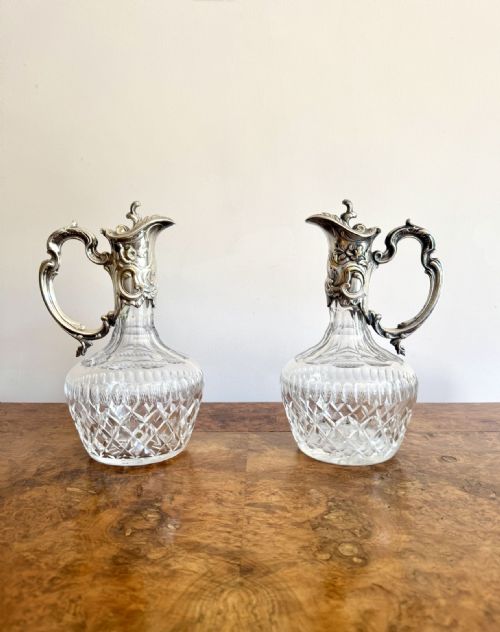
An antique glass wine pitcher, often catalogued as a claret jug or ewer, combines vessels of clear or etched glass with metal mounts. These serving pieces appeared across the Victorian, Edwardian and Art Deco periods, spanning dates from the mid-nineteenth century up to nineteen-thirty.
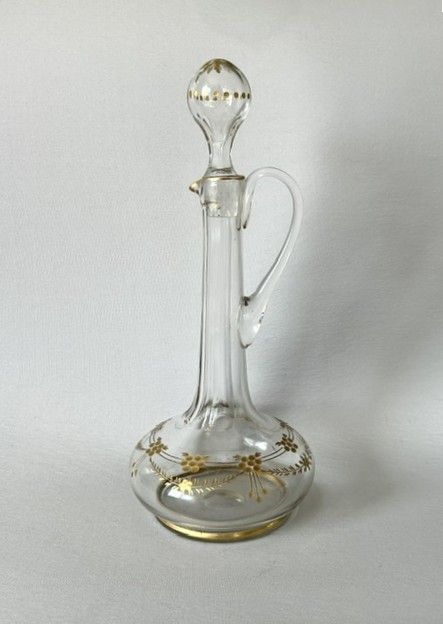
The primary forms found here are claret jugs and ewers, shaped with sturdy handles and hinged lids to pour wine at the table. They bridge the gap between practical dining accessories and decorative display objects.
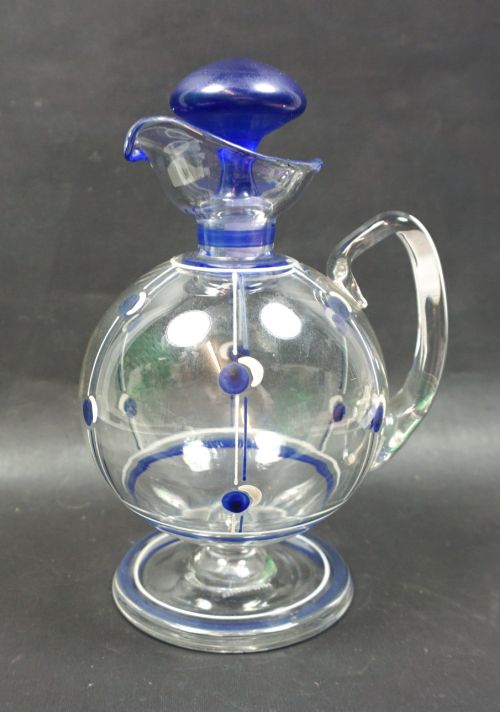
Origins stretch from London workshops to continental makers in Czechoslovakia, offering distinct regional touches like blue enamel decoration or heavy cut glass bodies. Most examples encountered on this page date from the Victorian era onward.
What varies in quality
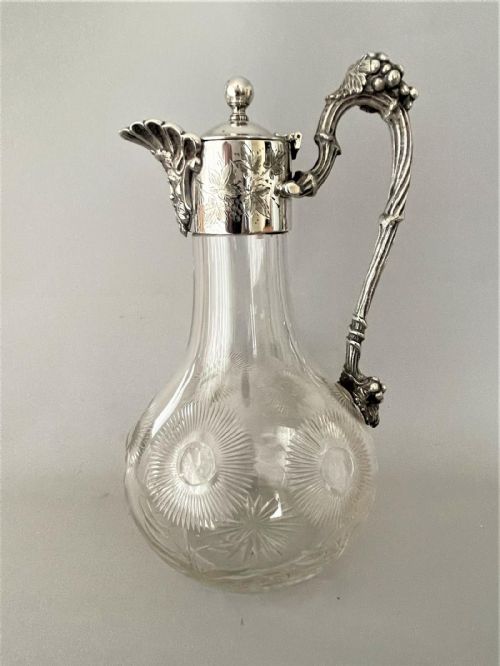
The crispness of the wheel-cut facets on the crystal and the weight of the glass dictate the visual presence of the vessel. Superior pieces display deep, sharp cuts that catch the light, whilst lesser examples rely on simple mould-pressed patterns.
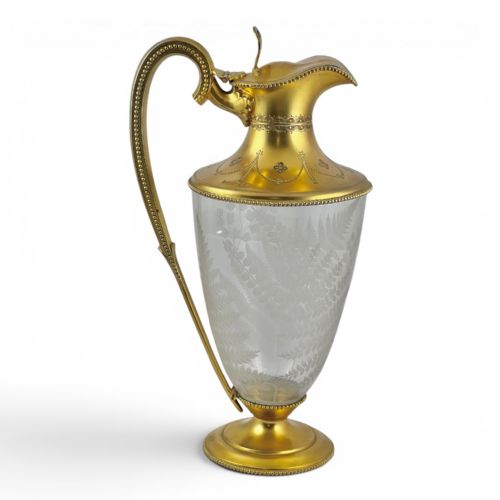
The integration between the metal mount and the glass body separates standard production from finer work. Solid sterling silver mounts bearing clear assay marks indicate higher workshop standards than basic silver plate.
Retail Price Guide 2026
Typical UK retail prices for glass wine pitcher, calculated from the Sellingantiques database of over a million retail prices indexed since 2003. This retail price guide relies exclusively on Sellingantiques data; no external sources or auction records are used, so the figures do not describe the wider market.
Victorian diners insisted on hinged lids to keep out stray insects during garden lunches, giving us the delightful thumb-lever action we still click today.
Elkington
The Antique Glass Wine Pitcher Glossary
- Claret jug
- A specialised vessel designed specifically for serving red wine at the dining table. These jugs usually incorporate a pouring spout and a hinged metal lid.
- Ewer
- A large pitcher with a wide spout and a curved handle, traditionally used for holding water or wine. Antique examples often feature decorative glass bodies.
- Silver plate
- A thin layer of silver fused to a base metal like copper or nickel. Many Victorian pitchers utilised this method to achieve the look of solid silver at a lower cost.
- Lead crystal
- Glass containing metal oxide that increases weight, brilliance and clarity. This material allows for deep, sharp cutting by the glass cutter.
- Assay mark
- A stamp or series of stamps indicating the purity of precious metals and the place of testing. These marks help date the silver mounts on nineteenth-century pieces.
Frequently Asked Questions
How do I date a Victorian silver mounted pitcher?
Dating relies heavily on the hallmarked stamps found on the sterling silver mounts, which record the assay office and year of testing. Stylistic clues such as etched floral motifs or heavy cut crystal also point toward specific decades like the eighteen-sixties or nineties.
Makers' marks stamped into the metal provide further evidence for narrowing down the production period.
Can I use an antique glass pitcher for serving wine today?
These pitchers remain entirely functional for serving claret, water or other beverages at the modern table. The durable combination of glass and silver plate was built for regular dining use.
Careful hand washing protects the delicate enamel decoration and older silver plating from damage.
What distinguishes Art Deco pitchers from Victorian examples?
Art Deco pieces from the nineteen-thirties favour streamlined geometric forms and colourful surface treatments like blue enamel. Victorian designs lean toward heavier cut crystal, elaborate etching and ornate silver-plated mounts.
Checking the decorative motifs and manufacturing style immediately separates these distinct eras.