
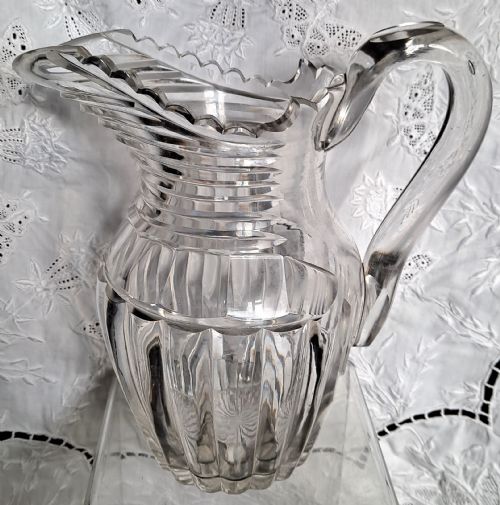
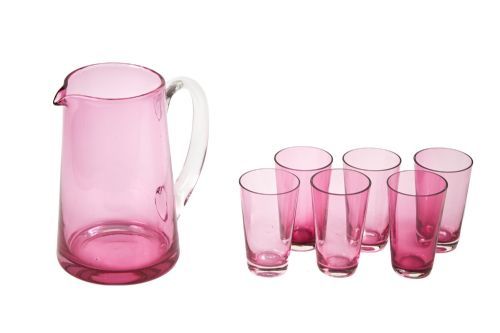
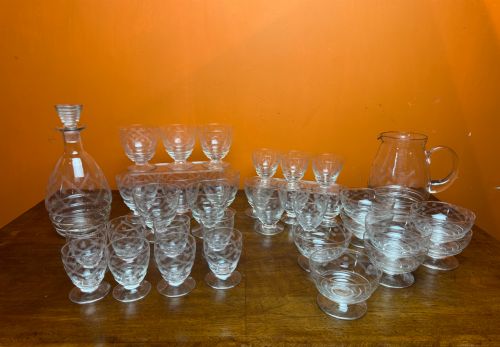
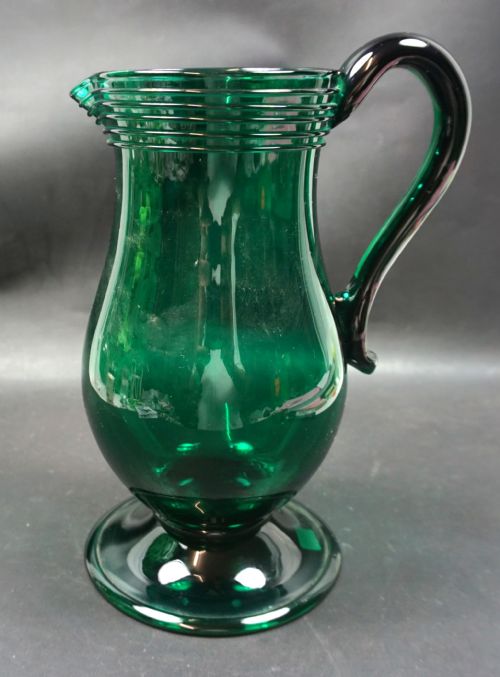


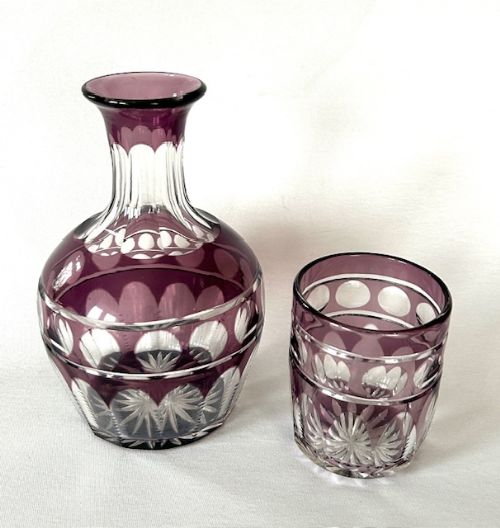

Antique Glass Water Pitcher
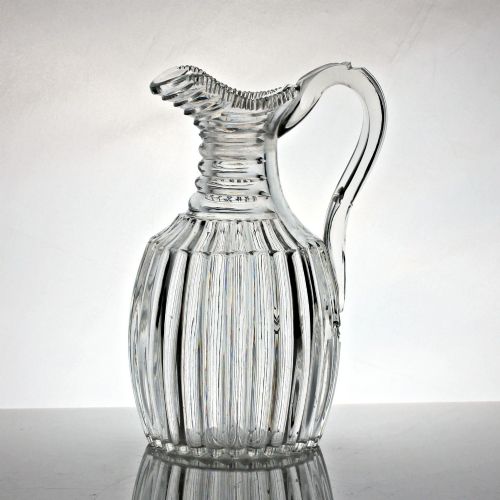
These antique glass water pitcher examples bring genuine period weight to the table, offering practical vessels shaped by Victorian, Edwardian and Georgian hands.
What the pieces are
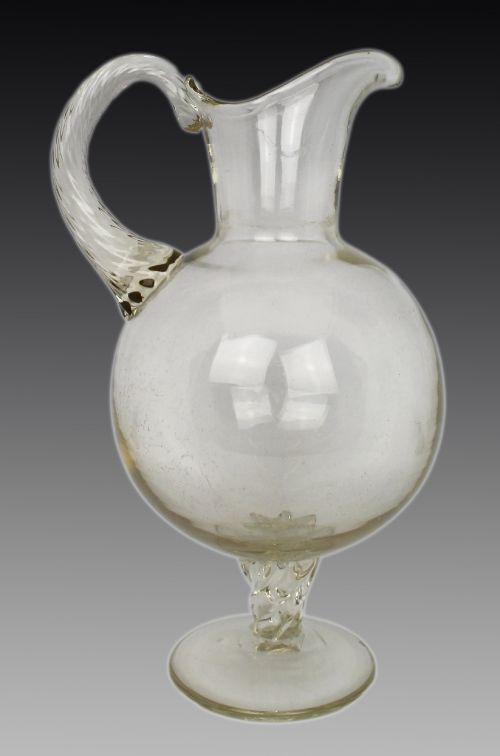
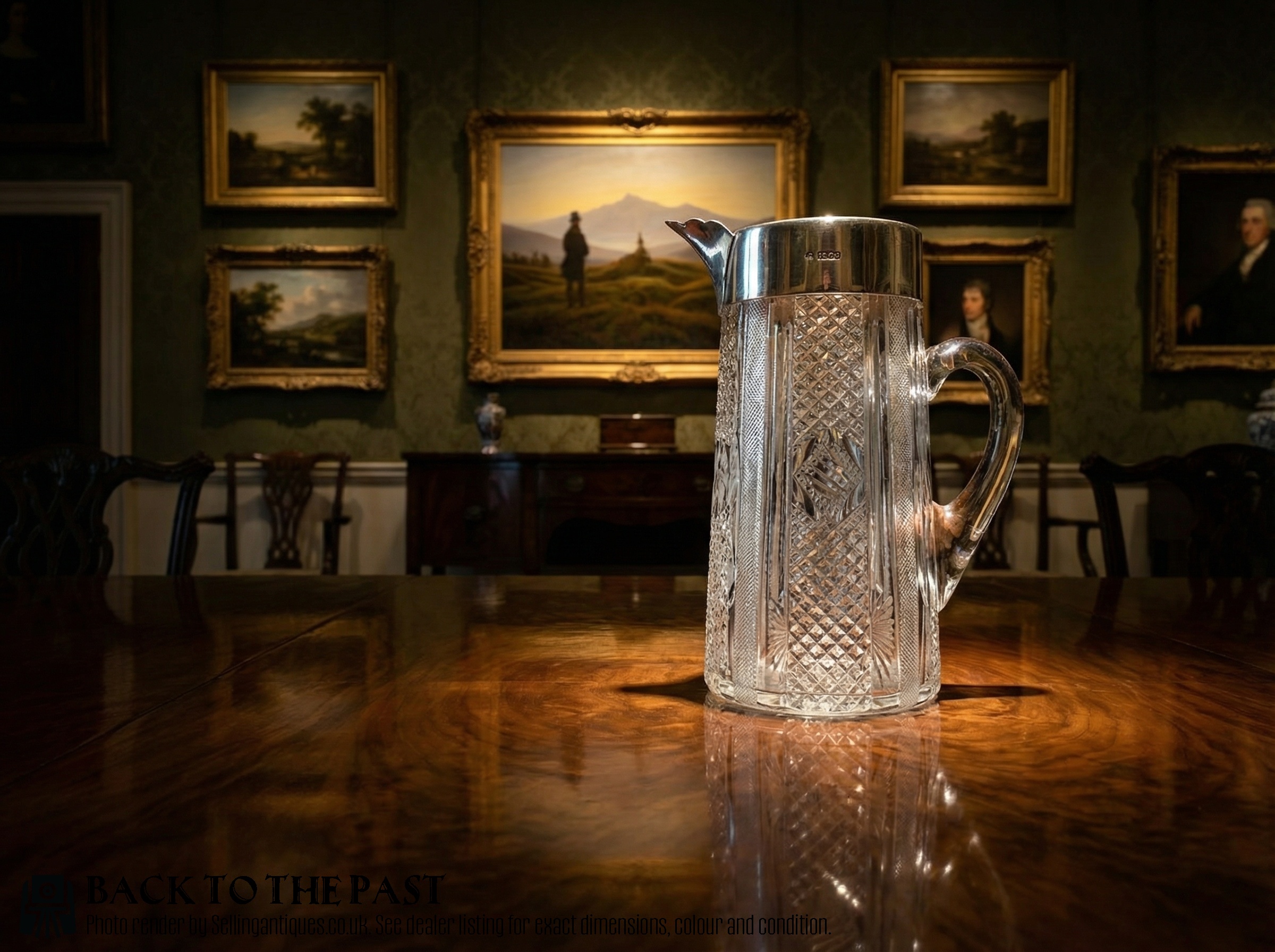
An antique glass water pitcher brings together functional utility and period craftsmanship, appearing in forms such as water jugs, wash sets and claret jugs. These pieces span the eighteenth century, the Victorian era and the Edwardian period, recording how domestic dining and wash routines evolved.
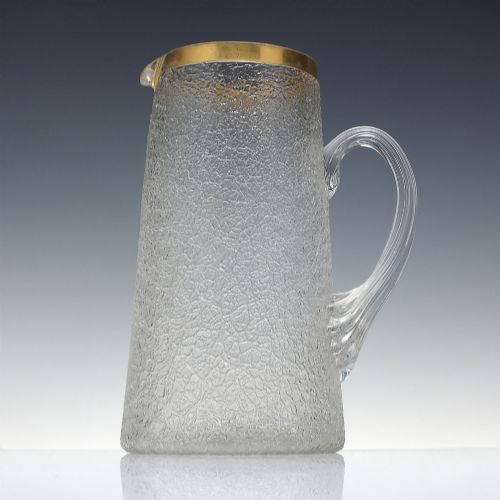
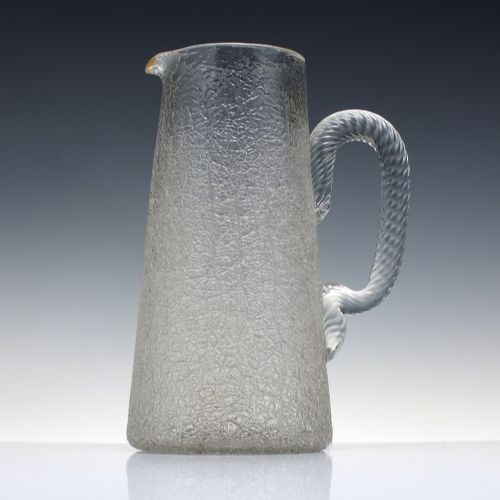
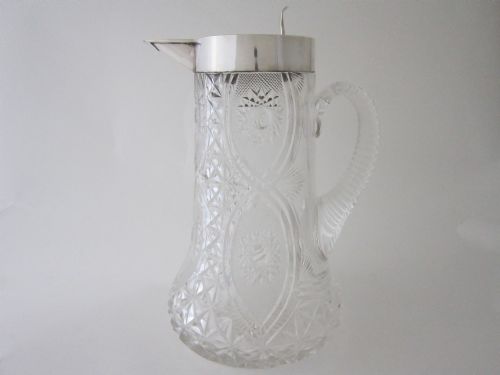
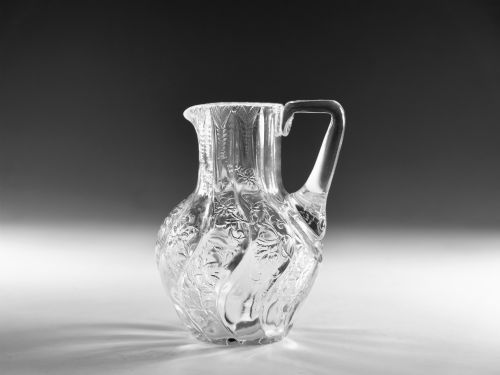
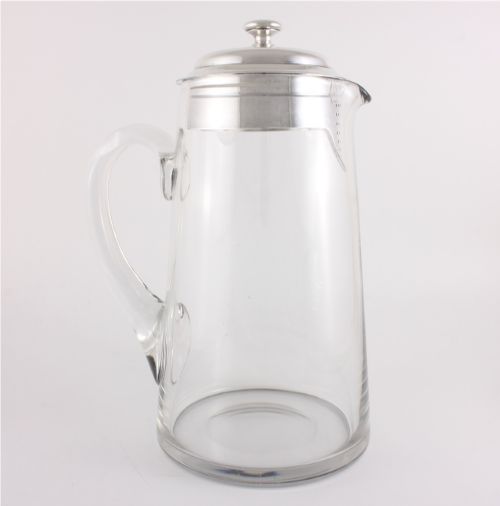
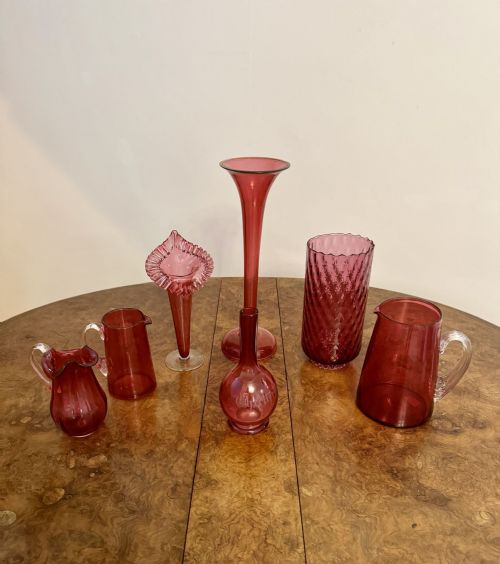
The inventory on this page ranges from tall nineteenth-century overshot vessels with gilded rims to large cut glass jugs mounted in silver. Buyers will also encounter small Georgian coin jugs and engraved nineteenth-century examples, alongside larger nineteenth-century bowl and jug combinations.
How they were made
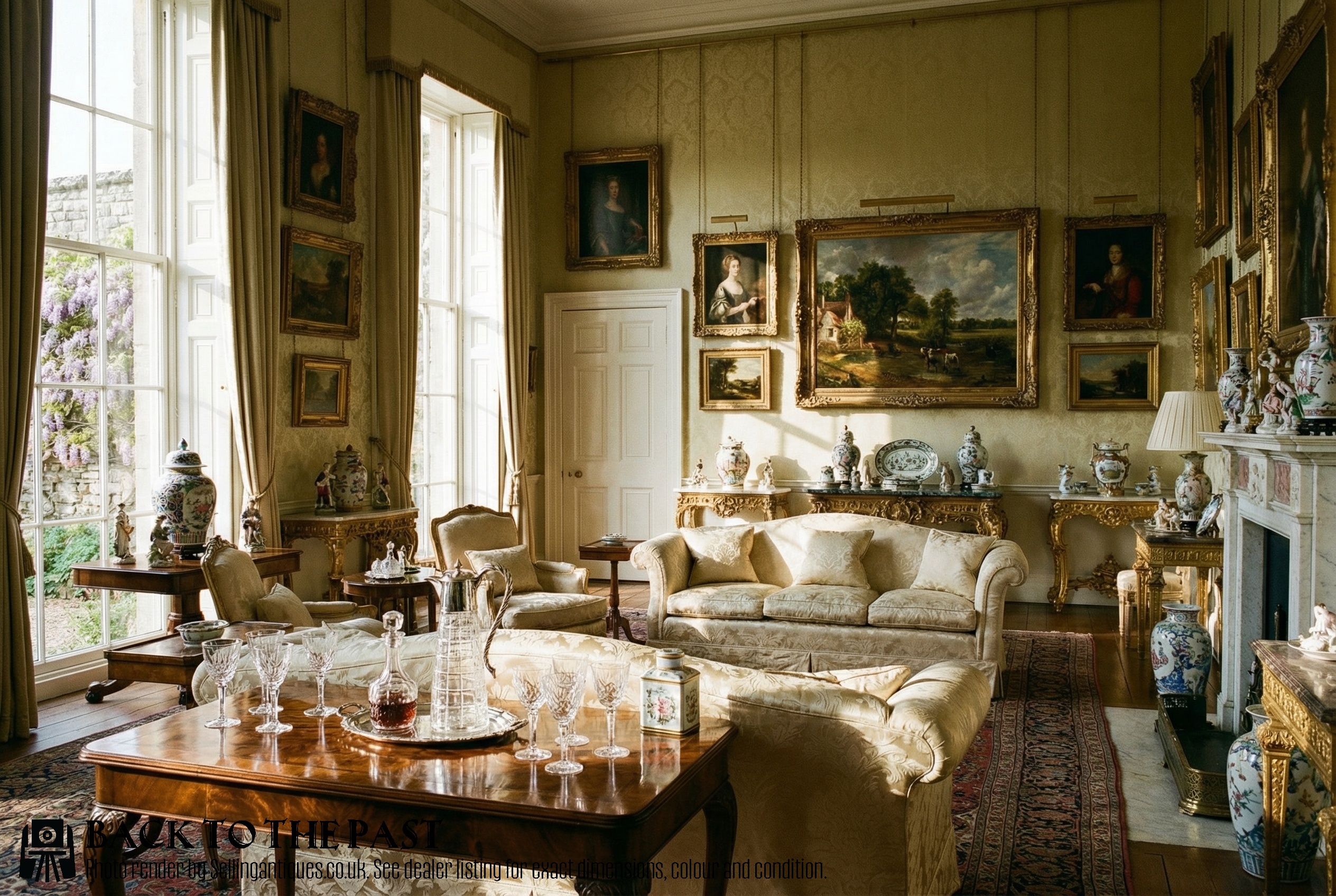
These vessels utilise glass, cut glass, lead glass and lead crystal, shaped into substantial forms that held liquids at the dining table or in the washroom. Artisans applied overshot techniques, hand engraving and gold leaf application to enrich the surface texture and appearance of the glass.
Mounts and rims incorporate silver plate and sterling silver, secured directly to the glass bodies. These metal additions provided structural reinforcement to the pouring lips and handles while adding a contrasting metallic lustre.
Retail Price Guide 2026
Typical UK retail prices for glass water pitcher, calculated from the Sellingantiques database of over a million retail prices indexed since 2003. This retail price guide relies exclusively on Sellingantiques data; no external sources or auction records are used, so the figures do not describe the wider market.
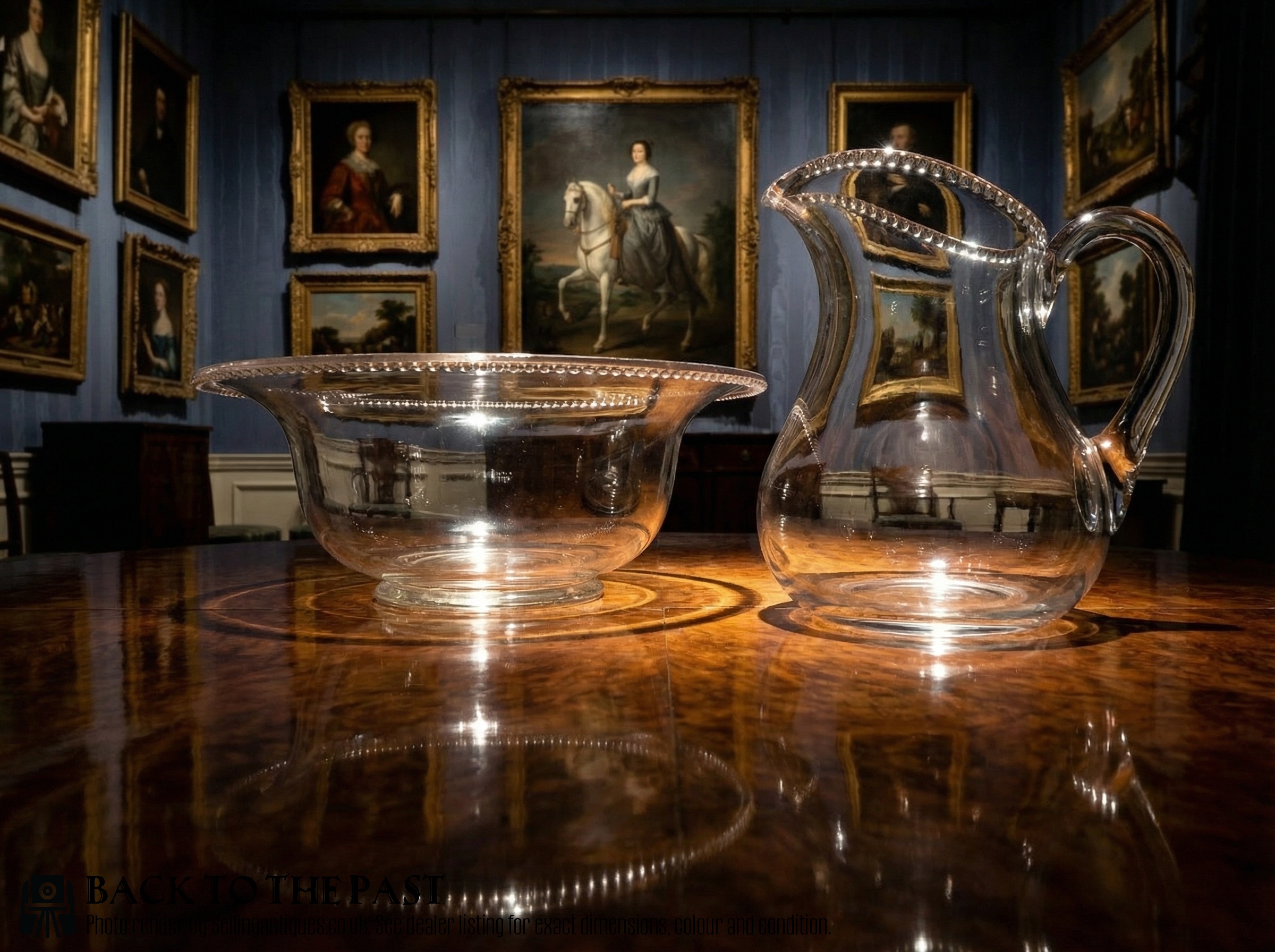
Object forms recorded here include dedicated water jugs, claret jugs and decanters, wash sets, and a nineteenth-century glass bowl and jug pairing.
What varies in quality
Quality rests in the clarity and weight of the glass body, alongside the depth and precision of the cut or engraved ornamentation. Superior examples show crisp facets that catch the light evenly across the surface.
The integration of metal mounts dictates the refinement of the piece. Firmly fitted silver plate or sterling silver hardware, combined with intact gold leaf or gilded rims, separates standard domestic ware from finer presentation pieces.
The Antique Glass Water Pitcher Glossary
- Lead glass
- Glass containing lead oxide, which increases the weight, refractive index and clarity of the material. This composition allows for deeper and sharper cutting.
- Overshot glass
- A style of glass covered in a fine, thread-like network of glass trails that create a textured, frosted appearance. It was popular during the nineteenth century.
- Silver plate
- A thin layer of silver applied to a base metal foundation, frequently utilised for the mounts, handles and hinged lids on nineteenth-century jugs.
- Gadrooned
- A decorative, ornamental-moulded border featuring convex curves or fluting, often found along the silver mounts of Georgian and Victorian tablewares.
- Claret jug
- A specialised pouring vessel designed specifically for serving red wine, typically featuring a glass body paired with a hinged metal lid and handle.
Frequently Asked Questions
What is an antique glass water pitcher used for?
These vessels served primarily to hold and pour water at the dining table or within bedroom wash sets. Their generous proportions allowed for practical service during meals.
Over time, many of these pitchers transitioned from active daily service to decorative display pieces, prized for their historical glass and metalwork.
How do I date a glass water jug?
Dating relies on observing the stylistic characteristics, manufacturing methods and materials present in each piece. Victorian and Edwardian examples often feature heavy cut glass and silver plate mounts, whereas Georgian pieces display distinct forms like gadrooned coin jugs.
Examining the wear patterns on the base and the method of glassblowing or moulding provides further clues to the period of origin.
Can I use these pitchers for serving drinks?
Many of these pieces remain structurally sound and capable of holding liquids for modern table service. Care must be taken with pieces featuring gold leaf or delicate overshot glass.
Hand washing in lukewarm water is essential to preserve the historical glass and any silver-plated or sterling silver mounts.
What is the difference between lead glass and lead crystal?
Lead crystal is a specific, higher grade of lead glass that meets strict regulatory standards regarding its lead content and density. Both materials offer enhanced brilliance and weight compared to standard soda-lime glass.
In antique pieces, this higher lead content permitted intricate cutting and engraving without compromising the structural integrity of the vessel.