
Antique Glass Pot
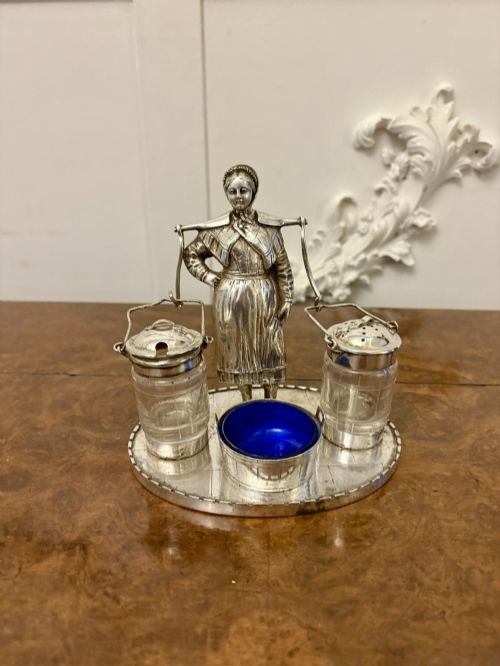
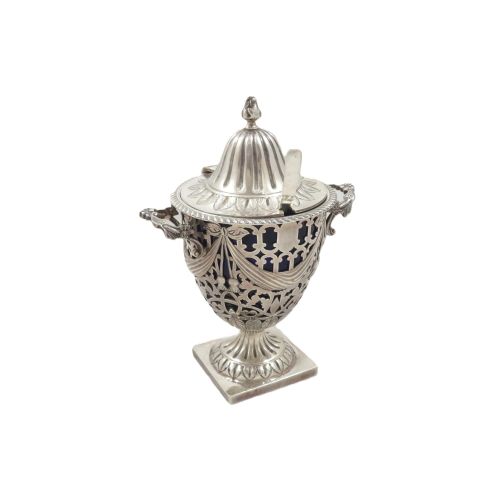
When you search for an antique glass pot, you find dressing table jars, salt cellars, and small trinket boxes fitted with silver or enamel.
Antique Glass Pot
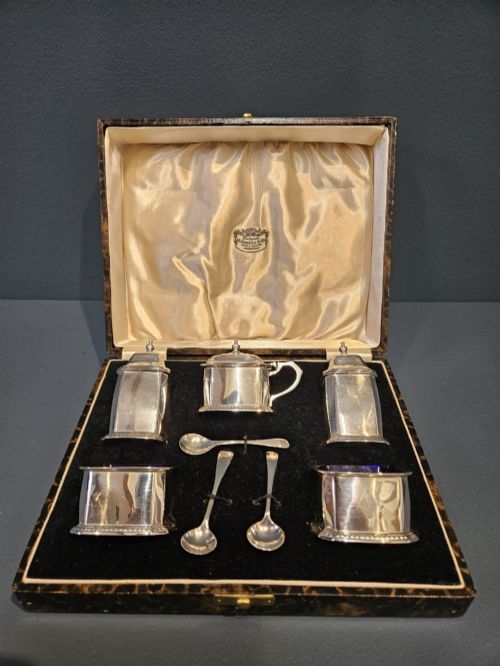
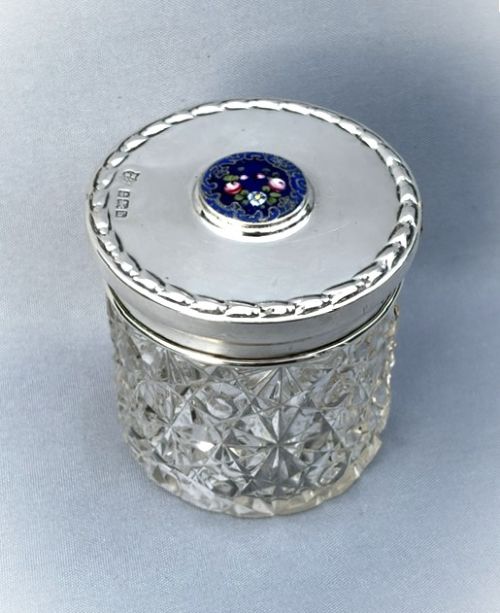
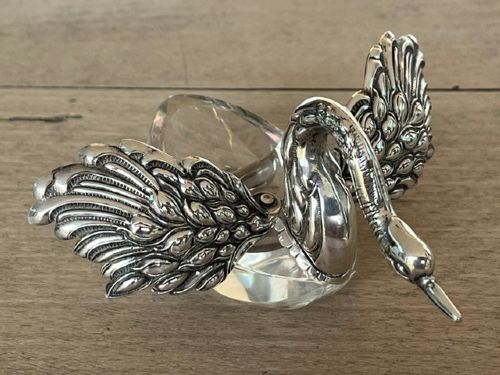
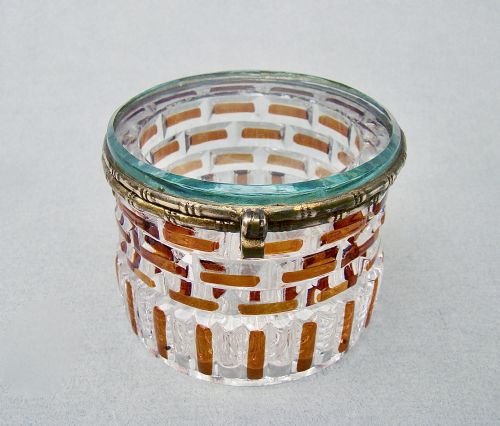
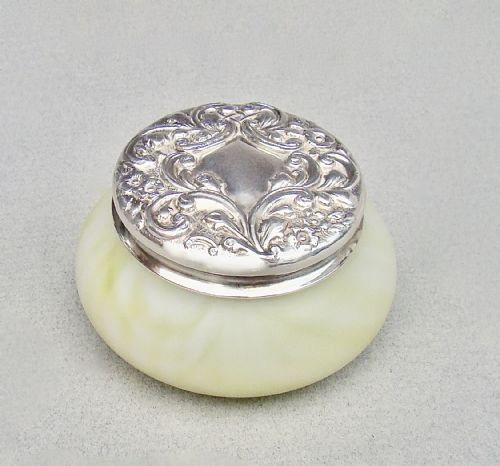
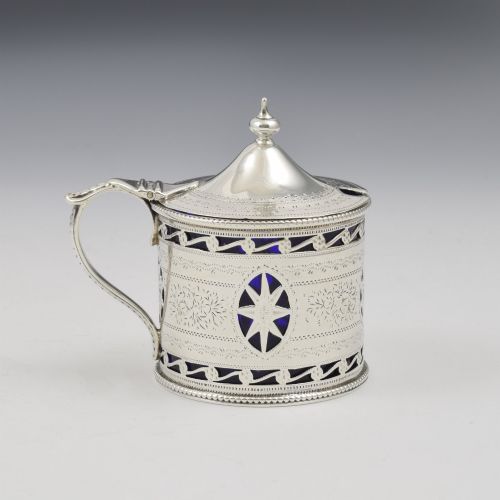
An antique glass pot spans domestic tablewares and dressing table accessories from the nineteenth century into the twentieth. You will frequently encounter lidded vanity jars, mustard pots, and salt cellars paired with silver mounts.
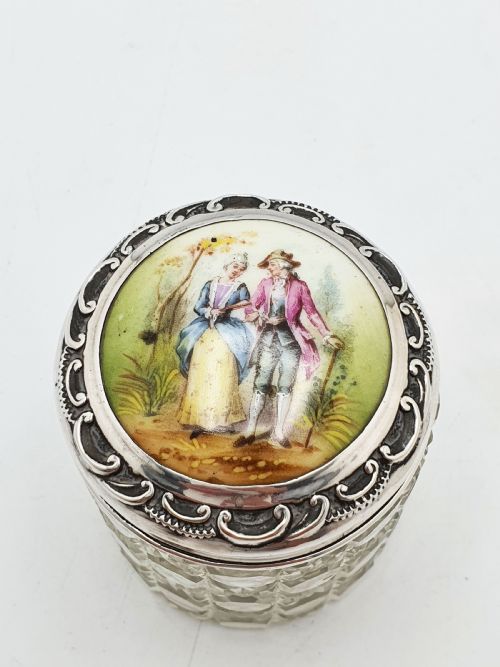
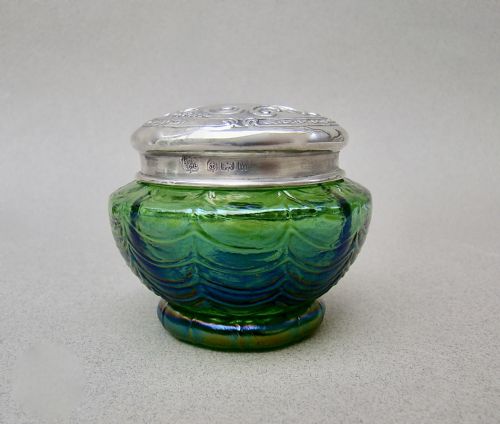
The materials combine heavy glass bodies with sterling silver, silver plate, and occasionally enamel or hand-painted porcelain plaques. Makers utilised cut glass, cranberry glass, and cobalt glass to create functional vessels.
Design styles shift from ornate Victorian and Edwardian work to clean geometric lines of the Art Deco period. Many pieces bear hallmarks that trace their origin to specific English assay offices.
How They Were Made
Vessels were formed using heavy-pressed, blown, or cut glass techniques, often paired with sterling silver collars, rims, and hinged lids. Silversmiths worked metal mounts to fit snugly over moulded glass lips.
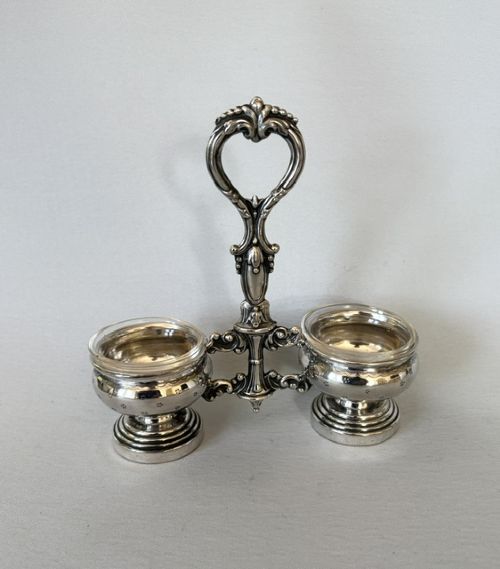
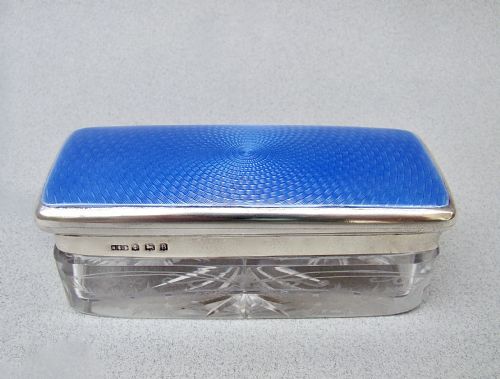
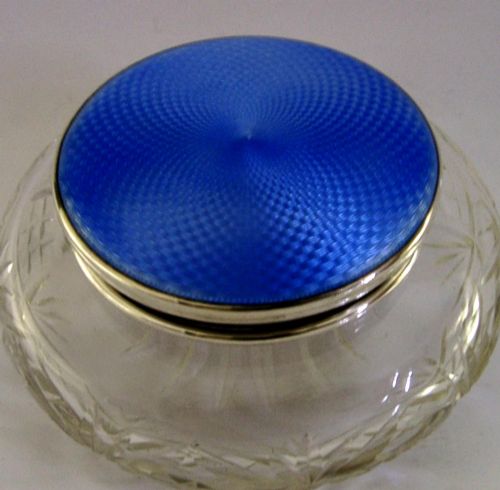
Enamel and guilloché work were frequently applied to silver lids during the Edwardian and Art Deco decades. Metal frames and wirework cradled delicate glass liners for salt cellars and mustard pots.
What Varies in Quality
The weight and clarity of the glass establish the baseline, alongside the crispness of any cut facets or moulded patterns. Thicker glass bodies and unblemished surfaces indicate superior manufacture.
The integration between metal mount and glass vessel shows craftsmanship, as does the preservation of delicate enamel or painted porcelain details. Clear assay marks and maker stamps add historical substance to the metalwork.
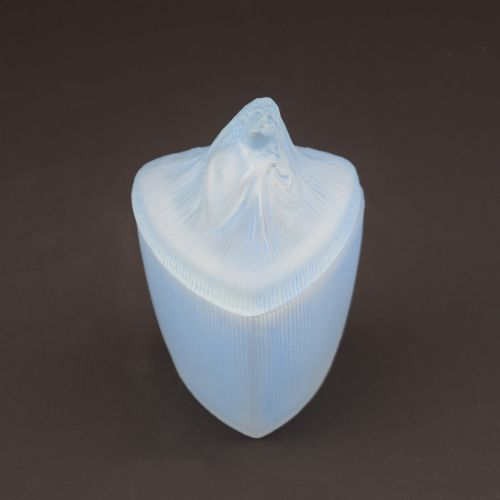
A. J. Pepper & Co·Henry Clifford Davis·A. Bromet & Co·Nathan & Hayes·William Neale·Hukin and Heath·Mappin Brothers·Rene Lalique
The Antique Glass Pot Glossary
- Cruet set
- A matched collection of condiment bottles or pots held in a metal frame. These typically contain mustard, salt, and pepper.
- Guilloché enamel
- A decorative technique where an intricate geometric pattern is engraved beneath a translucent enamel layer. This finish appears frequently on vanity jar lids from the nineteen-twenties.
- Match striker
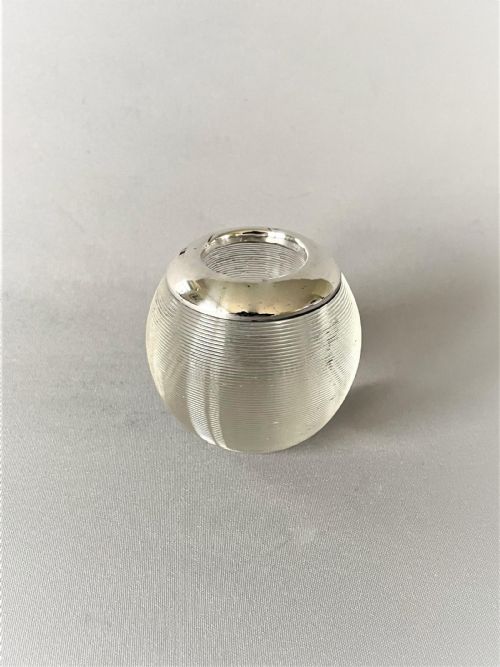
- A heavy glass pot with a textured base designed for igniting safety matches. They often feature a sterling silver rim.
- Vanity jar
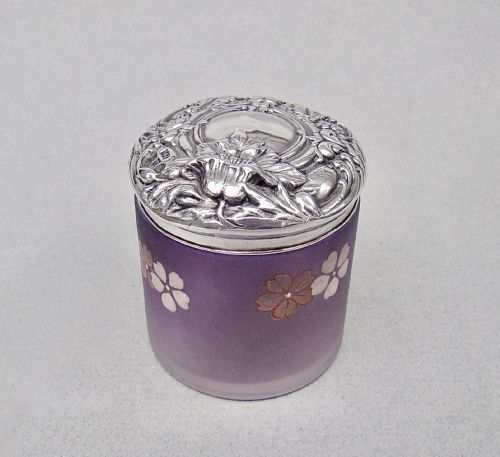
- A lidded container used on a dressing table for cosmetics or small trinkets. They are frequently mounted with silver or painted porcelain.
Antique Glass Pot: Frequently Asked Questions
How do I clean the silver mounts?
Use a soft cloth and specialised silver polish, taking care to avoid getting chemicals on the glass or enamel surfaces. Gentle wiping preserves the original patina without removing the thin layer of precious metal.
Keep moisture away from any glued joints or paper labels inside lidded jars. Regular, careful maintenance protects both the glass body and the fitted metal collar.
What were vanity jars used for?
These lidded vessels held cold creams, pins, hairpins, and small cosmetics on dressing tables in Victorian and Edwardian bedrooms. Their decorative lids kept private items neatly concealed.
Many were produced as part of matching dressing table sets alongside brushes and mirrors. Their survival reflects the leisurely grooming routines of the period.
Are salt cellars safe to use?
Glass salt cellars with removable liners or silver stands can serve modern dining tables for condiments. Acidic foods should not remain in contact with old silver or enamel for extended periods.
Hand washing in warm soapy water keeps the glass clear. Avoid sudden temperature changes to protect antique glass from thermal shock.