
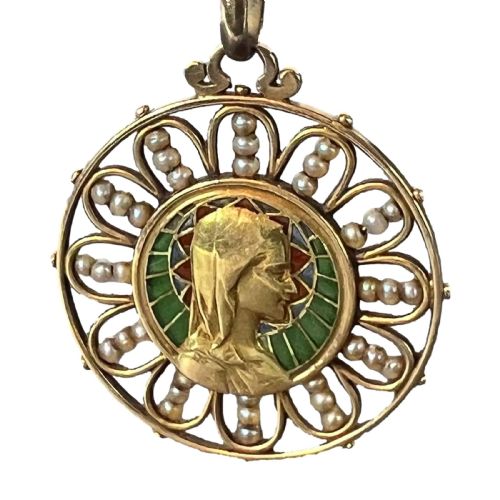


Antique Glass Medallion
These antique glass medallion items bring together centuries of glass, lead and metalwork, offering small portraits, panels and pendants that catch the light.
Antique Glass Medallion
An antique glass medallion covers a range of decorative objects, from small pendants and lockets to larger stained glass windows and panels. When searching for an antique glass medallion, buyers encounter items spanning from the seventeenth century through the Victorian era and into the early twentieth century.
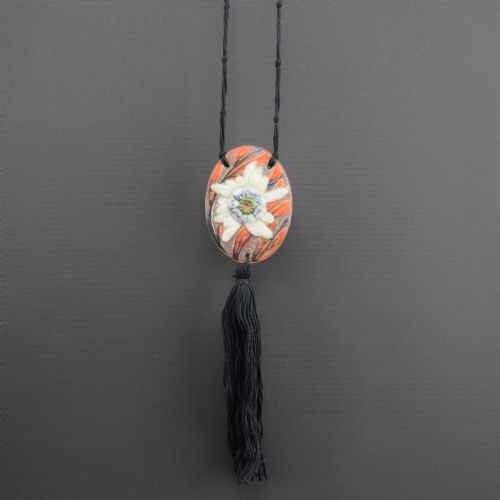
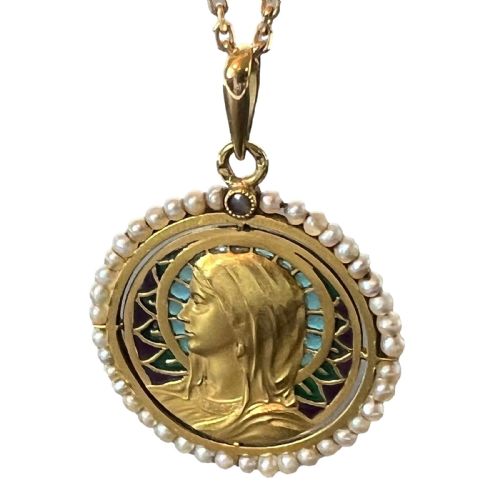
The pieces often feature detailed portrait miniatures, religious subjects such as the Virgin Mary, or floral motifs. Materials stretch from simple glass and lead to eighteen-carat yellow gold frames and vitreous enamel.
How they were made
Maker techniques involve working with glass, lead and vitreous enamel, sometimes incorporating plique-a-jour enamel or pate de verre. Frames and mounts frequently utilise eighteen-carat yellow gold or silver, securing the glass centre.
Stained glass panels and windows use lead cames to hold painted or coloured glass pieces together. Pressed glass paste and cameo techniques appear in smaller portrait miniatures.
Materials recorded across the selection encompass glass, lead, eighteen-carat yellow gold, vitreous enamel, wood, gold, stained glass and burr walnut.
What varies in quality
Quality rests in the precision of the enamel work, the clarity of the glass and the detail within painted scenes or pressed pastes. Finer examples display intricate plique-a-jour or delicate pate de verre moulding.
The choice of setting metal, such as eighteen-carat yellow gold rather than base metals, elevates the standard of the piece. The skill evident in portrait miniatures or stained glass window motifs dictates the overall distinction of the item.
The Antique Glass Medallion Glossary
- Plique-a-jour
- An enamelling technique where enamel is applied in cells without a backing, allowing light to shine through like stained glass. This method creates a translucent, jewel-like effect in pendants and medals.
- Pate de verre
- A glass-crafting method involving crushed glass packed into a mould and fused in a kiln. It yields textured, richly coloured glass objects.
- Paste
- Faceted glass cut and polished to imitate gemstones. Georgian and Victorian makers utilised paste in pendants and lockets.
- Cameo
- A method of carving an object where a relief image is raised above a contrasting background. Pressed glass versions imitate traditional carved stone.
Antique Glass Medallion: Frequently Asked Questions
What is an antique glass medallion?
An antique glass medallion is a decorative glass object, typically taking the form of a pendant, locket, or window panel.
These pieces feature techniques such as enamel, pressed glass, or stained glass work, often framed in gold or lead.
How do I date a glass medallion?
Dating relies on stylistic clues like Neoclassical, Victorian, Art Nouveau, or Art Deco designs, alongside materials like eighteen-carat yellow gold.
Examining the manufacturing techniques for the glass and metal components helps place the piece within its historical period.
Where were glass medallions displayed?
Smaller medallion pendants and lockets were worn as personal jewellery, often featuring religious figures or portraits.
Larger stained glass panels and windows were fitted into domestic or religious buildings to filter light.
Are glass medallions fragile?
Glass and enamel elements require careful handling to prevent chipping or cracking, particularly in older pieces.
Secure mounting in gold, silver, or lead provides some structural support, but gentle placement is necessary.