


Antique Glass Mantle Vases
These antique glass mantle vases bring colour and sparkle to a room, catching the light as they sit proudly on a mantelpiece.
Antique Glass Mantle Vases
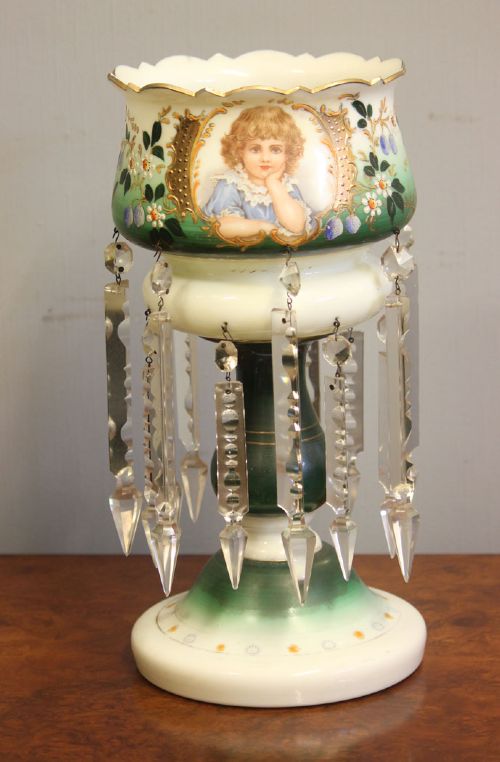
When you search for antique glass mantle vases, you encounter striking vessels created during the Victorian era and the late nineteenth century. These objects include both standard decorative vases and the distinctive lustre form, designed specifically to adorn domestic fireplaces.
Originating primarily from English, French, and Bohemian workshops, these items reflect the tastes of the eighteen-sixties through to nineteen-hundred. They survive as decorative centrepieces that bring nineteenth-century interior style into modern spaces.
How they were made
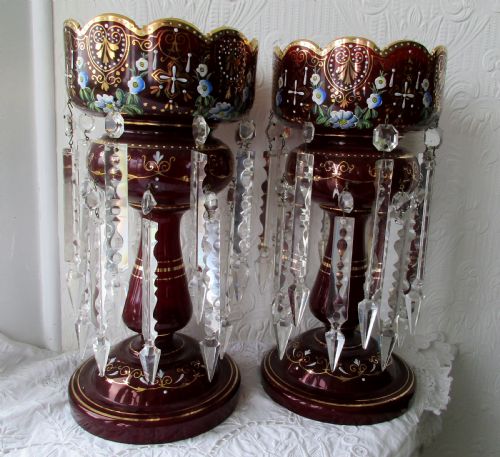
Maker's workshops utilised heavy lead crystal and flash glass techniques to build depth of colour, frequently combining ruby or cranberry hues with clear crystal layers. Skilled hands then cut, shaped, and polished the glass to create faceted surfaces that refract light.
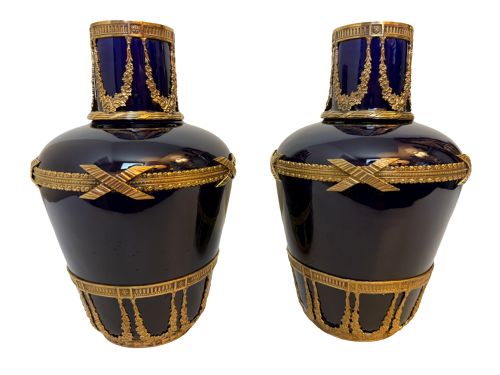
Decoration often involved hand-painted enamel details, delicate gold leaf, and ormolu trim applied to frame the glass body. Lustres required additional labour to drill the rims and suspend cut crystal prisms from brass or metal hooks.
Materials recorded across the inventory include ruby glass, cranberry glass, lead crystal, gold leaf, enamel, and ormolu trim.
What varies in quality
The distinction between standard domestic wares and superior examples lies in the depth of the glass colour and the crispness of the hand-cutting. Rich ruby and cranberry flash glass requires precise temperature control during creation to achieve an even, glowing saturation.
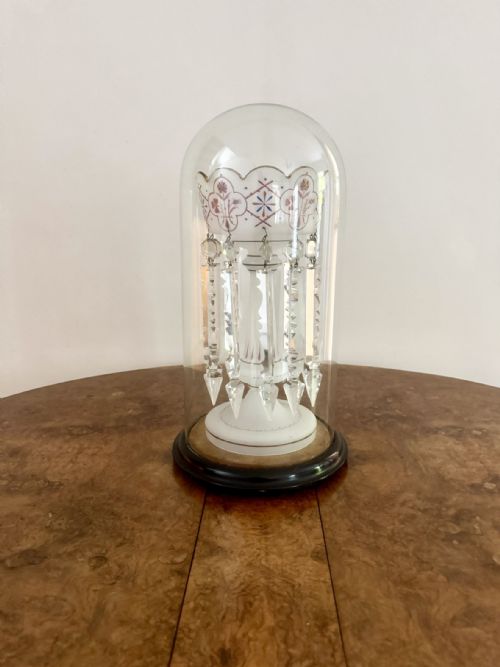
Completeness dictates much of the appeal, particularly the presence of matching crystal prisms on lustres and the preservation of original hand-painted enamel and gold leaf detailing. Heavier lead crystal bodies and refined ormolu mounts signal superior craftsmanship.
Hukin & Heath
The Antique Glass Mantle Vases Glossary
- Lustre
- A decorative vase fitted with a ring of hanging crystal prisms designed to catch the light. They were traditionally placed on mantelpieces to sparkle in the glow of lamps and fires.
- Flash glass
- A vessel made from a thin layer of coloured glass fused over a thicker core of clear glass. This technique allowed artisans to cut through the outer colour to reveal the clear crystal underneath.
- Ormolu
- Gilded bronze mounts and trim applied to decorative objects. French makers frequently utilised this technique to accent coloured glass vessels.
- Cranberry glass
- A rich pinkish-red glass created by adding gold chloride to the molten mixture. It became immensely popular during the nineteenth century for decorative table and mantel wares.
Antique Glass Mantle Vases: Frequently Asked Questions
What are mantle lustres?
Mantle lustres are decorative glass vases featuring a ring of hanging crystal prisms suspended from the rim. They were designed to sit on a fireplace mantelpiece and catch the light from candles or gas lamps.
Over time, these pieces transitioned from functional Victorian drawing-room ornaments into collectable display items prized for their vibrant colours.
How do I identify Victorian glass?
Victorian pieces often exhibit deep ruby, cranberry, blue, or green coloration achieved through traditional glassmaking methods like flash layering. Look for heavy lead crystal bodies, hand-painted floral motifs, and polished pontil marks on the base.
The presence of original cut crystal prisms and ormolu trim also points directly to nineteenth-century manufacturing techniques.
Where should I display them?
These vases and lustres suit prominent surfaces where natural daylight can pass through the coloured glass. Mantelpieces, sideboards, and glass-fronted cabinets provide ideal settings.
Positioning them away from high-traffic household areas protects delicate hanging prisms and hand-painted surface details from accidental knocks.