


Antique Glass Lidded Pot
These antique glass lidded pots combine heavy crystal or coloured glass bodies with precious metal mounts, offering practical desktop and dressing table storage.
Antique Glass Lidded Pot
When you search for an antique glass lidded pot, you enter a varied category of containers designed for dressing tables, desks and dining settings. The selections span Victorian, Edwardian and Art Deco periods, encompassing everything from small trinket boxes and vanity jars to larger preserve pots, biscuit barrels and inkwells.
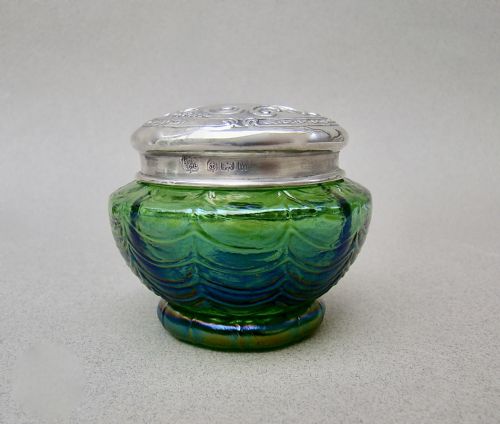
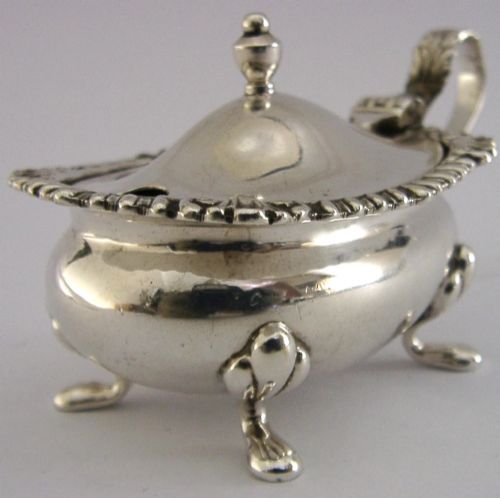
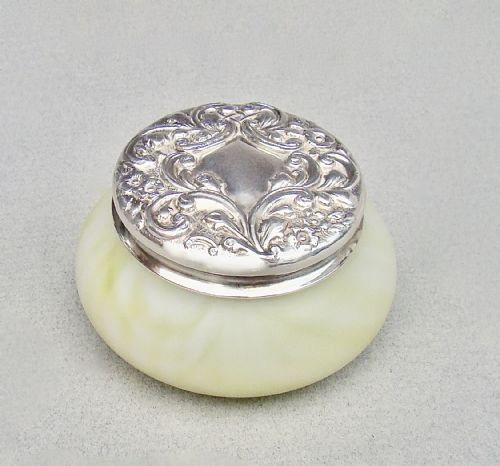
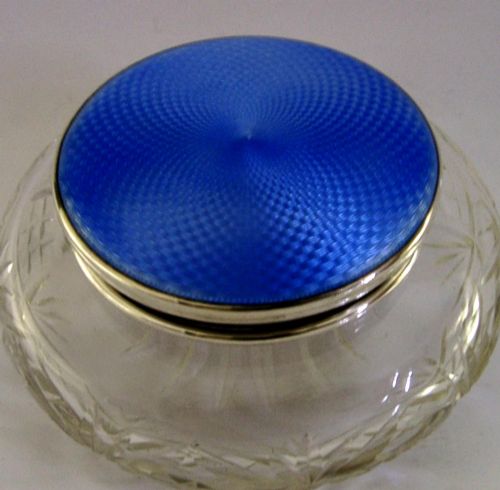
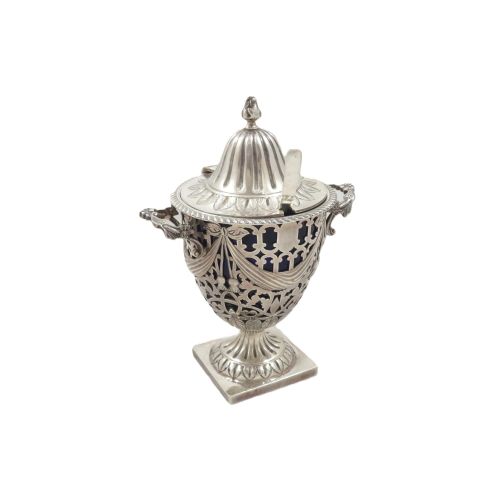
You are most likely to encounter Edwardian and Victorian examples on this page, often featuring cut glass or cranberry glass bodies fitted with sterling silver lids. Forms range from compact rouge pots and mustard pots to substantial dressing table jars and ink pots mounted with silver or brass.
Materials and Craftsmanship
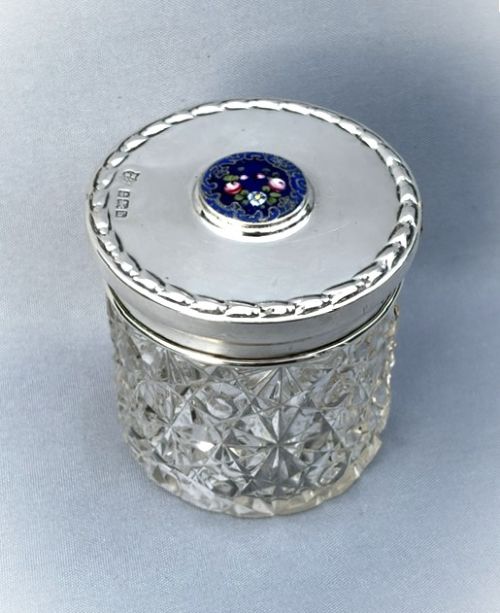
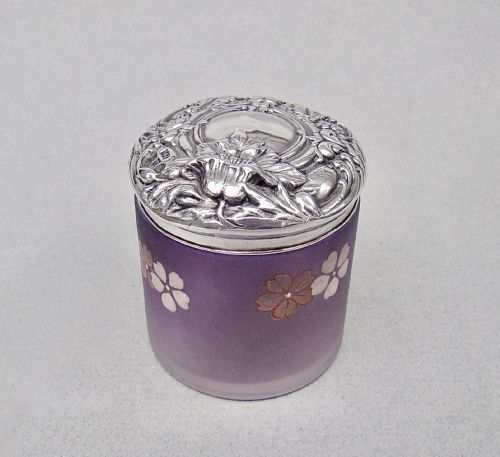
Makers combined heavy lead crystal, cut glass, satin glass, cranberry glass and amethyst glass with sterling silver, silver plate, brass and enamel. Glass bodies were frequently facet cut, mould blown or cased with overlay colours before receiving metal mounts.
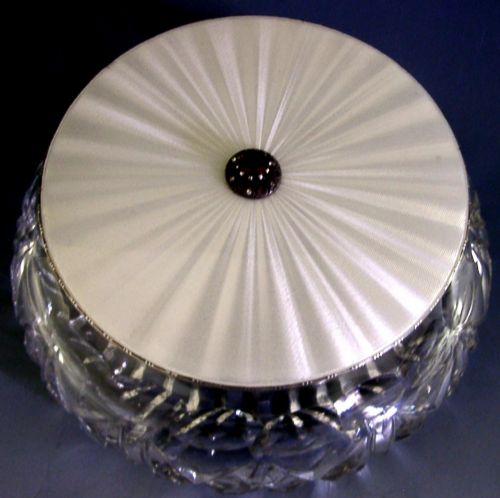
Lids and collars were fashioned from solid sterling silver or silver plate, often bearing hallmarks from assay offices in cities like Birmingham, Sheffield and Chester. Many pieces also incorporate decorative elements such as guilloche enamel, tortoiseshell panels or hand-painted details.
Some Victorian desk pots were made simply to hold sticky envelope glue.
Distinctions in Quality
Superior quality rests on the depth and crispness of the glass cutting, the weight of the lead crystal and the robustness of the silver mount. Heavy gauge sterling silver lids with clear hallmarks and substantial glass bodies separate finer workshop output from lighter commercial pieces.
Artistry in applied decoration also elevates a piece, such as finely detailed enamel work, complex overlay glass, or the inclusion of specialised glass types like latticinio canes and frosted finishes. Maker attribution to notable firms adds further distinction to the craftsmanship.
A. J. Pepper & Co·A. Bromet & Co·Hasset & Harper·Asprey & Co·Walker & Hall·Baccarat·Clichy
The Antique Glass Lidded Pot Glossary
- Cranberry glass
- A rich red-pink transparent glass created by adding gold chloride to the molten batch during the nineteenth century. It is frequently seen in Victorian biscuit barrels, butter dishes and trinket boxes.
- Lead crystal
- A high-clarity glass containing lead oxide that increases weight, brilliance and the refractive index. This material allows for deep, sharp facets that catch the light.
- Hallmark
- A series of official marks stamped on precious metal items indicating the standard of purity, the assay office, and the year of manufacture. Sterling silver lids on these pots typically carry these maker and date stamps.
- Latticinio
- An intricate glass technique featuring white or coloured opaque glass threads embedded in clear glass in parallel or reticulated patterns. It appears in mid-nineteenth-century decorative tablewares.
- Overlay
- A layered glass construction where a coloured glass outer casing is partially cut away to reveal a contrasting colour underneath. This method produces dramatic visual depth on vanity and rouge pots.
Antique Glass Lidded Pot: Frequently Asked Questions
What were glass lidded pots originally used for?
These vessels served myriad domestic purposes on dressing tables, writing desks and dining surfaces. Smaller jars held cosmetics, pins or postage stamps, while larger containers accommodated preserves, biscuits or ink.
Their specific forms dictated their placement around the Victorian or Edwardian home, combining utility with decorative display on mahogany furniture.
How do I care for antique glass and silver?
Wash the glass components gently in warm soapy water, avoiding abrasive pads that can scratch the surface or damage coloured finishes. Polish the silver mounts sparingly with a soft cloth, taking care not to let silver polish stain nearby enamel, glass or tortoiseshell panels.
Store pieces away from direct sunlight to preserve the integrity of coloured glass and organic elements like enamel and tortoiseshell.
How do I distinguish Victorian from Edwardian pieces?
Victorian examples often display heavier, deep-cut crystal designs, robust brass mounts, or rich cranberry and ruby red colourways dating from the mid to late nineteenth century. Edwardian pieces frequently lean towards lighter silver mountings, delicate enamel accents, and refined Art Nouveau or neoclassical stylistic influences.
Examining the silver hallmarks provides the most reliable date, as assay office letters precisely pinpoint the year of manufacture.
Are replacement silver lids common?
Original lids fit snugly to the glass collar using threaded collars or precise hinged mounts designed specifically for that body. Mismatched lids usually show discrepancies in hallmarks, proportions, or metal wear.
Checking that the maker's mark on the lid corresponds with the style and period of the glass helps confirm the piece remains in its original configuration.