

Antique Glass Jewellery
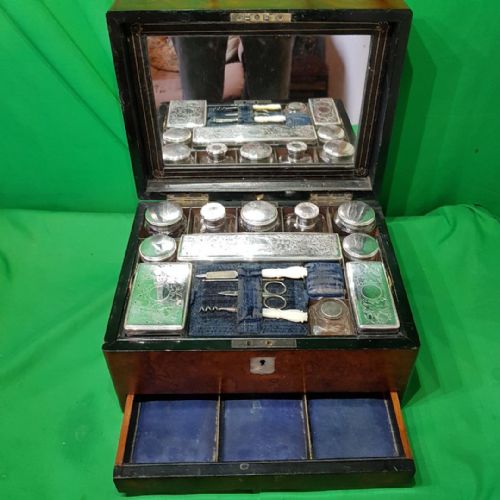
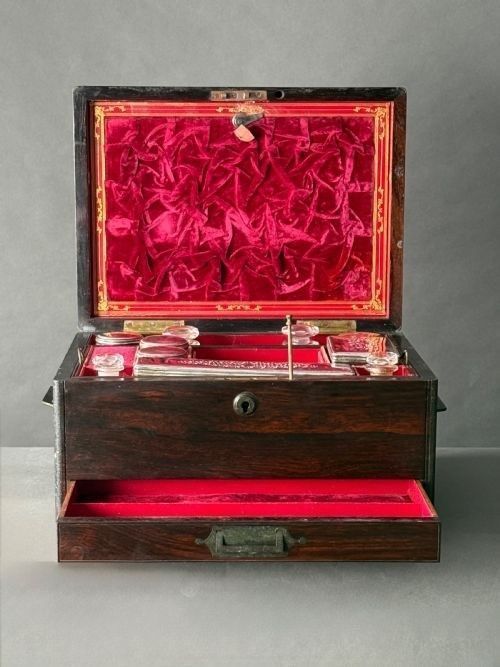
Antique glass jewellery encompasses wearable pieces and small display caskets set across Georgian, Victorian, Edwardian, and Art Deco periods.
Antique Glass Jewellery
Antique glass jewellery covers wearable ornaments and decorative caskets produced from the Georgian era through to the Art Deco period. Buyers seeking antique glass jewellery encounter rings, brooches, necklaces, and earrings alongside larger glass-topped display tables and boxes.
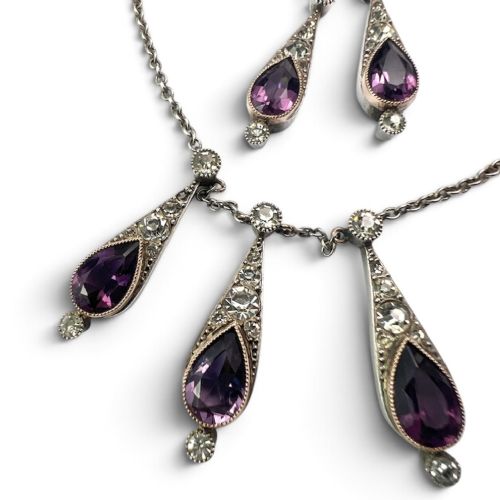
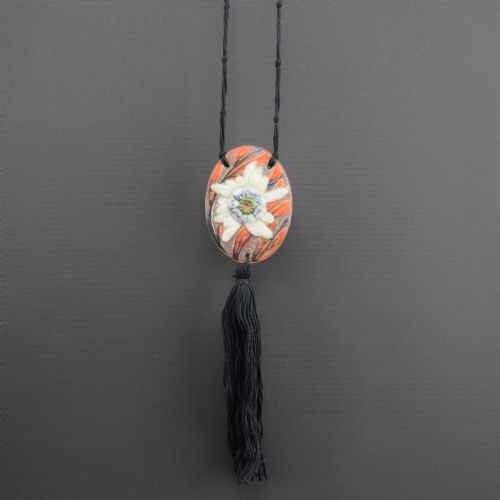
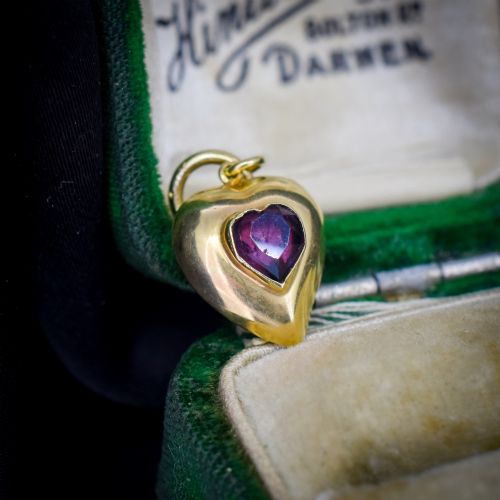
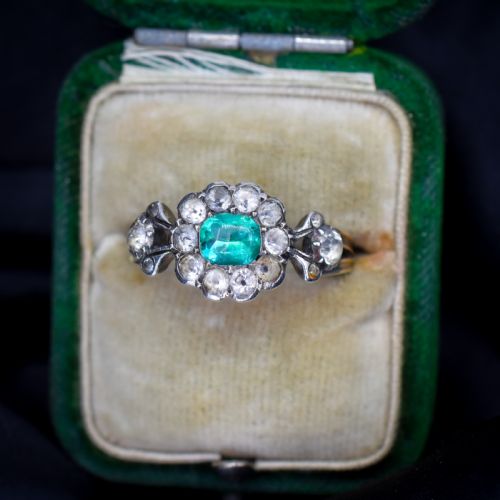
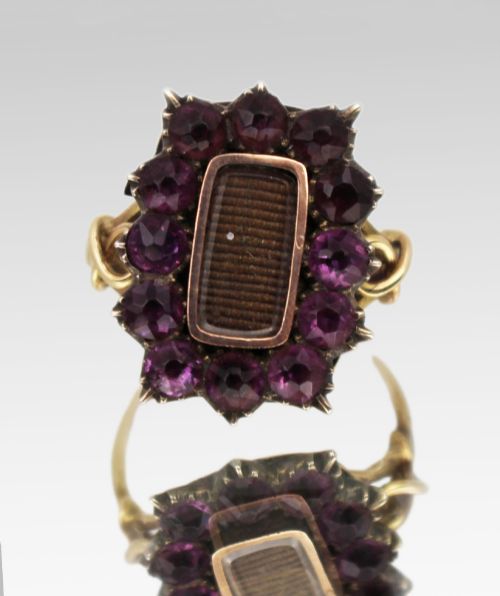
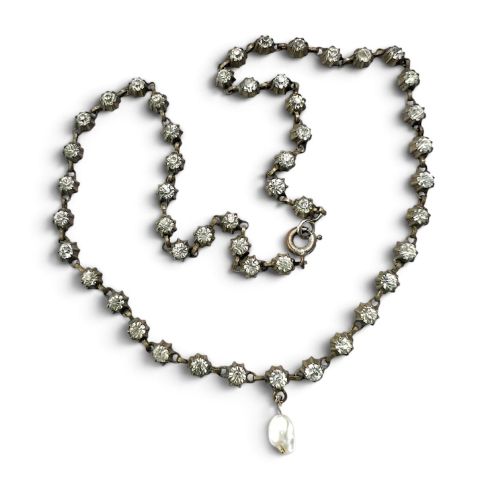
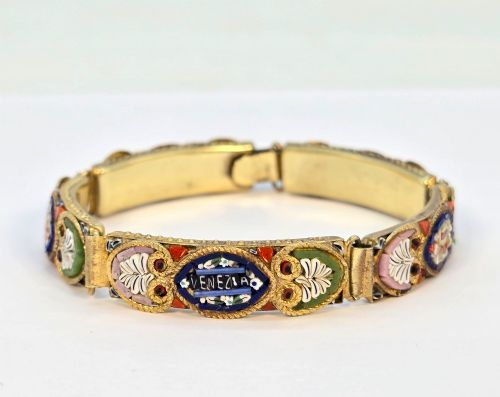
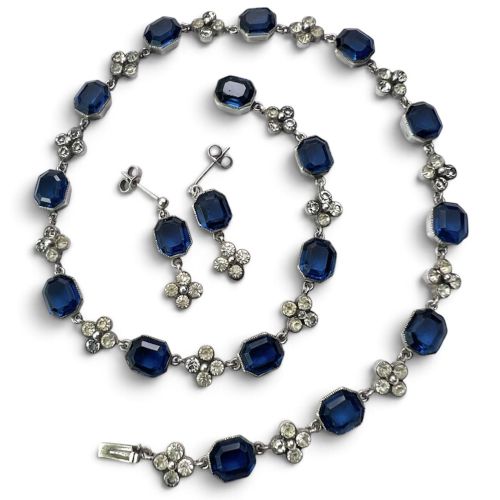
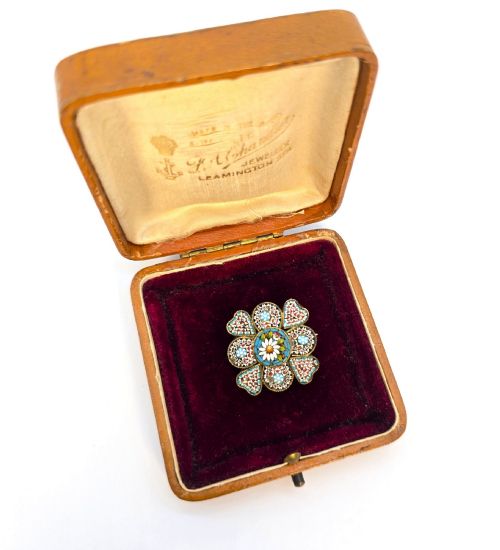
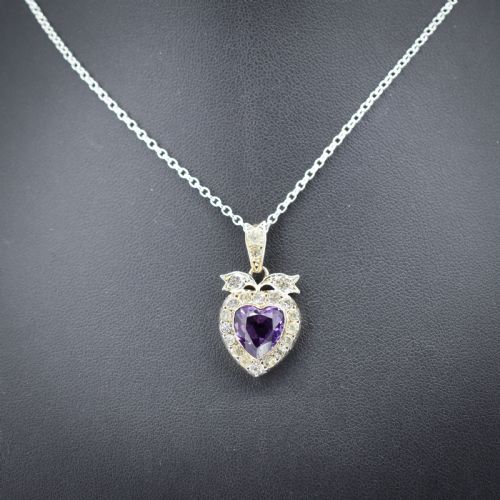
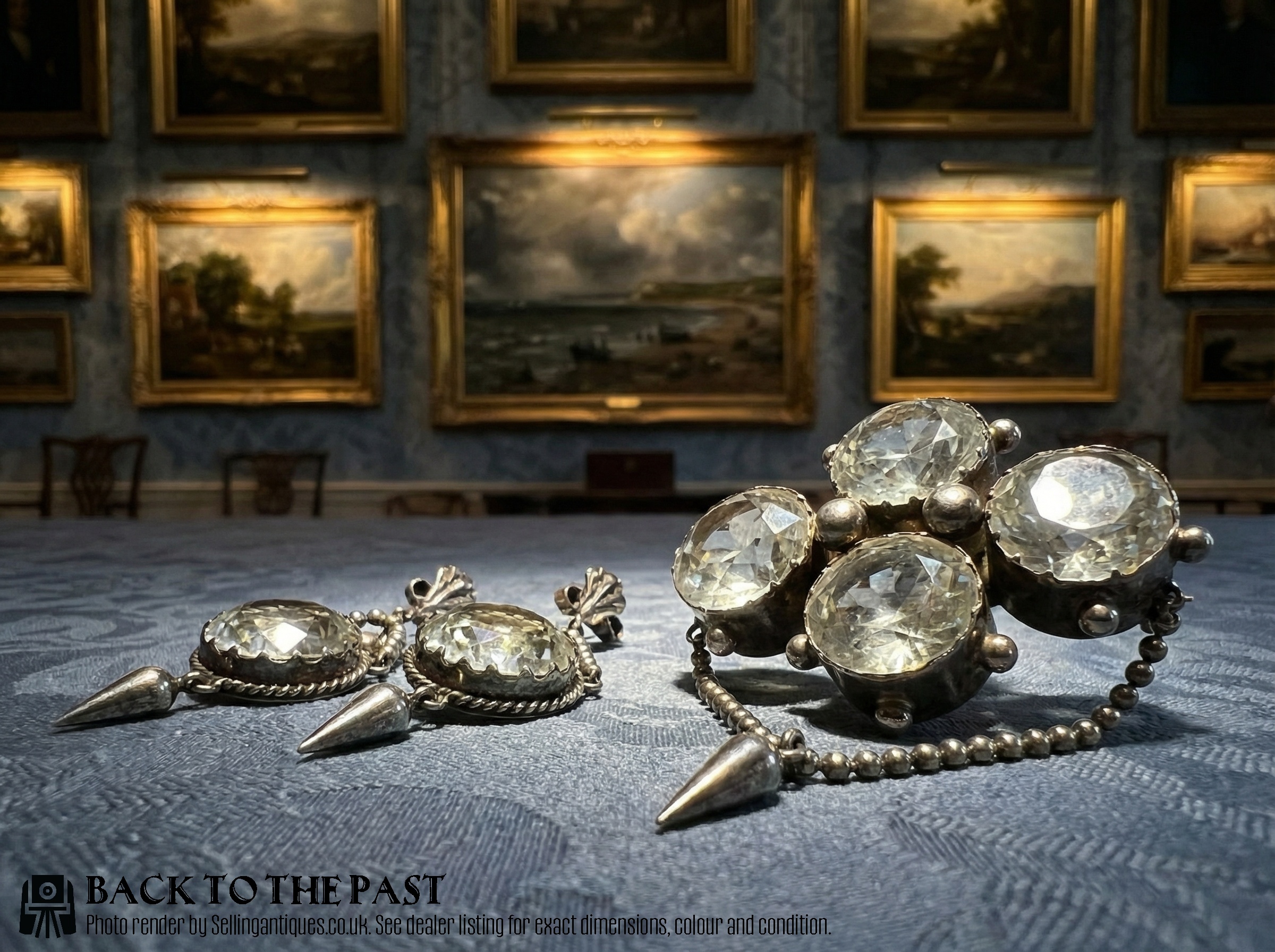
The wearable pieces frequently feature paste glass stones designed to imitate gemstones like amethyst, sapphire, and ruby, often mounted in silver and gold. Alternatively, buyers find pieces incorporating micro mosaics, pate de verre, and specialised glass techniques spanning the nineteenth and twentieth centuries.
Materials and construction methods
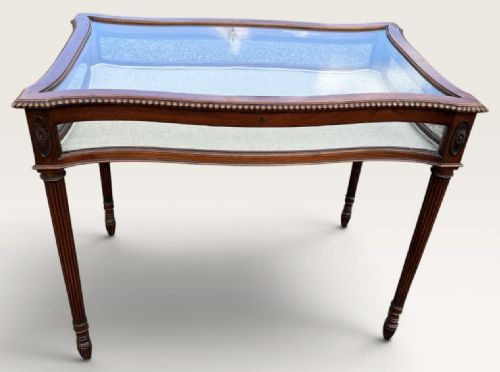
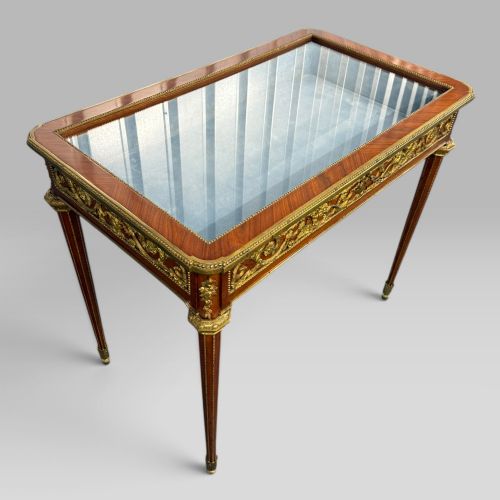
Items rely on glass cut by hand or moulded into stones, beads, and pendants, paired with precious metals including silver, gold, and silver gilt. Caskets and display tables combine glass with woods like mahogany, walnut, satinwood, and kingwood, finished with brass and ormolu mounts.
Techniques range from foil-backed paste stones secured in claw settings to micro mosaic tesserae laid in glass or stone matrices. Pate de verre involves glass paste fused in kilns, while larger caskets utilise bevelled glass panes fitted into metal frameworks.
Lizards and serpents occasionally peer out from the glass and metal mounts of Victorian brooches and cufflinks.
Factors determining quality
Quality rests on the precision of the glass cutting and the integrity of the metal setting, distinguishing hand-finished items from standard production pieces. Superior paste stones show crisp facets and secure foil backings that retain their internal depth and colour.
In larger boxes and display tables, construction quality appears in the joinery of the timber frame and the clarity of the heavy bevelled glass panels. Well-preserved original mounts and intact inner linings separate exceptional survival pieces from heavily restored examples.
Argy Rousseau·R Lalique·Charles Horner
The Antique Glass Jewellery Glossary
- Paste
- Faceted glass used as a gemstone substitute, often hand-cut and foil-backed to enhance reflection.
- Pate de verre
- A glass-making method where finely crushed glass is mixed with a binder and fired in a kiln.
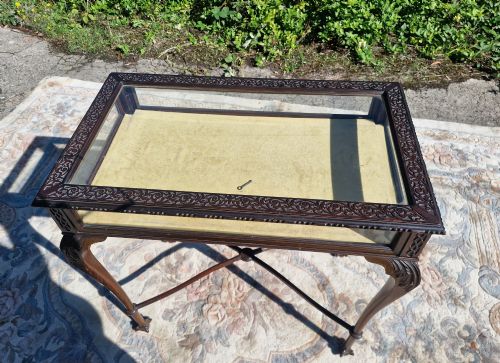
- Bijouterie table
- A glass-topped display table designed specifically for showing small ornaments and jewels.
- Micro mosaic
- Miniature artworks created from tiny coloured glass tesserae assembled into detailed pictorial scenes.
- Ormolu
- Gilded bronze or brass mounts used extensively on decorative boxes and display tables during the nineteenth century.
Antique Glass Jewellery: Frequently Asked Questions
How do I clean antique glass jewellery?
Use a soft, dry cloth to remove dust from the glass and metal surfaces without applying harsh liquids.
Avoid submerging pieces containing foil-backed paste stones in water, as moisture damages the reflective backing behind the glass.
Can I wear antique paste jewellery daily?
Wearable paste pieces from the Georgian and Victorian eras suit occasional wear rather than continuous daily use.
Care should be taken to protect softer glass settings and delicate claw mounts from impact during daily activities.
How do I date a glass display table?
Dating relies on the primary timber used, such as mahogany in Georgian and Edwardian examples or walnut in Victorian pieces.
Construction details, hardware styles, and the method of securing the glass top provide further chronological context.
What is the difference between paste and crystal?
Paste refers specifically to lead glass formulated and cut to imitate precious gemstones in jewellery settings.
Crystal denotes high-clarity glass used for larger decorative objects, caskets, and tableware rather than wearable faceted stones.