



Antique Glass Insert
An antique glass insert holds a structural or decorative role, bringing colour and pattern into silver table pieces, metal frames, and architectural windows.
Antique Glass Insert
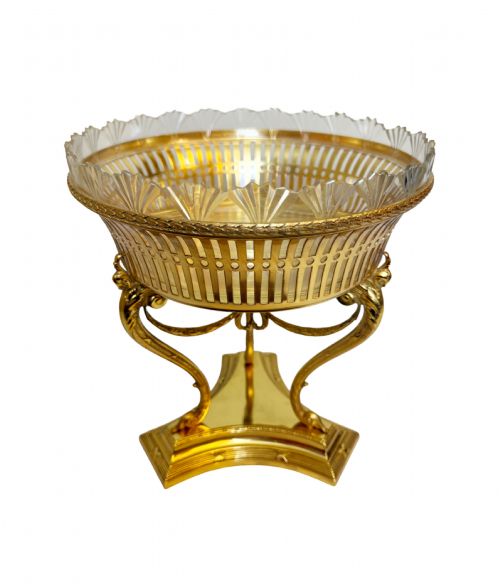
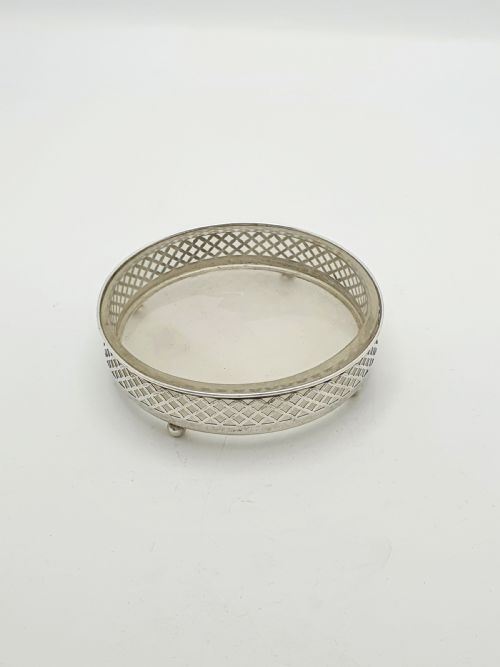
When searching for an antique glass insert, you examine components designed to fit inside a larger housing, such as silver table salt cellars, butter dishes, hors d'oeuvres servers, lemonade jugs, and metal centrepieces. These functional vessels provide a removable, cleanable glass well contained within a decorative metal framework.
Beyond tableware, the evidence shows these inserts functioning as architectural elements, specifically in the form of stained glass panels and leaded windows. These architectural pieces incorporate painted scenes, bullseyes, and leaded came work to divide interior spaces or fill exterior openings.
The selection ranges from Victorian and Edwardian household accessories to 1930s Art Deco mirrors and leaded windows depicting countryside scenes, farmhouses, and birds. You will frequently encounter table liners alongside architectural stained glass panels when exploring this category.
Materials and construction
Makers combined glass with lead, wood, timber, and silver plate to create both domestic items and architectural fixtures. Tableware liners utilise cut or clear glass paired with silver-plated frames, sterling silver, or gilt bronze.
Leaded windows and panels rely on hand-painted glass combined with lead cames to hold the individual pieces together. Artisans incorporated amber bullseyes, etched details, and painted countryside or floral motifs within these lead frameworks.
Antique Glass Insert Retail Price Guide 2026
Typical asking prices for glass insert among the pieces listed under this phrase on Sellingantiques today, from the lower quarter to the upper quarter. They describe what is for sale here now, not the wider market.
Materials documented across the inventory include lead, timber, silver plate, cut glass, and painted stained glass.
Markers of quality
Quality appears in the execution of hand-painted details on windows, such as the precision found in countryside, castle, and bird motifs. Superior table items demonstrate crisp piercing in the silver plate or sterling silver housing alongside precisely fitted glass liners.
The complexity of the glass work dictates the distinction between standard and finer pieces. The inclusion of specialised elements like amber bullseyes, etched designs, or intricate leaded came patterns elevates the execution of both architectural panels and table serving dishes.
Mappin & Webb·W M F
The Antique Glass Insert Glossary
- Lead came
- The grooved lead strips used to hold individual pieces of stained glass together in a window or panel. These flexible strips are soldered at the joints to form a rigid structural grid.
- Bullseye
- A small, round piece of glass featuring a central concentric thickening, often used in leaded windows to catch light and add texture. They appear frequently in Edwardian and 1900s designs.
- Silver plate
- A base metal foundation coated with a thin layer of silver, commonly utilised for the frames and structural holders of serving dishes and jugs. This technique provided the appearance of solid silver at a lower cost.
- Salt cellar
- A small open vessel placed on the table to hold salt, frequently equipped with a removable glass liner. These containers protect the metal exterior from the corrosive properties of salt.
- Centrepiece
- A decorative standalone object placed in the middle of a dining table, often incorporating a glass insert supported by gilt bronze or metalwork. They serve as focal points for table arrangements.
Antique Glass Insert: Frequently Asked Questions
What is an antique glass insert used for?
These components serve two distinct functions depending on whether they belong to tableware or architecture. In tableware, the glass insert acts as a removable liner for butter dishes, salt cellars, and hors d'oeuvres dishes, holding food safely away from metal frames.
In architecture, the insert takes the form of a leaded or stained glass window panel fitted into a door, wall, or window frame to let in coloured light while obscuring views.
How do I clean an antique glass insert?
Tableware inserts remove easily from their silver or metal holders and wash in warm soapy water using a soft cloth. Avoid harsh abrasives that might scratch the surface of older cut or pressed glass.
Architectural stained glass panels require dusting with a dry microfibre cloth and gentle cleaning around the lead cames to preserve any hand-painted details or surface etching.
How do I date a stained glass insert?
Dating relies on stylistic clues found in the motifs and framing techniques. Pieces from the Victorian and Edwardian eras often feature naturalistic bird and floral designs, while 1930s examples lean towards geometric Art Deco patterns or Dutch folk art.
The presence of specific maker marks on accompanying metal frames also helps narrow down the production period to the late nineteenth or early twentieth century.
Are glass inserts interchangeable between frames?
Original table liners are custom-fitted to their specific silver-plated or sterling silver housings. Variations in manufacturing tolerances mean a replacement glass insert rarely fits an antique frame without professional adjustment.
Architectural panels are similarly constructed to exact structural measurements for specific window openings rather than standardised modular sizes.