



Antique Glass Holder
These antique glass holder pieces span from eighteenth-century tortoiseshell scent bottle holders to twentieth-century cocktail stick sets.
Antique Glass Holder
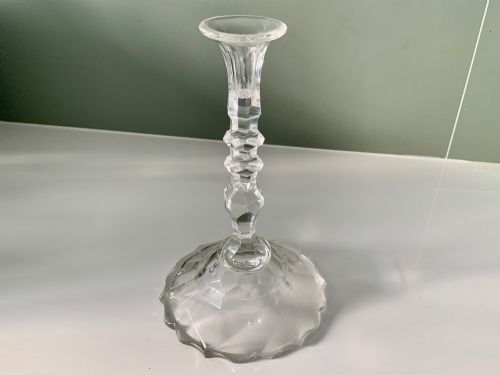
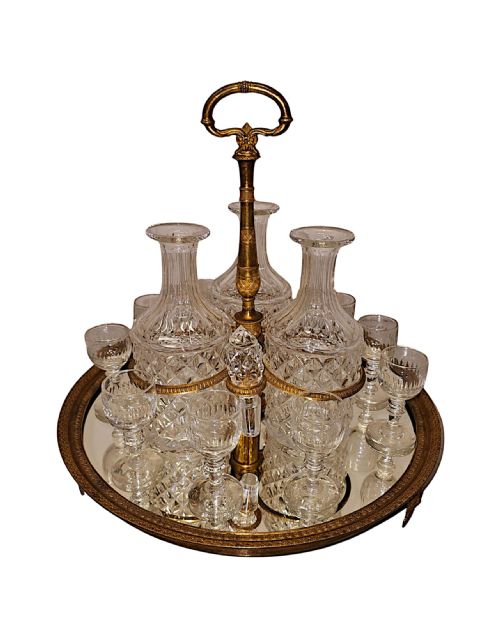
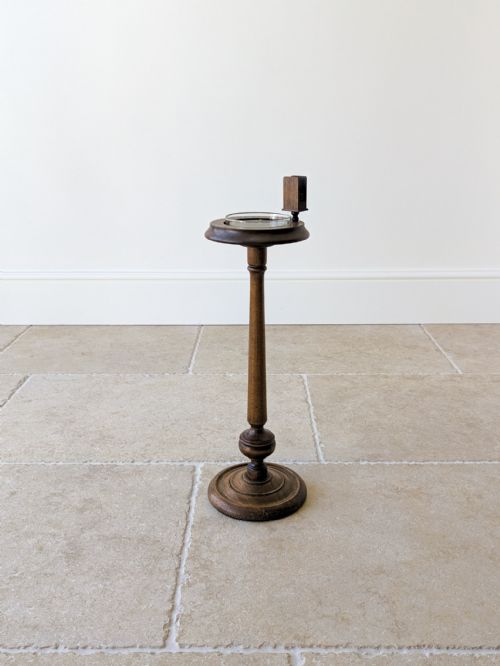
An antique glass holder encompasses a diverse range of objects designed to secure, elevate, or display glassware, bottles, and vessels. When searching for an antique glass holder, a buyer encounters everything from small desk accessories and match strikers to substantial tantalus sets and table lustres.
The selections on this page draw from periods spanning the Georgian era through to the mid-twentieth century. Victorian and Edwardian examples appear frequently, often combining functional metal frames with cut glass, cranberry glass, or opaline inserts.
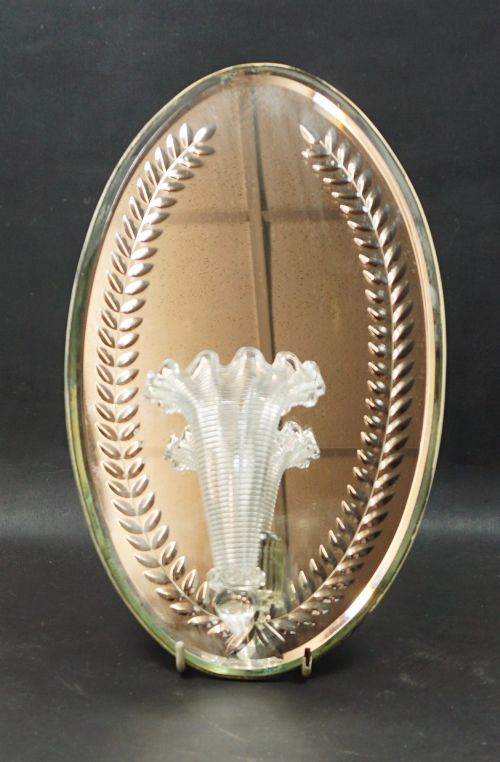
Forms vary widely according to their original domestic purpose, including condiment sets, inkstands, scent bottle holders, and candle lamps. Each piece demonstrates how past households integrated delicate glass vessels into robust metal or wooden frameworks.
Materials and construction
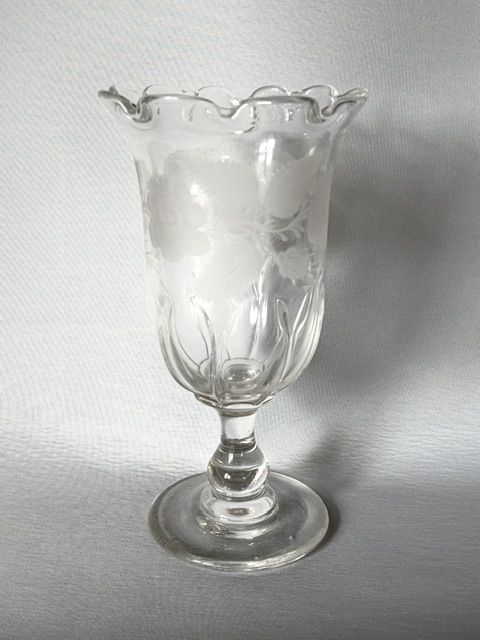
Makers combined glass with structural metals such as sterling silver, silver plate, brass, or ormolu to provide stability and decoration. Cut glass, crystal, and coloured glass elements like vaseline or cranberry glass were fitted securely into pierced metal mountings or wooden frames made from mahogany, oak, and satinwood.
Techniques relied upon skilled metalworking, including casting, piercing, and silver-gilding, paired with traditional glass cutting, etching, and moulding. Frames were engineered to hold removable glass liners, bottles, or jars safely in place during daily use.
Antique Glass Holder Retail Price Guide 2026
Typical asking prices for glass holder among the pieces listed under this phrase on Sellingantiques today, from the lower quarter to the upper quarter. They describe what is for sale here now, not the wider market.
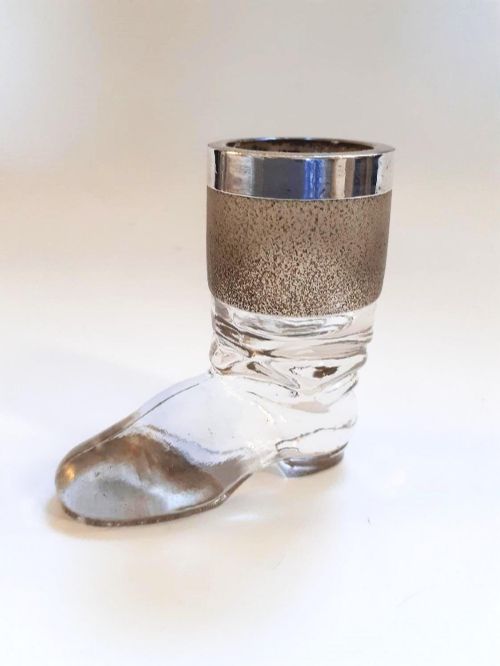
Early twentieth-century smokers enjoyed novelty toothpicks and cherry cocktail sticks neatly secured inside dedicated silver and glass holders.
What separates the tiers
Quality rests in the precision of the metal mounts, the clarity and depth of the glass cutting, and the overall coherence of the design. Superior examples display crisp chasing on silver or bronze components alongside hand-blown glass free from cloudiness.
The harmony between the housing and its glass insert dictates the desirability of a piece. Finer items integrate specialised materials like tortoiseshell or enamel, maintaining original fittings and structural integrity across both the metal framework and the fragile glass components.
Walker & Hall·Rene Lalique·Crisford & Norris
The Antique Glass Holder Glossary
- Tantalus
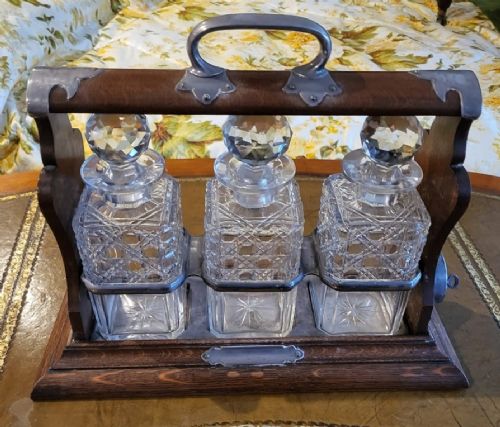
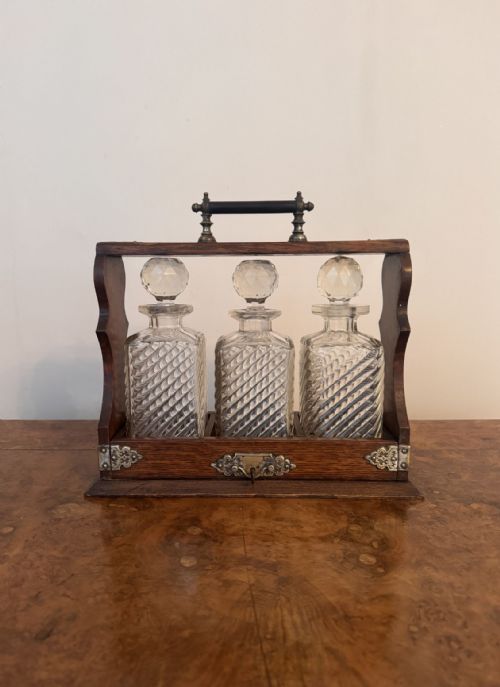
- A locked cabinet or metal frame holding decanters that displays the contents while preventing unauthorised access. The locking mechanism typically secures the stoppers in place until released by a key.
- Lustre
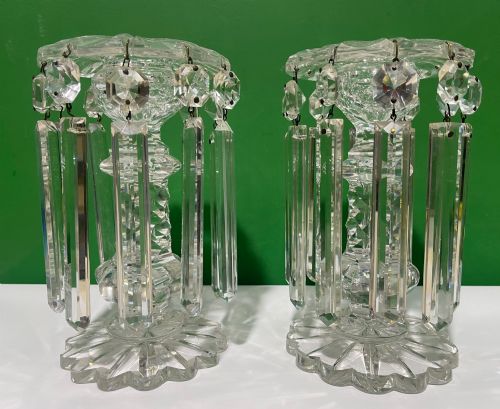
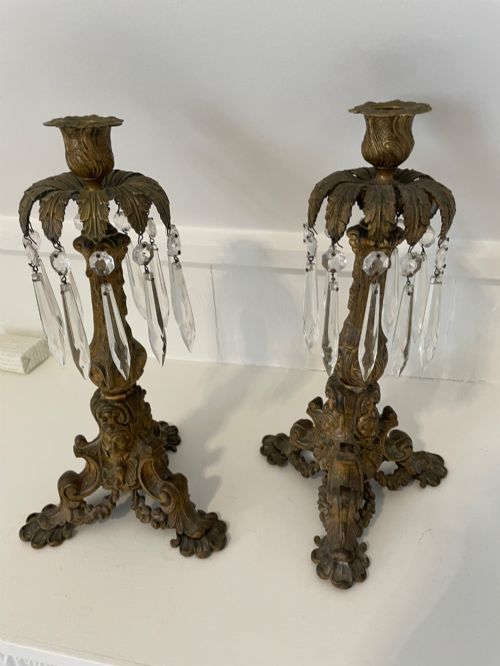
- A mantle ornament made of glass featuring hanging crystal prisms designed to catch and reflect candlelight. Victorian examples often utilise coloured glass bodies such as pink or green.
- Match Striker
- A tabletop container, frequently combining textured glass with a silver mount, used for storing matches and striking them against a roughened surface. Many feature a ceramic or glass textured base for this purpose.
- Posy Vase
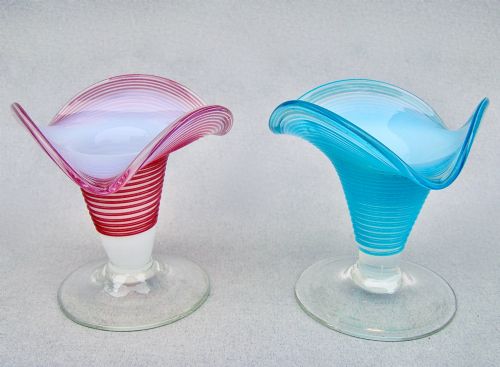
- A small vessel intended for holding a short bunch of flowers, often paired with a silver rim or framework. These items frequently utilise Vaseline or opaline glass.
- Opaline Glass
- An opaque or semi-translucent glass developed in the nineteenth century, often tinted in pastel shades such as white or pink. It provides a smooth porcelain-like surface suitable for hand-painting or gilt decoration.
Antique Glass Holder: Frequently Asked Questions
What periods do these pieces date from?
The inventory spans the eighteenth century through to the mid-twentieth century, including Georgian, Victorian, Edwardian, and Art Deco eras.
Victorian and Edwardian items form the largest share of the available objects, reflecting domestic trends of those periods.
How were these holders used in the home?
They served practical and decorative functions in dining rooms, studies, and drawing rooms to secure bottles, inkwells, matches, and condiments.
Many items were designed for entertaining, such as tantalus sets for spirits and cruet sets for dining tables.
What materials should I expect to find?
Common combinations include cut glass or crystal paired with sterling silver, silver plate, brass, or ormolu frames.
Some pieces incorporate wooden elements like oak and mahogany, alongside speciality glass types such as cranberry, vaseline, and opaline.
How do I identify a tantalus?
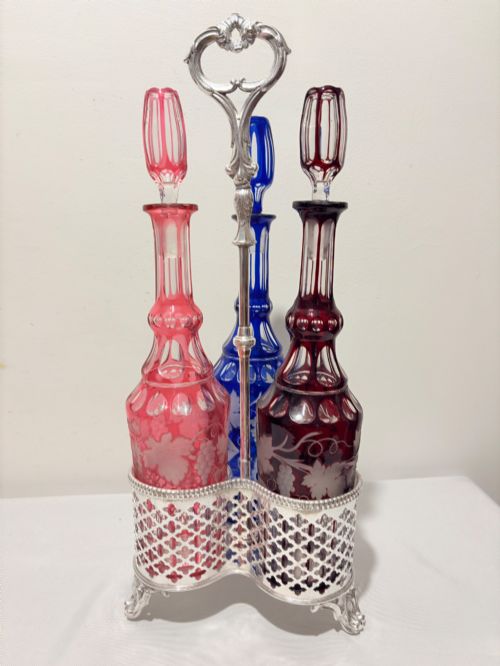
A tantalus is a locking stand that secures decanters by their stoppers within a metal or wooden framework.
When locked, the decanters cannot be removed without a key, a design originally intended to restrict access to the contents.