



Antique Glass Fruit
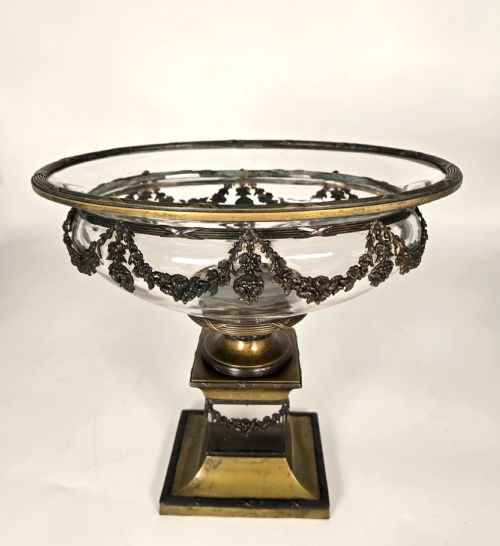
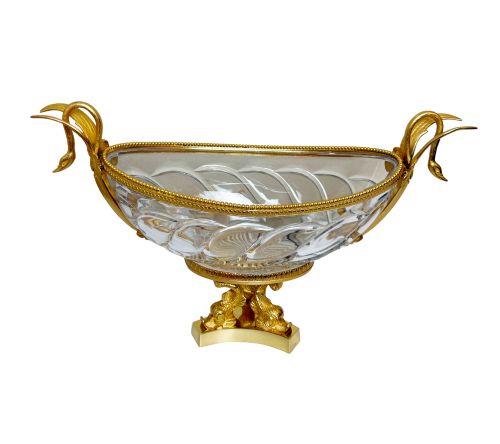
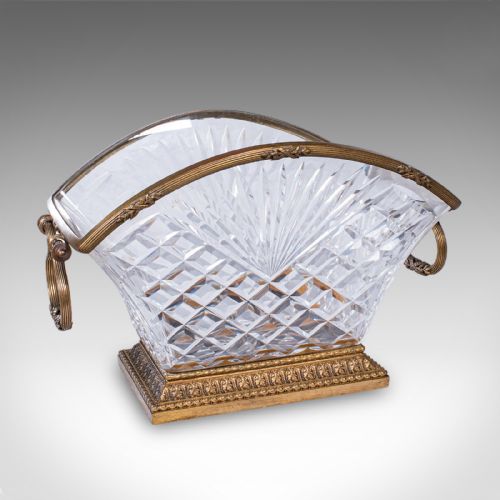
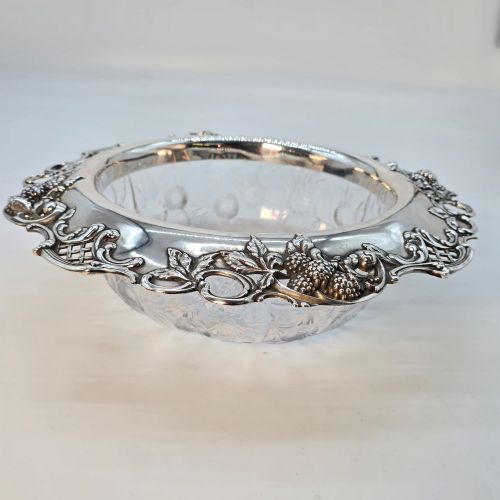
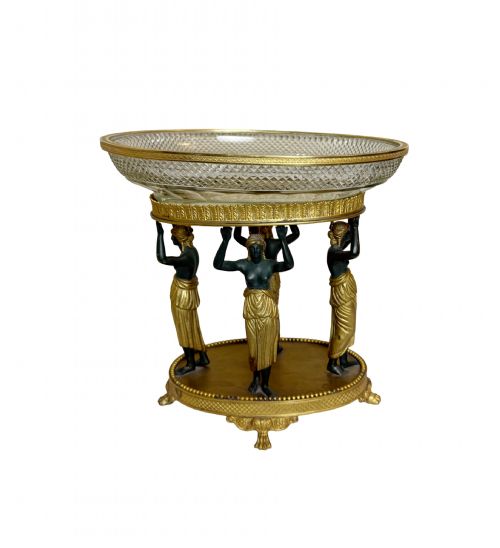
These pieces of antique glass fruit and related centrepieces bring heavy cut crystal, coloured glass, and bronze mounts together for display.
Antique Glass Fruit
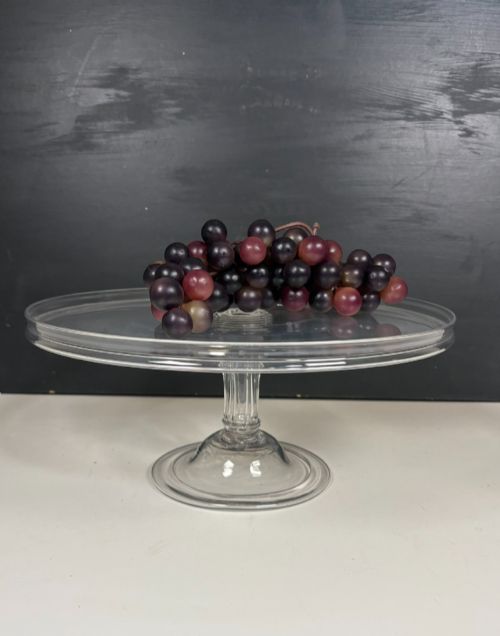
When buyers search for antique glass fruit, they encounter large cut glass bowls, tazzas, and centrepieces designed to hold fruit or stand alone as table decorations. Many listings combine glass vessels with moulded fruit elements hung from chandeliers or arranged inside bowls.
The objects span from the Georgian period through the Victorian, Edwardian, and Art Deco eras, showing how domestic display pieces shifted from heavy Irish cut glass standing bowls to coloured art glass and gilt bronze mounts.
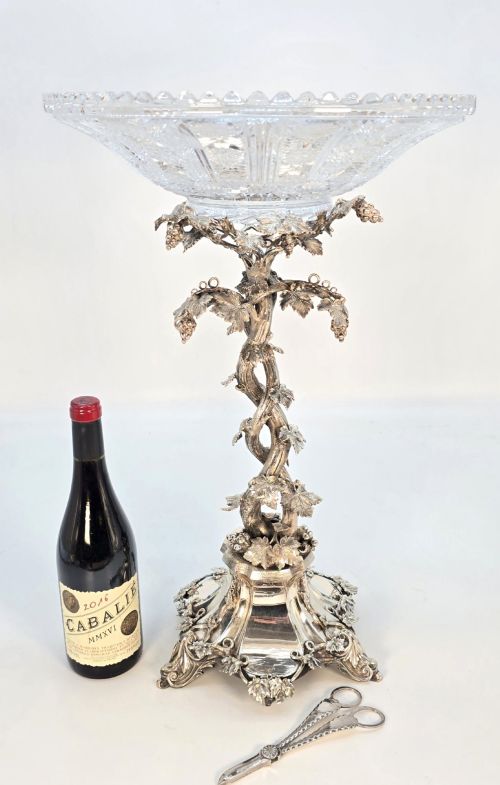
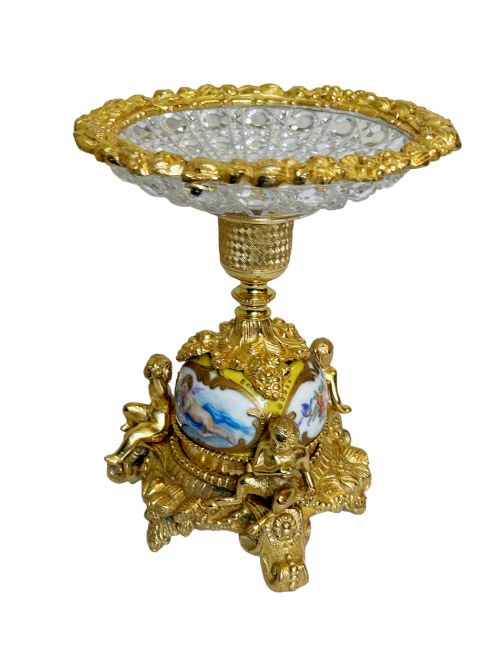
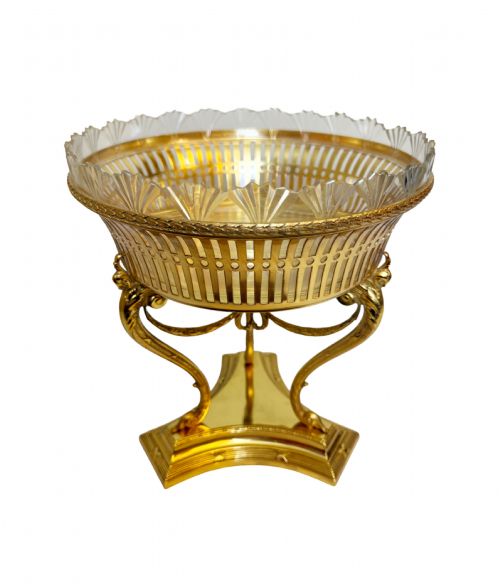
Most examples originate from British, French, and Belgian workshops, ranging from simple pressed and cut glass dishes to elaborate gilt bronze and crystal centrepieces featuring cherubs or ormolu mounts.
Materials and production techniques
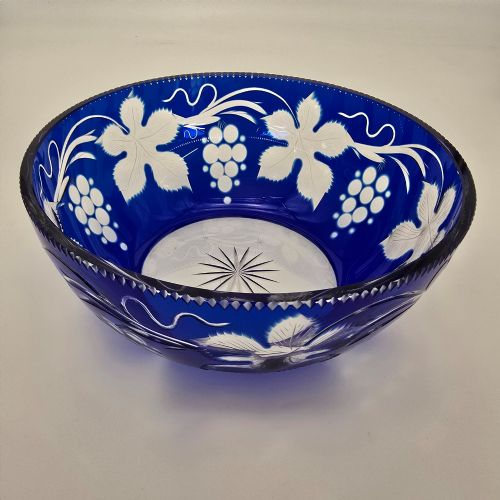
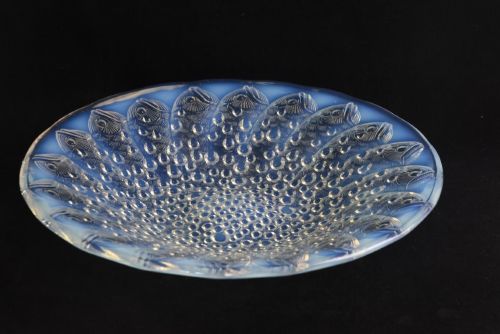
Glass production relies on lead crystal, cut glass, and coloured glass varieties such as cranberry, vaseline, cobalt blue, and green over crystal, shaped into heavy bowls, tazzas, and vessels.
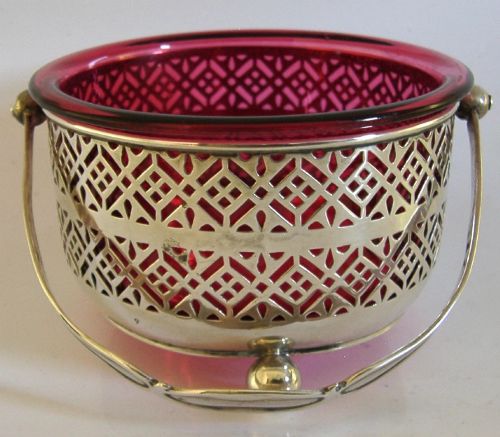
Metal mounts utilise gilt bronze, ormolu, silver plate, and sterling silver, often cast with intricate details to support and elevate the glass centrepieces.
Surface decoration is achieved through deep wheel cutting, engraving with fruiting vines, gold enamel work, and iridescent finishes characteristic of late nineteenth and early twentieth century glassworks.
Antique Glass Fruit Retail Price Guide 2026
Typical asking prices for glass fruit among the pieces listed under this phrase on Sellingantiques today, from the lower quarter to the upper quarter. They describe what is for sale here now, not the wider market.
Determinants of quality
Quality rests upon the clarity and weight of the glass, where deep hand-cutting and sharp facets distinguish finer lead crystal from simpler moulded or pressed wares.
The standard of metalwork dictates overall value, separating heavy, finely chased gilt bronze and ormolu mounts from basic plated brass alternatives.
Attribution to known designers or prominent glassworks, alongside the preservation of original coloured glass hues and enamel decoration, elevates certain pieces above standard domestic wares.
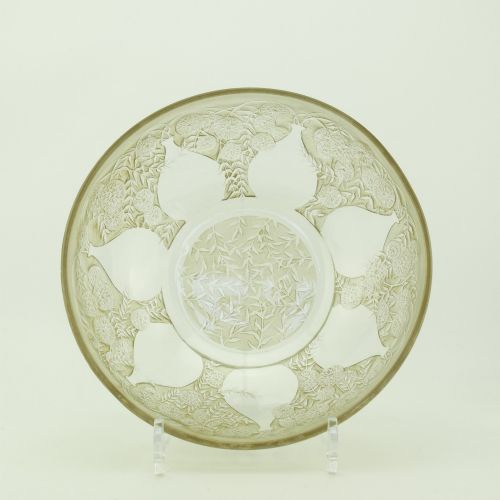
Rene Lalique·Tiffany and Co·Val St Lambert·St Louis glassworks·Kralik glassworks·Graystan
The Antique Glass Fruit Glossary
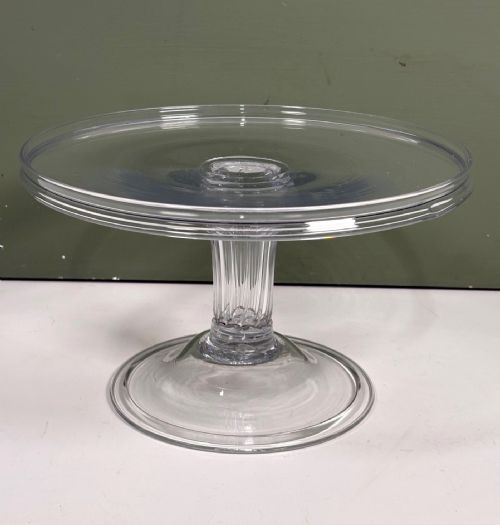
- Tazza
- A shallow bowl or dish mounted on a stem and foot, commonly used for serving fruit or as a table centrepiece during the Georgian and Victorian periods.
- Ormolu
- Gilded bronze used widely for mounts and decorative stands on nineteenth-century glass bowls and centrepieces.
- Millefiori
- A glasswork technique producing distinctive multicoloured mosaic patterns, seen in bowls from the early twentieth century.
- Lead crystal
- Glass containing lead oxide, known for high refractive index, weight, and clarity that enhances deep cut glass ornamentation.
Antique Glass Fruit: Frequently Asked Questions
What is an antique glass tazza used for?
A tazza served as an elevated display dish for fruit, sweetmeats, or ornamental arrangements on formal dining tables.
Today these stemmed vessels function as decorative centrepieces on sideboards or dining surfaces.
How do I identify a Georgian glass bowl?
Georgian bowls typically display heavy lead metal content, thick pontil marks on the base, and wide hand-cut flutes or panels.
These pieces often have a slightly greyish tint in the glass rather than absolute modern clarity.
What is the difference between ormolu and gilt bronze?
Ormolu specifically refers to a gold-coloured alloy applied to bronze objects using a mercury gilding process common in the eighteenth and nineteenth centuries.
Both terms describe the decorative metallic mounts found supporting nineteenth-century glass centrepieces.
How should I clean antique glass and bronze?
Glass components benefit from lukewarm water and mild soap, drying immediately with a soft cloth to prevent water spots.
Metal mounts require dry dusting to protect aged patination on ormolu and silver plate surfaces.