




Antique Glass Compote Bowl
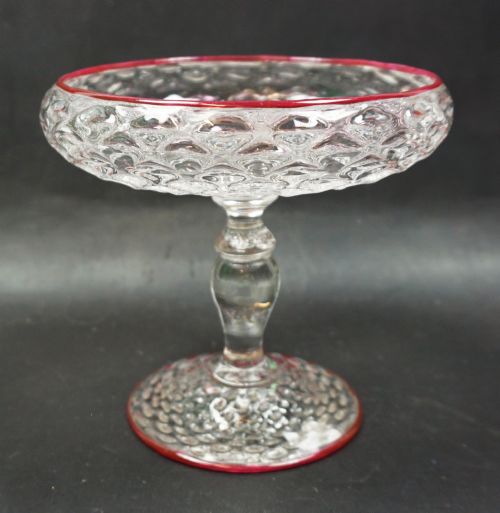
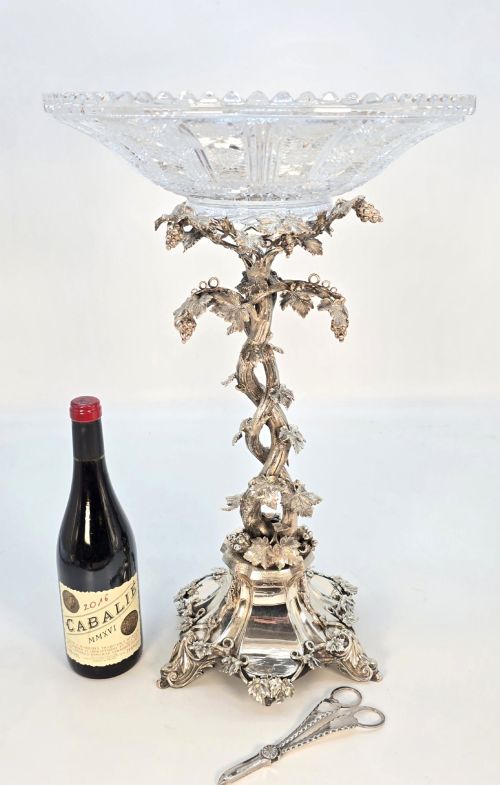
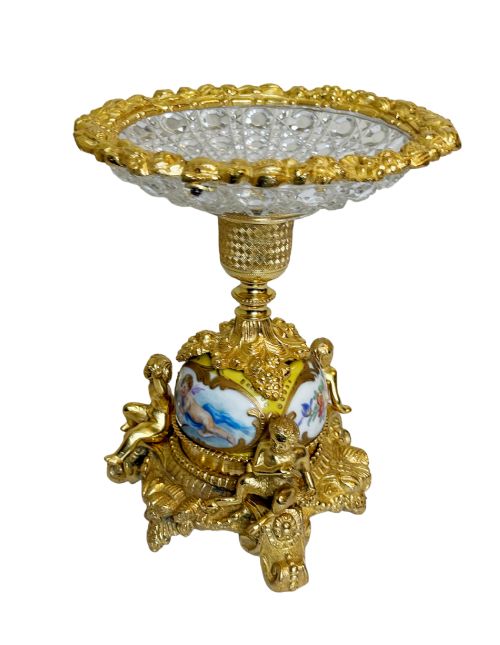
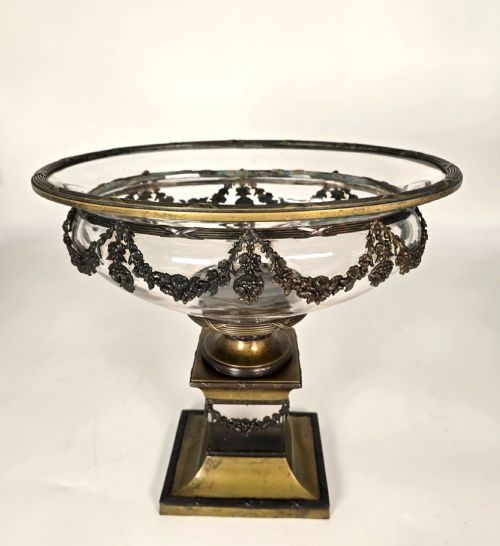
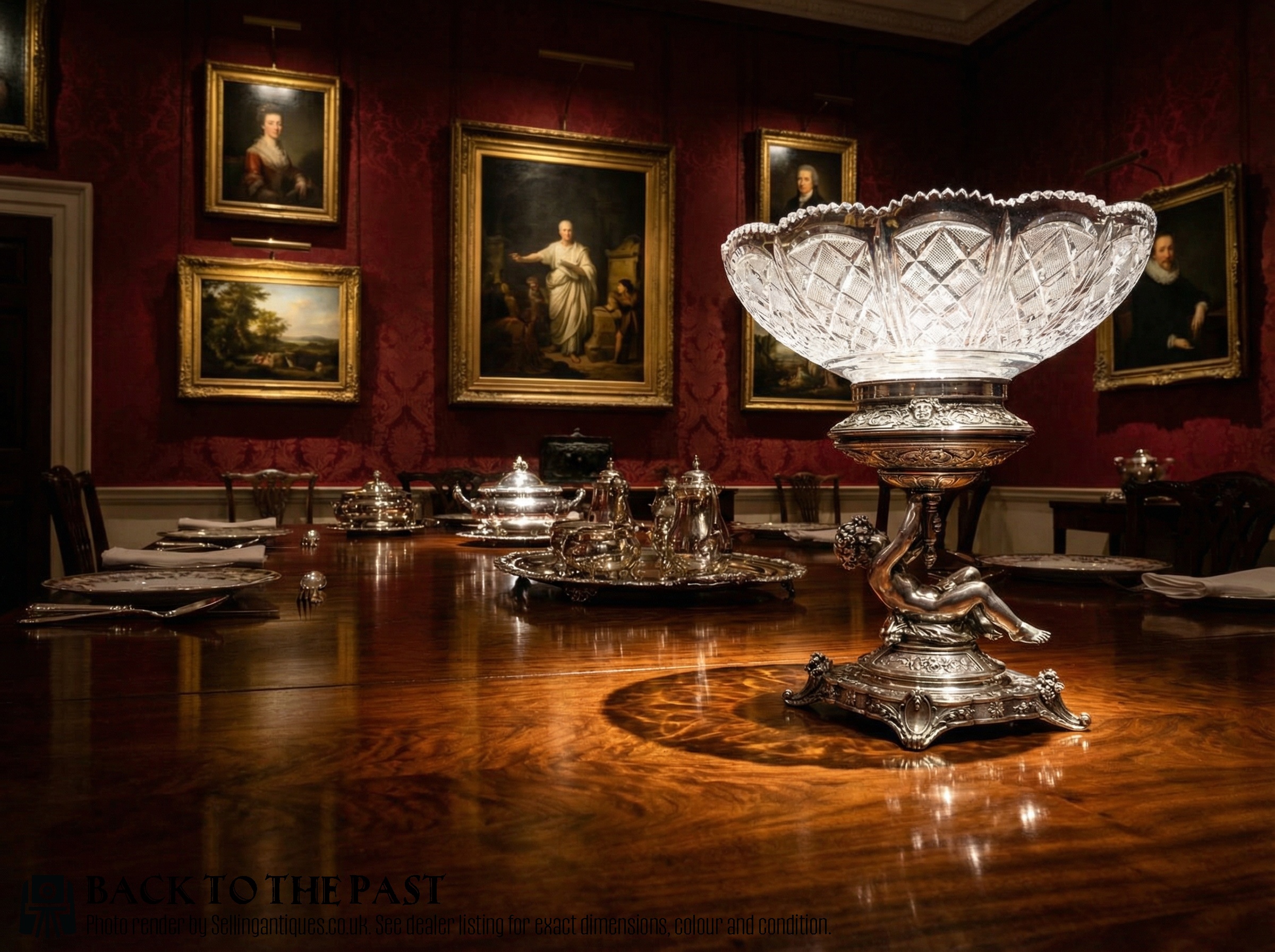
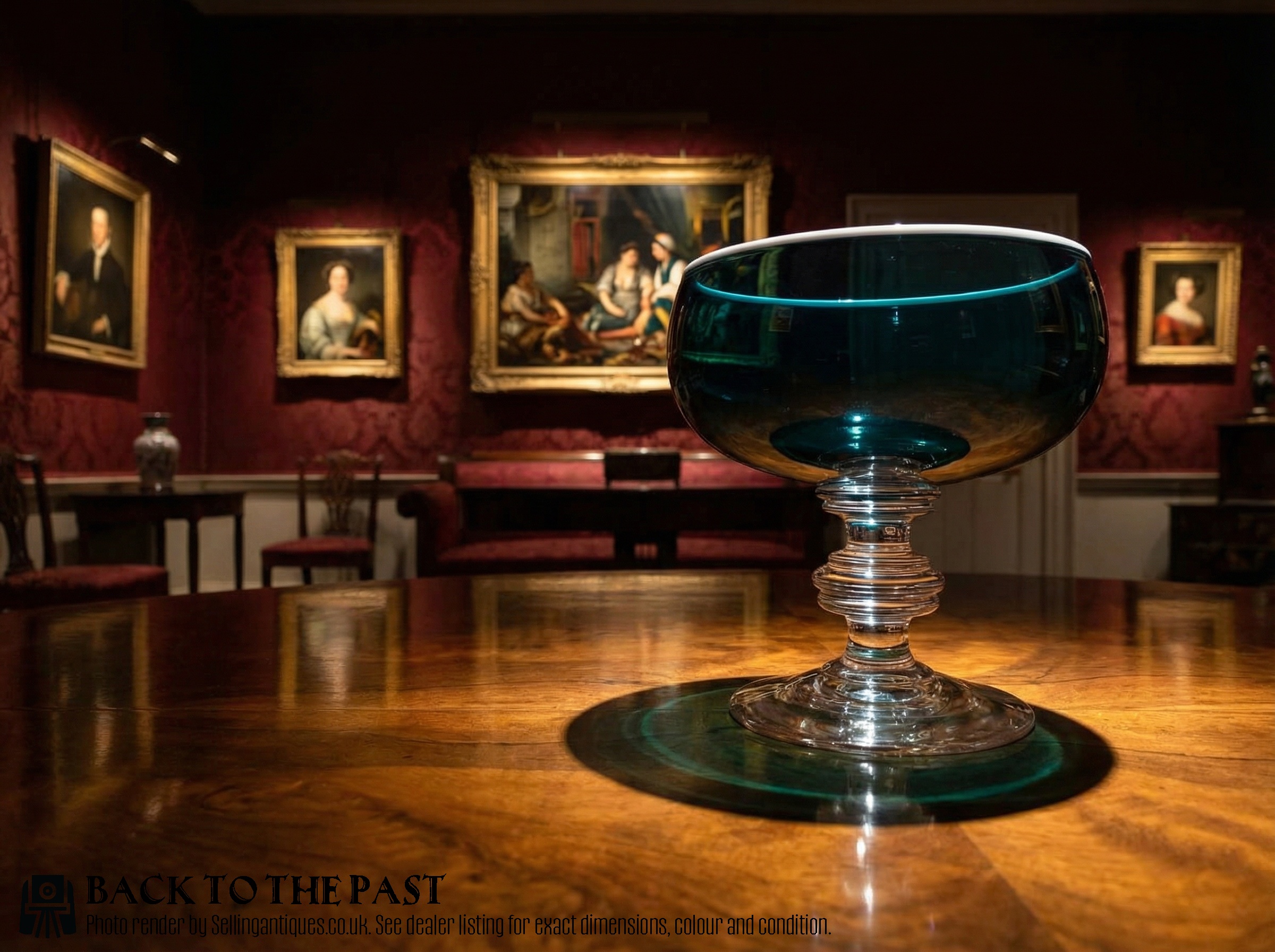
An antique glass compote bowl elevates a table, bringing raised crystal and coloured glass into focus as a centrepiece.
Antique Glass Compote Bowl
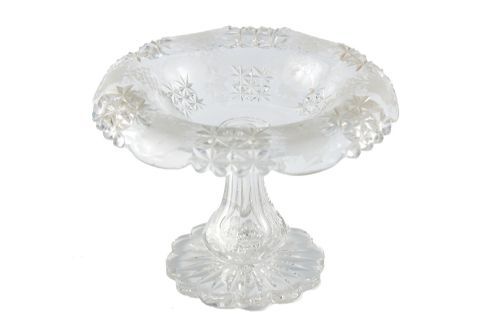
When you search for an antique glass compote bowl, you encounter raised vessels designed to hold fruit or serve as table centrepieces. These objects appear under various historical terms including tazza, comport, and pedestal bowl.
The selections span the Georgian, Victorian, and Edwardian periods, stretching into later Art Deco and Art Nouveau designs. English and Irish origins predominate among the cut crystal, alongside continental pieces featuring bronze and silver plate mounts.
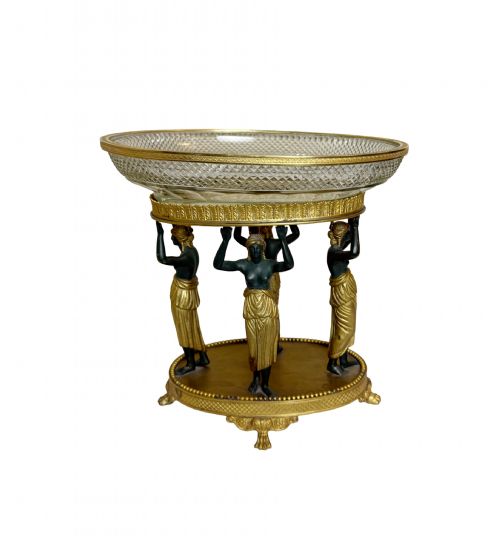
Forms range from simple hand-blown clear glass pedestals to elaborate gilded creations adorned with cherubs or mermen. Many examples combine glass with metalwork such as gilt bronze, ormolu, and silvered bronze.
Materials and Construction
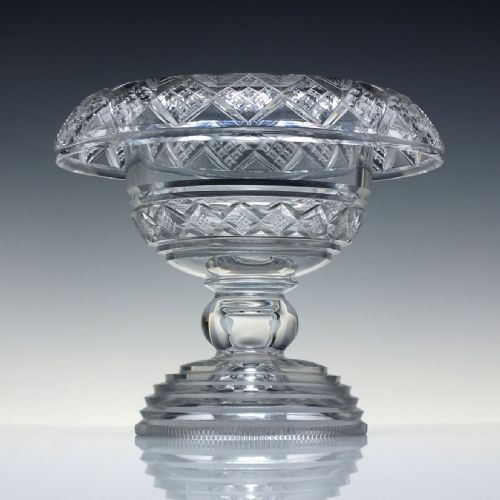
Makers utilised lead crystal and heavy glass, shaping them through blowing, moulding, and intricate cutting. Hobnail patterns and honeycomb moulding create depth and texture across the surfaces.
Metal mounts in silver plate, gilt bronze, pewter, and ormolu provide structural support and decorative frames. Techniques like gilding and etching finish the surfaces of both the glass bowls and their stands.
Antique Glass Compote Bowl Retail Price Guide 2026
Typical asking prices for glass compote bowl among the pieces listed under this phrase on Sellingantiques today, from the lower quarter to the upper quarter. They describe what is for sale here now, not the wider market.
Materials span cut crystal, lead crystal, silver plate, ormolu, and coloured glassware in ruby and cranberry.
Distinctions in Standard
The clarity and weight of the lead crystal separate finer pieces from standard glassware, with sharper wheel-cut facets demonstrating superior craftsmanship. Deeper, crisper hobnail patterns and precise etching require higher skill.
The integration of metal mounts defines the upper tier of decorative centrepieces. Cast bronze, ormolu figures like mermen or cherubs, and stamped silver plate exhibit detailed artistry that elevates the entire object beyond a simple utility vessel.
Signature details and attribution to known designers or potteries mark exceptional examples. Signed works and documented factory pieces retain stronger artistic integrity.
Graystan·Orivit·Christofle et Cie·Waterford·Wedgwood
The Antique Glass Compote Bowl Glossary
- Compote
- A raised bowl on a stem, traditionally used for serving fruit or sweets at the table. This term shares its origins with the French word for stewed fruit.
- Tazza
- A shallow bowl or cup mounted on a stem and foot, functioning primarily as a decorative centrepiece. The form derives from Renaissance metalwork.
- Comport
- An alternative name for a pedestal bowl or tazza used in table service. Victorian households utilised these pieces to display fruit during dessert courses.
- Ormolu
- Gilt bronze ornamentation applied to furniture and decorative objects. The technique involves treating brass or bronze with a mercury and gold amalgam.
- Lead crystal
- Glass containing lead oxide to increase brilliance, weight, and refractive index. This material permits deeper and sharper cutting than standard glass.
Antique Glass Compote Bowl: Frequently Asked Questions
What is an antique glass compote bowl used for?
These vessels originally served fruit, nuts, or sweetmeats during formal dining courses. Victorian households placed them centrally on tables to anchor the display.
Today, collectors use them primarily as decorative centrepieces or keep them empty to showcase the cut crystal and coloured glass. They function well on sideboards and entrance tables.
How do I distinguish Victorian from Georgian pieces?
Georgian and early nineteenth-century pieces often display heavy Irish cut glass with deep facets and distinct greyish tones in the metal. The forms tend to be robust and straightforward.
Victorian examples introduce brighter colours like cranberry and green, alongside more ornate etching and complex metal mounts. Aesthetic movements later in the century brought in Art Nouveau and Art Deco styling.
How should I clean my antique glass bowl?
Wash the glass gently by hand using lukewarm water and mild soap. Avoid sudden temperature changes to prevent cracking the old material.
Keep water away from any silver-plated, gilt bronze, or metal mounts attached to the bowl, as moisture damages historic metal finishes and adhesives.