


Antique Gilt Hardware
Antique gilt hardware brings genuine decorative polish to interiors through enduring metalwork.
Antique Gilt Hardware
When you search for antique gilt hardware, you encounter pieces designed to accent furnishings and windows with gilded metal surfaces. These items range from domestic window fittings to ornamental elements applied directly to cabinets.
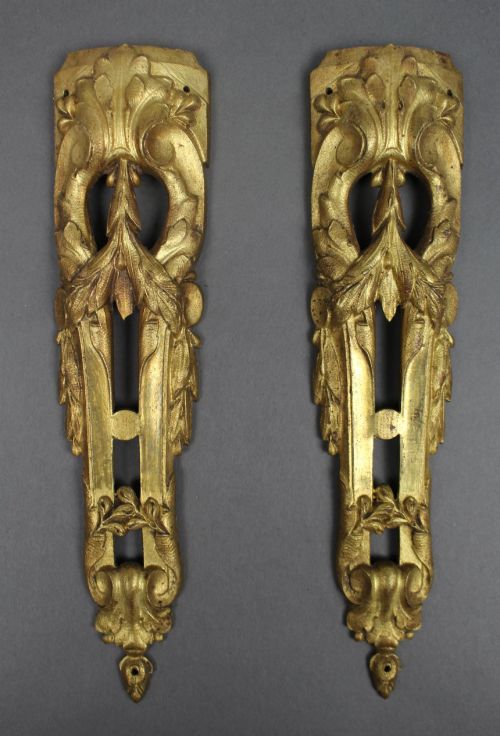
The most common examples on this page are curtain tie backs and furniture mounts originating from the nineteenth century. French nineteenth-century production dominates the selection, featuring prominently alongside Victorian British examples and occasional eighteenth-century specimens.
Materials and construction
The items are fashioned primarily from bronze, brass, and copper-alloy metals finished with fire gilding, ormolu, or surface plating. Artisans shaped these materials through casting, chasing, and repoussé techniques to achieve crisp ornamental detail.
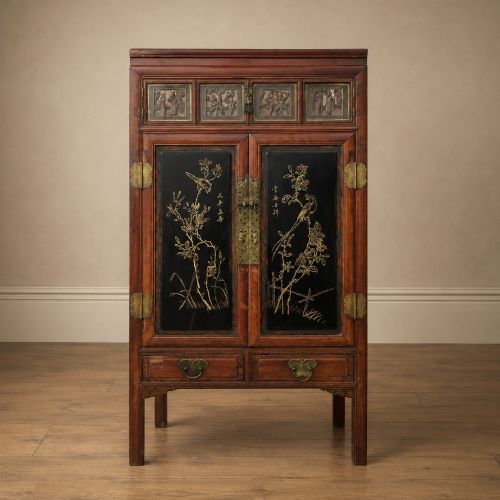
Makers integrated mixed media such as wood, lacquer, and enamel into specific decorative objects like cabinets and tie backs. This combination of cast metal and secondary materials created contrasting textures popular in period interior schemes.
Gothic dragons carved in metal keep a watchful eye over household textiles from their Victorian perches.
Distinctions in quality
Quality rests upon the crispness of the original metal chasing and the retention of the original fire gilt or ormolu surface. Fine examples exhibit sharp relief and deeply articulated ornamentation that weaker castings simply lack.
The weight of the cast metal and the subtlety of the finishing handwork separate standard production from superior workshop output. Pieces attributed to documented makers display a refined execution in design and assembly.
Henri Picard
The Antique Gilt Hardware Glossary
- Ormolu
- Gilded bronze produced by applying a mercury and gold amalgam to a bronze base and heating it. This historic technique yields a warm, durable golden lustre.
- Chasing
- The manual tooling of metal surfaces with punches and hammers after casting. It refines the design and adds fine surface texture.
- Repoussé
- A metalworking technique where the artisan hammers metal from the reverse side to form a raised design in relief. It allows for three-dimensional ornamentation on sheet metal.
- Pelmet
- A decorative framework placed above a window to conceal curtain fixtures. Historic examples often incorporate gilded brass or carved wood.
- Tie back
- A decorative fixture mounted to the wall beside a window to hold curtains open. These objects frequently utilise cast ormolu and brass.
Antique Gilt Hardware: Frequently Asked Questions
What is antique gilt hardware?
Antique gilt hardware encompasses decorative metal objects used to mount furniture or manage window dressings. These pieces feature gilded surfaces applied to bronze, brass, or other base metals.
Items typically date from the eighteenth and nineteenth centuries, reflecting historical design movements like the Rococo Revival and the Louis XVI style.
How were curtain tie backs used?
Curtain tie backs were secured to walls flanking windows to gather and hold drapery fabrics back from the glass. They functioned as both practical supports and decorative interior adornments.
Pairs were matched to balance the appearance of heavy fabrics in formal rooms.
What metals are most common?
The listings feature significant quantities of ormolu, gilt bronze, and gilt brass. These materials provided durability while offering a bright golden finish suited to formal interiors.
Some pieces incorporate additional elements like enamel or red and black lacquer.
How do I identify French pieces?
French pieces often display stylistic markers from the Rococo Revival, Louis XVI, or Empire styles. The workmanship frequently utilises fire-gilded bronze with finely chased surface details.
Design motifs on these examples draw from classical and exuberant continental decorative traditions.
Can I use these with modern curtains?
These historical fixtures serve well in contemporary homes when mounted securely to wall studs or window frames. Their robust metal construction supports standard drapery weights.
Care should be taken to match the scale of the hardware to the fabric being held.