

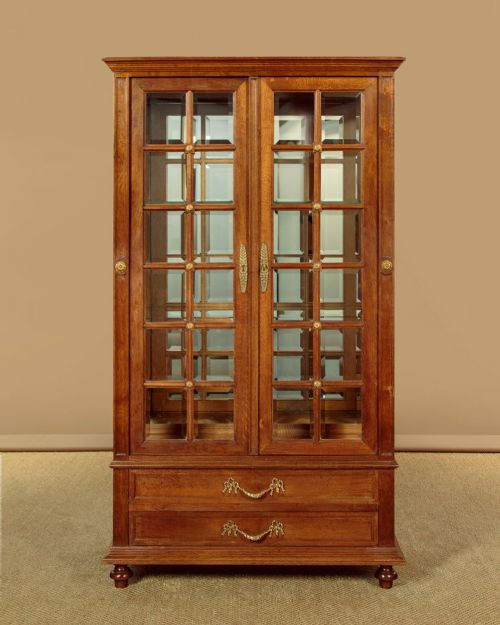


Antique Gilt Display Cupboard
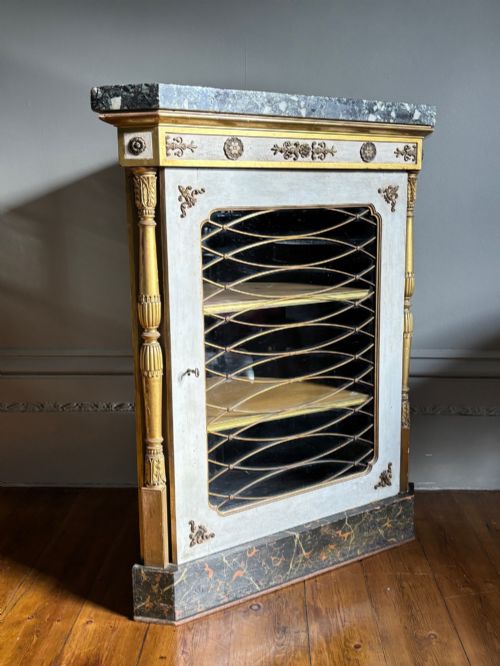
An antique gilt display cupboard brings warmth and light to a room through gilded mountings and glazed doors designed to show off fine possessions.
Antique Gilt Display Cupboard
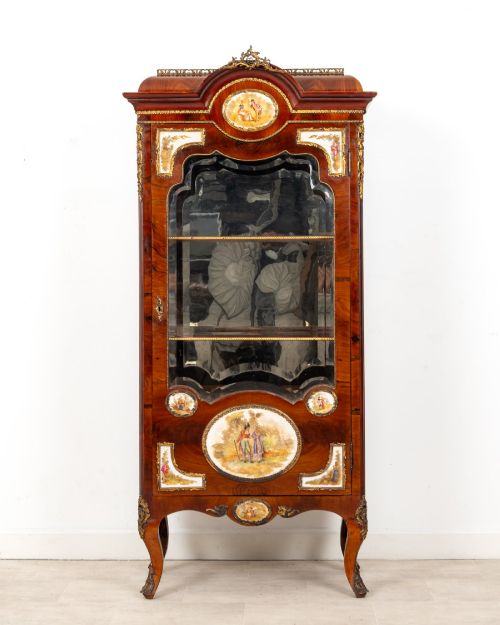
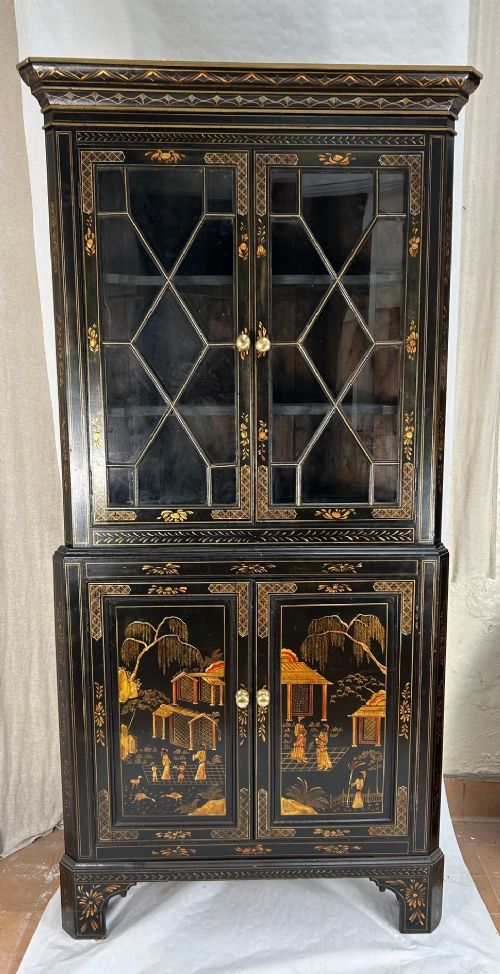
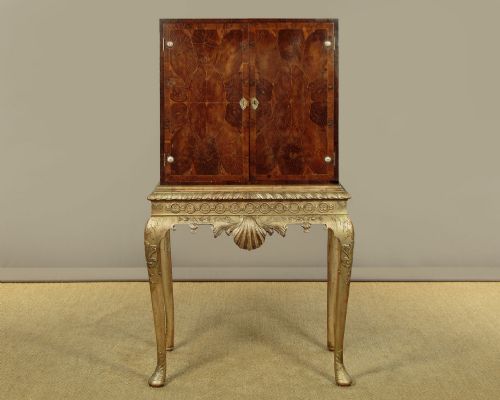
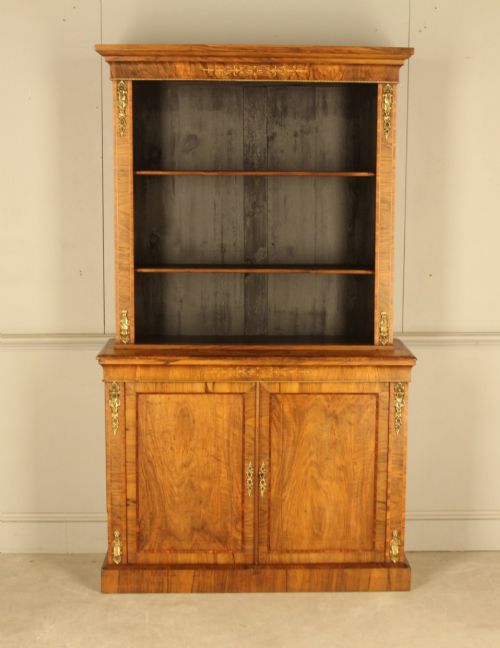
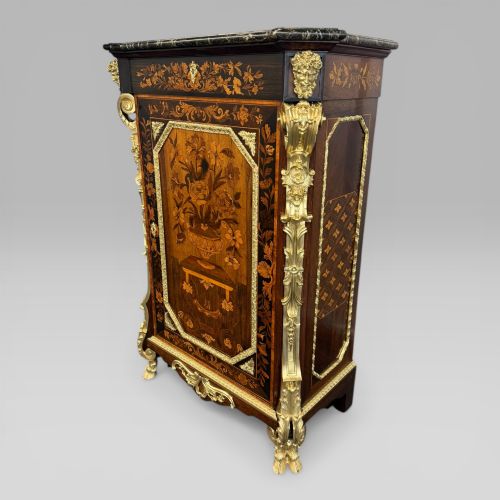
An antique gilt display cupboard combines glazed doors or open shelving with gilded bronze, ormolu, or gold leaf detailing. The pieces appearing here span the eighteenth, nineteenth, and early twentieth centuries, encompassing Victorian, Regency, Edwardian, and French Revival idioms.
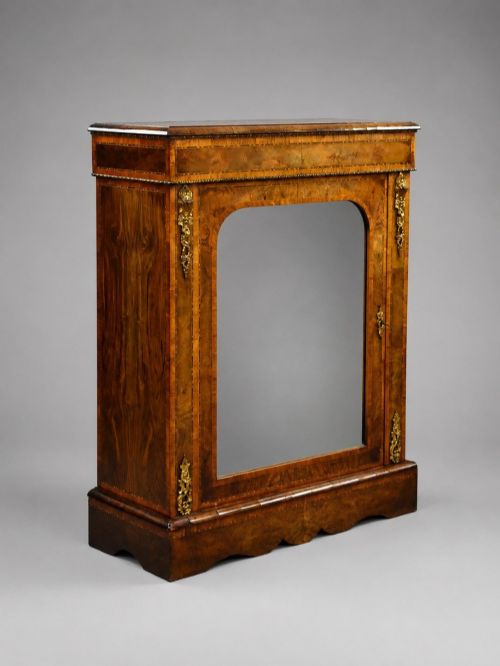
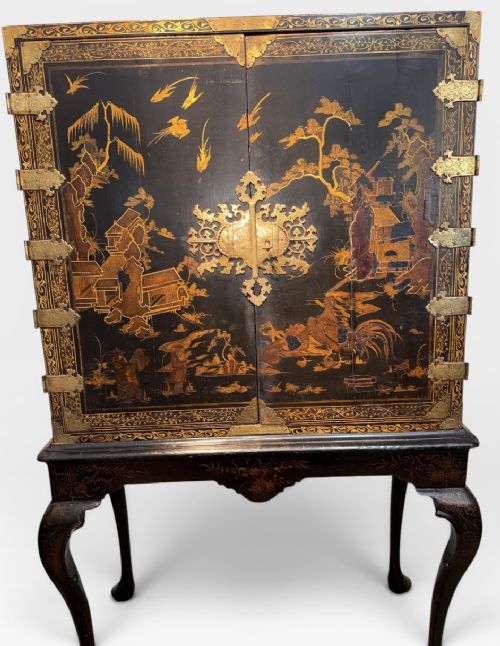
Forms range widely across the selection. Buyers will encounter freestanding pier cabinets, corner cupboards, side cabinets, and cabinets raised upon stands, alongside taller bookcases and wall-hanging vitrines.
Materials extend beyond standard timber frames to incorporate specialised decorative surfaces such as lacquer, boullework, vernis martin, and penwork. Many incorporate porcelain plaques alongside their glass panels to enhance the visual display.
Materials and construction methods
Cabinet makers utilised a diverse palette of timbers including walnut, burr walnut, kingwood, mahogany, satinwood, and oak as the foundational carcase for these display pieces. These woods frequently received rich veneers or dark ebonised finishes.
Gilding and metalwork define the category, with ormolu, brass, and gold leaf applied to mounts, hinges, and frames. Lacquer work and hand-painted decorations appear across Chinoiserie and Vernis Martin examples, requiring patient layering and polishing.
Glazing forms an essential element, protecting collections within while offering an unobstructed view. Porcelain plaques, often in the Sèvres style, are integrated directly into the wooden or ebonised structures alongside marquetry inlays.
Several cabinets rely on secret compartments to safeguard miniature treasures alongside their grand display shelves.
Distinguishing quality across the range
The refinement of the ormolu mountings and the crispness of the chasing separate standard production from superior examples. Finely cast bronze details demonstrate sharper relief and more deliberate integration with the wood carcase.
The choice of timber veneers and the intricacy of the marquetry or parquetry inlay indicate the maker's investment in the piece. Well-matched burr walnut and complex floral marquetry command greater attention than plain surfaces.
The integration of specialised artistic elements such as hand-painted porcelain plaques, genuine lacquer, or penwork elevates a piece. Coherence between the internal shelving, original glass, and exterior mounts marks out the most accomplished cabinets.
Edward Holmes Baldock·Town and Emanuel
The Antique Gilt Display Cupboard Glossary
- Ormolu
- Gilded bronze applied as decorative mounts on furniture. It provides a bright metallic contrast against dark woods and ebonised surfaces.
- Vitrine
- A glass-fronted cabinet designed specifically for displaying porcelain, curiosities, and small precious objects. The term originates from the French word for glass.
- Marquetry
- Decorative veneer patterns formed by fitting together small pieces of wood, shell, or ivory into wood panels. It creates intricate pictorial or geometric designs across the surface.
- Pier cabinet
- A low cabinet built specifically to fit the wall space between windows. These are frequent in Victorian interiors and often feature glazed doors.
- Boullework
- A style of marquetry using brass and tortoiseshell inlaid into a dark ground. It is named after the French cabinet maker André-Charles Boulle.
Antique Gilt Display Cupboard: Frequently Asked Questions
What is a pier cabinet?
A pier cabinet is a low, upright display piece designed historically to occupy the narrow strip of wall space situated between two windows.
These pieces typically feature glazed doors and decorative mounts suited to nineteenth-century drawing rooms.
How do I care for lacquer surfaces?
Lacquered display cabinets require gentle dusting with a soft, dry cloth and protection from direct sunlight to prevent fading. Avoid using liquid polishes or abrasive cleaners on antique lacquer and Chinoiserie finishes.
Maintaining a stable room temperature prevents the underlying wood and lacquer layers from expanding or cracking.
Where should I place a corner cupboard?
A corner cupboard utilises unused angles in a dining room, hallway, or drawing room to display ceramics and glassware. Freestanding or hanging variants both anchor awkward architectural spaces effectively.
Ensure the wall angles match the specific ninety-degree or curved geometry of the cabinet.