




Antique Gilt Decanter
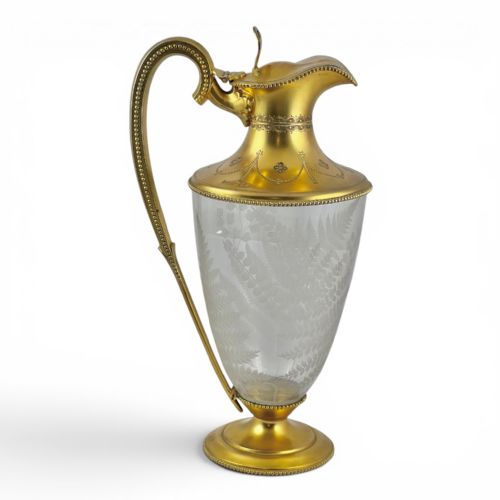
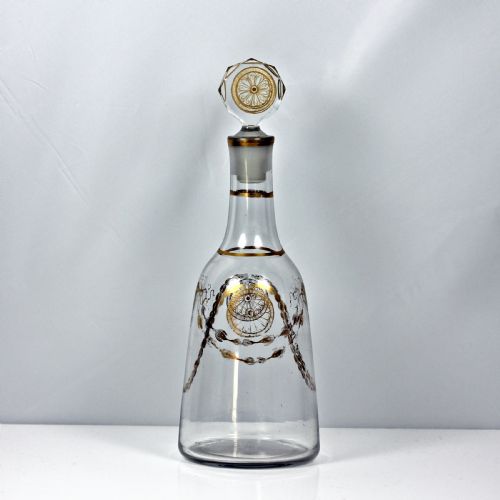
An antique gilt decanter brings a rich metallic flash to the table, combining heavy cut glass with luminous gold leaf, ormolu, or silver gilt mounts.
Antique Gilt Decanter
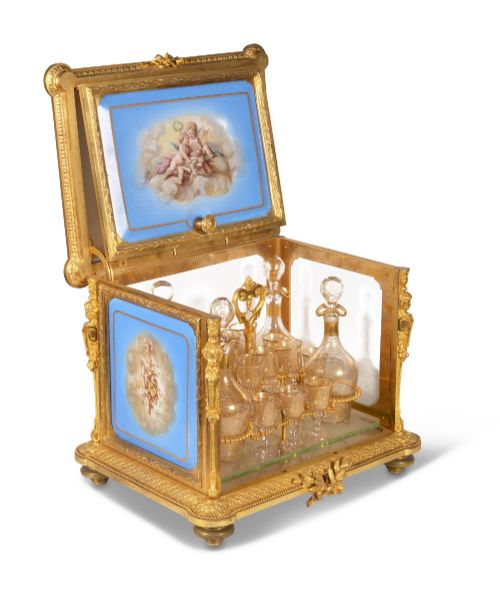
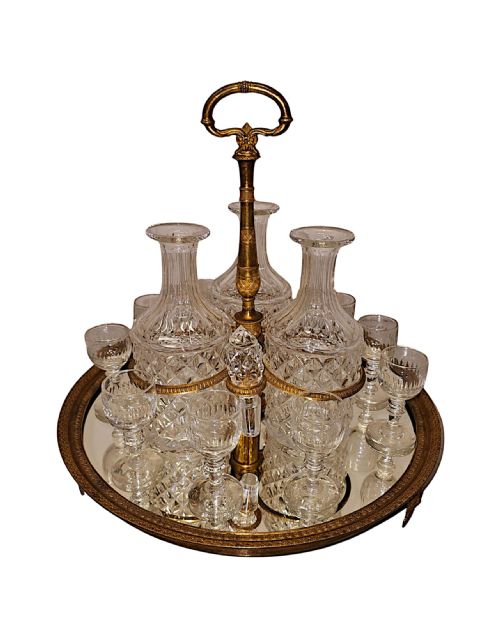
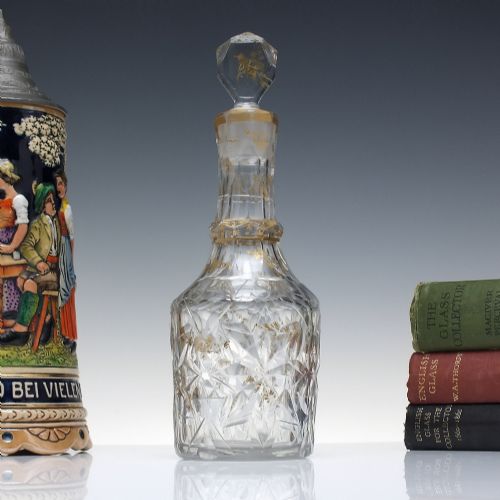
When searching for an antique gilt decanter, collectors encounter a diverse group of vessels designed for serving wine, spirits, and liqueurs from the Georgian, Regency, and Victorian periods. These pieces range from standalone glass bottles decorated with hand-painted gold leaf to elaborate tantalus sets and fitted drinks boxes housing multiple crystal bottles. Most examples integrate glass bodies with metalwork, utilising silver gilt, ormolu, or bronze mounts to secure handles, collars, and bases.
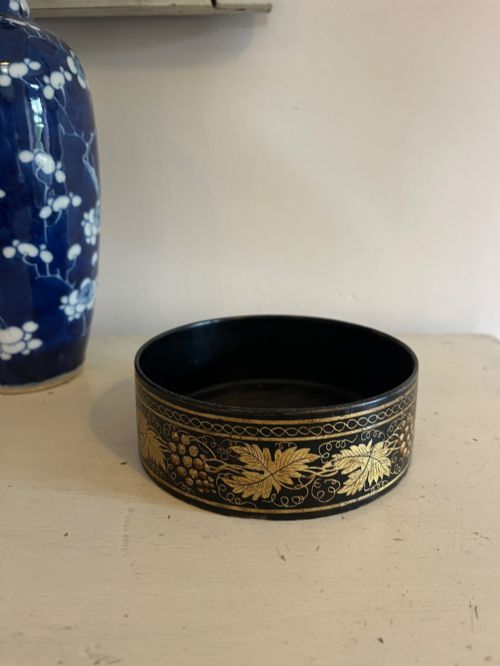
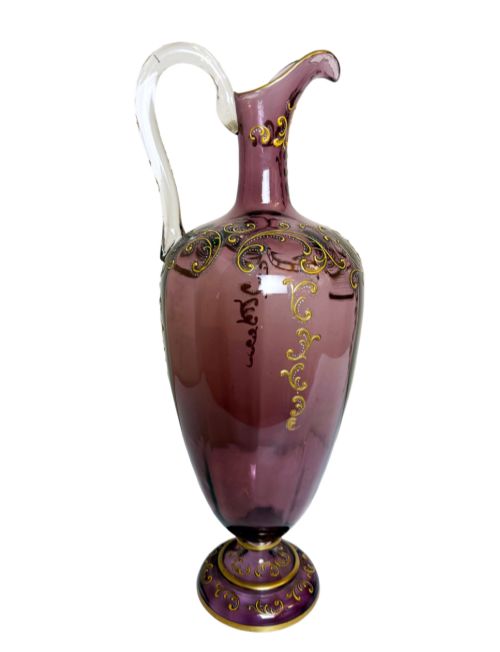
The selection on this page shows how makers adapted gilding across various forms, including claret jugs, carafes, spirit barrels, and apothecary jars alongside standard decanters. Pieces from the nineteenth century frequently showcase French and English craftsmanship, from Baccarat crystal wares to workshop productions associated with decorators like James Giles. Alongside table decanters, related serving equipment such as wine coasters and liqueur sets appear frequently in the listings, demonstrating the comprehensive nature of historical tables.
Buyers are most likely to meet Victorian and nineteenth-century interpretations, often featuring cut crystal or coloured glass highlighted with gilt decoration. These pieces reflect the shift in dining habits toward elaborate hospitality, where displaying spirits in ornamented glass became a central feature of the sideboard. The variety spans simple glass bottles with gilt script labels to heavy bronze-mounted crystal barrels resting on dedicated stands.
Materials and Techniques
The construction of these vessels relies upon the pairing of high-grade glass or crystal with precious and semi-precious metals. Glass bodies were typically blown into moulds or free-blown before undergoing wheel-cutting to create facets that catch the light. Overlay techniques, such as clear glass layered with green or cranberry glass, provided contrast for subsequent engraving and gilding.
Gilding was applied through various methods, including the use of gold leaf fixed to the glass surface, hand-painted gold enamel fired in a kiln, and mercury gilding on bronze mounts known as ormolu. Silversmiths and metalworkers then fitted these glass bodies with cast and chased silver gilt mounts, collars, and bacchus mask spouts, securing them tightly to the vessel.
Antique Gilt Decanter Retail Price Guide 2026
Typical asking prices for gilt decanter among the pieces listed under this phrase on Sellingantiques today, from the lower quarter to the upper quarter. They describe what is for sale here now, not the wider market.
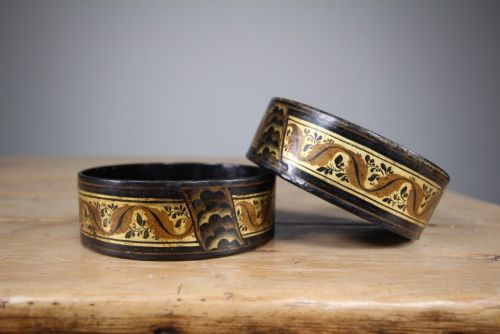
Materials recorded on this page include cut crystal, coloured glass, ormolu, silver gilt, and papier-mâché.
Evaluating Quality
The distinction between ordinary production and superior craftsmanship rests on the crispness of the glass cutting and the weight of the metal mounts. Finer pieces exhibit deep, sharp wheel-cutting that remains uniform across the facets, whereas lesser examples show softer, shallower impressions. The purity of the crystal or glass matrix, free from heavy internal bubbles or clouding, further separates standard decanters from exhibition-grade works.
In the metalwork, the clarity of chased details on silver gilt or ormolu mounts indicates the skill of the artisan. Superior pieces feature sharply rendered motifs, such as vine leaves or bacchus masks, that fit the glass contours precisely without gaps. The integration between the glass body and the metal collar reveals the care taken during assembly, with top-tier examples demonstrating secure, flush mountings that withstand regular handling.
Asprey and Co. Ltd·James Giles·Baccarat·Freeman and Son Ltd·Mappin and Webb
The Antique Gilt Decanter Glossary
- Ormolu
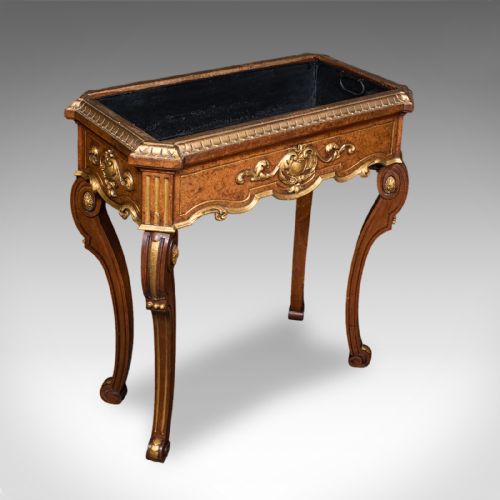
- A type of gilded bronze furniture and decorative mount popular in French and English luxury goods. It involves applying a finely ground gold-mercury amalgam to a bronze base before heating to drive off the mercury.
- Silver Gilt
- Sterling silver that has been coated with a thin layer of gold through electroplating or fire-gilding. This technique provides the rich appearance of solid gold while utilising a silver core for structural strength.
- Tantalus
- A locking drinks cabinet or stand that holds decanters in place by a metal bar over their stoppers. The mechanism prevents guests from pouring drinks without a key, hence the name derived from the mythological figure.
- Latticinio
- A glassblowing technique involving opaque white or coloured glass threads embedded within clear glass. This method creates delicate network patterns twisting through the body of the decanter or jug.
Antique Gilt Decanter: Frequently Asked Questions
Were these decanters meant for daily use?
Most of these ornamented vessels served ceremonial and hosting duties in prosperous nineteenth-century households rather than everyday dining. They appeared on sideboards and dining tables during formal dinners and evening receptions to dispense fine wines and liqueurs.
Today, owners continue this tradition by using them for special gatherings, though careful handling is essential due to the fragile nature of the historic gilding. Many collectors choose to display them within cabinets or on dedicated drinks trays to limit handling.
How can I tell a Georgian decanter from a Victorian one?
Georgian decanters generally feature heavier lead glass with deeper, simpler geometric cutting and distinct target or mushroom stoppers. Their proportions tend to be more robust, reflecting the manufacturing capabilities of late eighteenth-century glasshouses.
Victorian examples frequently display greater experimentation with colour, overlay techniques, and eclectic revival styles like French Rococo. The cutting is often more intricate, and the presence of electroplated silver gilt mounts points directly to nineteenth-century industrial advancements.
What is the purpose of a tantalus set?
A tantalus held expensive spirits securely in place while allowing guests to admire the cut crystal bottles through the locking metal framework. By securing the stoppers beneath a metal bar, the host controlled access to the alcoholic contents of the decanters.
These sets became status symbols in Victorian dining rooms, combining functional security with decorative display. The presence of a working key adds to the completeness and appeal of these surviving pieces.