
Antique Gilt Cabinet
An antique gilt cabinet brings gilded warmth and decorative display to a room, ranging from grand French vitrines to inlaid walnut pier cabinets.
Antique Gilt Cabinet
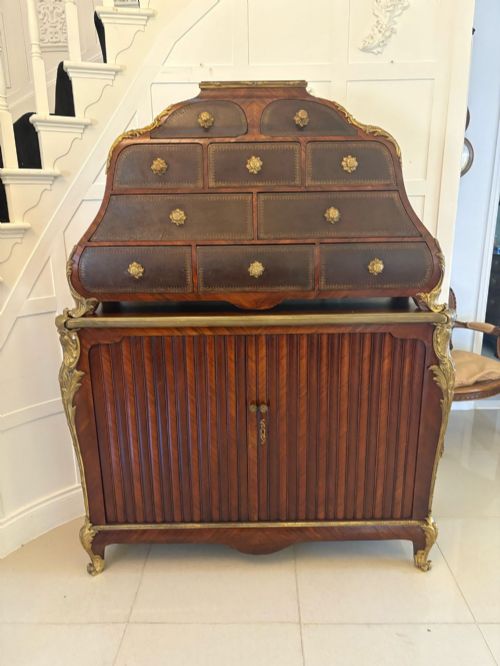
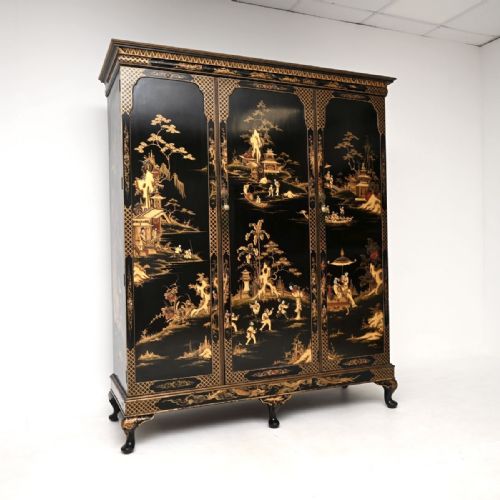
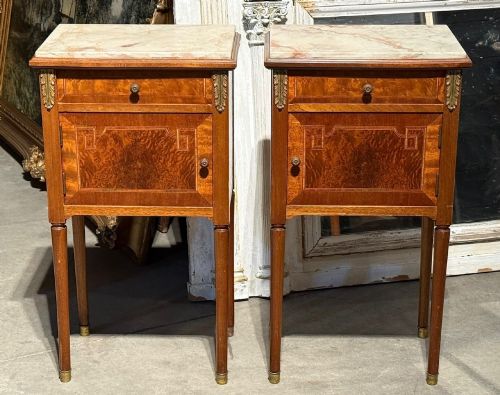
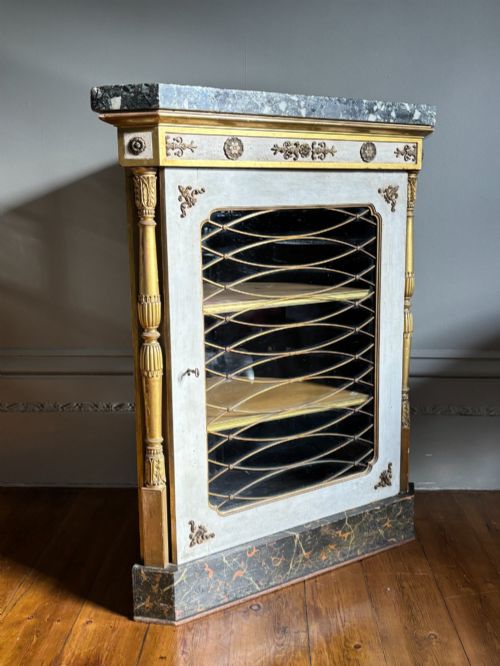
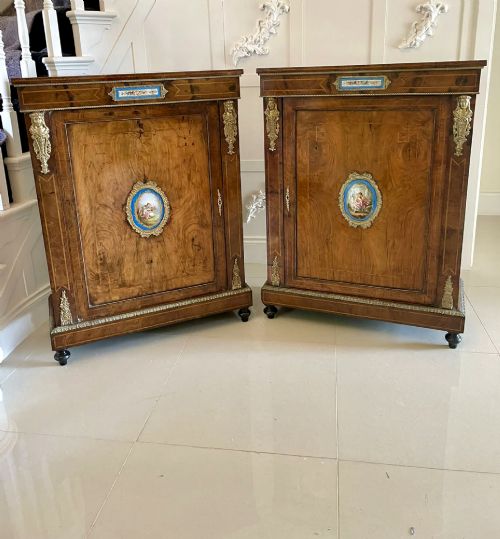
When you search for an antique gilt cabinet, you encounter a variety of forms designed for storage and display, originating primarily in the nineteenth century. The selection spans Victorian pier cabinets, French vitrines, side cabinets, credenzas, and corner cupboards reflecting Louis XVI, Louis XV, and Chinoiserie styles.
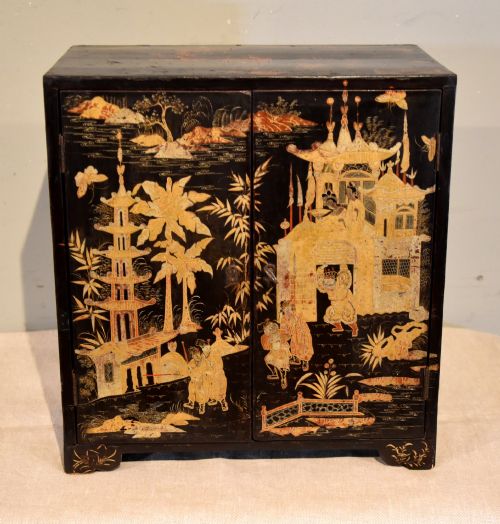
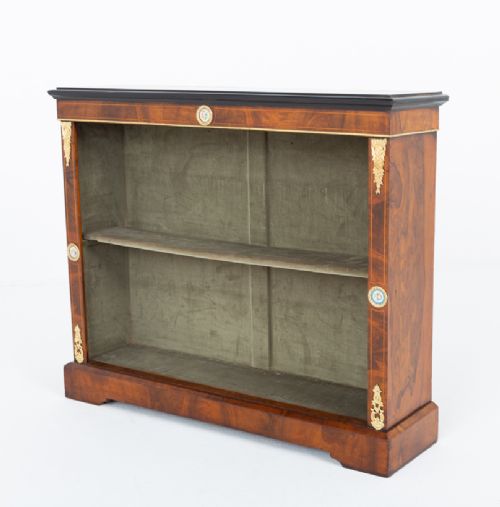
You are most likely to meet walnut and ebonised display cabinets adorned with gilt-bronze or ormolu mounts, alongside lacquer pieces decorated in the Chinoiserie taste. These pieces often incorporate glass panels, marble tops, and porcelain plaques, serving both decorative and practical functions in domestic interiors.
Materials and Construction
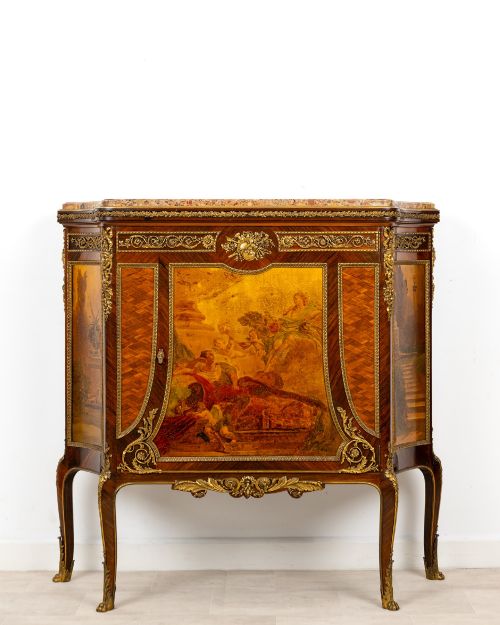
Cabinet makers utilised dense hardwoods such as walnut, mahogany, kingwood, and ebonised timbers as foundations for decorative surfaces. These carcases were frequently enhanced with intricate marquetry, amboyna veneers, or hand-painted Vernis Martin lacquer panels depicting oriental or pastoral scenes.
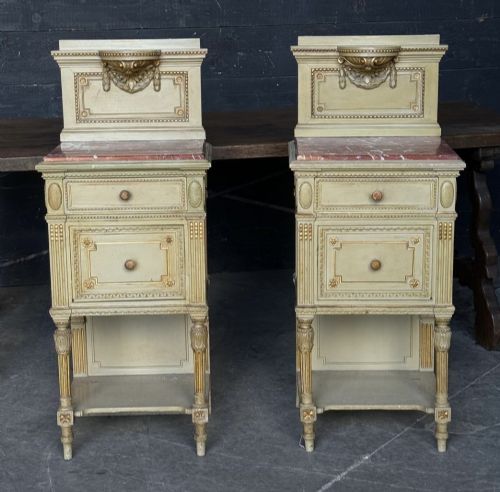
Gilt decoration was applied through gold leaf gilding or by mounting cast ormolu and gilt-bronze fixtures onto the wood. Many of these cabinets incorporated marble slabs on top and porcelain plaques set directly into the timber frame, combining metalwork, ceramics, and stone in a single piece.
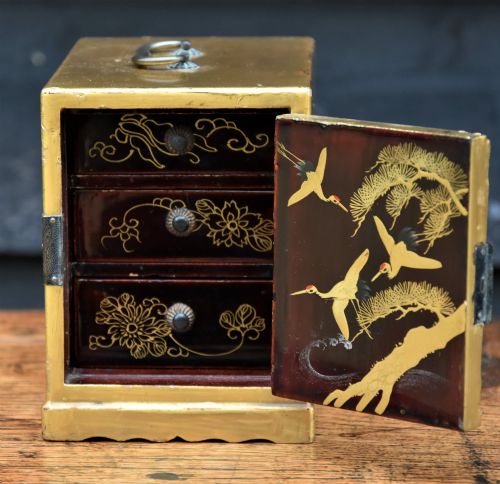
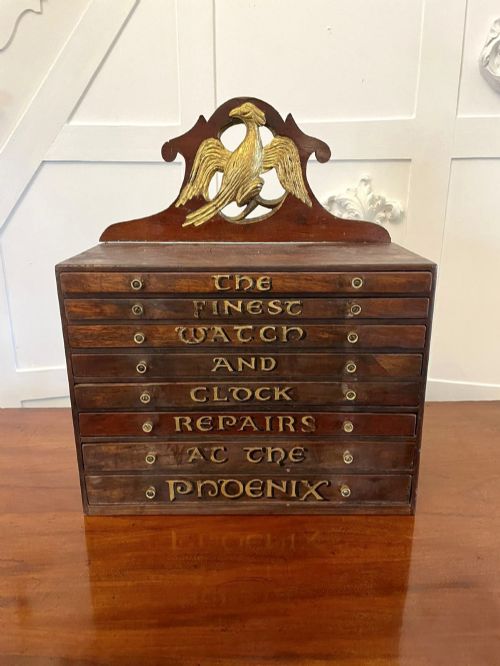
A nineteenth-century watch and clock repairer’s chest sits among the grand display cabinets, offering a glimpse into miniature mechanical trades.
Assessing Quality
The distinction between ordinary and exceptional cabinets lies in the crispness of the bronze or ormolu mounts and the depth of the timber grain. Finer examples display hand-chased metalwork with sharp detail and burr walnut veneers selected for symmetry and rich figure.
Makers known for exceptional cabinet-making integrated structural joinery with artistic decoration, ensuring that porcelain plaques, marble tops, and Vernis Martin panels were executed by skilled hands. Superior pieces exhibit harmonious proportions where the gilding complements the underlying wood without overwhelming the design.
François Linke·Hille for Harrods·Gillows·Johnstone and Jeanes·Jacques Bircklé
The Antique Gilt Cabinet Glossary
- Ormolu
- Gilded bronze mounts cast and chased by hand to adorn the corners, friezes, and feet of fine furniture. This technique imparts a rich metallic lustre that contrasts with dark wood timbers.
- Vernis Martin
- A type of simulated Japanese lacquer developed in France, utilising multiple layers of resin varnish. It often depicts figures or landscapes in gold and colour upon a dark or green ground.
- Pier Cabinet
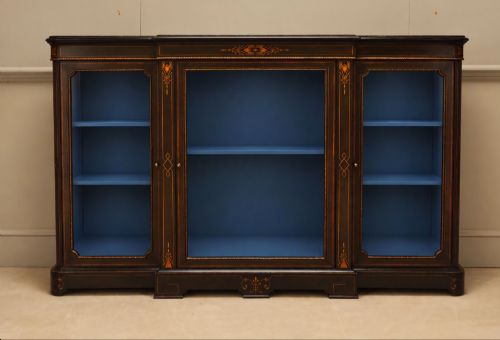
- A low display cabinet designed to fit the narrow wall space between windows. These pieces frequently feature glass doors and velvet-lined interiors for exhibiting porcelain.
- Credenza
- A long, low sideboard or cabinet featuring cupboards and central doors, often mounted with porcelain plaques and gilt bronze. Originating in Italy, it became popular in nineteenth-century formal rooms.
- Marquetry
- The art of applying pieces of veneer to a structure to form decorative patterns and pictures. Makers used woods of contrasting natural colours to achieve pictorial depth.
Antique Gilt Cabinet: Frequently Asked Questions
What is an antique gilt cabinet used for?
These cabinets served primarily to display precious ceramics, books, and curiosities while adding elegance to formal reception rooms. The glass panels and mirrored interiors allowed light to reflect across collected objects.
Today, they function effectively as focal points in living spaces or dining rooms, continuing their traditional role of housing decorative collections safely behind glass.
How do I distinguish French styles on these cabinets?
Louis XV Revival pieces display flowing, asymmetrical rococo curves and organic ormolu mounts. Louis XVI Style cabinets favor geometric restraint, straight fluted legs, and classical symmetry.
Chinoiserie examples utilise lacquered finishes and oriental motifs, whereas Victorian interpretations often combine ebonised wood with heavy gilt highlights.
Are marble tops original to these cabinets?
Marble tops were commonly fitted to high-status nineteenth-century French commodes, side cabinets, and credenzas to provide a durable and luxurious surface. White, grey, and coloured marbles were selected to complement the wood and ormolu mounts.
When evaluating a piece, look for tight joints between the stone and the wooden carcase to confirm proper integration.
How do I care for gilt bronze and ormolu?
Gilt bronze and ormolu require gentle dusting with a soft, dry brush to prevent the accumulation of dirt in the chased recesses. Avoid harsh chemical cleaners or abrasive cloths that can strip the gold leaf or patination.
Maintaining a stable room humidity prevents the underlying timber carcase from expanding, which protects both the wood and the applied metal mounts.