





Antique Gilt Buffet
An antique gilt buffet brings heavy architectural presence and gleaming metal mounts to a dining room or hall.

Antique Gilt Buffet
When searching for an antique gilt buffet, buyers examine substantial storage pieces designed for formal entertaining and display. The selection contains credenzas, sideboards, and side cabinets originating primarily from the nineteenth century, alongside associated side tables and console forms.
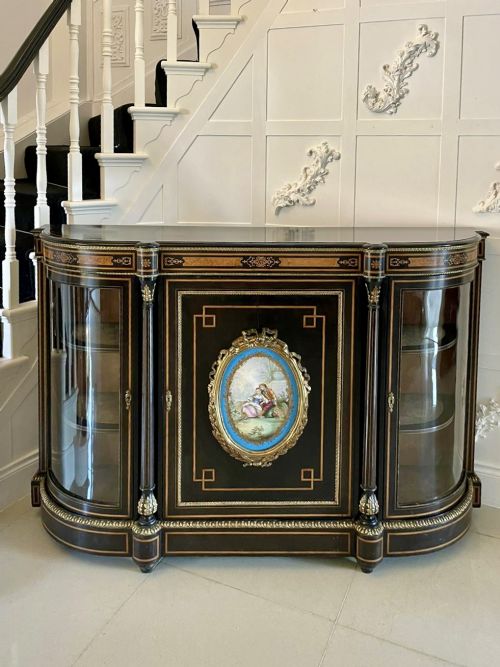
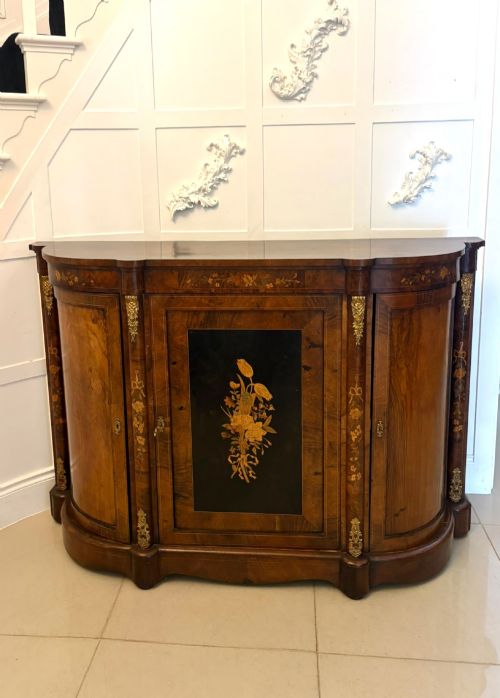
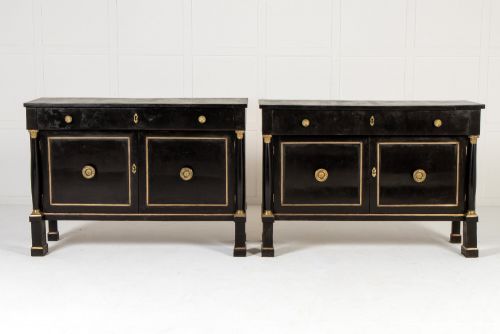
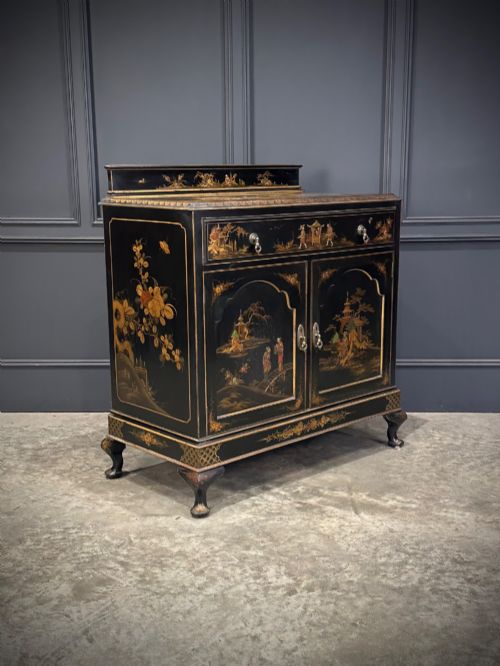
Most examples combine timber carcases with metallic embellishments, marble slabs, or mirrored glass. Victorian burr walnut and French ebonised woods dominate the construction, often ornamented with floral marquetry or porcelain plaques.
Stylistic influences lean heavily toward French Neoclassical, Louis XVI, and Victorian design. Pieces range from straightforward English cabinetry to ornate continental side cabinets mounted in ormolu.
Materials and Technique
Cabinetmakers utilised dense hardwoods such as walnut, mahogany, and kingwood for the structural carcase, frequently applying decorative veneers in intricate grain patterns. Marquetry inlays and parcel-gilt details provide surface contrast against the dark timber.
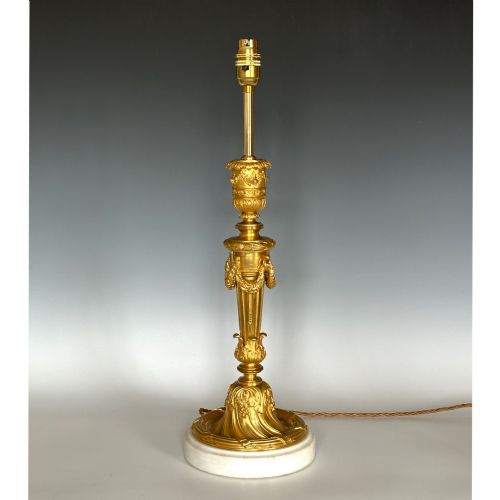
Gilt bronze and ormolu mounts were cast and hand-chased before being applied to corners, friezes, and door frames. Heavy white or coloured marble tops completed many of the French and English sideboard cabinets.
Listings feature eighteenth and nineteenth-century pieces alongside early twentieth-century examples, constructed in walnut, mahogany, and ebonised wood.
Distinctions in Standard
The refinement of the cast ormolu mounts separates standard production from exceptional examples. Finer pieces display crisp hand-chasing on the bronze work, whereas lesser items show softer detail from worn moulds.
Timber selection and veneer matching dictate the visual weight of the cabinet. Continuous grain across drawer fronts and doors denotes superior workshop practice.
Interior secondary woods and the precision of dovetail joints reveal the underlying construction standards. Original marble slabs and intact mirrored glass panels further elevate the status of the piece.
Gillows
The Antique Gilt Buffet Glossary
- Ormolu
- Gilded bronze used for decorative mounts on furniture and lighting. The technique involves applying a gold amalgam to a bronze base and heating it.
- Credenza
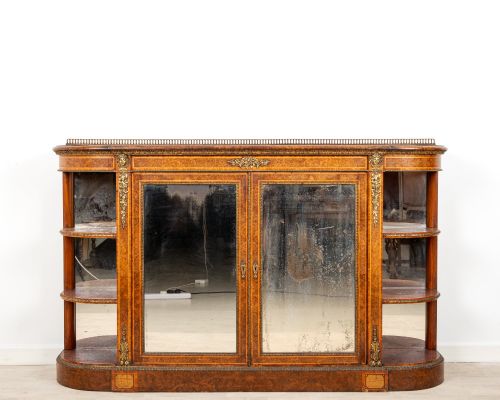
- A low cabinet or sideboard designed for display and storage, often featuring glass or mirrored doors. This form gained popularity during the Victorian period.
- Marquetry
- The art of applying pieces of veneer to a structure to form decorative patterns. Craftsmen use various coloured woods and sometimes metal or ivory.
- Ebonised
- Wood treated to resemble ebony through staining or painting. This finish appears frequently on nineteenth-century European furniture.
- Demi-lune
- Half-moon shape used for console tables and small side cabinets. These pieces fit flat against a wall in narrow spaces.
Antique Gilt Buffet: Frequently Asked Questions
Where should an antique gilt buffet go?
These large cabinets suit dining rooms, grand hallways, or drawing rooms where they provide surface space and enclosed storage.
Position them against blank walls to let the marble tops and metallic mounts catch natural light.
How do I identify a Victorian credenza?
Victorian credenzas typically feature burr walnut or rosewood veneers paired with gilt bronze ormolu mounts. Look for central mirrored doors flanked by curved glass cabinets.
Many examples incorporate porcelain plaques or marquetry inlays across the front panels.
Are marble tops original to these cabinets?
Most French and English side cabinets from the nineteenth century were manufactured with fitted marble slabs. These heavy tops provided a durable surface for serving food or displaying decorative objects.
Inspect the edges and underside of the stone to check for matching fit against the wooden carcase.